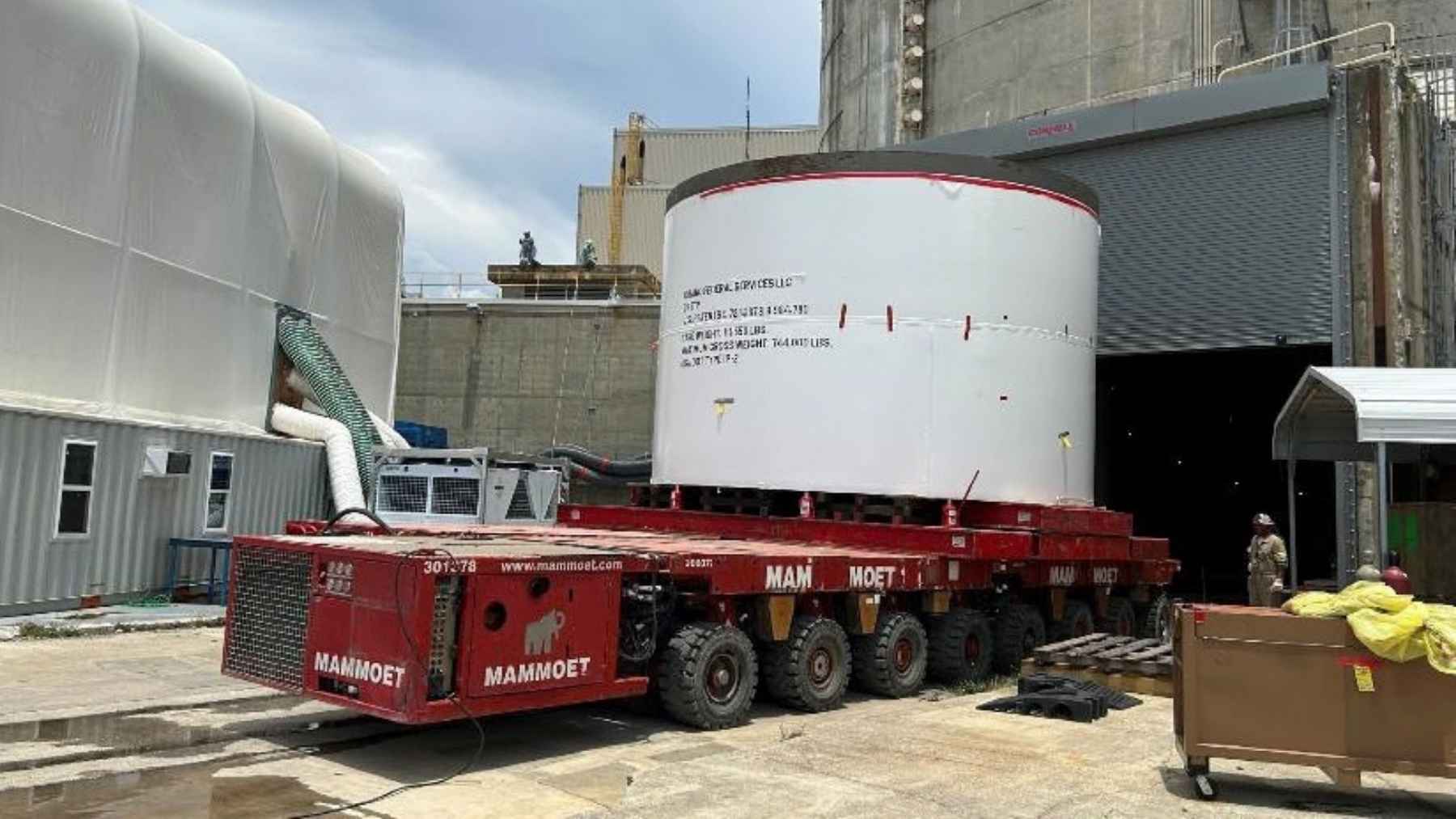

Every DC fast charger shows up at the installation site the same way: packed inside a big wooden shipping crate that gets pried open and hauled to the dumpster once the unit’s standing. I’d never given those crates a second thought, and you probably haven’t either. A research team at Western University in Ontario got hold of four of them, left over from ChargePoint Express 250 chargers, and rebuilt them into solar-powered lettuce shelters.
Each box is what gardeners call a cold frame, and it’s basically the oldest trick in the book. You put a clear lid on a box, the sun heats the inside, and plants keep growing after the weather turns. The Ontario version swaps the clear lid for semi-transparent solar panels, so that one lid shades the crop, warms the box and generates electricity. The team published its results in Solar Energy this summer, and corresponding author Joshua Pearce skipped the academic modesty. “The agrivoltaic cold frames crushed the controls,” he told pv magazine.
So what did the crates crush?
Six solar panels, one crate, four colors
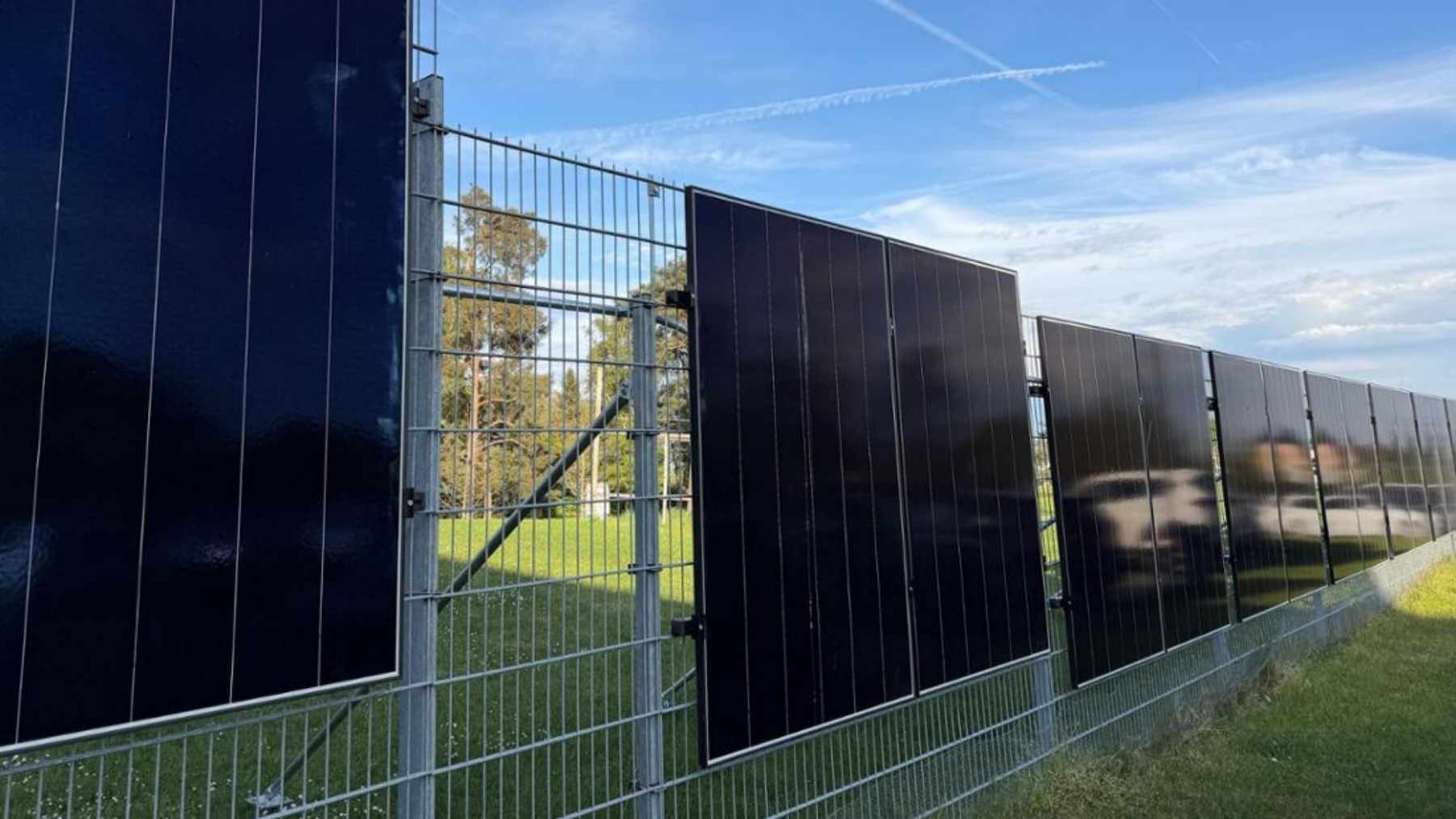
The crates measure 7.6 feet long, 4 feet wide and 3.3 feet tall. The researchers pulled the top and the south-facing side off each one and filled both openings with six thin-film cadmium telluride panels from Solar First, a Chinese module maker: three lying flat as the roof, three standing upright as the front wall. Each panel is rated at 34 watts and passes 55% of the light, which puts one box at 204 watts and the full four-box array at 816. Frankly, as recycling goes, turning a charger’s packaging into a powered greenhouse is a pretty elegant trick.
Color’s what turned this from a garden project into an experiment. Each box got its solar glass in a different tint: neutral gray, red, green or blue. Colored glass changes which wavelengths of light reach the leaf as well as how much gets through, and lettuce is known to respond to red, blue and green light in different ways. So the four boxes let the team ask a very specific question: if you’re going to farm under solar glass anyway, which color should you buy?
Inside every box went Parris Island romaine lettuce in 1.5-gallon pots, three plants per treatment. All of them grew in the same soil mix with no added fertilizer and about a quart of water every seven days, and three more plants sat in an open plot beside the boxes as the control. Temperature probes buried 2 inches deep in the pots logged the soil every hour. The trial ran from July 30 to October 7, 2025, at Western’s research site in Ilderton, Ontario.
The gray glass won
All four solar boxes produced more lettuce by fresh weight than the open-air plants, and the plain gray glass produced the most of the bunch. Green came in behind it, then red, and the blue box grew the least of the four while still beating the outdoor control. Every plant under glass also grew taller than the plants outside. That’s a classic shade reflex: a plant that senses less light stretches upward to go find more. Leaf count is where things got mixed, because the gray box put out 12% more leaves than the control while the red, blue and green boxes all put out fewer. Add it up and the colored glass made taller, heavier, leggier lettuce, while the gray glass simply made more of everything.
How much more, exactly?
Here’s where I pump the brakes. The paper’s abstract and its conclusions give two different multipliers for the gray box’s win over the control, and the two numbers don’t match, so I’m not printing either one. The authors also didn’t run any statistics, and they say so themselves: three plants per condition is a screening test, not a dataset. What holds up is the ranking: gray first, colors behind, open air last.
Wait, why does shade grow bigger lettuce?
Taking 45% of a plant’s light away sounds like sabotage, so it’s fair to ask why the shaded plants won. Lettuce tolerates shade just fine and it can’t stand heat, and the panels attack exactly that problem. On the hottest days of the trial, the modules knocked as much as 18 degrees Fahrenheit off the soil temperature compared with the open plot, and even with the air at 104°F, the soil in the pots mostly held between 77°F and 86°F. Cooler soil hangs on to its moisture longer and keeps the roots working, which matters when the entire irrigation budget’s a quart a week. That watering schedule’s stingy enough that the shade was arguably pulling double duty as drought protection.
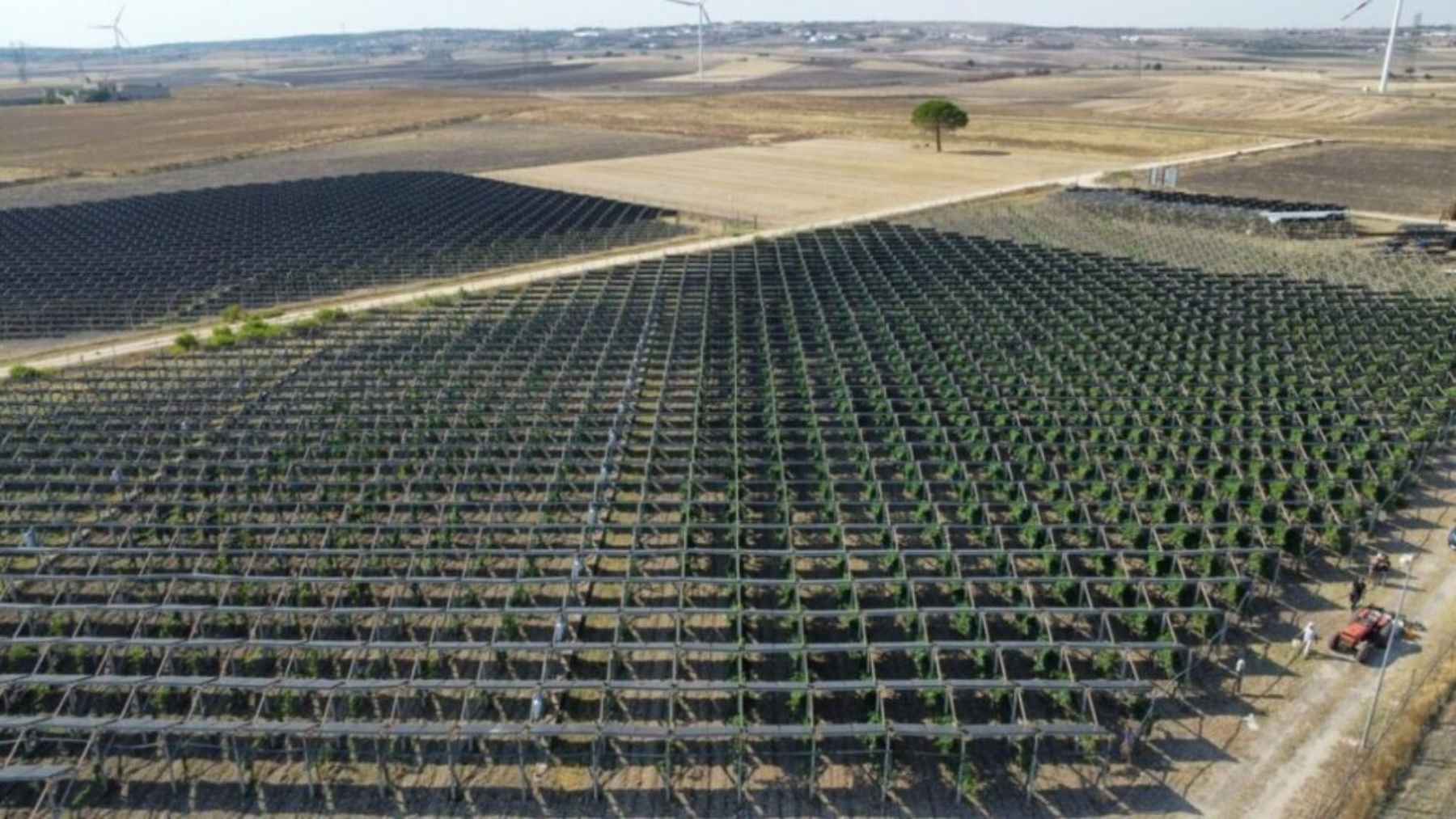
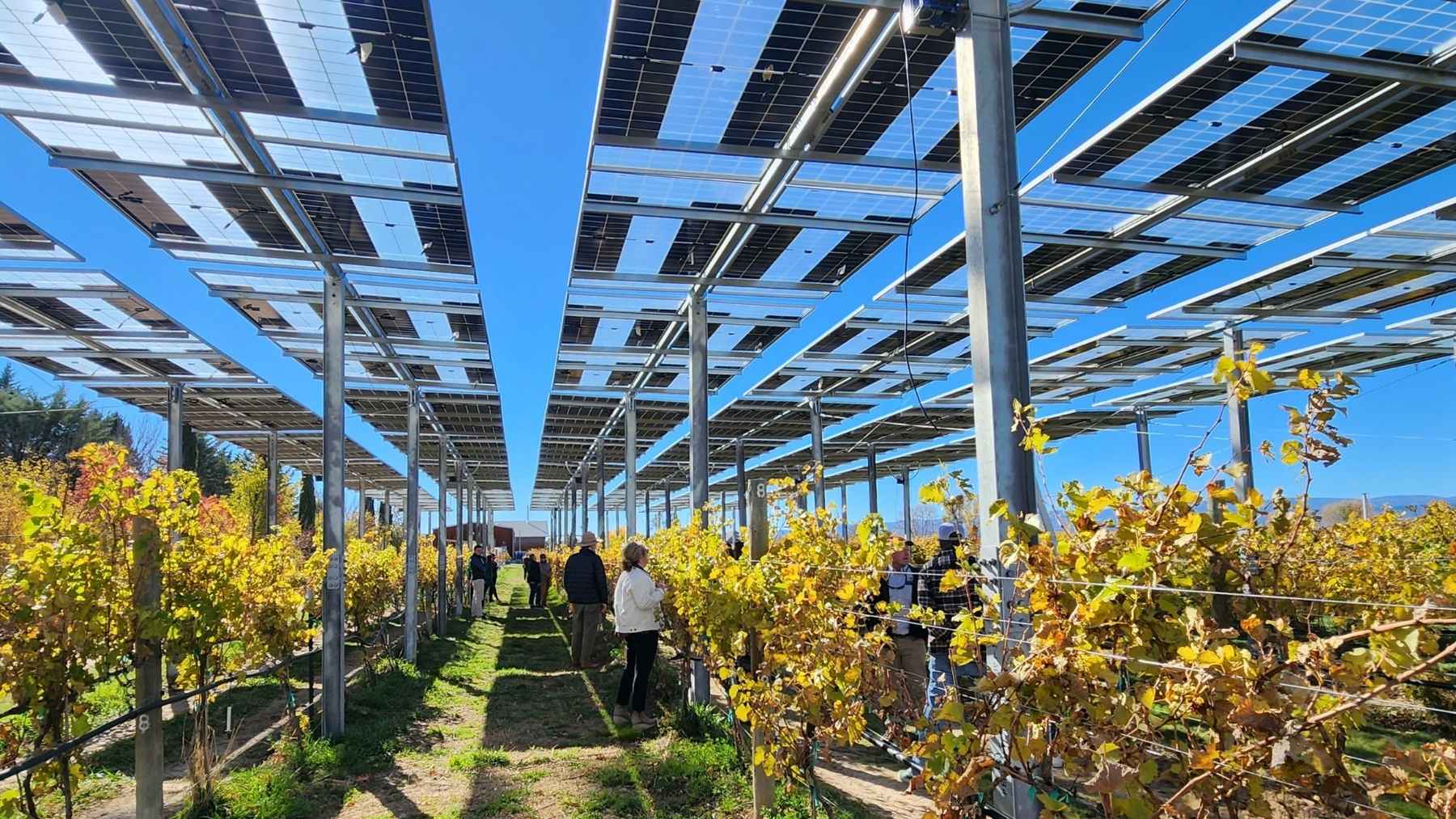
We’ve seen that mechanism carry much bigger trials. Spanish researchers grew tomatoes 40% heavier under a solar roof because the clear greenhouse next door was cooking itself, and a Swiss grower hung 1,736 solar modules inside his greenhouse to skim off only the infrared his tomatoes never use. The Ontario boxes are a pocket-sized version of that bet: trade some light for a friendlier microclimate, and collect electricity on the side.
The electricity is a forecast, not a meter reading
Nobody wired a meter to these boxes. The team modeled the output in NREL’s System Advisor Model instead, and the simulation puts each box at 212.9 kWh per year, split into 123.3 kWh from the three roof panels and 89.6 kWh from the three in the wall. The two orientations split the year between them: the flat roof panels make most of the power in summer, and the upright wall panels take over in winter, when the sun sits low. The paper puts the whole four-box array at 852 kWh a year, which by the authors’ own math covers about 8% of an average Canadian home’s electricity.
During the trial the boxes ran purely passive, with sunlight doing all the heating, so the modeled electricity didn’t actually power anything. The authors float using it for a fan or a heating cable inside the boxes, and that’s the right scale for 204 watts. It won’t run your house. I’d also treat the 213 kWh as a promise rather than a result until somebody bolts a real meter to one of these, and that caution goes double for a harvest ranking built on one season.
One more honest limit, and it’s the authors’ own: the control was an open patch of ground, not an identical crate with plain clear glass. So the shade and the shelter changed together, and this trial can’t tell you how much of the win came from the solar glass specifically. If I were running the next round, I’d add a twin crate with plain clear glass and pull those two effects apart.
Still, if you’re the kind of person who keeps a cold frame going behind the garage, this trial hands you a pretty simple rule of thumb: buy the boring gray glass. It’s also the version that looks least like a nightclub, which can’t hurt. The study went online in Solar Energy on July 1, 2026, as an open-access paper, and Pearce told pv magazine those four crates were already growing their next crop.