
Buy a raspberry bush at a garden center and whoever rings you up will probably tell you what they tell everyone: water it a lot that first summer. It’s good advice. A new plant hasn’t had time to push its roots very far, so it’s stuck drinking from the dirt right around it, and that dirt dries out fast in the heat.
Byron Kominek knows the drill. He runs his family’s farm in Boulder County, Colorado, just south of Longmont, and this spring he and about a dozen volunteers put 1,500-plus raspberry and blackberry plants in the ground there. He posted on LinkedIn afterward that his hands were still recovering, and that a wet week was putting off the need to irrigate.
So how’d the rest of the season go?
Not great, according to Kominek. In a more recent LinkedIn post, he said the farm’s irrigation water had been cut off about two weeks earlier because of the drought, and that the new berry planting has lost plants. He hasn’t said how many. LinkedIn also only shows how long ago a post went up, not the date, so I can’t tell you exactly when the water stopped.
The drought itself is easy enough to check. Drought.gov, the federal drought portal run through NOAA, has January through August down as Boulder County’s eighth-driest stretch in 132 years of records. That’s 4.58 inches of rain and snow below normal. It’s a pretty rough year to be babysitting 1,500 new plants, if you ask me.
So what kind of farm is this?
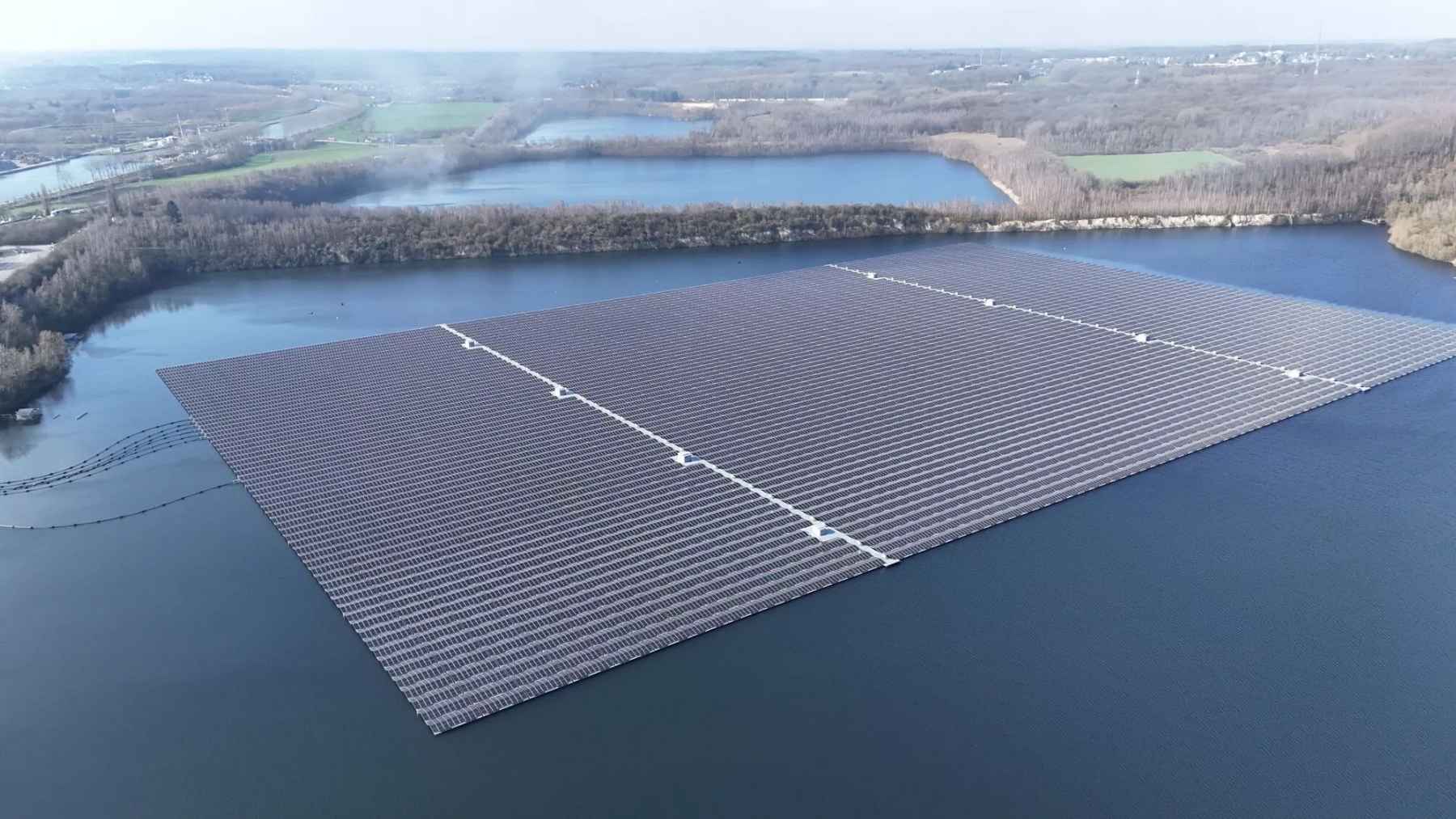
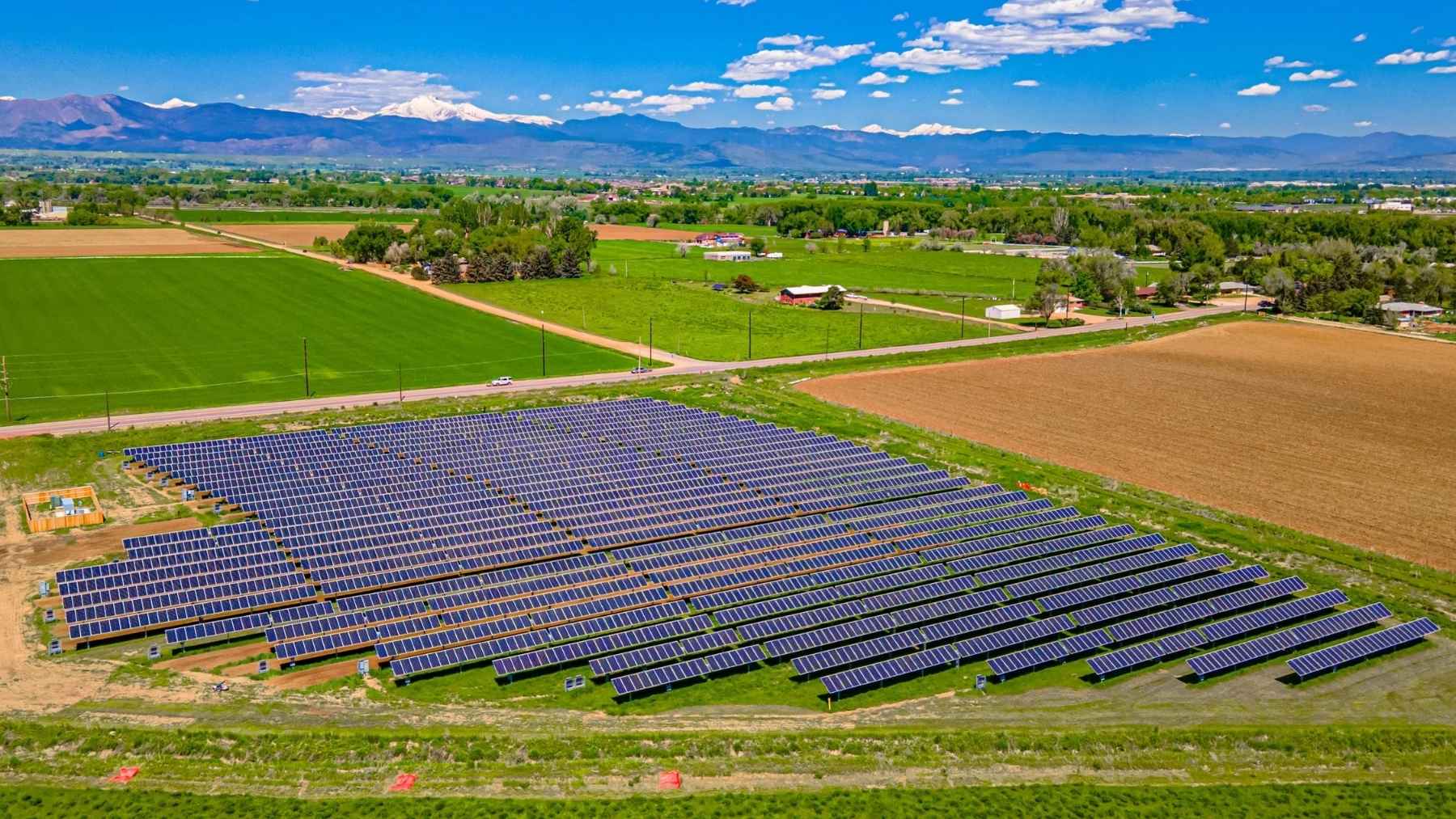
An unusual one. Kominek’s farm, Jack’s Solar Garden, has 3,276 solar panels standing over about five of its 24 acres, and the crops grow underneath and between the rows. The farm says the array makes enough electricity for more than 300 homes.
The panels sit on single-axis trackers. Basically, each row is mounted on one long horizontal bar and slowly rolls from facing east in the morning to facing west by the evening, like a rotisserie chicken that takes all day to do half a turn. Which means the shade under them doesn’t stay put. It creeps across the ground all day.
They’re also up high, somewhere between 6½ and 8 feet off the ground according to Marketplace, so most people can work under them without ducking (NBA players excepted). Kominek told the show late last year that he thinks of himself as “a shade peddler,” which I think is a pretty great job title, honestly. Marketplace also reported that he was planning a you-pick berry business under the panels, and from the looks of things, this spring’s planting is the start of it.
Water’s been a sore spot on this land for a while. Kominek has told Planet Forward that the old hay business was getting less and less irrigation water every year for its bromegrass, and that the hay wasn’t making money anyway.
Can’t the shade just cover for the water?
Not really. Shade slows down how fast water leaves the soil and the leaves, because the sun isn’t baking the ground all afternoon. It doesn’t add any water, though. A cooler keeps your drinks cold a lot longer on a hot day, but it can’t make ice, and shade works on dirt in pretty much the same way. So a raspberry cane that only went in this spring, with short roots and nothing deeper to reach for, can only get so much help from the panels once the topsoil dries out.
And this wasn’t a controlled experiment. As far as I can tell, there’s no matching patch of berries out in full sun with the same water cut to compare against, so we can’t say whether the panels saved any plants.
Shade can make a real difference for the right crop. We covered a French orchard a few days ago where 2% of the apples under tilting panels got tossed for sunburn in one season, compared with 13% from the uncovered trees next door. It can cost you too, like on a Bavarian hop farm where researchers measured a 10% to 20% drop in the hop yield under the panels.
The berries were always a next-summer thing
Raspberries and blackberries are a little odd about when they fruit. Most blackberries and summer-bearing raspberries only fruit on canes that are in their second year (fall-bearing raspberries are the exception), so a spring planting spends its first season mostly putting down roots and growing the canes that’ll carry next year’s berries.
That fits with Kominek pointing to next season for the fruit. I don’t know yet whether he plans to replant the gaps before then.
Frankly, it’s a bit refreshing when someone running a farm that’s basically a showroom for this idea posts about the plants that died. It’d be easy to stick to the pretty pictures. And it’s arguably a useful reminder, for anyone pitching solar panels over crops as a drought fix, that the plants under them still need water.
Kominek’s berries have a Colorado winter to get through before next summer. And as of the U.S. Drought Monitor map dated September 15, Drought.gov still counts all 294,567 people in Boulder County as affected by drought.