
When a famous warship retires, the ending you probably picture is a museum. The Intrepid got one in Manhattan, the Midway got one in San Diego, and both still charge admission. The first nuclear-powered aircraft carrier ever built isn’t getting one. Turning the ex-USS Enterprise into a floating museum was reportedly ruled out as too expensive years ago, largely because someone would still have to dig eight nuclear reactors out of it first.
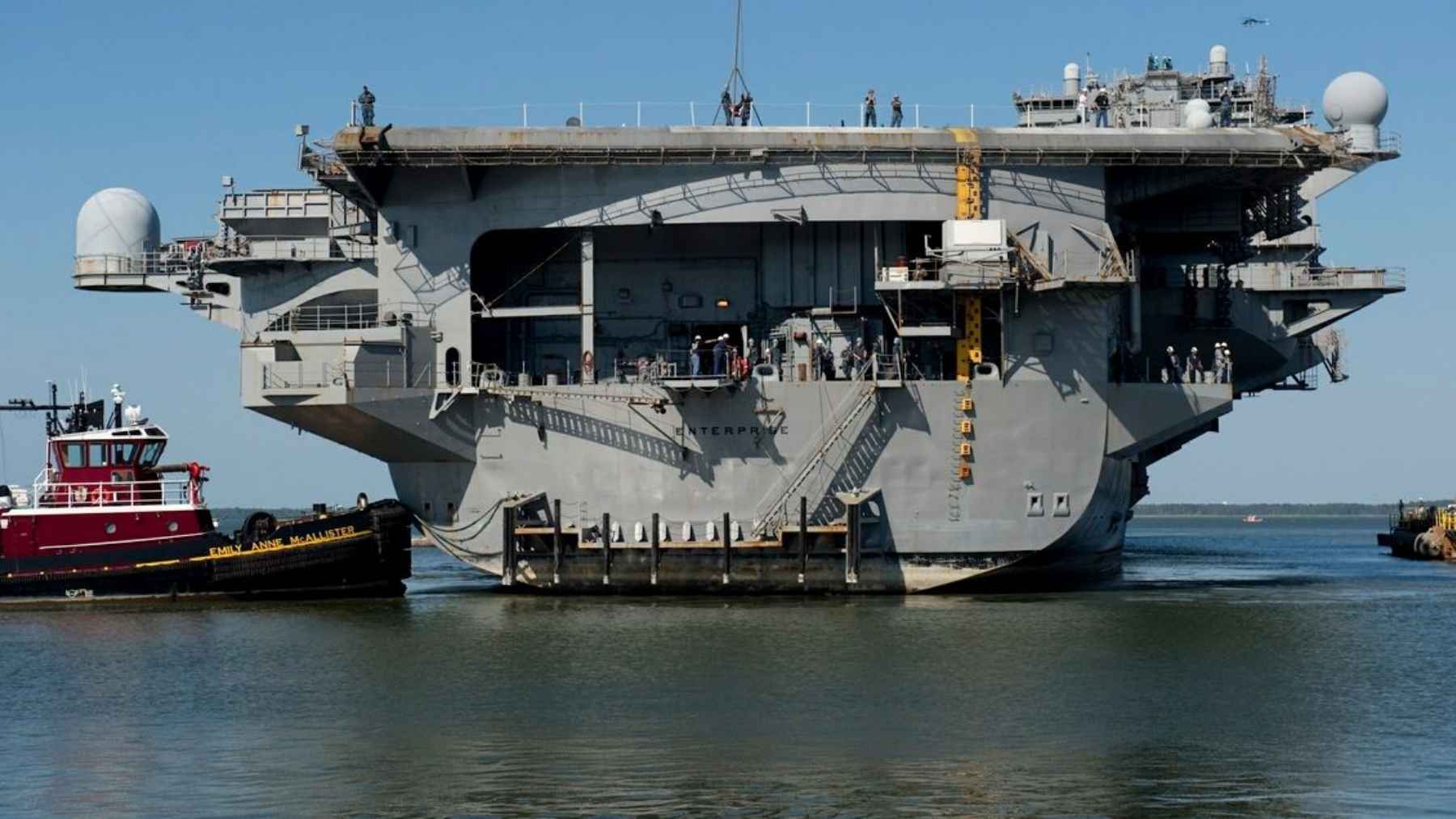
So the ship everyone called “Big E” is getting torches instead. On July 15, 2026, the Navy awarded NorthStar Maritime Dismantlement Services a $418.5 million firm-fixed-price contract to tow the carrier from Pier 2 at Newport News Shipbuilding in Virginia down to Mobile, Alabama, and take it apart completely by September 2030. A firm-fixed-price deal, by the way, means NorthStar eats any cost overruns, not you. The Navy calls this the first commercial dismantlement of a nuclear-powered aircraft carrier, and no one’s ever taken one of these apart before, so there’s no manual to follow.
Why does a ship that left the fleet back in 2012 still need $418.5 million and four more years of work? Because of the eight reactors buried in the middle of it.
So why not just pull the reactors out?
The Navy already has a routine for this with nuclear submarines, and it’s used that routine on dozens of retired boats. Workers cut the whole reactor compartment out of the hull in one piece, seal it, and barge it to a federal site in the Washington desert, where the sealed blocks get lined up in a giant open trench. We’ve written about how the Navy takes its old submarines apart before, and the process works because a submarine is basically a steel tube you can slice like a sausage.
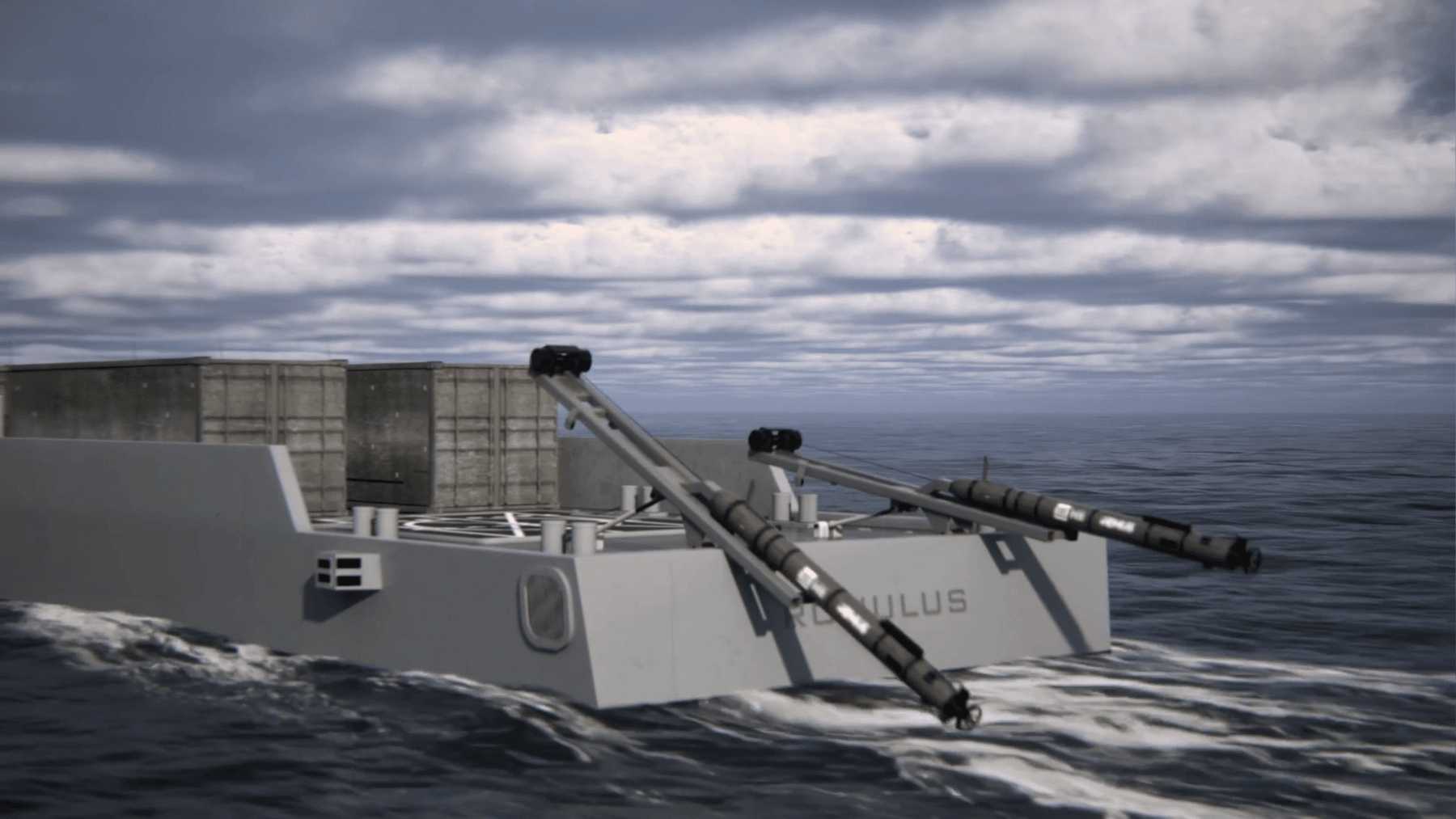
A carrier is a different animal. “Here, the reactor compartment is too big,” Bryan Clark of the Hudson Institute told USNI News. So instead of lifting the nuclear section out of the ship, NorthStar has to take the ship apart around it, and the defueled reactors will be dismantled along with the rest of the structure and sent to licensed radioactive waste disposal sites.
The Enterprise makes that job harder than any carrier that came after it, too. Modern American flattops run on two reactors. This one has eight. It doesn’t help that this was the first attempt at putting nuclear propulsion on a carrier, back when no one knew how much power a single shipboard reactor could safely deliver, so the designers packed in eight smaller ones and built 1,123 feet of ship around them. The fuel, at least, is long gone. More than 1,000 shipbuilders defueled all eight reactors in a job that ran from 2013 to late 2017, and what’s left behind is low-level radioactive structure. Even so, Navy documents say the hull could still hold more than 8,000 tons of hazardous or radioactive waste.
The contract took two tries and a federal judge
Here’s where it gets messy. The Navy first handed NorthStar this job in May 2025, for $536.7 million. Then HII ShipCycle filed a protest. HII is the parent company of Newport News Shipbuilding, which means the outfit that built the Enterprise, defueled it, and has it tied up at its own pier also wanted the contract to destroy it. Frankly, you can’t blame them for trying to keep the whole life cycle in house.
HII’s complaint said the government’s online bid portal glitched on deadline day and shut its offer out. In February 2026, Judge Philip Hadji of the U.S. Court of Federal Claims sided with HII, called the contracting officer’s handling of the situation “arbitrary and capricious,” and ordered the Navy to rerun the competition. The ruling pointed out that HII’s proposal came in roughly $100 million below NorthStar’s. NorthStar appealed, the Navy reopened the bidding anyway, and everyone got to submit fresh offers.
The do-over changed the price. NorthStar won again on July 15, this time at $418.5 million, about $118 million less than its own first bid. It wasn’t free, though: the finish line moved from November 2029 to September 2030.
USNI News puts the Navy’s running total for getting rid of the Enterprise at about $1.3 billion: $902 million for the inactivation and defueling, $111 million for storage, and now the $418.5 million teardown. Add the pieces up yourself and you land closer to $1.43 billion. Either way, that’s frankly an astonishing amount of money to spend making one ship stop existing, and ten Nimitz-class carriers are lined up behind it. The Nimitz itself leaves service in 2027, and HII already picked up a $96 million planning contract for that one in March.
So what actually happens in Mobile?
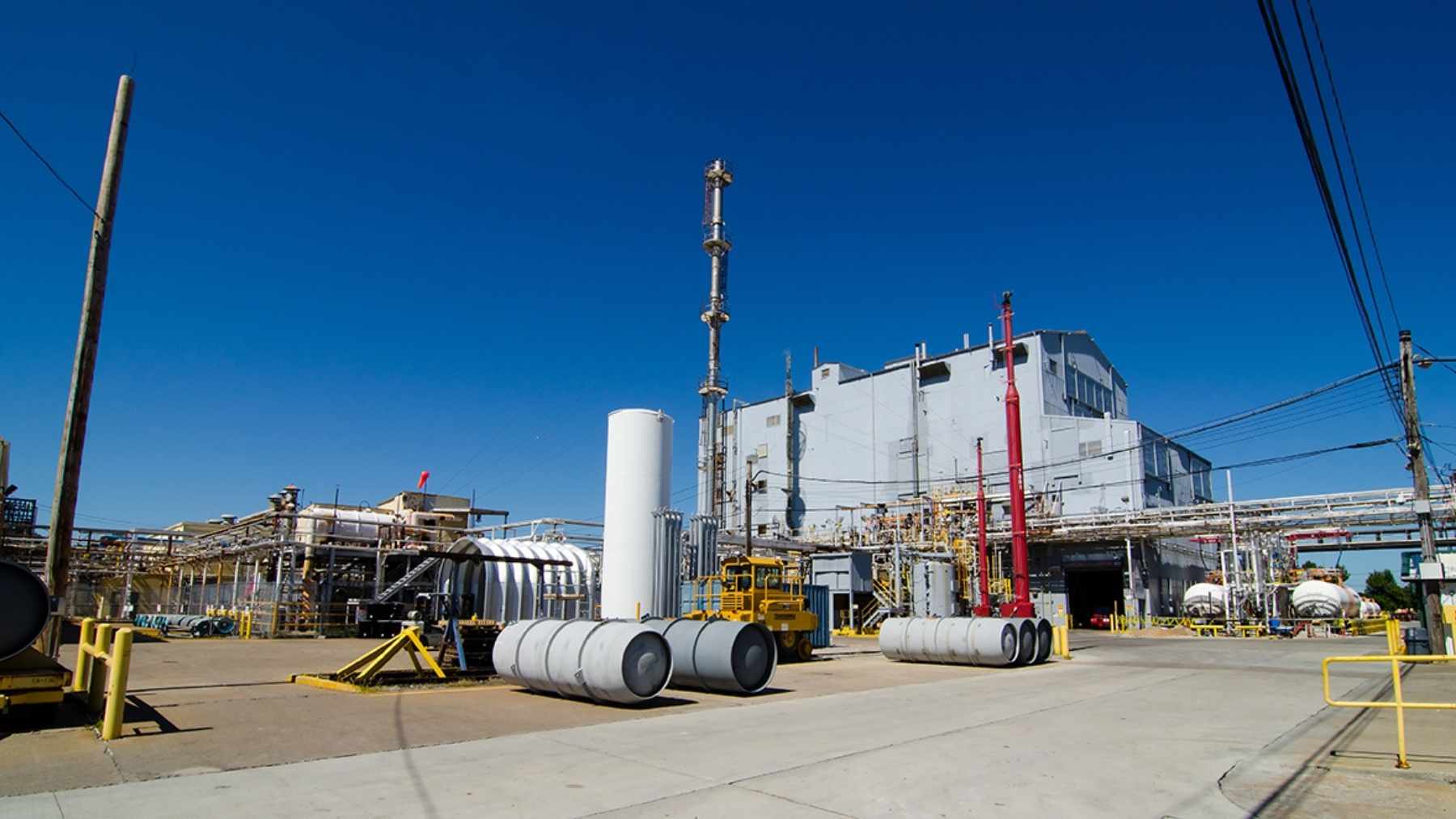
NorthStar’s partner on the Gulf Coast is Modern American Recycling and Radiological Services, which runs the yard on the Mobile River where the carrier’s going to be cut up. Waste Control Specialists in Andrews, Texas, was lined up under the original award to take the low-level radioactive and mixed hazardous waste at its licensed site, according to Naval News. Navy documents estimate the project could create as many as 94 jobs in Mobile. Not everyone there wants it, either: the Mobile Chamber has opposed the project over concerns about the ship’s radioactivity, while NorthStar has rejected those concerns and says the work won’t endanger the public’s health. The Navy’s own 2023 environmental review found the health and safety risks of the job would be small.
So when does the hull actually leave Virginia?
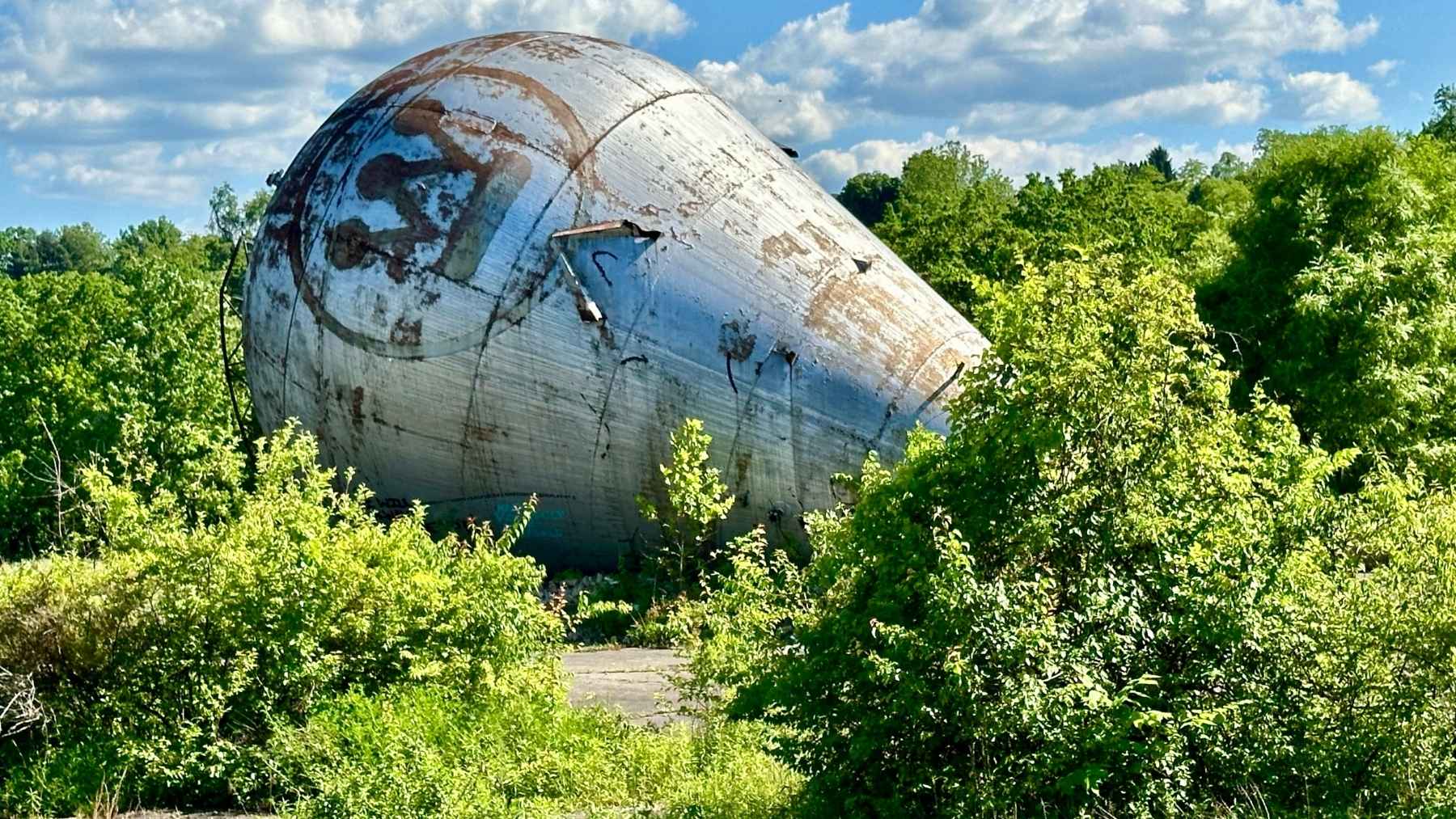
I can’t tell you. The Navy hasn’t announced a tow date, at least not anywhere I can find. What USNI News did report in July is that the dismantling site sits near the hulk of the SS United States, the famous old ocean liner that’s been parked on the Mobile waterfront waiting for its own ending. Two of the best-known ships America ever built could wind up within sight of each other. We’ve already covered how a whole nuclear plant’s reactor building left Vermont for a Texas disposal site, and it’s essentially that same industry taking on its biggest floating customer yet.
There’s one twist that arguably rescues the whole story. Newport News is building a brand-new USS Enterprise right now, the Ford-class carrier CVN-80, in the same yard where the old one is tied up, and roughly 35,000 pounds of steel from the old hull has reportedly been set aside to live on in the new ship. The new carrier’s delivery has slipped to March 2031. So if both schedules hold, NorthStar finishes erasing the first nuclear Enterprise in Mobile in September 2030, about six months before Newport News hands the Navy the next one.