
The Department of Energy doesn’t throw much away. When a nuclear program ends, the fuel gets locked up, the buildings eventually come down, and the leftover materials go into storage, where most of them sit for decades waiting on a disposal plan. It’s a one-way trip, basically. Old reactor parts don’t get second careers.
Well, one of them just did.
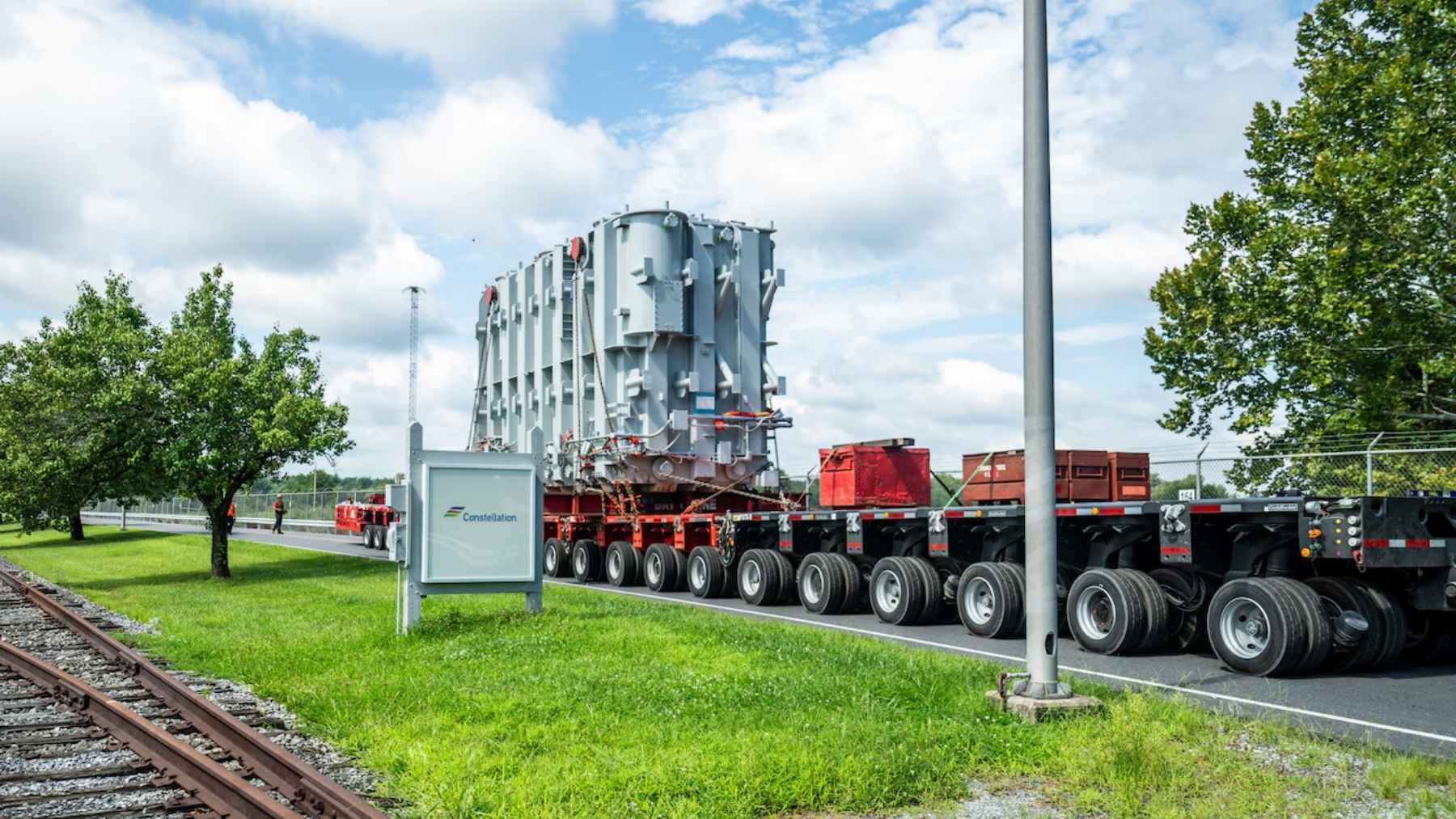
On Friday, September 18, more than 4,400 pounds (2 metric tons) of a salt called FLiBe arrived at Abilene Christian University in West Texas, where it’ll go into a small research reactor the university is building with Natura Resources. The salt’s last employer was the Molten Salt Reactor Experiment, or MSRE, at Oak Ridge National Laboratory in Tennessee. That machine shut down in 1969, and apart from small samples pulled out for research over the years, the salt has just been sitting in storage ever since.
If you’ve never run into FLiBe, it’s a blend of two fluoride salts, lithium fluoride and beryllium fluoride. Melt it and you get a clear liquid that carries heat at very high temperatures without needing the crushing pressures a water-cooled reactor deals with, which is a big part of why molten salt reactors exist at all.
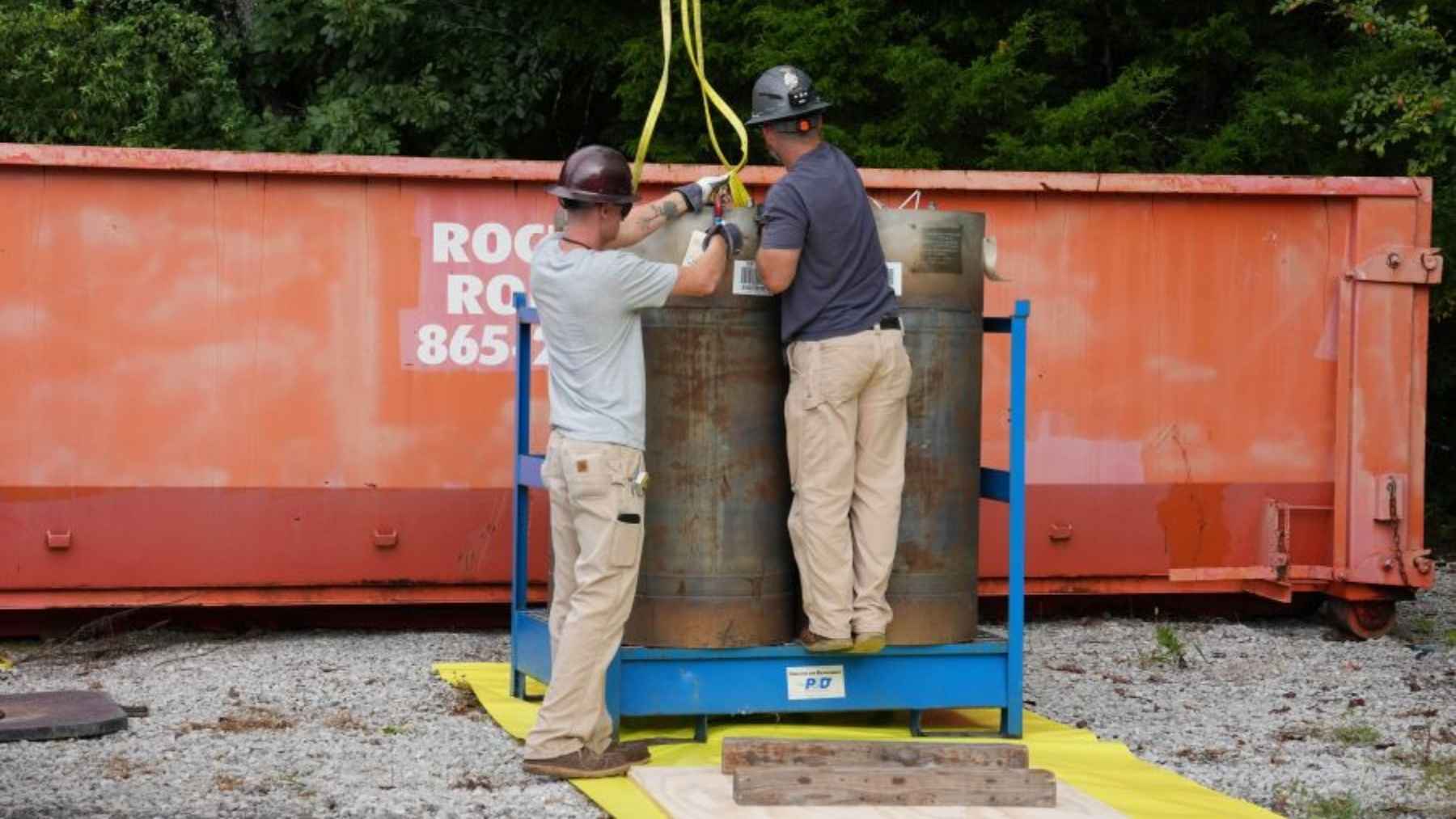
The salt showed up as one solid block
At Oak Ridge, this particular batch never touched the fuel. It ran in the MSRE’s secondary loop, picking up heat from the fuel salt through a heat exchanger and dumping it into the air through a big radiator. Because the coolant never carried fuel, radiation damage (the industry word is radiolysis) never got to work on it while it sat there, so five decades in storage didn’t ruin it.
Kevin Robb, who leads the energy systems development group at ORNL, told the American Nuclear Society’s Nuclear Newswire the shipment is “effectively a large solid salt block sealed inside a metal container.” The stuff froze the last time somebody let it cool down, and it’s been a block ever since. Natura says the load traveled from Oak Ridge to Idaho National Laboratory and on to Texas from there.
It’s not a museum piece in mint condition, either. The DOE’s own offer paperwork admits it hasn’t fully characterized the salt and assumes there are impurities in it, and no one has published how many canisters the load actually filled. Fifty-seven years in a can does that.
So why does anyone want salt from the 1960s?
Because of what’s in it. The lithium in this batch is enriched to 99.99 percent lithium-7, according to Natura’s announcement. Natural lithium comes with a small slice of lithium-6 mixed in, and inside a reactor that’s a problem, because lithium-6 grabs neutrons and turns into tritium, a radioactive form of hydrogen you’d really rather not produce in quantity. Strip out the lithium-6 and the salt runs a lot cleaner.
The other reason is that you can’t exactly order more. Robb described the batch as the one domestic supply of lithium-7 enriched FLiBe available anytime soon, and said the lithium-7 most likely came out of the Y-12 National Security Complex back in the day. As far as I can tell, nobody in the United States enriches lithium at that scale anymore, and this is the same lithium-7 that goes into the cooling water at American power plants. So when Rusty Towell, who runs the NEXT Lab where the reactor is being built, says the delivery covers every pound of lithium-enriched salt the reactor will need for its entire operating life, he means it literally. One shipment, done.
It still took seven years and a competition
You’d think a government commitment would settle this quickly. It didn’t quite. According to Towell, ACU asked the DOE for the salt back in 2019 and got a commitment, with a catch: the deal would kick in once the university had a license from the Nuclear Regulatory Commission. The NRC issued the construction permit in 2024. Then the DOE had everyone go through a fresh competitive solicitation anyway, issued in August 2025 and run through Idaho National Laboratory, and Natura won it. Seven years from request to delivery, for material the government had already agreed to hand over, frankly feels like a lot of process. Apparently that’s just how moving Cold War salt across state lines works.
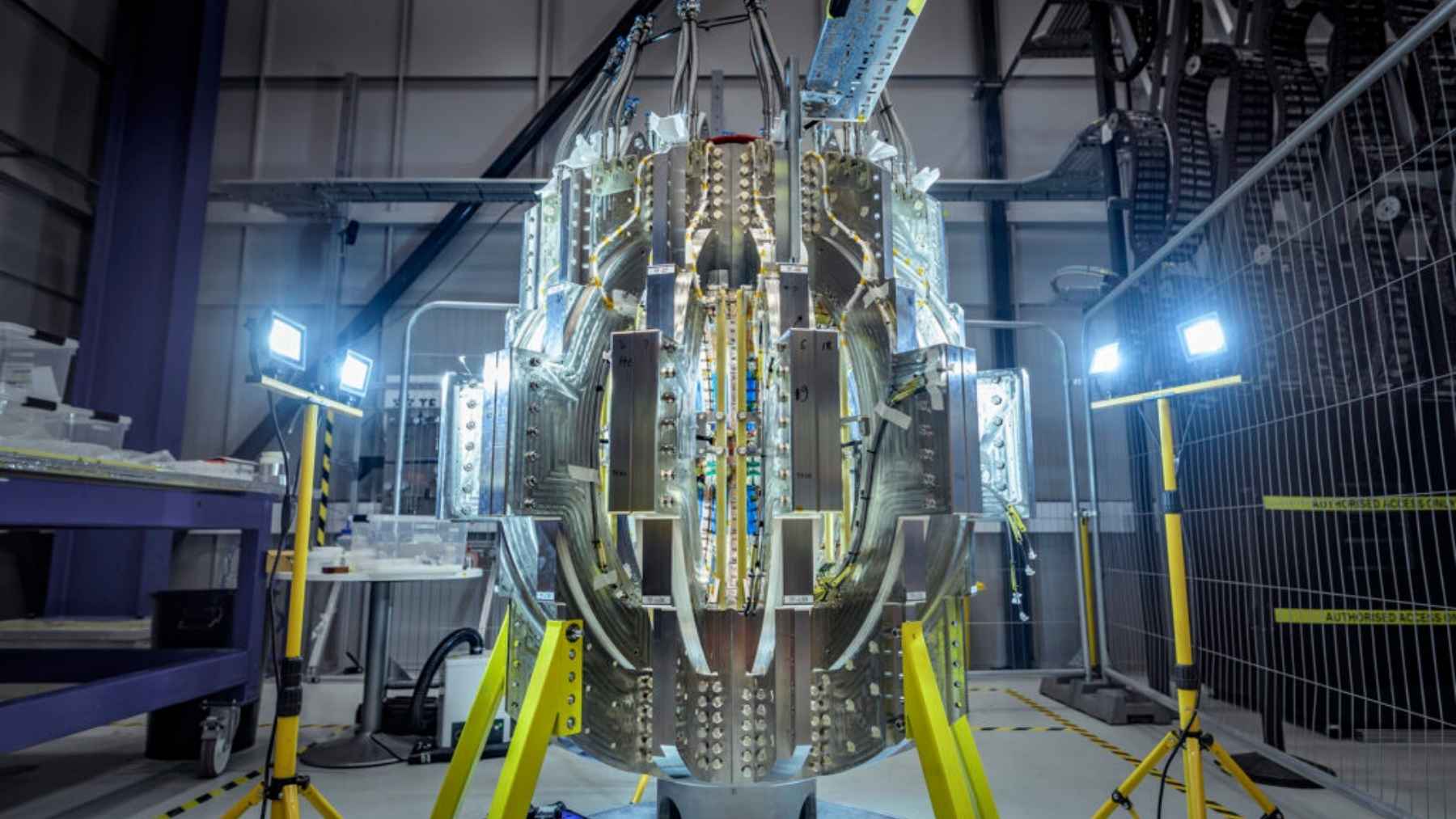
And I’ll admit my favorite thing here is that the salt is getting a promotion. At Oak Ridge it only ever cooled things. In Abilene it’ll be the main ingredient of the fuel salt itself, with the reactor’s fuel dissolved directly into it. We got into how a liquid-fueled reactor works when we covered the ACU project in July, but the short version is that there are no fuel rods; the fuel rides in the liquid. The reactor itself is small, 1 megawatt of heat where a full-size commercial unit puts out thousands, and its real product is data. Natura plans to use what it learns in Abilene to license and build the commercial reactors it actually wants to sell.
Jordan Robison, Natura’s CEO, called the delivery “a handoff between generations of American innovation,” which is press-release language, but from the looks of things it’s also roughly true. The MSRE ran for more than 13,000 hours between 1965 and 1969, and its coolant salt clocked back in at Abilene on Friday, September 18.
Credit: Amy Smotherman Burgess/ORNL