
The US Navy has been scrapping its old nuclear submarines since the 1980s, and its method is blunt in a pretty efficient way. Crews cut the entire reactor compartment out of the hull in one sealed block, haul it inland, and bury it in an open trench at the Hanford site in Washington state. According to Navy Lookout, more than 130 American nuclear ships and submarines have gone through some version of that process. It’s crude, but it works, and it’s fast.
Britain went the other way, which is to say it went nowhere. Since 1980, 23 Royal Navy nuclear-powered submarines have left service, and the country had never fully taken one apart. That’s finally changing, and on September 15 the Ministry of Defence published a report to Parliament that tells you exactly how far along the first one is.
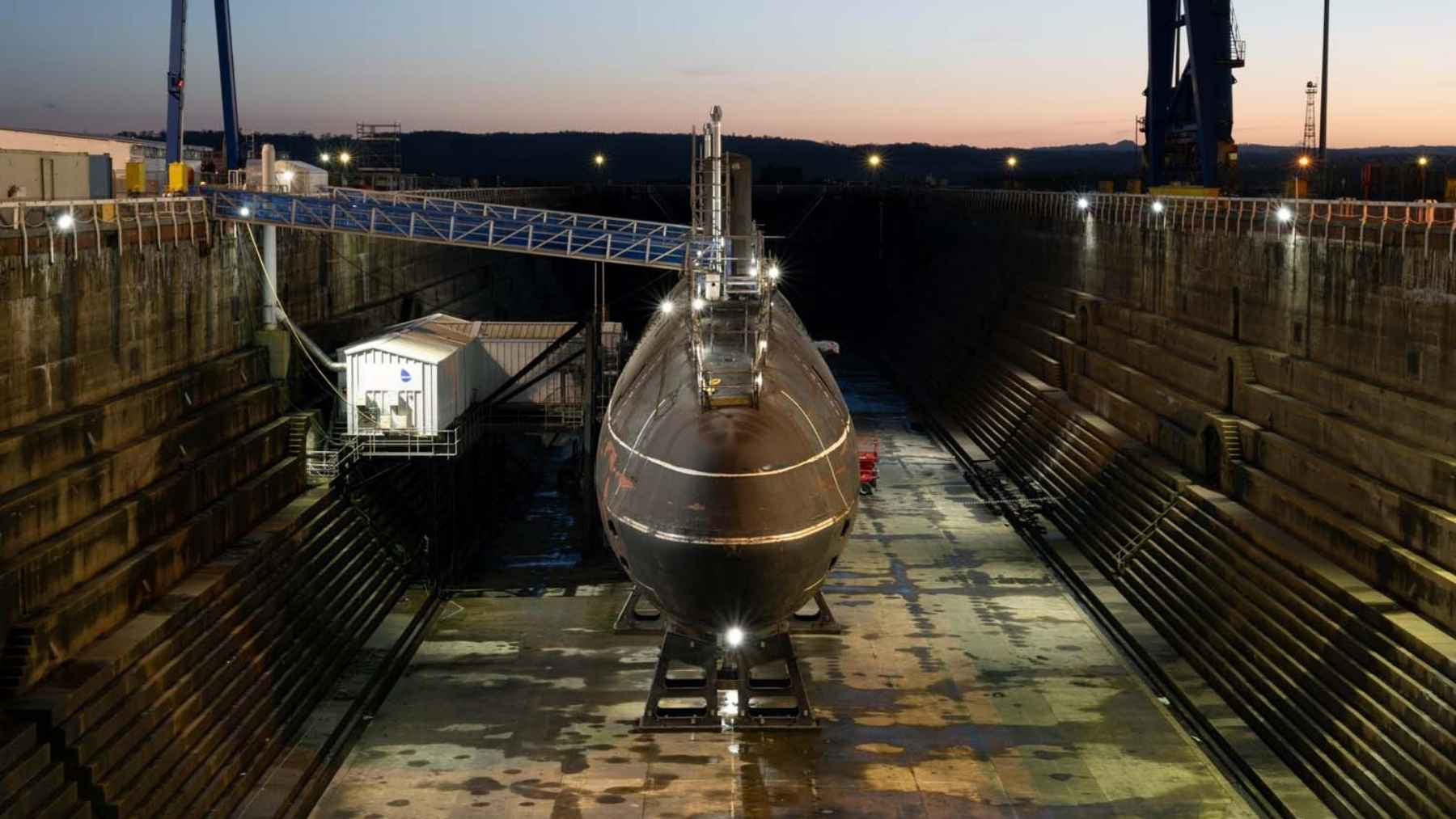
The boat is Swiftsure, a 272-foot attack submarine that spent 19 years doing Cold War patrol work before retiring in 1992. Her most famous stunt, according to the Royal Navy, was recording the sound signature of the Soviet aircraft carrier Kiev while holding her periscope about 10 feet below the carrier’s keel. She’s been laid up at Rosyth, Scotland, ever since she left service, which means she’s now spent 34 years retired after serving for 19. That’s frankly not a ratio anyone would’ve planned.
As of June, the crews cutting her up had removed 2,695 short tons (2,445 metric tons) of material from the boat. The MOD puts that at over 62% of the platform’s total weight. The sail, the tall tower structure the British call the fin, came off in June 2025 in the first big exterior cut, and by that point the project had already removed and recycled more than 550 short tons of conventional waste.
So what’s still inside the hull?
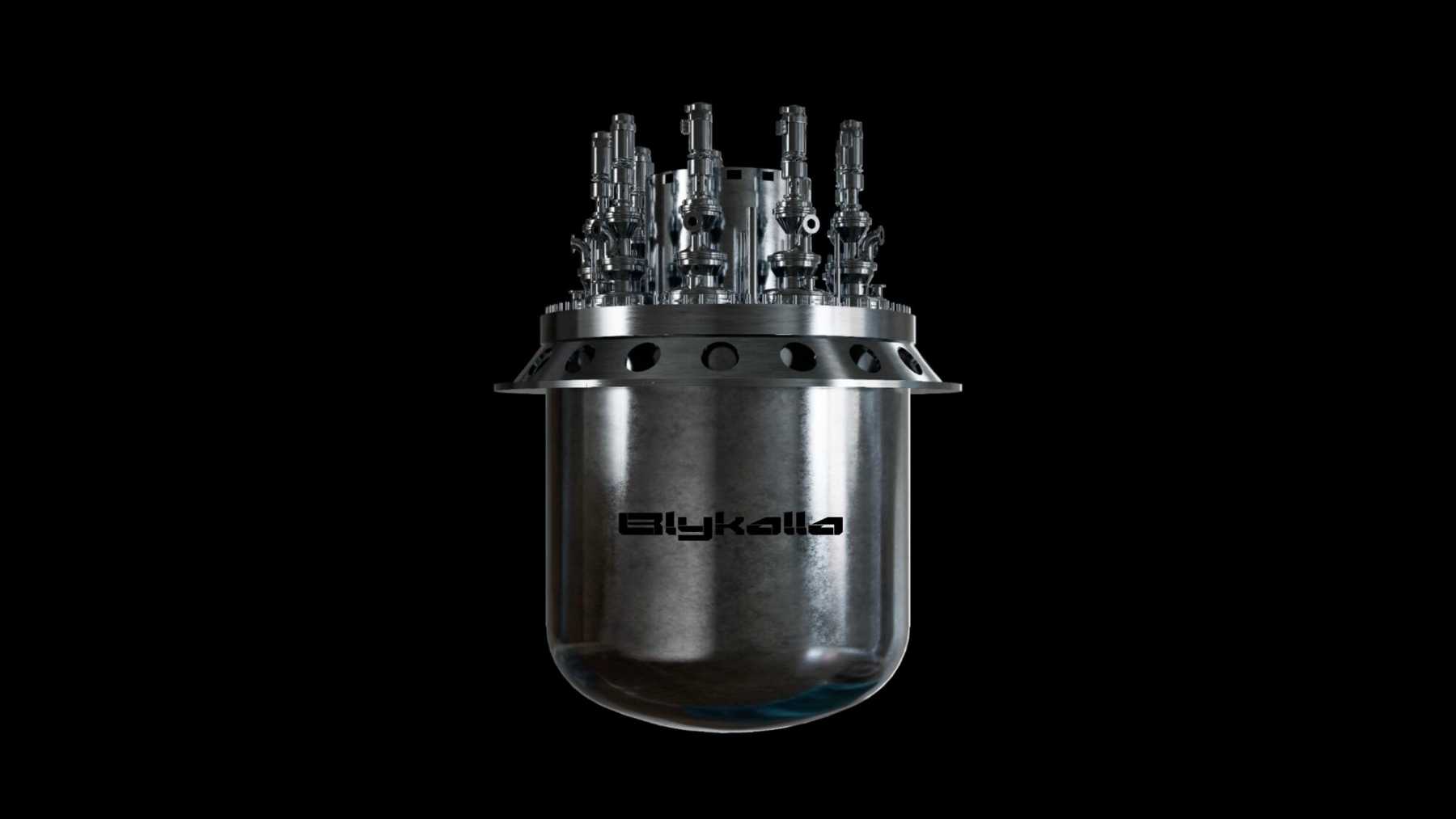
Here’s where you need to keep two things separate, because plenty of coverage doesn’t. The nuclear fuel and the reactor that held it are different problems. Swiftsure’s fuel came out back in 1992, the same year she retired, so nothing sitting in that dry dock can melt down or go critical. The reactor pressure vessel is another matter. Bombard steel with neutrons for two decades and the steel itself becomes radioactive, and it’ll stay that way longer than anything else on the boat.
That vessel is basically the thick steel pot the fuel and coolant lived inside, and the MOD’s new update lists removing it, along with the rest of the intermediate-level waste, as the next key milestone. I went looking through the report for a date on that lift, and there isn’t one, so all we officially know is that it comes after June’s count and before the boat’s declared finished.
The plan the MOD has laid out is to pull the vessel out intact and send it to an interim store at Capenhurst in Cheshire, where it’ll wait until the UK opens a permanent underground disposal facility. Per ministry answers reported by the UK Defence Journal, that facility isn’t expected before the 2040s. So one piece of Swiftsure is going to outlive your car, your mortgage, and quite possibly your career.
Britain is doing this the hard way
Cutting the reactor compartment out whole and burying it, the American and Russian route, is a lot simpler. You don’t take the radioactive section apart; you move it somewhere it can sit for a century. What the MOD’s attempting on Swiftsure is what it calls a world first: fully dismantling a nuclear submarine, reactor vessel extracted, everything else cleared for conventional disposal, instead of burying a sealed block in the ground.
The department estimates 90% of the platform’s weight can be recycled through disposal routes that already exist in the UK. That’s a target, not a result, and it depends on the radioactive and hazardous materials coming out cleanly. The MOD also says some of the high-grade steel recovered from decommissioned boats is already being turned into components for future Royal Navy submarines, which is, from the looks of things, about the best afterlife a Cold War hull has ever gotten.
Which brings us to the 22 submarines waiting behind this one.
The line behind Swiftsure is 22 boats long
The MOD’s update counts 23 nuclear-powered submarines out of service since 1980. Sixteen sit at Devonport, near Plymouth, and seven at Rosyth, Swiftsure among them. All seven Rosyth boats have had their fuel removed. At Devonport, only four of the 16 have, which leaves 12 retired submarines still carrying nuclear fuel at a working naval base.
If you’re wondering how a dozen fueled reactors ended up parked pierside for decades, the answer is that defueling stopped in 2004 over the state of the aging facilities at Devonport, and they’re only now getting replaced. In June 2025, the MOD awarded Babcock a £114 million contract to prepare for restarting the work on four retired Trafalgar-class boats. In the meantime, every laid-up boat gets regular surveys, maintenance and in-water inspections to keep the hulls sound. None of that upkeep is free, which is a big reason the MOD wants Swiftsure to prove the whole method out.
The US had a version of this problem too, just on land. An Army reactor in Virginia sat sealed for 48 years before anyone took it apart, and some nuclear waste operations go a decade between runs. Nuclear cleanup everywhere seems to run on the same clock, and it’s a slow one.
The finish line hasn’t moved. The MOD’s September 15 report keeps Swiftsure on track to be fully dismantled by the end of 2026, which gives the crews at Rosyth a little over three months to lift out the reactor vessel and clear the rest of her weight, just under 38% of it, off the dock floor. As of June, the count stood at 2,695 tons.