
Every nuclear plant I have written about was built to stay where it was poured. You dig a hole, you fill it with concrete, you wire the thing into a grid, and decades later somebody’s kids are arguing over who pays to take it apart.
Pabineau First Nation and Eel River Bar First Nation signed up for a different arrangement on September 1. The two Mi’kmaw communities, working with Montreal-based Prodigy Clean Energy, want a nuclear plant on the shore at Belledune, New Brunswick, that arrives on a ship and leaves on a ship. They would own it.
So what is a transportable nuclear power plant?
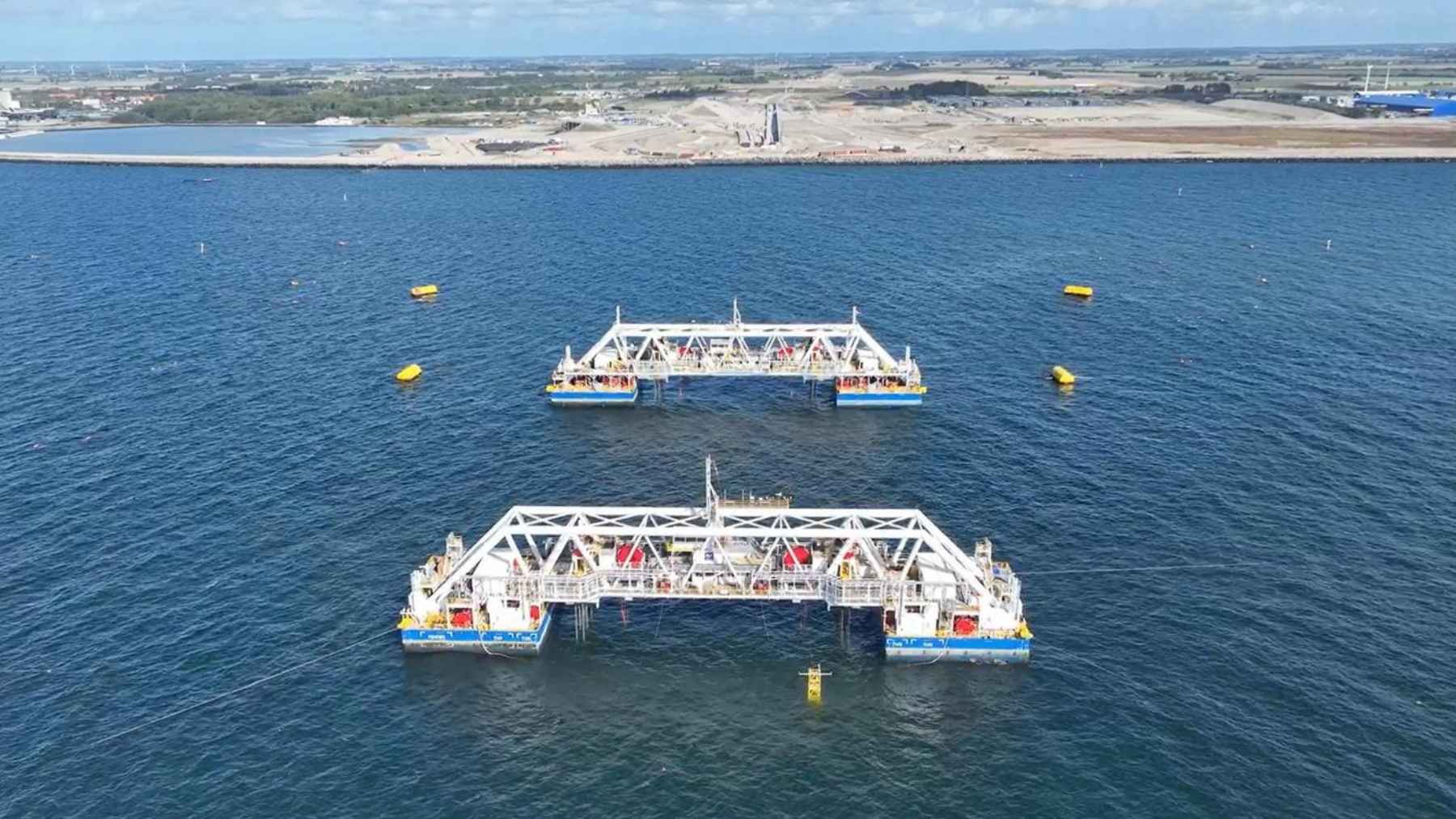
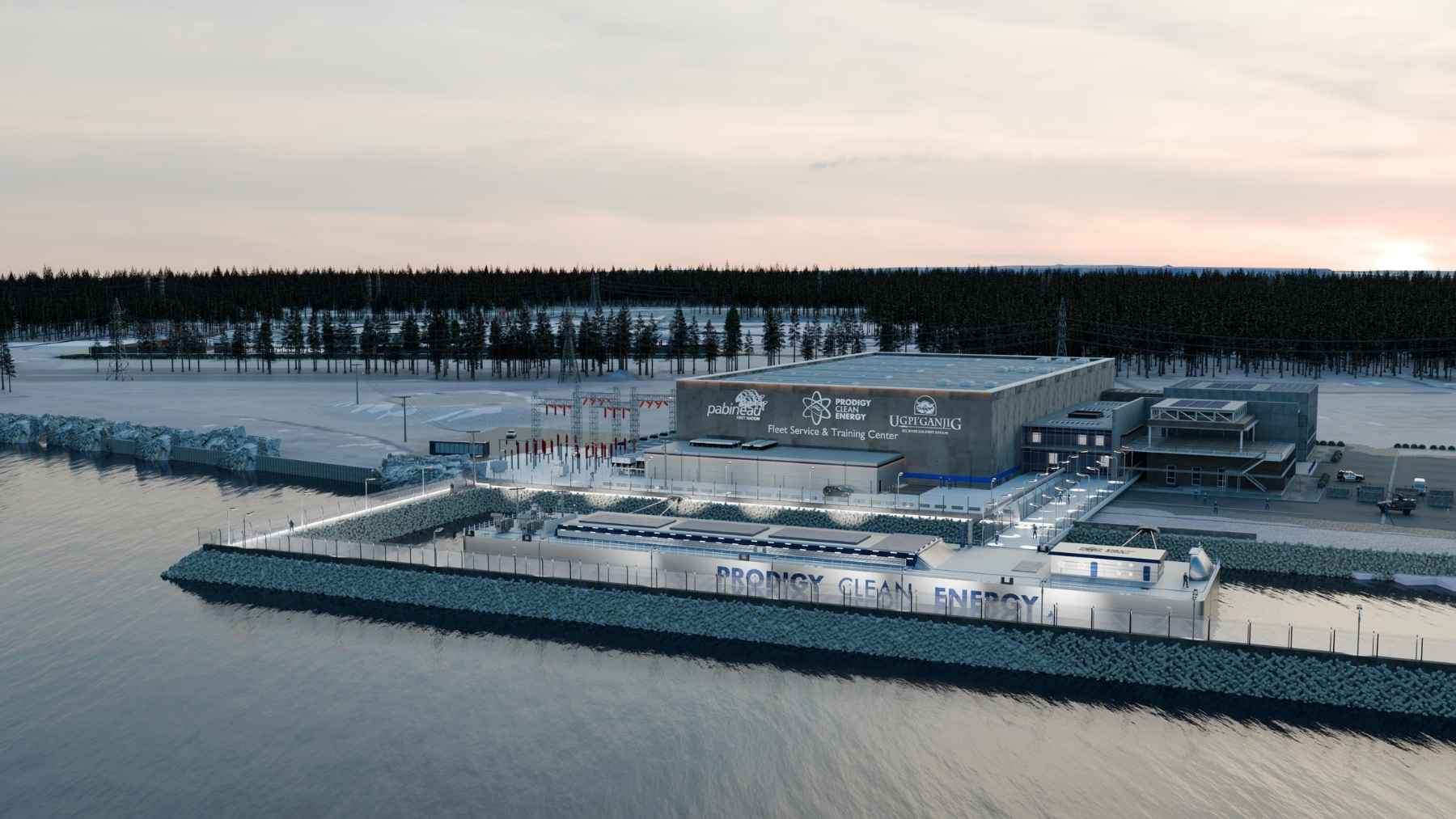
Prodigy calls its product a TNPP, and the idea is simpler than the acronym. A shipyard builds the entire plant. A heavy-lift ship then carries it dry, as cargo, to wherever it is going. Crews fix it in place inside a protected enclosure at the shoreline, either in a harbor or on land, and only after that does fuel go in and commissioning begin.
When the plant is finished working, the whole structure gets removed and taken somewhere central to be dismantled. That is what Prodigy sells hardest, and I understand why. Cleaning up a retired reactor is the slow, expensive and politically radioactive half of the business, and doing that at a factory rather than on a beach in northern Canada is a genuinely different proposition.
The structure is reactor agnostic, which is industry-speak for a shell that will take whatever reactor you drop into it. Prodigy sells a microreactor version and a marine small modular reactor version, and puts the range at 1 megawatt up to gigawatt scale. The company says a TNPP can be factory-built, shipped and installed in about 18 months.
So why bother?
Because building anything nuclear in Canada’s North is brutal. Prodigy’s own pitch lists the reasons plainly enough: sites with no transportation infrastructure, weather that squeezes the construction season down to a sliver, and permafrost thaw that turns a long-life foundation into a moving target. Most off-grid communities up there run on diesel, and Natural Resources Canada has been funding projects to displace it for the better part of a decade. A plant that shows up finished avoids most of that. Belledune is where the company wants to prove it works.
New Brunswick signed for the power first
The province has already signed a Letter of Intent to buy the electricity, and it has formally told Natural Resources Canada that it wants the project advanced to Canada’s federal Major Projects Office. That office is the fast lane Ottawa set up for infrastructure it considers nationally important, and it is where Prime Minister Mark Carney sent Ontario’s Darlington reactor build in September 2025.
A letter of intent is not a contract. It says New Brunswick means to buy the power, not that it has.
Nobody has picked a reactor yet. Prodigy says the partners will spend the coming months setting up the venture company, choosing and characterizing a site, and narrowing down to a reactor technology that can be demonstrably ready by 2032. All of that feeds a Licence to Prepare Site application, which in Canada is the permit that lets you start clearing and excavating before you are allowed to build anything nuclear. A final investment decision is the target within 18 months.
That is a different 18 months from the one in the sales pitch. One figure is how long the plant takes to make. The other is how long until anybody decides to pay for one.
Prodigy has worked with Westinghouse on a floating plant using the eVinci microreactor that ships back to the factory for refueling, and with NuScale before that. BWXT Canada and Kinectrics, a BWXT-owned company, are on this project to support licensing and supply chain work. None of that means an eVinci is going to Belledune. I can’t find any document that names a reactor for this site, and Prodigy’s own release describes the choice as still open.
Belledune already has a plan for its coal plant
NB Power’s Belledune Generating Station is rated at 467 megawatts and has to stop burning coal by 2030 under federal rules. The utility’s answer so far has nothing to do with nuclear. It has been feeding advanced wood pellets into the existing boiler, ran the station twice on 100 percent pellets in 2024, and has been grinding through the business case for a full conversion since.
So the transportable plant would not replace the coal station. At up to 50 megawatts against Belledune’s 467, it would cover a fraction of it, and Prodigy is upfront that the point is to prove the machine works commercially somewhere with roads, a port and a trained nuclear workforce before shipping copies north.
If you have followed this file, you know New Brunswick has heard nuclear promises for Belledune before. ARC Clean Energy told a legislature committee in 2023 that its reactors would leave a significant shortfall against the coal plant’s output. CBC reports the province has spent more than $31 million on ARC and Moltex since agreeing in 2019 to help develop small reactors. René Legacy, the deputy premier and energy minister, has said ratepayers will not be asked to carry a project that cannot prove its business case.
Russia already did this
The Akademik Lomonosov, a 472-foot (144-meter) barge carrying two 35-megawatt reactors, has been moored at Pevek in the Russian Arctic since 2019 and entered commercial operation in May 2020. It supplies power and heat to a port town of roughly 5,000 people, passed a billion kilowatt hours delivered in January 2025, and remains the only floating nuclear power station operating anywhere in the world.
Prodigy is building a different machine. A TNPP gets fixed in place at the shoreline and stays there, while the Lomonosov floats and could in theory be towed off tomorrow. The shared bet is that a shipyard can do work a remote construction site does badly, and we have seen a much smaller version of that bet already this year.
The people who would own it still have questions
Karen Narvie, a second-term band councillor at Eel River Bar, told CBC her neighbors want answers on safety, security and environmental impact, and she put the questions in plain terms: the water, the land, whether people can still fish, hunt and pick berries. Her community has about 900 registered members. Band leaders are planning a bus trip to the Point Lepreau nuclear station and a visit to Ontario this fall.
Ontario has the closest precedent. Seven First Nations have been promised partial ownership of the four-unit small reactor project under construction at Darlington, the first equity position First Nations have taken in a Canadian nuclear project. Belledune would go further, because the two Mi’kmaw nations would own the plant outright rather than a share of it. Pabineau Chief Terry Richardson told CBC he would like every First Nation in New Brunswick to have a piece of it eventually.
Ottawa published its Nuclear Energy Strategy on June 22, calling for up to ten new large reactors and at least one reactor outside Ontario by 2035. Prodigy and its partners have 18 months to turn a signed agreement into a funded decision. Narvie says Eel River Bar will have more to say once the buses get back from Point Lepreau this fall.