
When a nuclear plant makes the news, you probably expect the problem to be something dramatic. What took Atlantic Canada’s only nuclear plant off the grid this month was an instrument line three-eighths of an inch across, roughly the width of a pencil, and nobody spotted it. Air monitors inside the reactor building did.
On Sept. 10, monitoring systems at the Point Lepreau Nuclear Generating Station in New Brunswick, the Canadian province just across the border from Maine, picked up a rise in tritium inside the reactor building.
NB Power, the public utility that runs the plant, shut its 705-megawatt reactor down the next day. On Sept. 14, the utility confirmed the source, CBC News reported: heavy water had been leaking from a 3/8-inch instrumentation line in the reactor’s heat transport system. NB Power says it’s since collected about 53 gallons (200 liters) of heavy water, most of it as vapor.
And it’s the timing that makes this one sting. The station had been back on the grid for all of three days when it went dark again, according to CTV News, capping a summer in which the plant’s maintenance schedule pretty much fell apart.
So what actually leaked?
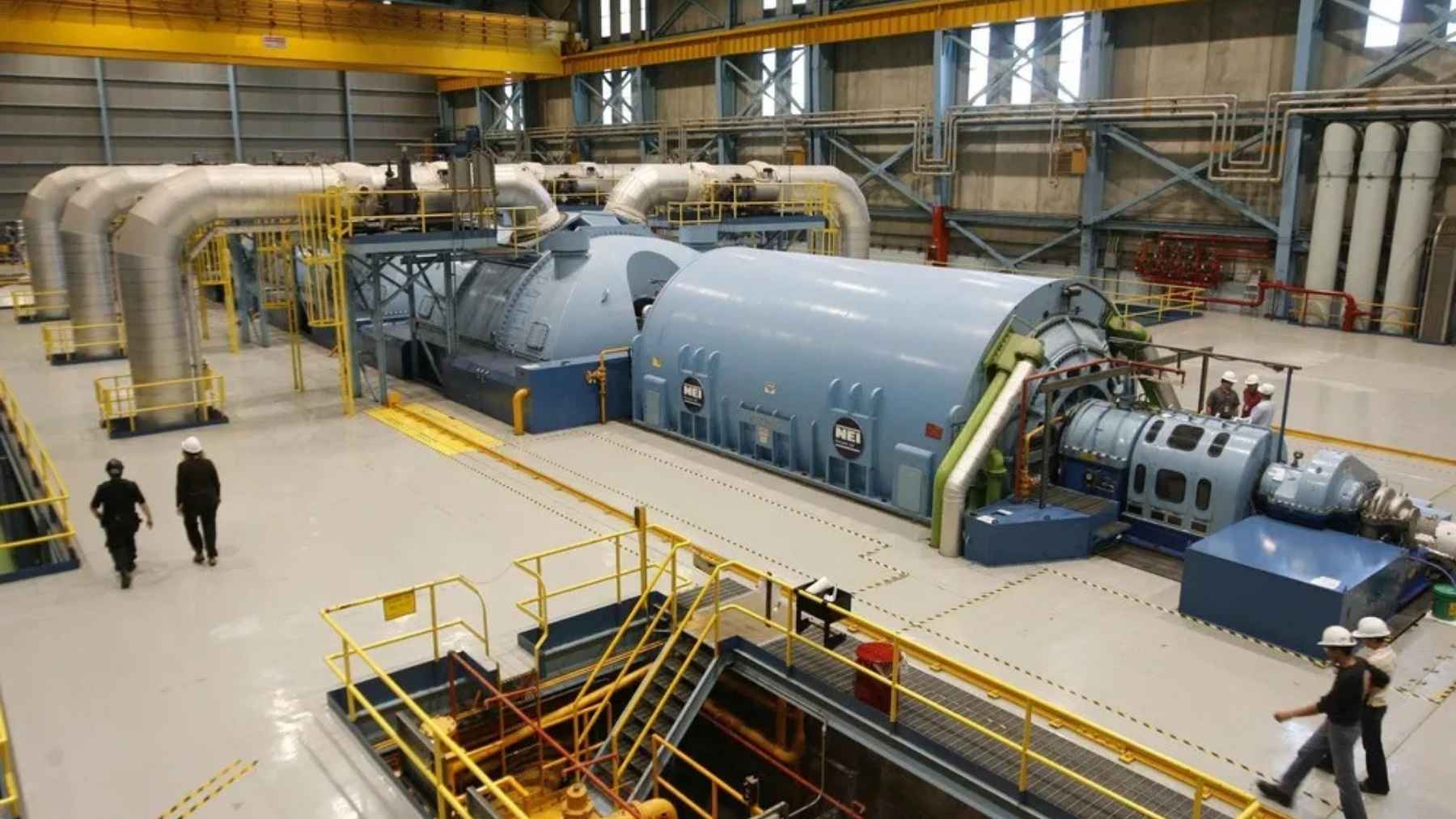
Point Lepreau is a CANDU reactor, Canada’s homegrown design, and CANDUs run on heavy water instead of the regular kind. Heavy water’s basically ordinary water built around a heavier form of hydrogen, and its job is to carry heat away from the reactor to boilers, where regular water gets turned into the steam that spins the turbines.
On its own, heavy water isn’t radioactive. After years circulating through an operating reactor, though, it picks up tritium, a radioactive form of hydrogen, and airborne tritium’s exactly what the monitors flagged on Sept. 10. So the detection side of the plant did its job, and frankly that’s the reassuring half of this story.
NB Power initially described the leak as small. Kathleen Duguay, the utility’s head of community affairs and nuclear regulatory protocol, went further on Radio-Canada, describing it in French as “just a few drops coming out of the instrumentation line,” in CBC’s translation.
So how do a few drops turn into 53 gallons?
NB Power spokesperson Tracey Stephenson gave CBC an answer on Sept. 22: most of the heavy water escaped as vapor rather than dripping out as liquid, so the total doesn’t look like what you’d expect from a liquid leak, and station systems recovered and collected it. The utility says the material stayed inside the reactor building at all times and that the leak posed no risk to workers, the public or the environment.
Not everyone loves how the information came out. NB Power’s Sept. 14 release announcing the shutdown said the station was being taken offline to repair a small instrumentation line, and it didn’t mention that anything had leaked.
Energy researcher Susan O’Donnell told CBC she’s concerned about how little the utility disclosed at first, and argued that anything short of full transparency around radioactive material erodes public trust. The Canadian Nuclear Safety Commission, which keeps inspectors stationed at the plant, says it knew about the leak from Sept. 10 onward.
The plant had barely gotten back to work
I’d argue those three days matter more than the gallons. Here’s the summer timeline, so you can judge for yourself. Point Lepreau, which is 43 years old, went into a planned maintenance outage on April 10 that was supposed to wrap up by Aug. 7. It didn’t.
As crews worked through startup on Aug. 21 and steam began circulating through the turbines, they spotted steam escaping around a reheater gasket on the conventional, non-nuclear side of the plant. NB Power kept the station running while it assessed the problem, then took it fully offline at the end of August to replace the gasket, framing the repair as insurance against surprises in the winter months, when it needs the plant most.
The station made it back onto the grid in the second week of September. Three days later, the tritium readings climbed and it was gone again. Joel Armstrong, Point Lepreau’s deputy site vice-president, told CBC the shutdown wasn’t driven by the size of the leak. The line sits in a spot workers can’t reach while the reactor is running, so fixing it meant taking the whole plant down.
Small parts knocking enormous machines offline is a bit of a theme in this business. We’ve covered three control rods dropping inside a Florida reactor, and Lepreau just added a blown turbine gasket and a 3/8-inch line to the list.
Downtime at Lepreau adds up fast
Point Lepreau supplies about a third of New Brunswick’s electricity when it’s running properly. NB Power rates the station at 660 megawatts net (705 gross), enough for more than 333,000 homes, and when it’s down, the utility leans on more expensive fossil-fuel plants or buys power from Quebec and Maine. NB Power executives have told the province’s Energy and Utilities Board that an unplanned outage at Lepreau costs about $1 million a day outside the winter peak.
That math got run before the leak even existed. In early September, a Telegraph-Journal analysis republished by NB Media Co-op estimated the gasket delay alone would likely cost about $50 million, which works out to roughly $127 for each of the utility’s 393,000 direct customers. Rates in the province have already climbed more than a quarter in four years. You can imagine how a second unplanned shutdown lands.
The plant’s track record doesn’t help. Lepreau averaged a 74 percent capacity factor between fiscal 2016 and 2025, against an industry norm above 90, which just means it produced about three-quarters of the electricity it theoretically could while most of its peers manage nine-tenths. Its worst year in the past decade came in at 27 percent.
NB Power isn’t blind to any of this. Its own annual report warned this summer that some major equipment at the station has run well beyond its typical 30-year design life and that “the aged equipment has the potential to cause a major outage due to sudden failure.”
The reactor’s core was largely rebuilt about 14 years ago, but many of the auxiliary components around it, including instrumentation lines, have been in place since the plant opened in the 1980s, Global News reported. Ontario utilities run multiple CANDU units side by side at sites like Darlington; New Brunswick has exactly one reactor, which is why every shutdown here shows up on people’s power bills.
NB Power hasn’t said what made the line fail. Armstrong told CBC that drawing conclusions this early would be premature while crews focus on a safe repair, and the utility hasn’t committed to a restart date beyond an official telling Global News the station is expected to stay offline for weeks.
As of Sept. 22, the Canadian Nuclear Safety Commission says no workers have been reported with radiation doses above regulatory limits, and the reactor that keeps a third of New Brunswick’s lights on is still sitting dark.