How do you get a brand-new, 850-foot ship into the water?
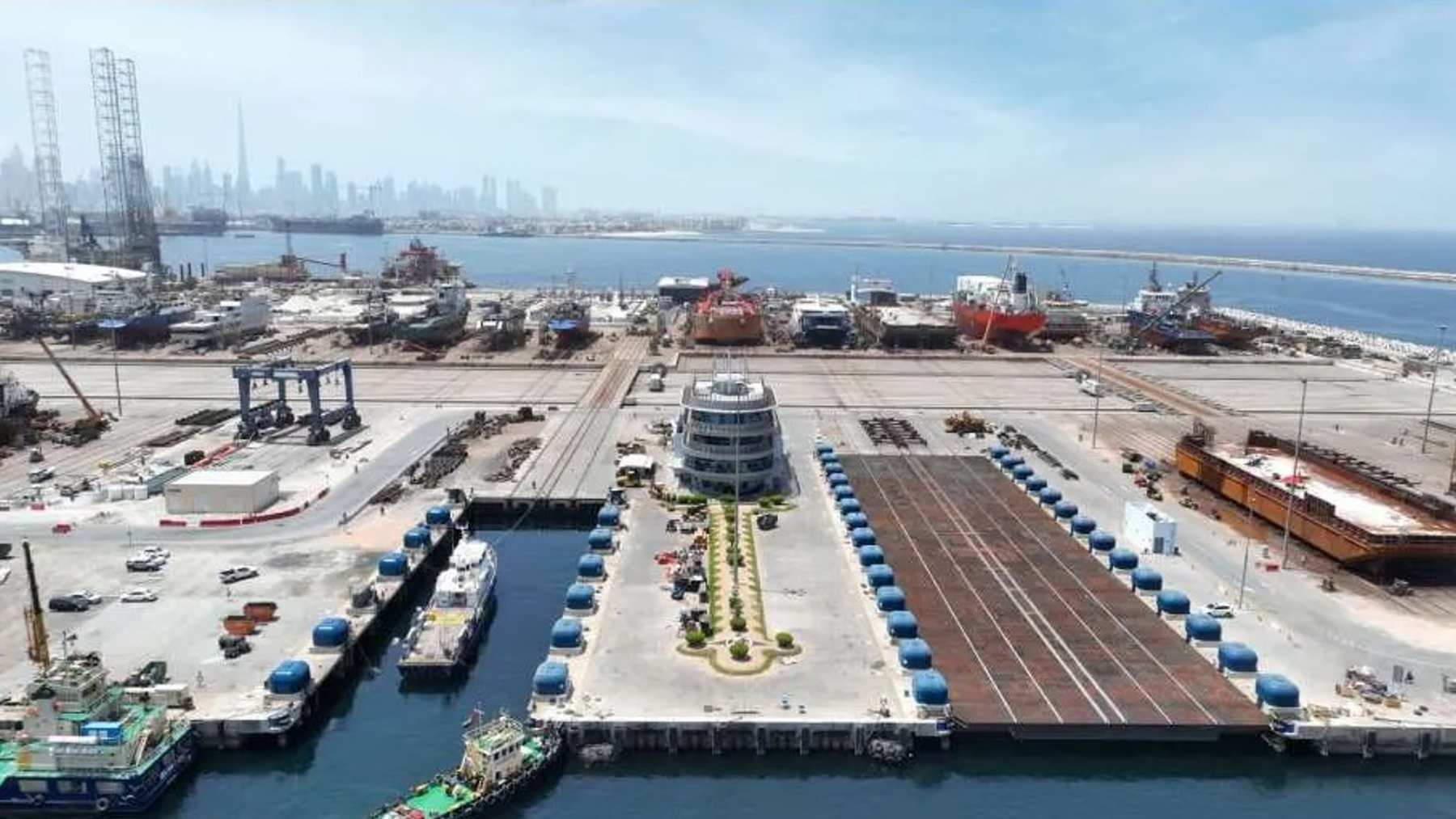
For generations, shipyards had pretty much had two answers. You build the hull on a sloped slipway and let it slide in, or you build it inside a dry dock, flood the dock, and float it out. Both definitely work. Both also tie up a big chunk of waterfront as long as that one ship sits there.
So when a company building a shipyard from scratch in Brownsville, Texas, says it doesn’t want to do either, it’ll need another way to get its ships wet. Saronic’s answer is a giant elevator.
The Texas company, which you probably know for its 180-foot Marauder drone ship, has hired Syncrolift, a Norwegian firm owned by Oslo-listed Nekkar, to design and supply the lift, and both companies say it’ll be the biggest shiplift on the planet. Nekkar announced it on November 12, and the contract is worth more than $100 million.
I’ll be upfront about one thing before we get into it. None of this exists yet.
Saronic broke ground on the yard, which it calls Port Alpha, on September 30, and gCaptain reports that final delivery of the lift is scheduled for 2028. So everything below is what the machine’s designed to do.
A shiplift is basically an elevator for ships
If you’ve never seen one, a shiplift is a big steel platform hung from two rows of winches, one row on each side of a water slot. All those winches turn together, so the platform stays level as it rises or lowers.
To launch a ship, you roll it onto the platform at ground level and lower the whole thing until the water’s deep enough for the hull to float off. Run it the other way, and you’ve got a way to pull a ship out for repairs. Syncrolift says on its shiplift page that it’s built more than 240 of these around the world, and that its brand name has more or less become the word people use for the machine. That’s pretty bold to say about yourself, but theirs was the original.
The Port Alpha version will be what Syncrolift calls a tandem shiplift, built around a rigid platform and run with condition monitoring and digital-twin controls. The release doesn’t really explain what “tandem” means here, and I’d rather not guess.
Digital twins are easier to explain. A digital twin is a software copy of the machine that’s fed live data from sensors on the real one. In theory, that lets the operators watch every stage of a lift as it happens, which you’d really want when there’s a finished ship sitting on top.
More than twice the next one, according to the companies
So how big is big, really?
The platform’s designed to be about 984 feet long and rated to lift about 73,855 tons. If you see 67,000 quoted elsewhere, that’s the figure in metric tons, which are a little heavier than ours. Saronic says the yard’s first phase will build ships up to about 850 feet long, so the platform has around 134 feet to spare on the biggest of them.
Both companies say it’ll be able to lift more than double what any other shiplift out there can handle. Neither named the runner-up, so you’ll have to take their word on it for now. Syncrolift is probably in a better position than most to know, given how many of these it’s put in. It also called this the biggest order in its history when it first disclosed the deal on November 4, without naming the customer.
gCaptain throws in one wrinkle. Later expansion could let the site handle ships over 1,200 feet, according to its report, which is longer than this platform, and neither company has explained yet how hulls that size would get into the water.
Why build ships on dry land?
I think the shiplift makes a lot more sense once you look at how the yard is supposed to work. In a traditional yard, a ship that’s being built in a dry dock owns that dock until it floats out. If you want to build four ships at once, you need four docks, and docks are pretty expensive holes in the ground. Port Alpha’s designed to work a bit more like a car plant. Big hull sections go together in a small number of large blocks, and the ships move from station to station on flat land while crews work on several of them side by side. When one’s finished, a transfer system rolls it over to the lift, and the lift puts it in the water.
According to Nekkar, that setup replaces multiple graving docks. That’s the industry term for the kind of dry dock you dig into the shore and flood. Saronic says building this way gets around the usual fight over dock time and shoreline, and gCaptain reports the company is aiming for up to 20 ships a year by 2035.
Doug Lambert, Saronic’s co-founder and chief operating officer, called the lift’s scope and scale “foundational to how the yard will operate.” And frankly, that’s the most interesting thing in this announcement. A record-breaking elevator is fun, but a shipyard that doesn’t need a dock for every hull is a much bigger deal if it works as advertised.
Port Alpha is still mostly a plan
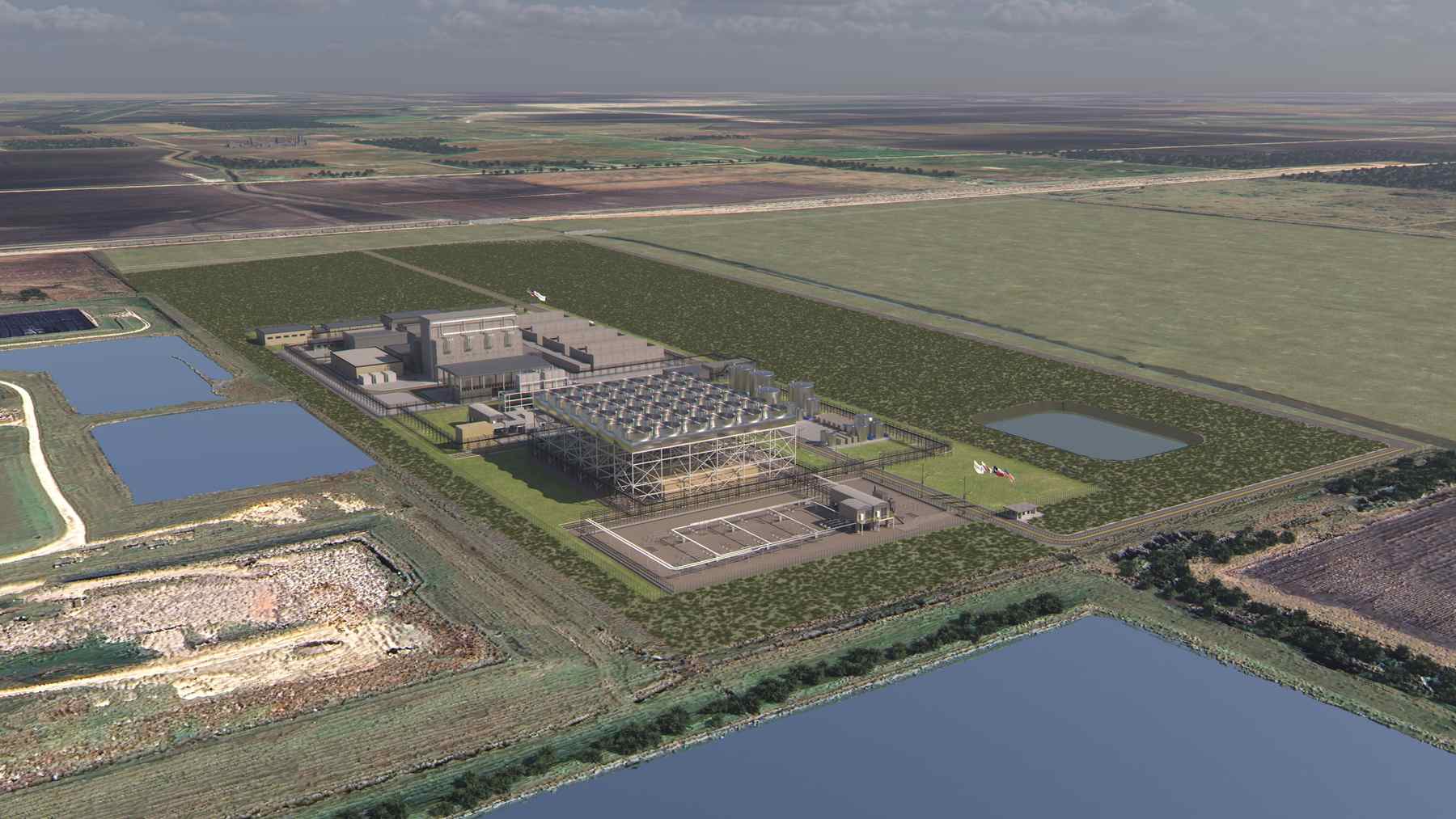
The yard’s just as big on paper. Saronic plans to spend more than $3 billion on Port Alpha, which starts out at 835 acres and could eventually stretch to nearly 4,400, and it says the site could one day employ as many as 10,000 people directly. The yard is set to turn out ships with and without crews aboard, for both commercial and defense buyers.
That’s a lot of promises stacked on a site that broke ground less than two months ago. I’d treat the jobs figure as a ceiling rather than a forecast, at least until there are buildings standing.
The shiplift contract does give the plan a big piece of named hardware with a price attached. Syncrolift will manage the project from Vestby, near Oslo.
If everything stays on schedule, Saronic wants Port Alpha running in 2028, and that’s also the year gCaptain says Syncrolift’s final delivery of the lift is due.