
If you keep a portable generator in the garage, you already know the math that comes with a long outage. You check how much gas is left, guess how many hours that buys you, and start deciding what you can live without so it’ll last until the power comes back.
Europe’s largest nuclear power plant just spent almost three weeks doing the same math. The difference is what’s plugged in on the other end: six reactors and the pools of used fuel sitting next to them.
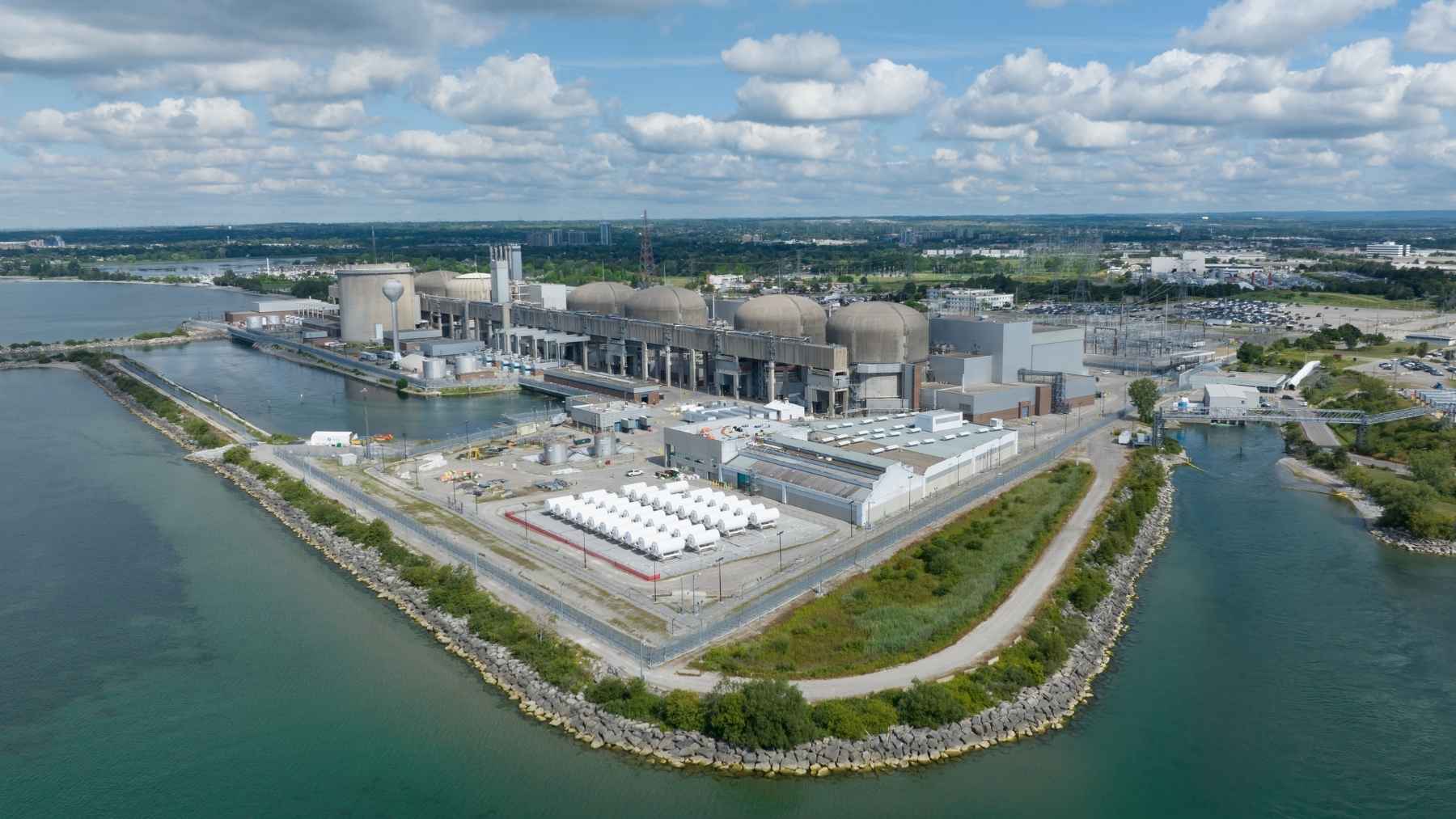
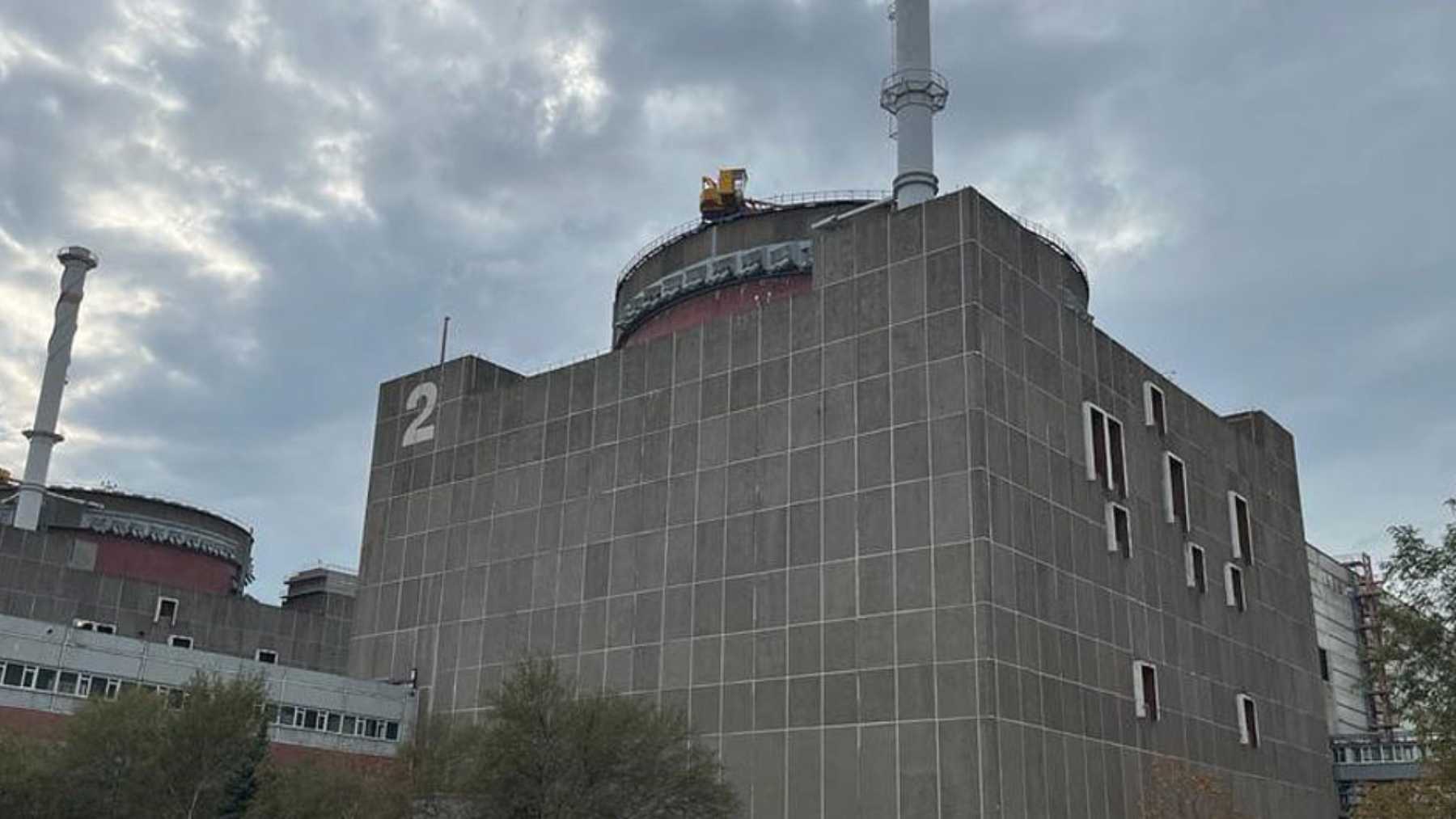
Russian forces have held the Zaporizhzhia Nuclear Power Plant since the first weeks of the war in Ukraine. On August 20, it lost its last working connection to the grid, and it ran on emergency diesel generators until the evening of September 7, when Ukrainian technicians finished repairing the line under a local ceasefire negotiated by the International Atomic Energy Agency (IAEA). By the end, the plant had cut back to two generators to save fuel, and its cooling pumps were only on part of the time.
The line’s back. But according to the IAEA, the generators have nearly run their tanks dry.
So why does a plant that isn’t making electricity need so much of it?
Every reactor at Zaporizhzhia is shut down, and the plant hasn’t sent power to the grid in four years. It doesn’t need a lot of electricity, but it needs it all the time. Nuclear fuel keeps giving off heat long after the chain reaction stops, because the radioactive leftovers inside it are still breaking down. If you stop moving water past that fuel, it’ll heat up, and moving water takes pumps that run on electricity. Lose the water or lose the pumps and you’ve got a problem, which is why a French plant recently shut reactors down by hand before jellyfish could clog its seawater intakes.
Normally that power comes in over outside lines. Zaporizhzhia had 10 of them before the war, according to the IAEA, and it’s now down to one that works, Ferosplavna-1. Its other line, Dniprovska, was repaired in June, but damage at its substation still keeps it out of service. When Ferosplavna-1 drops, the diesel generators are all that’s left.
Zaporizhzhia has 20 diesel generators
Twenty generators sounds like plenty. The IAEA team on site checked the fuel in most of their tanks a few days in. When the line dropped, every available generator started up automatically. The plant sent some of them back to standby, and seven kept running.
Then the fuel turned into the problem. About a week in, the plant told the IAEA it had about 10 days of diesel on site, which happens to be the minimum its regulations require. The last delivery to its off-site fuel depot came in March, and the next one was reportedly held up by fighting nearby. IAEA staff did watch several dozen tons of diesel get trucked in from other storage sites near the plant that same week. Even so, the agency’s director general, Rafael Mariano Grossi, warned the plant could be looking at a total blackout once that ran out, unless the line came back or more fuel showed up.
Ten days is a pretty thin cushion, so the plant started switching things off. It eventually cut from four running generators to two, which also cut its available power in half, according to the IAEA. Operators then ran the cooling pumps on and off instead of nonstop, while still holding temperatures steady in the reactors’ main cooling loops and the spent fuel pools.
The IAEA hasn’t said exactly when the plant went from seven generators to four, and it hasn’t put a number on how many gallons are in the tanks right now. Grossi didn’t mince words about the pumps, though. He said no nuclear plant “should have to reduce the operation of essential cooling systems” to save diesel, which is about as close to alarmed as the agency’s statements get.
So what happens if the diesel runs out?
You’d get what the industry calls a station blackout, meaning the plant loses outside power and its generators at the same time. That’s roughly what went wrong at Fukushima, where the tsunami flooded the backup generators right after the reactors had shut down.
Zaporizhzhia’s in a much better spot than that. The IAEA says the long shutdown has left far less heat in the fuel than an operating reactor carries, so it’d take a lot longer for anything to get damaged if everything went dark. During the plant’s month-long blackout last fall, Bellona, a Norwegian environmental group, estimated each reactor was giving off no more than 800 kilowatts of leftover heat, against the 3,000 megawatts of heat each one was built to produce. That’s still about what 530 space heaters put out on high. But it’s a sliver of what the reactor was built to handle, and it’s probably a big part of why running the pumps in shifts was an option at all.
That doesn’t mean anyone should relax. Energoatom, the Ukrainian state company that ran the plant before the occupation, warned earlier this month that the generators had spent more than two weeks as the plant’s main power source, which isn’t what they’re designed for. It said all the starting, stopping and load switching made it more likely the automatic start systems would fail. It also flagged the risk of what engineers call a common cause failure. Basically, that’s a single problem, like the same worn part or the same bad batch of fuel, knocking out several backup machines at once, which kind of defeats the point of having 20 of them.
The plant’s been trying to buy itself some time, too. Earlier in August, before this blackout, it raised the water level in all of its spent fuel pools so the water would take longer to boil if cooling ever stopped, according to the IAEA. A few days before the repairs started, IAEA staff also watched the plant bring in a spare diesel generator on wheels, plus a diesel-powered pump that can serve the spent fuel pool of one reactor.
The diesel still comes in by truck
This wasn’t the plant’s longest stretch without outside power. Last fall it went a full month, and during that outage the plant told the IAEA that regular deliveries were keeping over 10 days’ worth of fuel on hand. This time, its off-site fuel depot is reportedly out of diesel, according to the IAEA, and the agency hasn’t been able to visit it in about a year and a half, with the plant citing security.
Which means any new fuel’s got to come through an active war zone, and that’s arguably the weakest link in the whole setup. On September 13, Alexei Likhachev, who runs Rosatom, Russia’s state nuclear company, claimed Ukrainian forces had hit the trucks that deliver diesel to the plant two days earlier, killing two Russian servicemen, Reuters reported. Reuters also pointed out that both sides regularly accuse each other of endangering the plant. The IAEA’s next update doesn’t mention it, and I couldn’t find anything that independently confirms the attack.
If you read our piece on the Pentagon’s shipping-container reactor, this is exactly the fuel-convoy headache it’s supposed to solve for remote bases. Winter won’t help, either. The IAEA says the plant may also need diesel this season for mobile boilers that supply district heating (hot water piped out to heat nearby buildings) and for diesel steam generators that support its wastewater treatment.
The IAEA counts this as the 26th time the plant has lost all outside power since the war began. Energoatom puts it at 27. Either way, I wouldn’t bet on this being the last time those generators get a workout.
In its September 17 update, the IAEA said Ferosplavna-1 was still working, and Grossi called for more diesel to be delivered to the site.