- 9 MONTHS AGO · ELECTRIC VEHICLES (EVS)Tesla Robotaxi prices rise in Austin as Elon Musk pushes expansion despite safety concerns and limited vehicle availability
- 6 MONTHS AGO · ELECTRIC VEHICLES (EVS)Tesla Finally Expanded Robotaxis to Two More Cities — Good Luck Getting One Before You Order Waymo
- 6 MONTHS AGO · ELECTRIC VEHICLES (EVS)BYD Just Built an Off-Road SUV That Can Drive Forward With One Wheel Lifted Off the Ground. Ford, Jeep and Rivian Can’t Build Anything Close
- 4 MONTHS AGO · ELECTRIC VEHICLES (EVS)While one American company runs half a million driverless rides a week using cameras, lidar and radar together, the other has logged 14 crashes in about 800,000 miles of robotaxi service with a paid human sitting in the front seat
- TODAY · THIS ARTICLEWe Finally Got Close to a Tesla Cybercab. The Build Quality is Auful
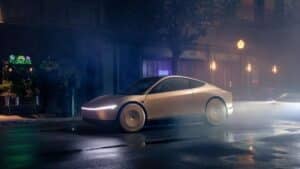
The Cybercab may be Tesla’s most hyped product ever. The driverless vehicle aims to revolutionize both the business and transport worlds, giving people with savings a side business they can easily invest in, and members of the public cheap on-demand transport.
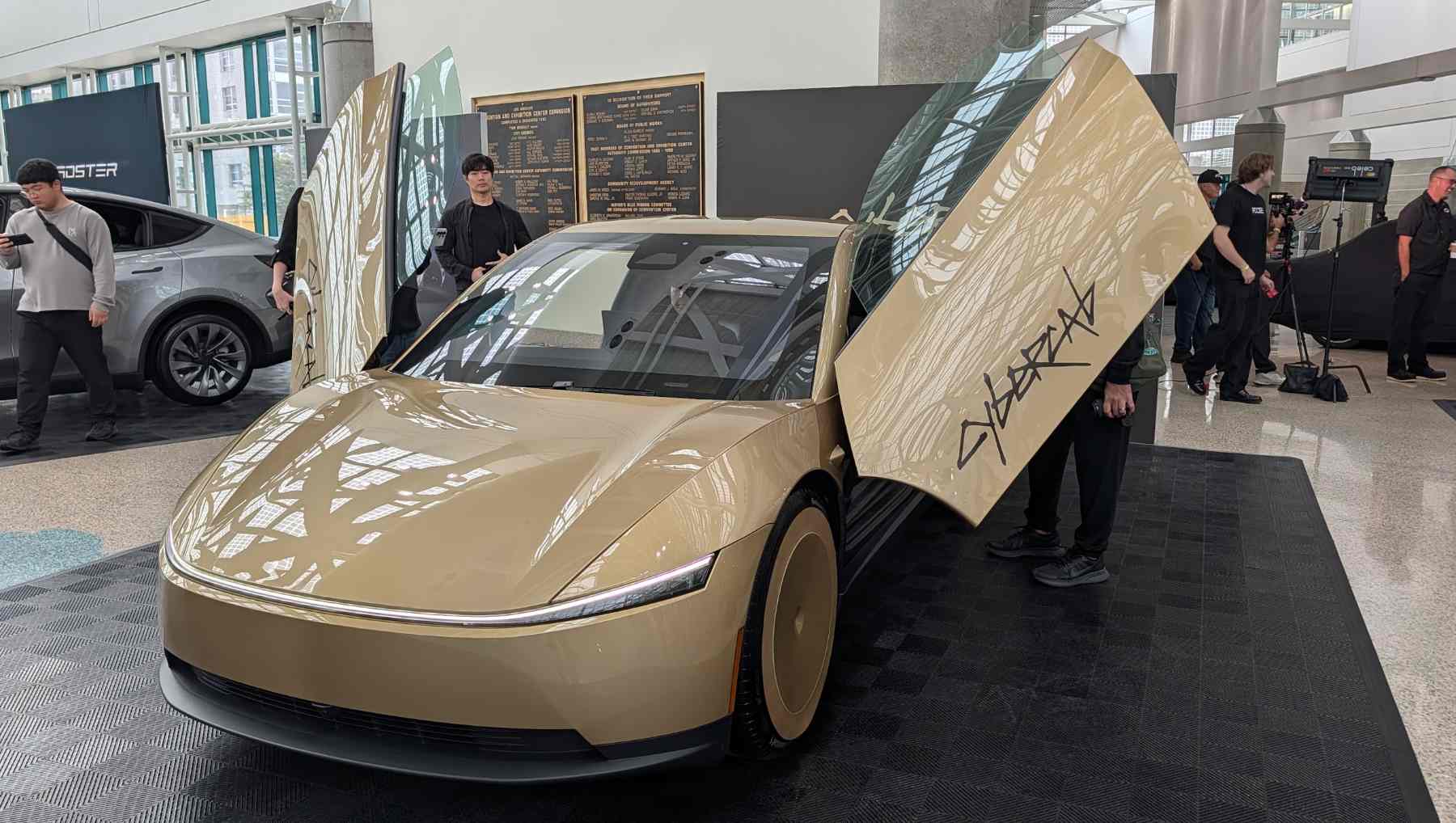
During the LA Auto Show, Tesla had several vehicles on display at the entrance to the convention center’s South Hall. Which means we at AutoNotion had a chance to get close to the Cybercab for the first time.
It is worth noting that his was a display model, and the final Cybercab may end up being completely different. But if you’re going to wheel something out in front of a bunch of automotive journalists and thousands of members of the public you’d think some effort would be put into it? The thing we saw was in a pretty bad state, and it doesn’t bode well for the final product.
The outside seems to be plastic
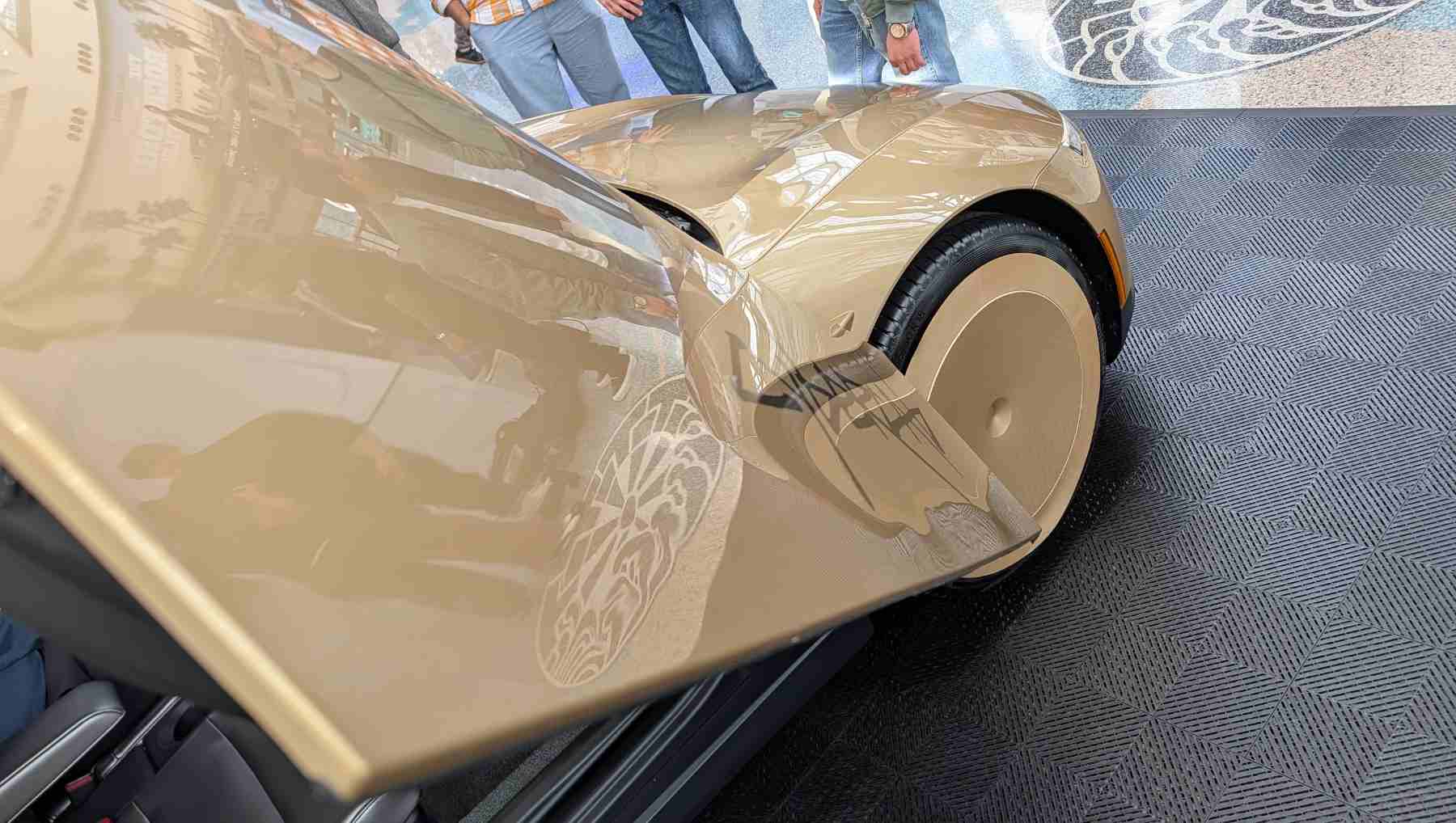
According to Tesla, the Cybercab is meant to be clad in metal. This one wasn’t. Many of the Cybercab’s issues stem from the fact the outside seems to be made from a shockingly cheap, thin, plastic. Which means the tacks to hold the panels on are visible, everything flexes, and the overall feel of it is horrendous.
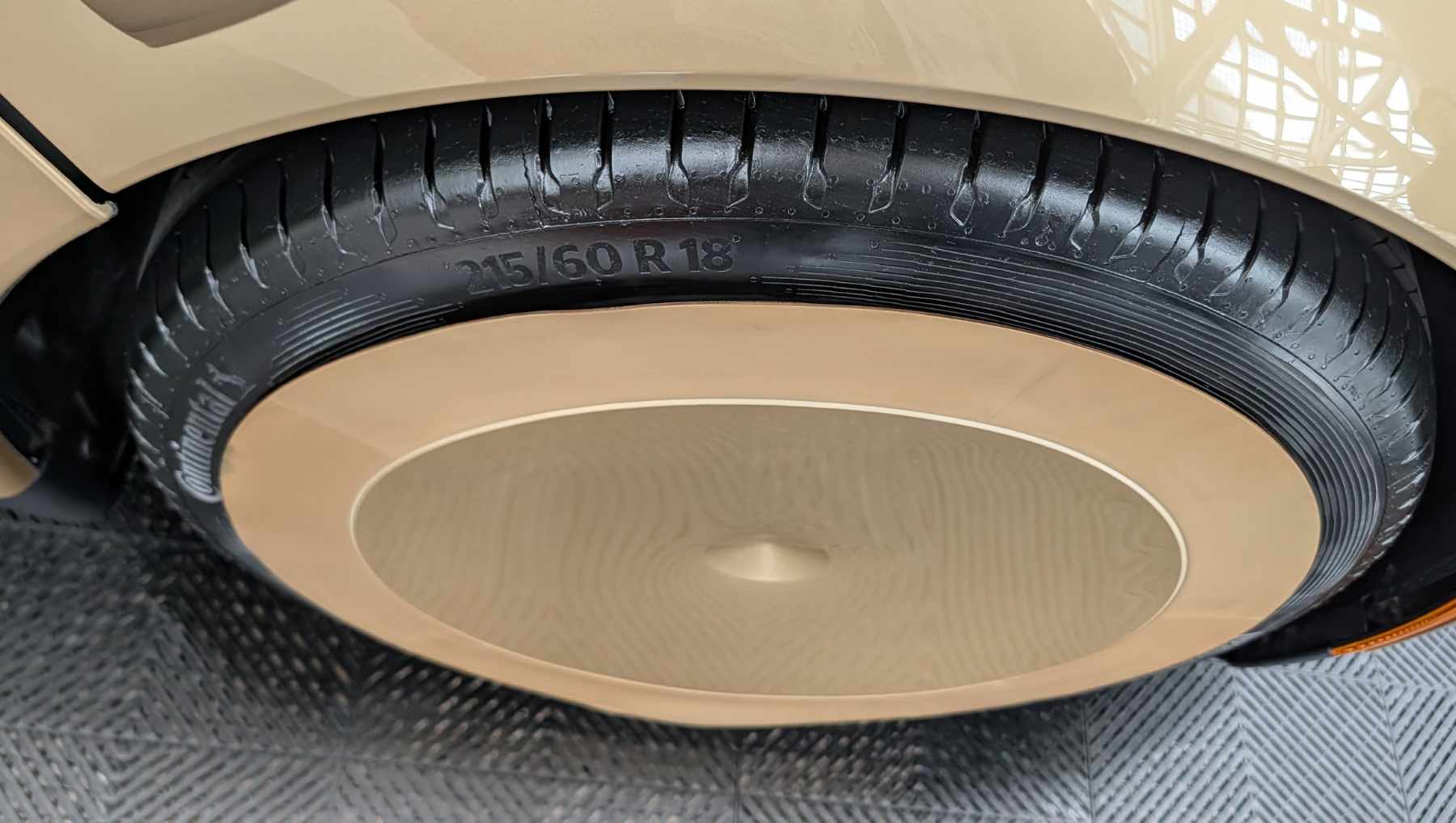
In fact, this is what allowed us to first spot the quality control issues with the display model. There’s a lot of harsh lighting at auto shows, and when light makes its way across one of the Cybercab’s panels various dents and dips become very visible.
The cheap plastic is most apparent with the hub caps, which don’t even fit properly. Instead you get this warped, uneven, very cheap looking disk.
The interior isn’t much better
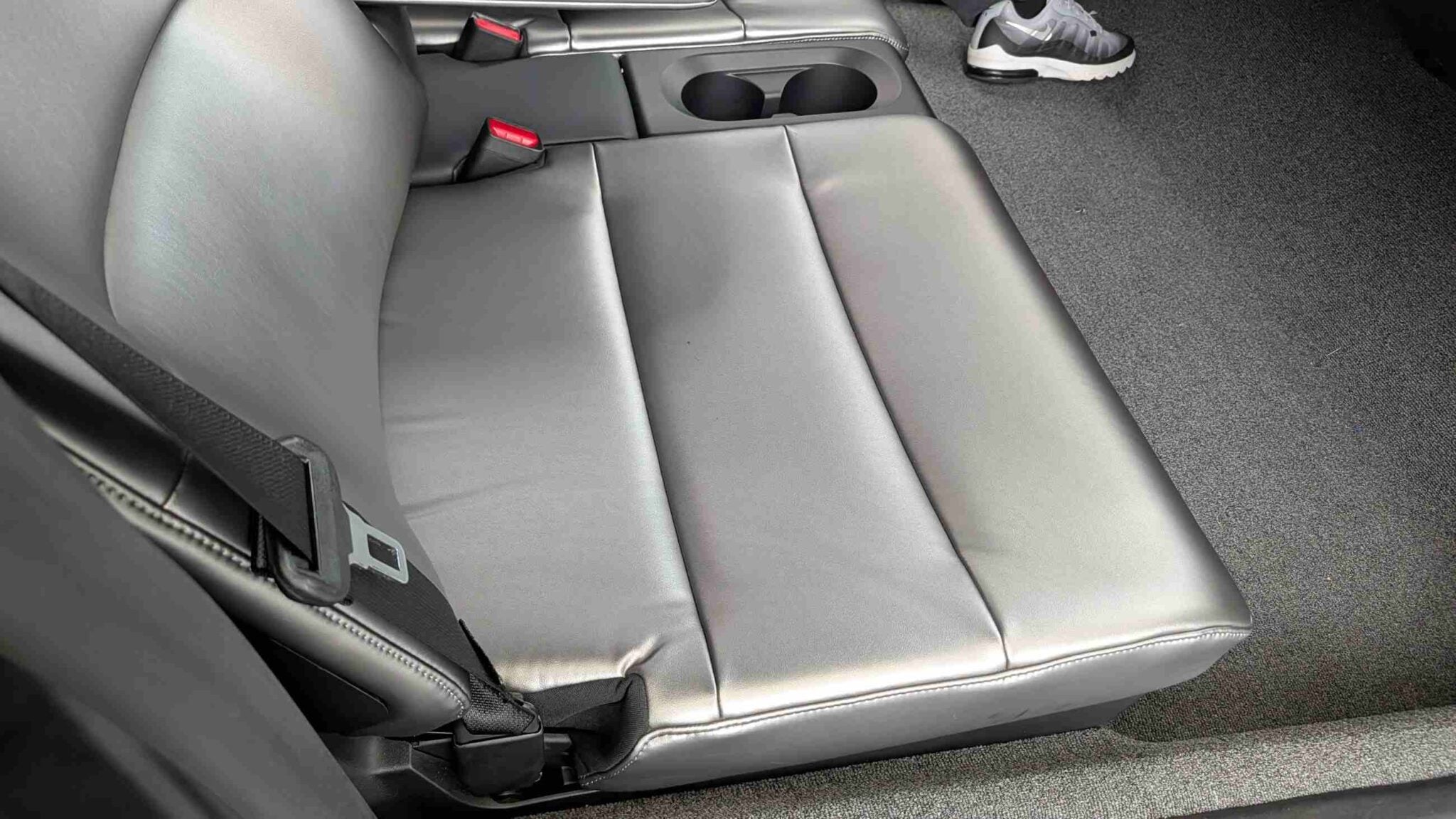
If Elon Musk is telling the truth then the Cybercab may be hitting the market for less than $30,000. This puts it among the more affordable vehicles on the road, despite the technology backing it and the business potential it holds.
While the MSRP could be an underestimate, like we saw with the Cybertruck, or things like a subscription model may be used to top it up long term, the vehicle is very cheap on paper. Which means corners have to be cut. A lot of the time, this means you’re going to get a bad interior.
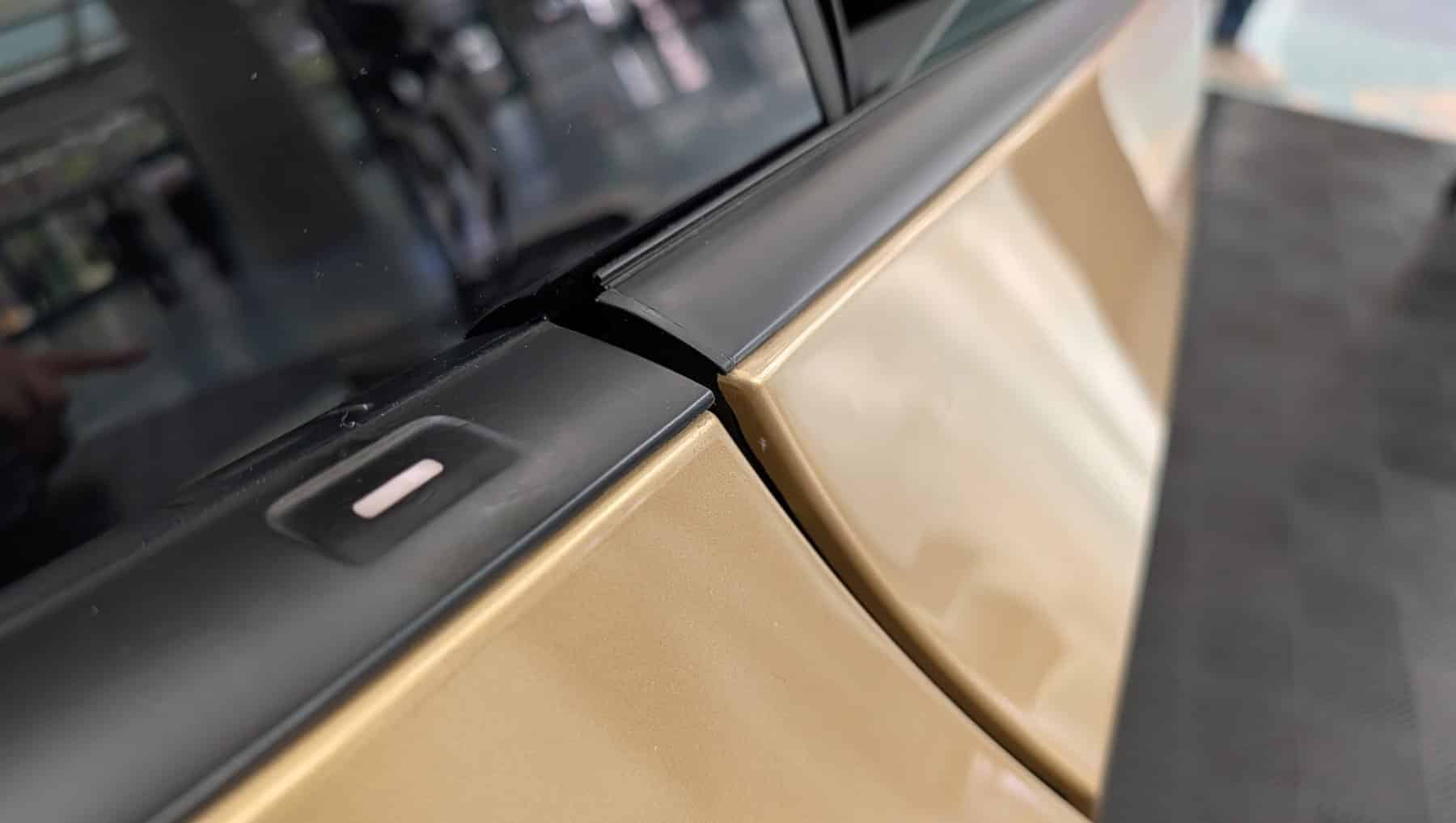
And my god, the Cybercab’s interior is awful. Ignore the fact that the whole thing consists of a couple of seats and a driver’s display on the dashboard. This is already cheaping out to an extent, the low cost of displays is why you’re seeing fewer physical buttons in road cars these days. Instead, let’s focus on the materials used.
The dash is a horrendous plastic, the carpet reminds me of school in the 1990s, and don’t get me started on the upholstery. It’s made from the sort of material you’d expect an alien’s jumpsuit in a zero-budget 1980s B-movie to be made from. An awful, extra thick garbage-bag level plastic with a less than reassuring shine.
The finish just isn’t there
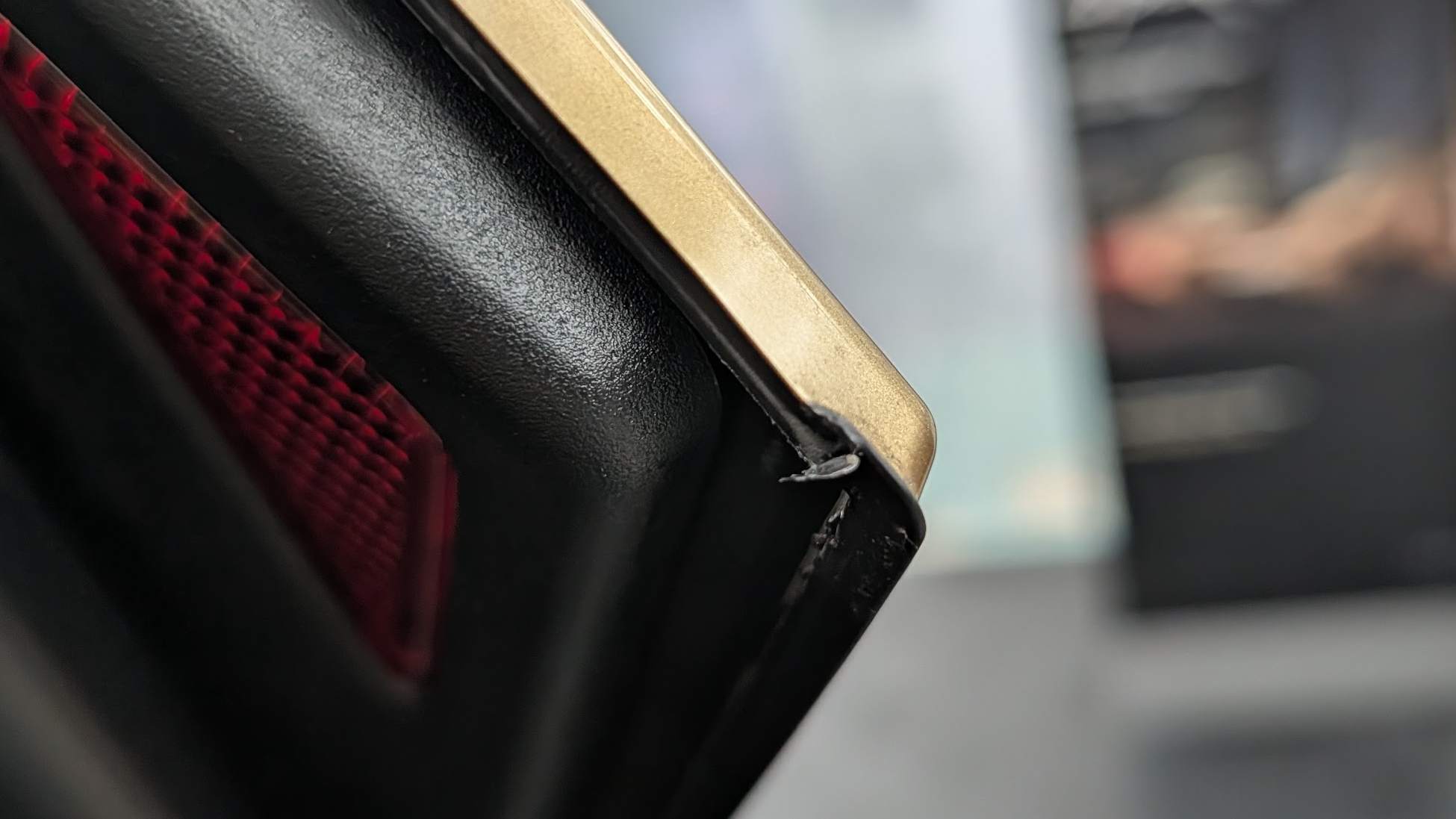
The worst quality control issues are not exclusive to the Cybercab. In fact, they’ve plagued Tesla since day one. The panels don’t quite line up, the door itself seems poorly fitted, and there are other little quality control issues like stringy bits of plastic that should have been trimmed throughout.
Basically, the entire quality control step seems to have been skipped. Instead of giving the vehicle a thorough lookover and fixing any minor issues, someone seems to have stood about ten feet away, said “that’ll do” and proceeded to wave it through.
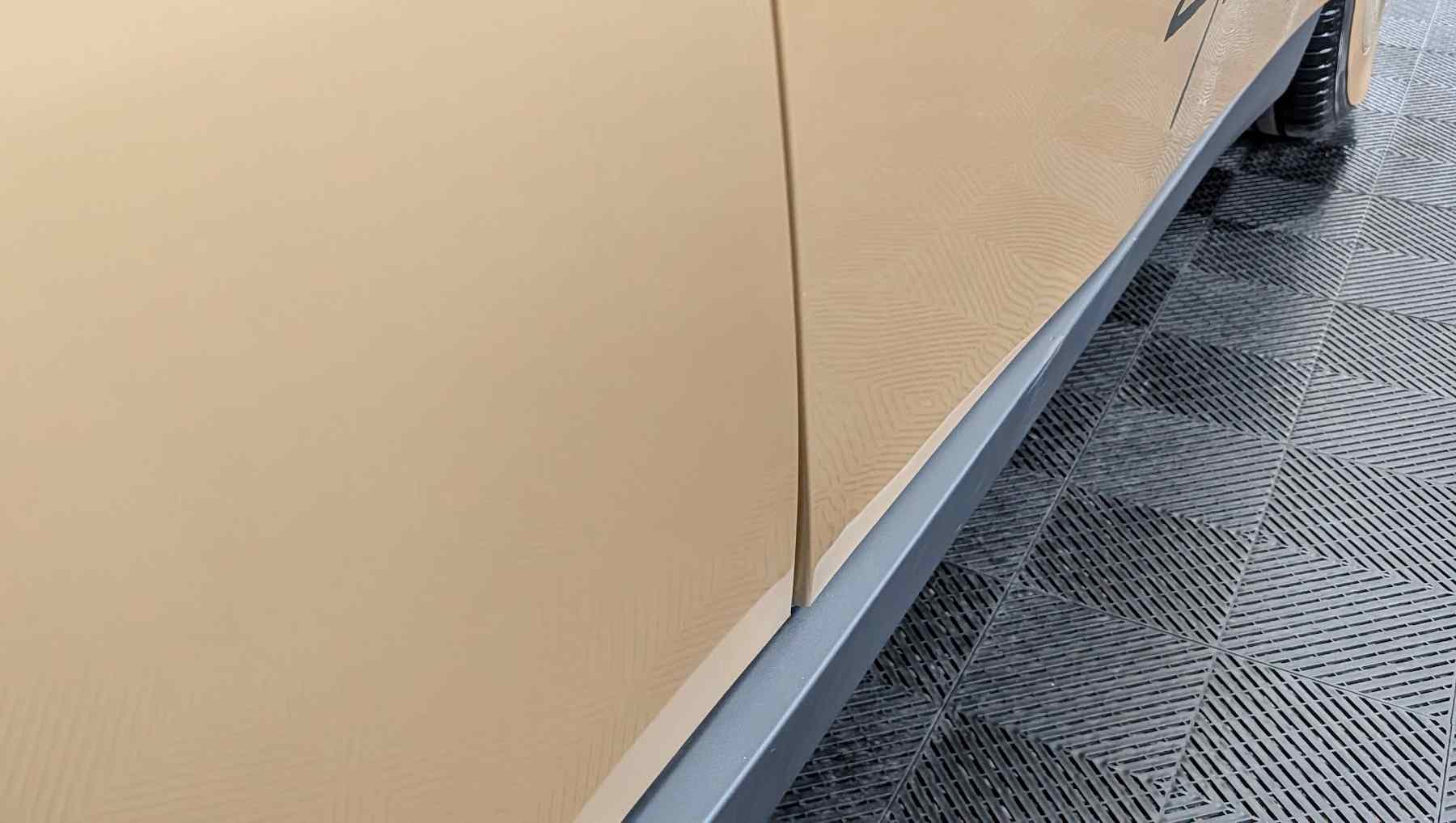
Now you could argue that this is just a prototype, and issues are bound to surface that won’t show up in the final product. I would like to counter that by saying, this is a display model at a major auto show. It’s the first time a lot of people, including journalists, will get to put their hands on one and look at it up close. If any Cybercab anywhere ever should be utterly perfect, it’s this one. The fact it looks like it was hastily assembled from whatever it is they make Kinder Egg toys out of does not bode well for the final product.
 We got some early looks at the $30,000 Tesla Cybercab ahead of its alleged April production – and it definitely looks like it costs $30,000News · 8 months ago
 The Tesla Cybercab Has Already Crashed 8 Times, And That’s With Them Driving Slow AF. Now, Tesla Is Selling Them To The PublicElectric Vehicles (EVs) · 4 days ago
 The Tesla Cybercab Had An Accident in Austin, Likely Because It Has No Lidar SensorsElectric Vehicles (EVs) · 1 month ago