
Nuclear construction in America has a reputation, and it’s not for speed. The last two reactors this country managed to finish, Vogtle 3 and 4 down in Georgia, needed about 15 years to get from license paperwork to selling power. And I’d argue the delays hurt nuclear’s image more than any protest ever did. Utilities watched that saga and quietly filed new reactors under “maybe later.”
So here’s a sentence I didn’t expect to type: a federal regulator just cleared a brand-new reactor four months ahead of its own schedule. Four months early!?
Speechless.
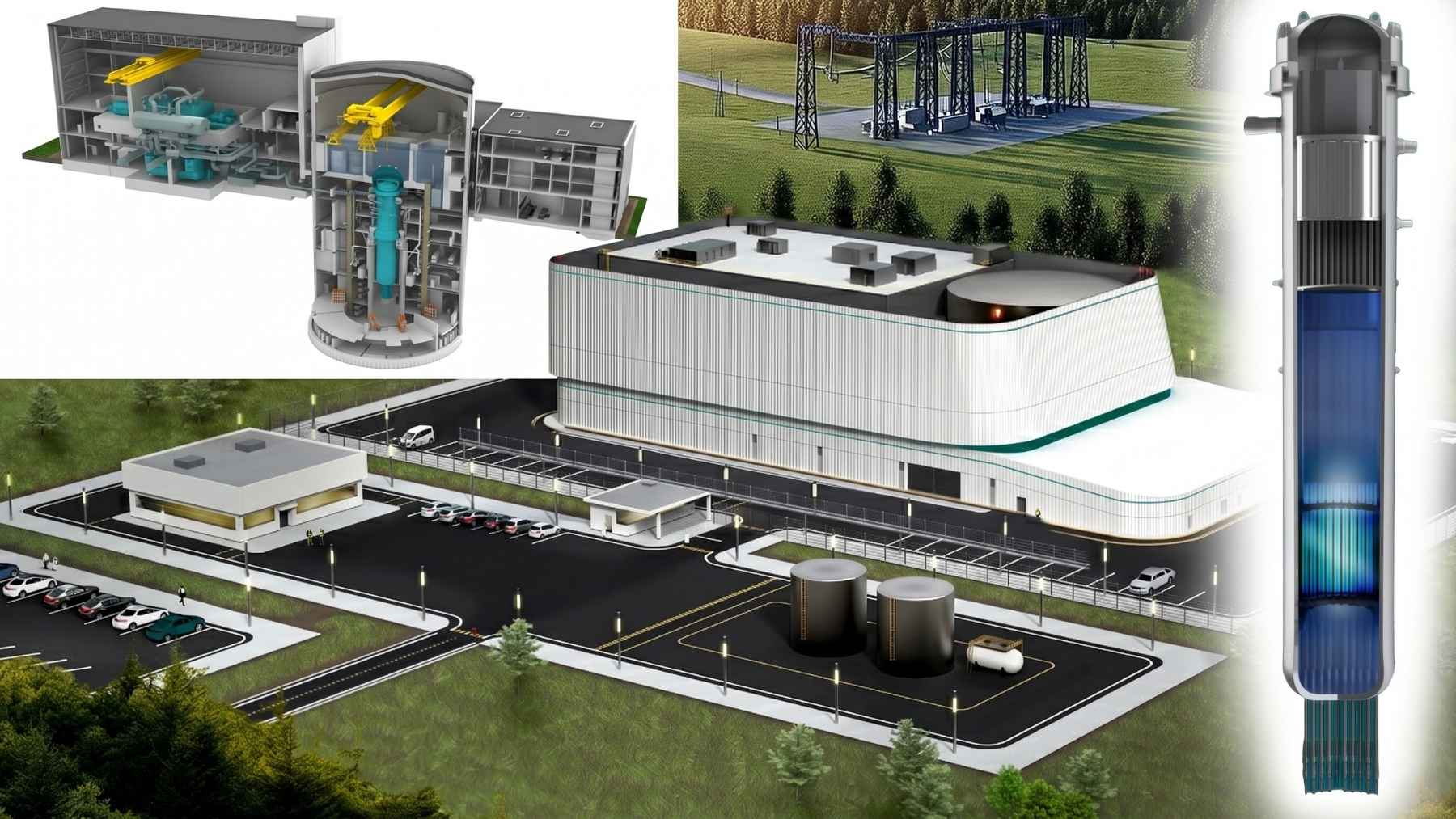
On September 29th, the Nuclear Regulatory Commission announced it had issued the Tennessee Valley Authority a construction permit for a 300-megawatt BWRX-300 small modular reactor at its Clinch River site in Oak Ridge, Tennessee. It’s the first construction permit the agency has ever issued for a commercial small modular reactor, and the whole review took 14 months. We covered this project back in June, when it was an application and a target date. Now it’s a permit with a number on it.
So what did TVA actually get?
A construction permit does exactly what the name says… And nothing more. TVA can now build the reactor, but it can’t run it. Before anyone loads fuel, the utility has to go back to the NRC for a separate operating license, which is its own application and its own review. Basically, it’s a building permit for a restaurant that doesn’t include a license to serve food.
The paper is just as specific. The permit, numbered CPAR-2, carries a September 28 date, took effect immediately, and lists September 30, 2032 as the latest date for completing construction. TVA submitted its application in two parts on April 25th and May 20th of 2025, and the NRC formally started the clock that July. Fourteen months later, the safety evaluation was done (the staff wrapped it up in June), a public hearing had been held in Oak Ridge in August, and the permit was out the door.
“Four months ahead of schedule is what the new NRC looks like,” NRC chairman Ho K. Nieh said in the announcement. A quote that should be stitched into a pillow.
Part of the head start was baked in years ago. TVA has held an early site permit for Clinch River since 2019, covering up to 800 megawatts of reactor capacity on that site, so the NRC didn’t have to relitigate the site itself. And it’s the second new-reactor permit the NRC has signed in 2026, after TerraPower’s sodium-cooled Natrium picked up its own in March.
The machine moves its own cooling water
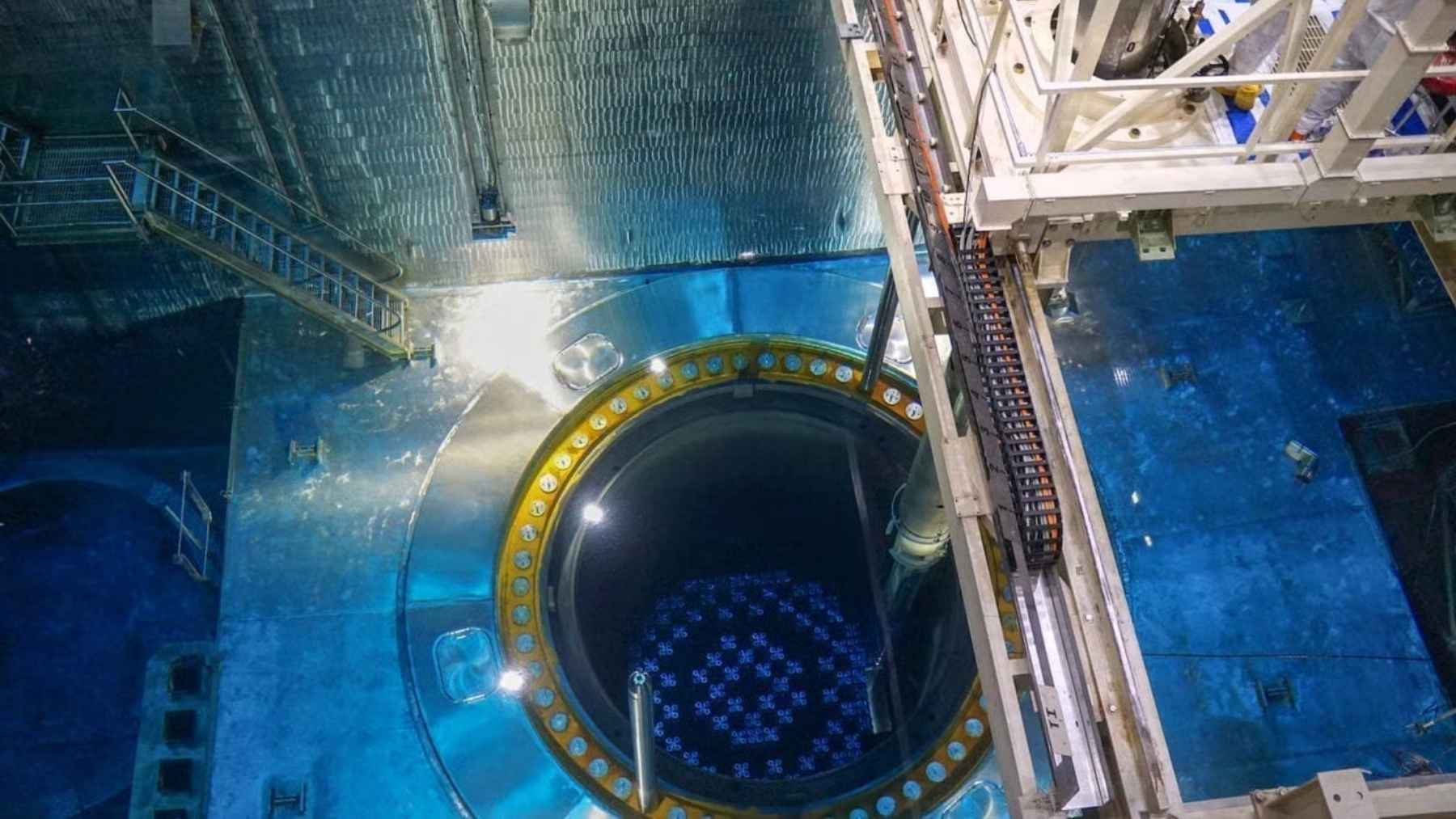
The BWRX-300, from GE Vernova Hitachi, is a boiling water reactor, the same basic species that’s been making power on the US grid since the 1970s, shrunk down and heavily simplified. The signature piece is the cooling. A conventional boiling water reactor uses big electric pumps to push water through the core. This one lets the water circulate on its own: hot water rises out of the core, cools, sinks, and comes around again, for the same reason the water in a pot on your stove starts moving before you ever stir it. Deleting the recirculation pumps means fewer parts that can break, lose power, or need their own safety case.
GE Vernova Hitachi called the permit the first ever issued in the US for a BWRX-300, and noted that another company, Blue Energy, filed the first part of its own application in September for one in Texas. Which is the entire point of going first: the second applicant gets to walk a path somebody else already cleared.
This riverbank has heard big promises before
There’s a piece of history nobody at the podium brought up. The federal land TVA is about to build on is the old Clinch River Breeder Reactor site. If you weren’t around for that one, you’re forgiven. It never got built.
The breeder was proposed in 1970 at an estimated cost of about $400 million, pitched as the machine that would stretch America’s uranium supply for centuries. The NRC’s own 1977 environmental review had construction finishing in 1981 and startup in 1982. Instead, the price kept climbing, Congress’s own auditors eventually pegged the total cost at $8 billion, and the Senate killed the project 56 to 40 on October 26th, 1983, with roughly $1.6 billion in federal money already spent and no reactor to show for it. The argument alone ran for 13 years.
Everything takes forever when it comes to nuclear construction, apparently. Even arguments.
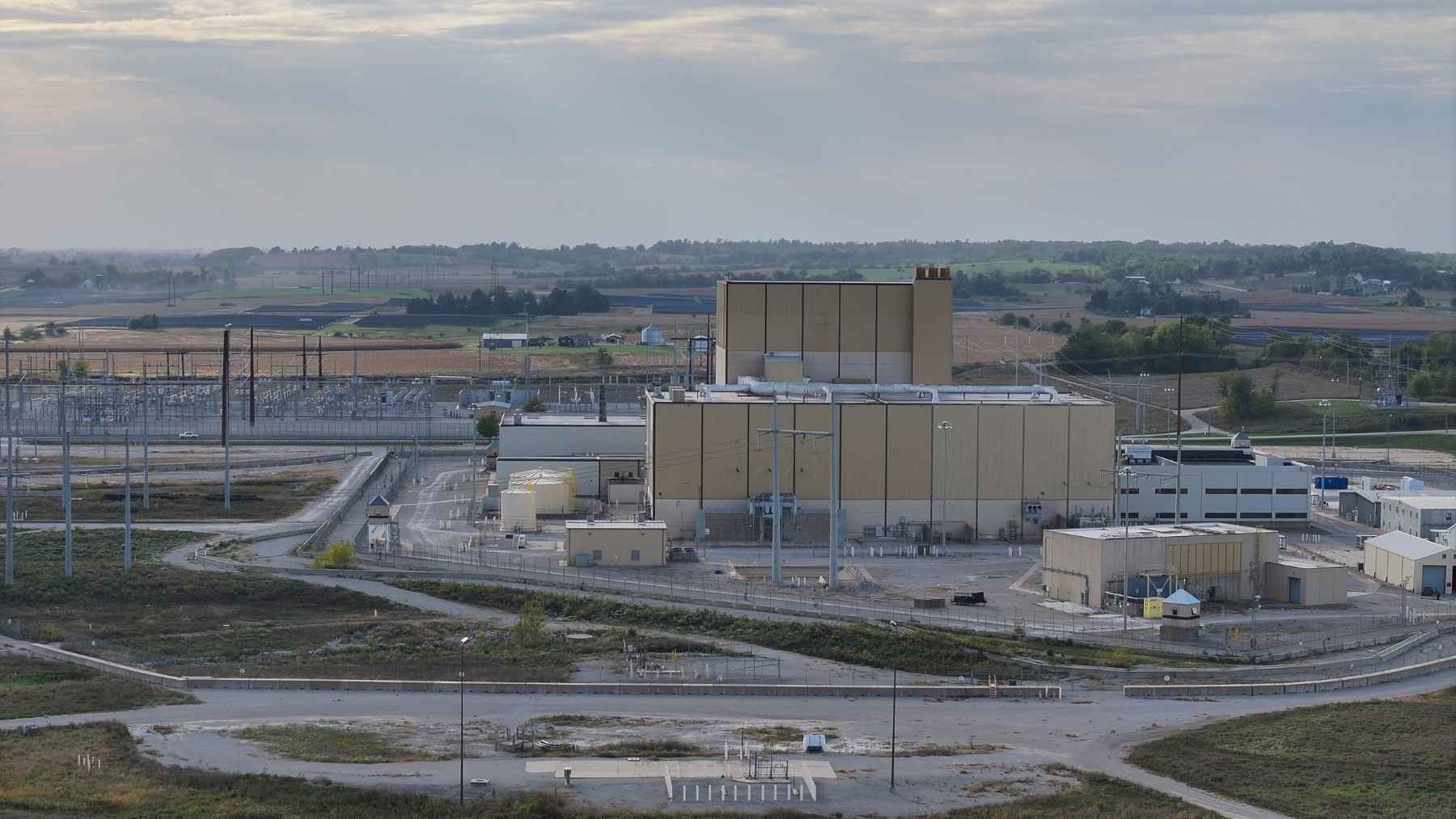
So the riverbank where Washington once promised the future of nuclear power now holds the first commercial small reactor permit in American history. And Oak Ridge is a strange place to watch it happen, because a few miles away crews are busy stripping a retired research reactor for demolition while this new one gets its green light.
So when does construction start?
That’s the number nobody handed out. TVA hasn’t announced a construction date, which is a slightly odd thing to omit from a celebration of a construction permit. The utility’s interim president and CEO, Mike Skaggs, called the permit “foundational for America’s nuclear future,” and said his priority is keeping first-of-a-kind costs off the bills of TVA’s own customers. Fair enough, and also not a date.
My read is that the 14-month review matters more than any single reactor, because it’s the first hard evidence in decades that American nuclear licensing can run on a schedule, and blown schedules are arguably what froze utilities out of nuclear in the first place. One data point isn’t a trend. But the data point before it was Vogtle, at about 15 years.
For now, the facts on the table are these: the permit the NRC signed on September 28 gives TVA until September 30th, 2032 to finish building Clinch River Unit 1, and the operating license that would let it start up is a separate review still ahead of it.