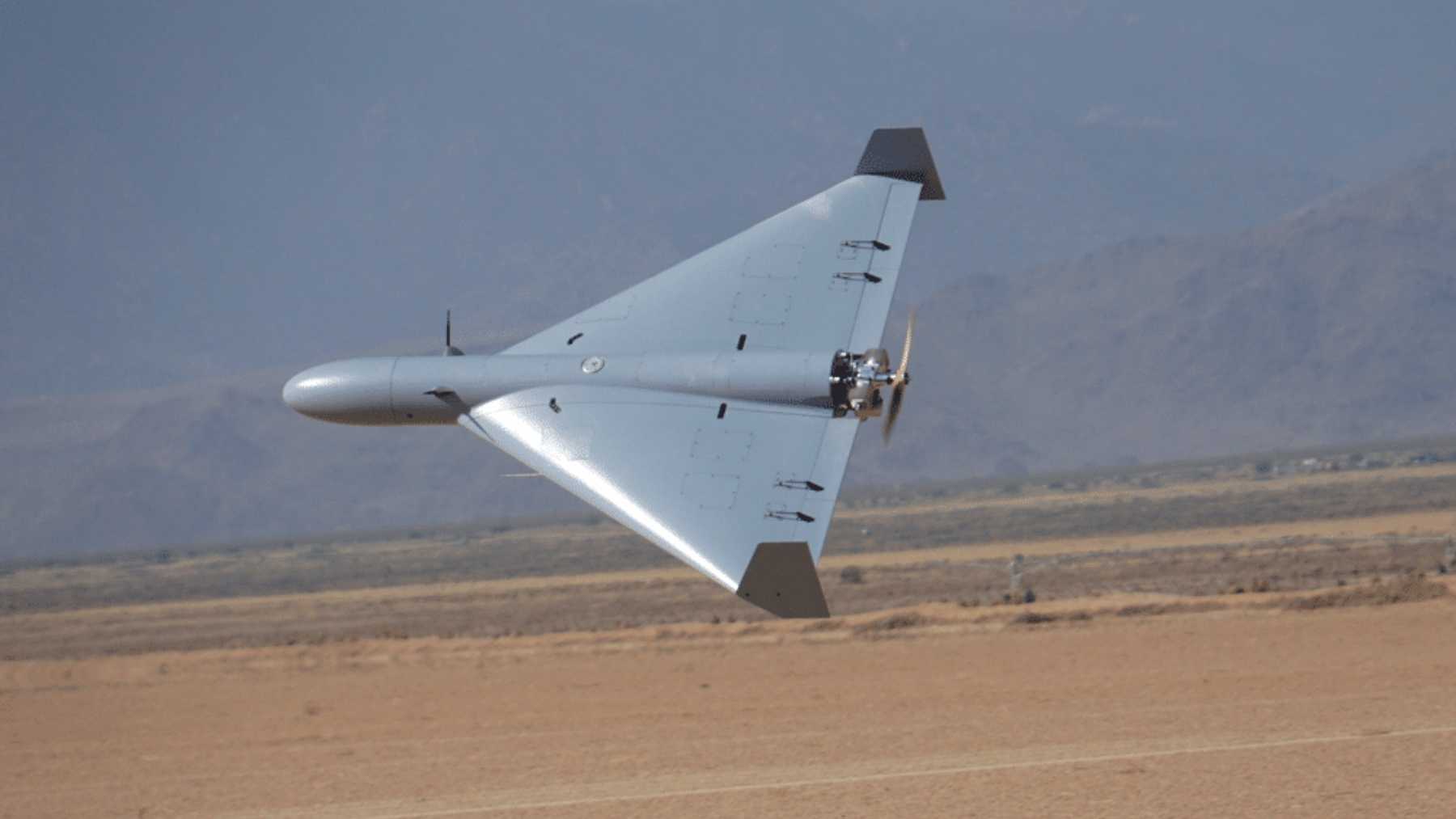

If you’ve spent any time reading about the war in Ukraine, you know the Shahed-136. It’s the Iranian delta-wing drone that Russia has thrown at Ukrainian cities by the thousands, cheap enough to lose in bulk and nasty enough to matter. What you may not know is that the US military liked the concept enough to build its own copy. And on Saturday, September 19, a charter fishing boat out of Pensacola, Florida, hauled one of those copies out of the Gulf of Mexico along with the day’s mahi-mahi.
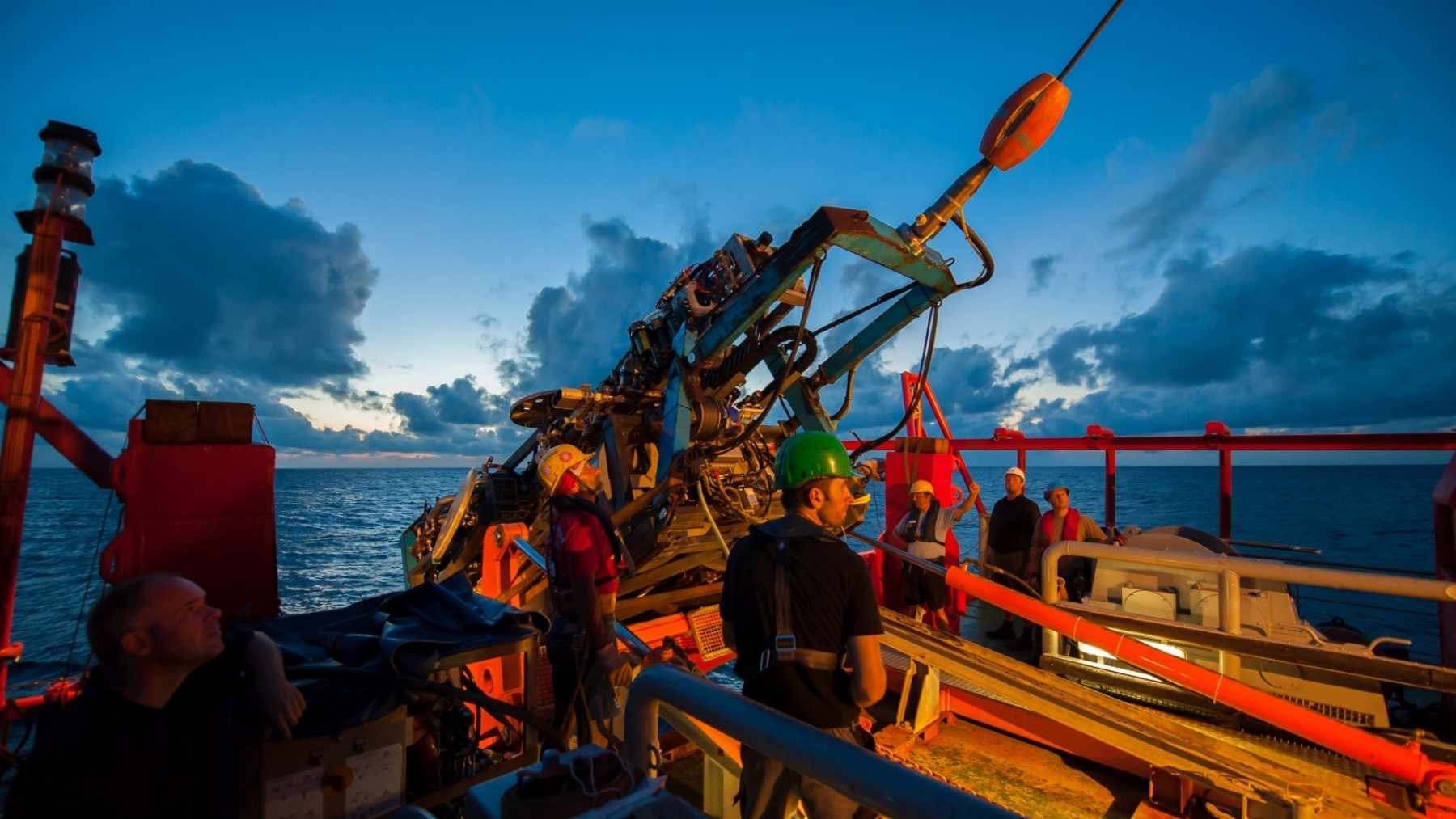
The crew wasn’t even looking for it. According to Task & Purpose, the boat, run by Hot Spots Charters, was wrapping up a day of fishing about 20 miles southeast of Pensacola Pass when the crew spotted debris in the water: a cooler, a few pool floats, the usual beach junk. While cleaning that up, they noticed what they took for a capsized skiff and went over expecting the worst. Captain Daniel Arsenault’s four customers that day happened to be military search-and-rescue helicopter pilots, so checking for survivors was pretty much muscle memory for everyone aboard. What they found instead was a gray delta-wing drone floating half-submerged, with fish sheltering underneath it.
So they did what any self-respecting charter crew would do, and fished it first.
Arsenault said they cast around the drone and pulled mahi-mahi and tripletail out from under it, since a floating object in open water works like a fish magnet. Then they radioed the Coast Guard, who turned out to be tied up with an active search, so the crew decided to bring the thing in themselves. The drone was full of water, and six men held it against the side of the boat until it drained before wrestling it aboard. The pilots opened its access panels looking for a phone number or a unit marking and found nothing that said whose it was. Back at the dock, the local sheriff’s department took possession of it, and later that day someone from the military called Arsenault wanting the drone back.
So what exactly did they haul in?
From the looks of things, an FLM-136. That’s a target drone built by SpektreWorks, an Arizona company, and it’s a reverse-engineered copy of the Shahed-136, made so American air defenses have something realistic to practice against. The War Zone matched the airframe to the FLM-136 from photos and noted that the recovered drone was missing its engine, propeller and nose cone, which is apparently standard for one of these after it hits the water.
The FLM-136 also has a more famous sibling. Arm the same basic airframe and you get LUCAS, short for Low-Cost Uncrewed Combat Attack System, the one-way attack drone the US has actually used in combat this year. If that category’s new to you: a one-way attack drone flies to a target and explodes there, and it’s cheap enough that losing every single one is the business model. CENTCOM has put the price at roughly $35,000 apiece, per spokesperson Navy Capt. Tim Hawkins, which by Pentagon standards is basically pocket change.
Those are the factory numbers for the type, mind you, not measurements taken off the waterlogged one, which came up missing its engine entirely.
When The War Zone first asked Eglin Air Force Base about the find, a spokesperson would only say, “I can confirm that we were doing a test and the test article went down,” and referred everything else to the Pentagon, which didn’t have anything to add. By Monday the base had gotten specific, telling Task & Purpose that a LUCAS drone hit the water on Thursday, September 17, during routine scheduled testing on the Eglin range, and that the aircraft is back in the Department’s possession. That means it’d been drifting for two days before the charter came across it, quietly collecting its own fish population. Both statements describe testing, and there’s nothing to suggest this one was armed. Eglin didn’t get into what actually went wrong with the flight, and honestly, that’s fine; a test range exists precisely so things can fail over open water instead of over someone’s roof.
How does a combat drone end up as flotsam?
Eglin isn’t some sleepy base with a single runway. It hosts the 96th Test Wing, the Air Force’s test and evaluation outfit for air-delivered weapons, and the wing runs the Eglin Gulf Test Range, roughly 120,000 square miles of test airspace over the water, from the Panhandle down to the Florida Keys. That’s the eastern third of the Gulf set aside, at least in part, for flying military hardware and occasionally dropping it.
And stuff does drop. The Air Force keeps a handful of 120-foot boats, the only vessels the service owns, specifically to fish lost drones back out of those waters, and the contracted crews running them recover about 100 drones a year. Arsenault told Task & Purpose that finding military debris floating out there isn’t unusual at all; finding a piece this intact was the strange part. Florida has been through this before, too. In 2021, a couple of beachgoers in Palm Beach County found a BQM-167 target drone washed up on the sand.
America flies its own Shaheds now
Which brings us back to why a Shahed lookalike was over the Gulf at all. After watching cheap one-way drones reshape the war in Ukraine, where drones launched from boats are now part of the toolkit, the Pentagon wanted two things: something realistic to practice shooting down, and something of its own to throw. The FLM-136 handles the first job. LUCAS handles the second, and it’s had a busy year. CENTCOM stood up Task Force Scorpion Strike, the first US unit dedicated to one-way attack drones, last December, and LUCAS flew its first combat missions on February 28, the opening day of Operation Epic Fury against Iran. We’ve covered the LUCAS program’s Pentagon contracts and AI ambitions before, and it hasn’t slowed down since; according to The War Zone, the drone’s now getting swarming software so groups of them can coordinate on their own.
As for this particular airframe, Eglin’s September 21 statement says it’s back in the Department’s possession. Arsenault put it in his personal top five of strange things he’s pulled out of the Gulf, and told Task & Purpose, “You never know what you’re gonna catch.” Frankly, I’d love to know what the other four were.