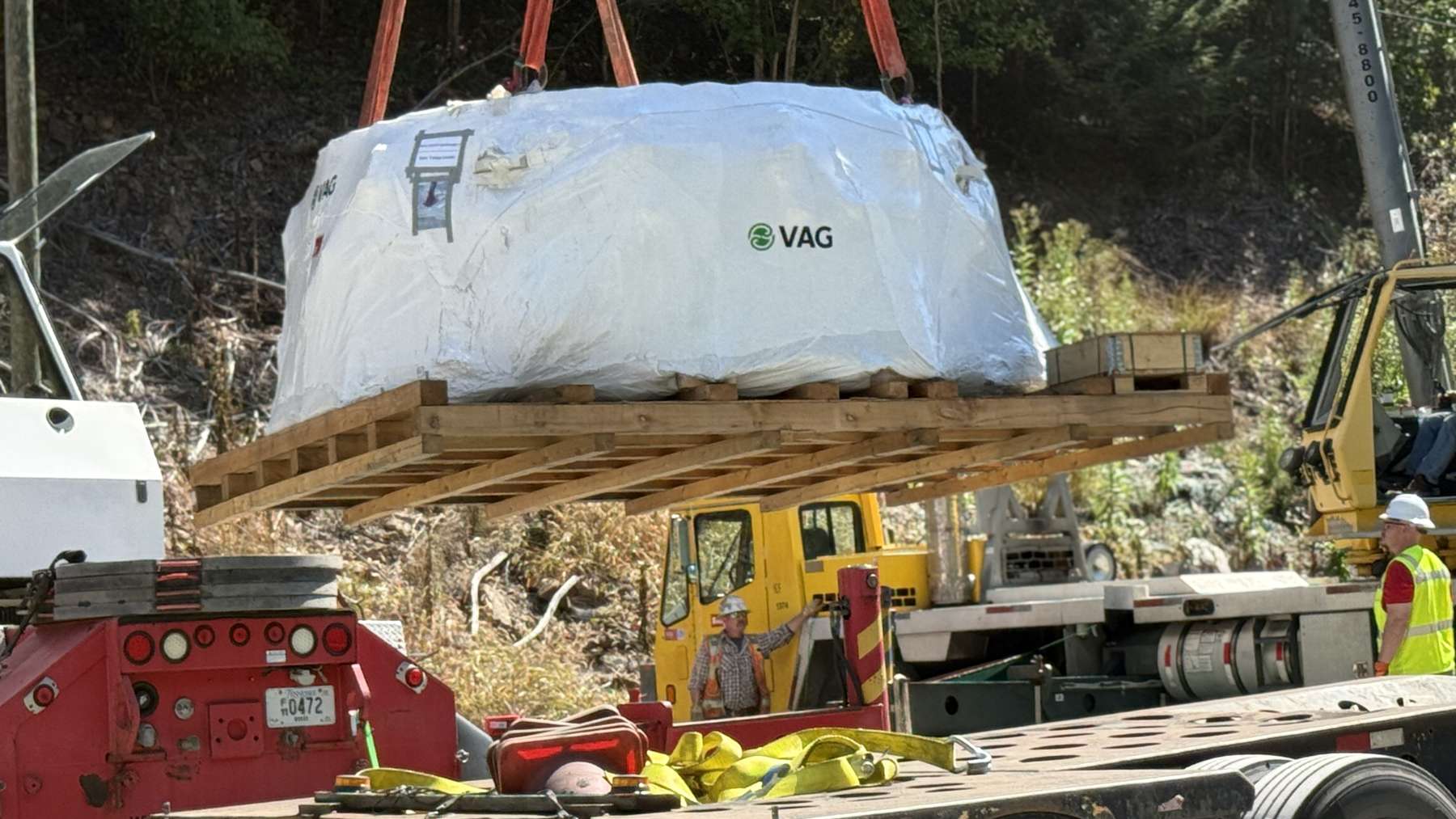

- 2 MONTHS AGO · MILITARYA 10.5-foot, 8,710-pound seabed drone found its own ship off Nova Scotia, latched onto a camera-guided hook and rode onto the deck with nobody at the controls. That job is still done by crews leaning over the rail with poles, on a machine built to pick potato-sized rocks off the ocean floor
- 2 MONTHS AGO · MILITARYA 250-pound drone keeps working through 30-foot seas that would send a survey ship back to port, and the only moment weather can touch it is when it surfaces every six hours to talk, so if the pickup boat cannot come out it lands on the bottom and sleeps
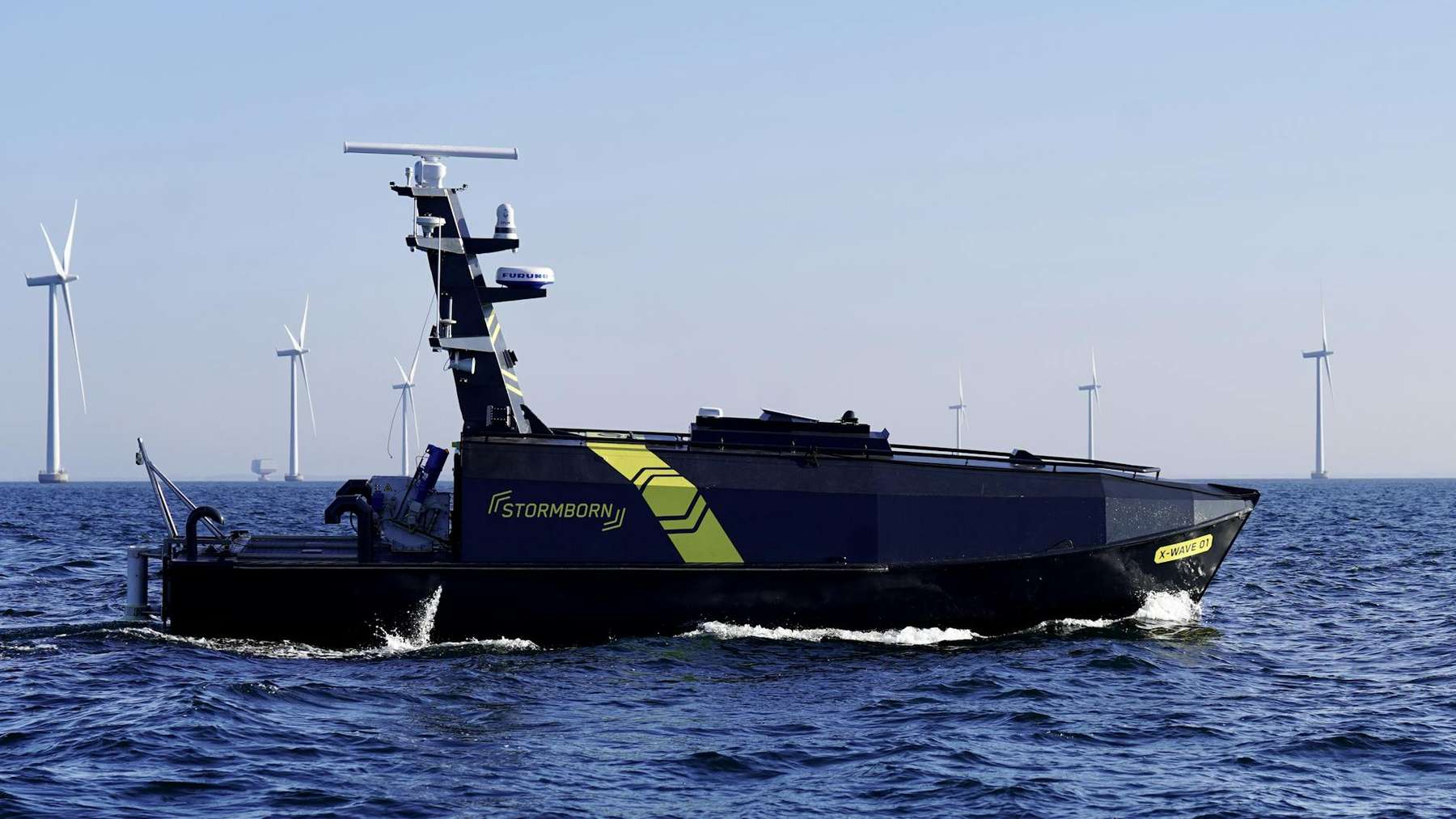
- 2 MONTHS AGO · MILITARYA 38-foot drone boat that once spent 192 hours alone at sea came up behind a float towed by a Navy ship off Virginia, pushed a fuel probe into it, took on 400 gallons over dozens of hookups and let go each time, and somebody was steering the probe on every one
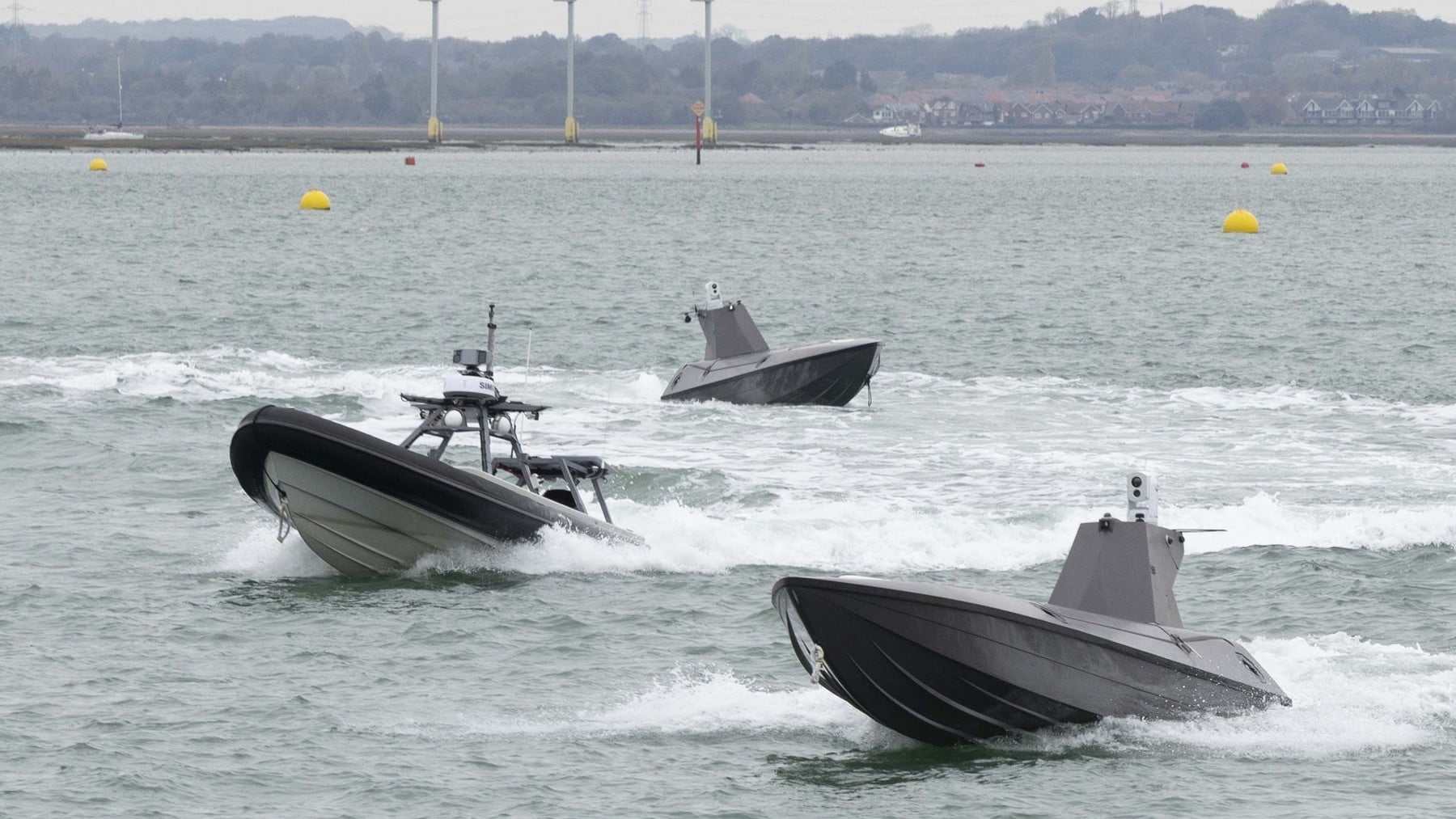
- 2 MONTHS AGO · MILITARYA 26-foot Turkish drone boat that carries 551 pounds of explosive in its bow and hits by ramming went into the water for the first time at a naval yard on the Sea of Marmara, does 50 knots on a gasoline waterjet, and 40 of them are already on order
- TODAY · THIS ARTICLEA 49-foot drone boat, the first the Turkish navy ever commissioned, laid a training version of a smart seabed mine once under remote control and once fully on its own, and the live mine waits on the bottom at up to 328 feet for a ship’s sound, magnetism and pressure
If you’ve heard anything about drone boats over the last couple of years, it probably involved one ramming a warship or getting shot at near the Strait of Hormuz. They’ve basically turned into the attack dogs of naval warfare: fast, cheap, and nobody grieves too hard when one gets lost. Which is why the newest trick strikes me as a little ironic. Somebody just taught one the quietest job in the navy: slip out, leave something on the seabed, and come home like nothing happened.
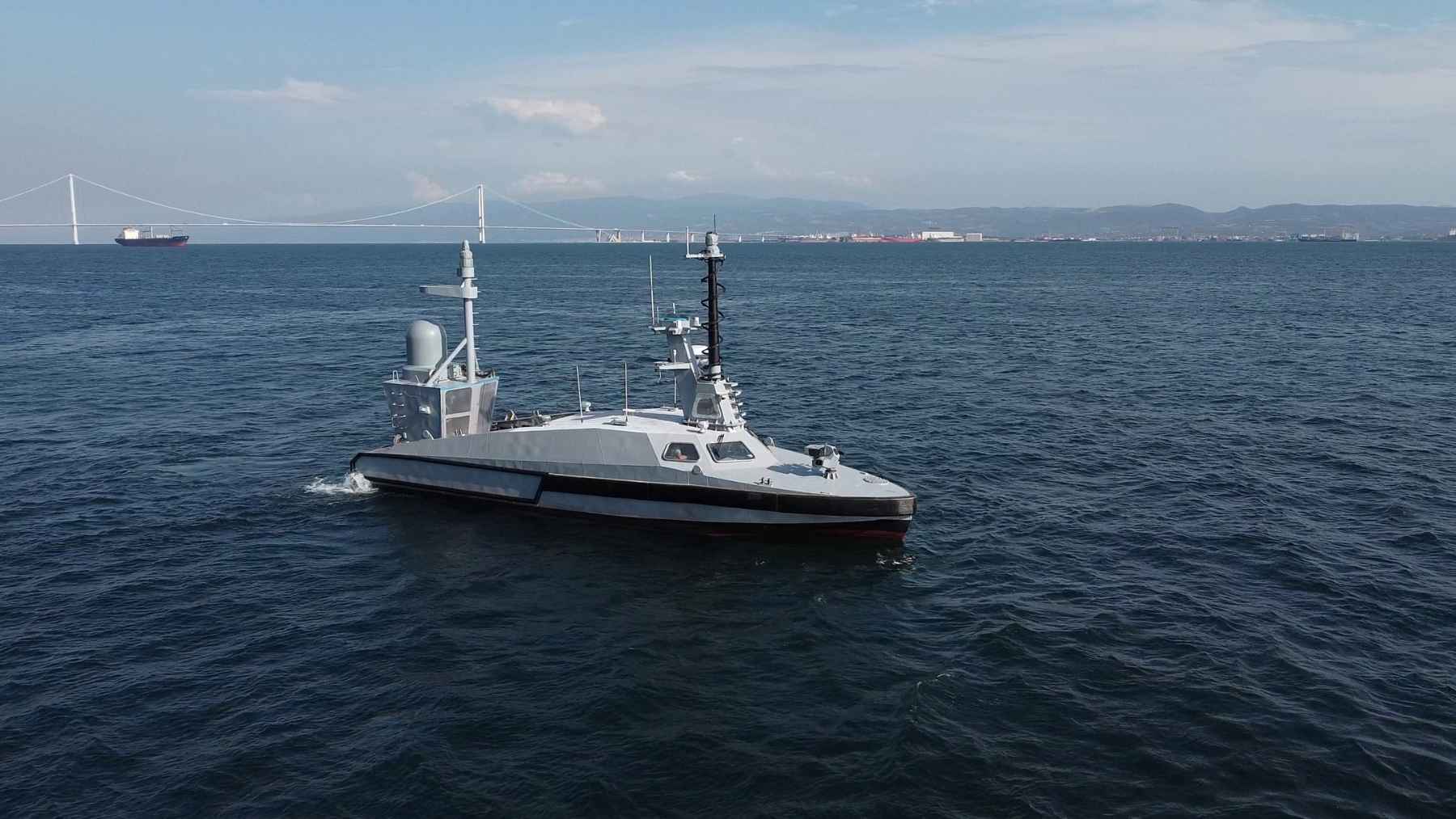
The boat is MARLIN. It’s the first unmanned surface vessel the Turkish navy ever put in its inventory, and on August 17 Turkey’s state-run Anadolu Agency announced it had laid a MALAMAN smart bottom mine, twice over. Once with an operator controlling the mission, and once with the boat running the whole thing on its own. The mine was a training unit, so nothing went off. Turkey wanted to prove that a robot boat could pick a spot, drive there and put a mine on it. Apparently it can.
So what actually got tested?
Sefine Shipyard’s unmanned systems research center, SİSAM, and Koç Savunma spent about a year on the project. Per Anadolu, the work covered three jobs: designing and building the deck rig that carries and releases the mine, writing the remote-controlled and autonomous minelaying algorithms, and wiring mission-planning interfaces into MARLIN’s software. Janes reports the trials ran near Erdek Naval Base on the Sea of Marmara, which happens to be where the Turkish navy keeps its mine countermeasures force. Verification wrapped up at Sefine’s own yard, and the agency says the boat completed the lay as planned in both modes.
Here’s what those two modes actually mean.
Remote control means there’s a human somewhere steering the mission who hits the release. Autonomous means the boat’s handed a plan, sails the pattern and drops its mines at the plotted points with no one touching anything. You want that second mode, because a radio link is the first thing an enemy jams, and a minelayer that quits the moment the link drops isn’t much of a minelayer.
The boat keeps picking up jobs
MARLIN comes from Sefine Shipyard and Aselsan, built under the coordination of SSB, Turkey’s defense procurement agency, and the first hull was commissioned into the Turkish navy on January 19, 2024, as TCB 1101. Janes puts the monohull version used in this test at 49 feet long and about 12.6 feet wide, displacing roughly 23 short tons and carrying just shy of 9,000 pounds of payload on a modular deck.
Turkey treats that deck pretty much like an empty phone screen, and it keeps installing new apps. The boat’s carried electronic warfare gear, worked anti-submarine missions, and fired a Kuzgun mini cruise missile in earlier trials. Last fall it even learned to spot drifting mines with its cameras and a deep-learning model during a NATO exercise, an ability Daily Sabah says was added purely through software. So in under a year, the boat went from finding mines to laying them, and frankly that’s a faster feature rollout than my phone gets.
So what makes a bottom mine “smart”?
Forget the spiky ball bobbing on a chain from the war movies. A bottom mine sits flat on the seabed and listens. When a ship passes overhead, the mine reads the sound of the propellers, the magnetic field of the hull and the pressure wave the ship pushes through the water, and if the combination matches a target it’s been told to attack, it fires.
MALAMAN, developed by Koç Savunma with state arms maker MKE and the research institute TÜBİTAK SAGE, is the Turkish take on that recipe. MKE’s spec sheet has it working between 16 and 328 feet down. The casing is built to blend into the seabed and return as faint an echo as possible to mine-hunting sonar. The maker also claims the mine can tell a real ship from the fake signatures minesweeping gear drags through the water to trick mines into firing early. The explosive filling is a cast insensitive type, engineered to shrug off rough handling, and the electronics run a full self-check before a mission. Shelf life: at least 10 years.
Naval News adds that the mine is sized to fit a submarine’s 21-inch torpedo tubes, the same size of tube a British drone submarine recently fired a heavyweight torpedo from, and that fit checks have already happened aboard Turkey’s REIS-class subs. So one weapon can arrive by submarine, by aircraft, by landing ship, and now by a robot boat.
Quick honesty check, though: every number in the last two paragraphs comes from the maker’s brochure and earlier reporting, not from the August trial. The training round proved MARLIN can deliver the package where it’s told to. It didn’t prove anything about how the live version performs down there.
Why teach a robot this job?
Mostly because mines work. By the US Navy’s own count, sea mines have sunk or seriously damaged 15 of its ships since World War II, almost four times more than every other form of attack combined. And the delivery run’s the dangerous half of the business: a minelayer sails slow, predictable patterns in shallow water, usually unpleasantly close to somebody else’s coastline. That’s exactly the water where you’d rather send a 49-foot boat with an empty crew list.
The US is coming at the same problem from the other side, teaching small drone boats to hunt mines rather than lay them. Both jobs used to demand a crewed ship loitering in the ugliest water available, and they’re exactly what you build robots for. Anadolu says the new capability puts Turkey among a small group of countries that can lay mines with unmanned vessels, and as far as I can tell, no other navy’s published footage of a drone boat doing it with a smart bottom mine. It won’t stay that way for long, I’d guess.
Sefine and Koç Savunma put about 12 months into the integration, and Anadolu Agency announced the finished capability on August 17, 2026.
 A 1,123-foot aircraft carrier with eight defueled reactors is under tow from Newport News to Mobile, where a scrapyard will cut the hulk apart around those reactors over the next four years while a 100-yard safety zone moves with herMilitary · 7 days ago
 A 13-foot-wide US Navy nuclear mini-sub rolled across the seabed off Scotland on wheels, found an F-14 upside down in fishing nets nearly 1,900 feet down and brought its secret Phoenix missile up with a Soviet spy trawler watching, after a month of sonar ships had come up emptyMilitary · 7 days ago
 Drone boats that ride almost awash like a drug smuggler’s semi-submersible just went to three American companies to prototype, and the Pentagon’s spec asks each one to haul 18,000 pounds of Marine supplies up to 2,000 nautical miles alone and sink itself on commandMilitary · 1 week ago