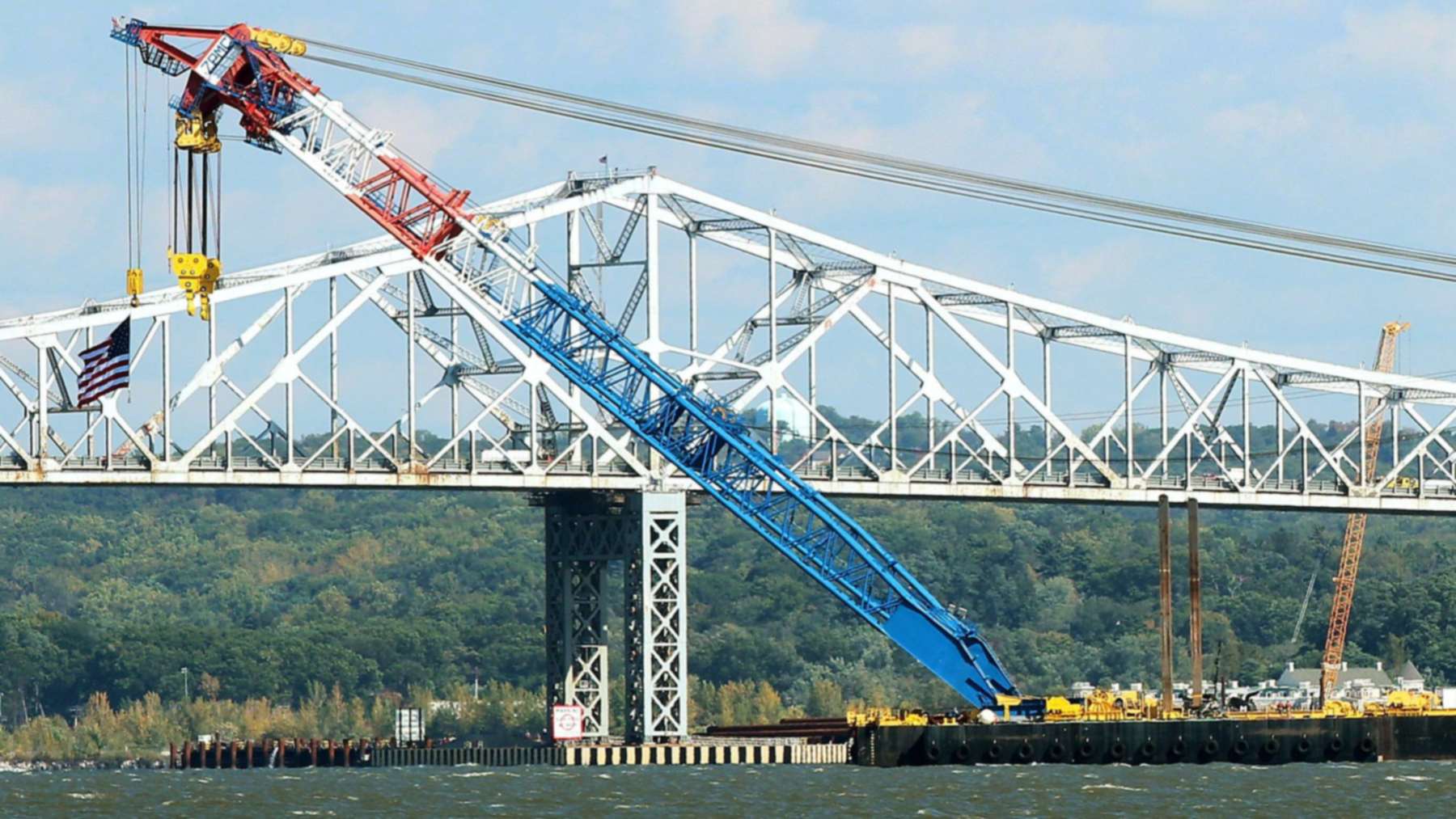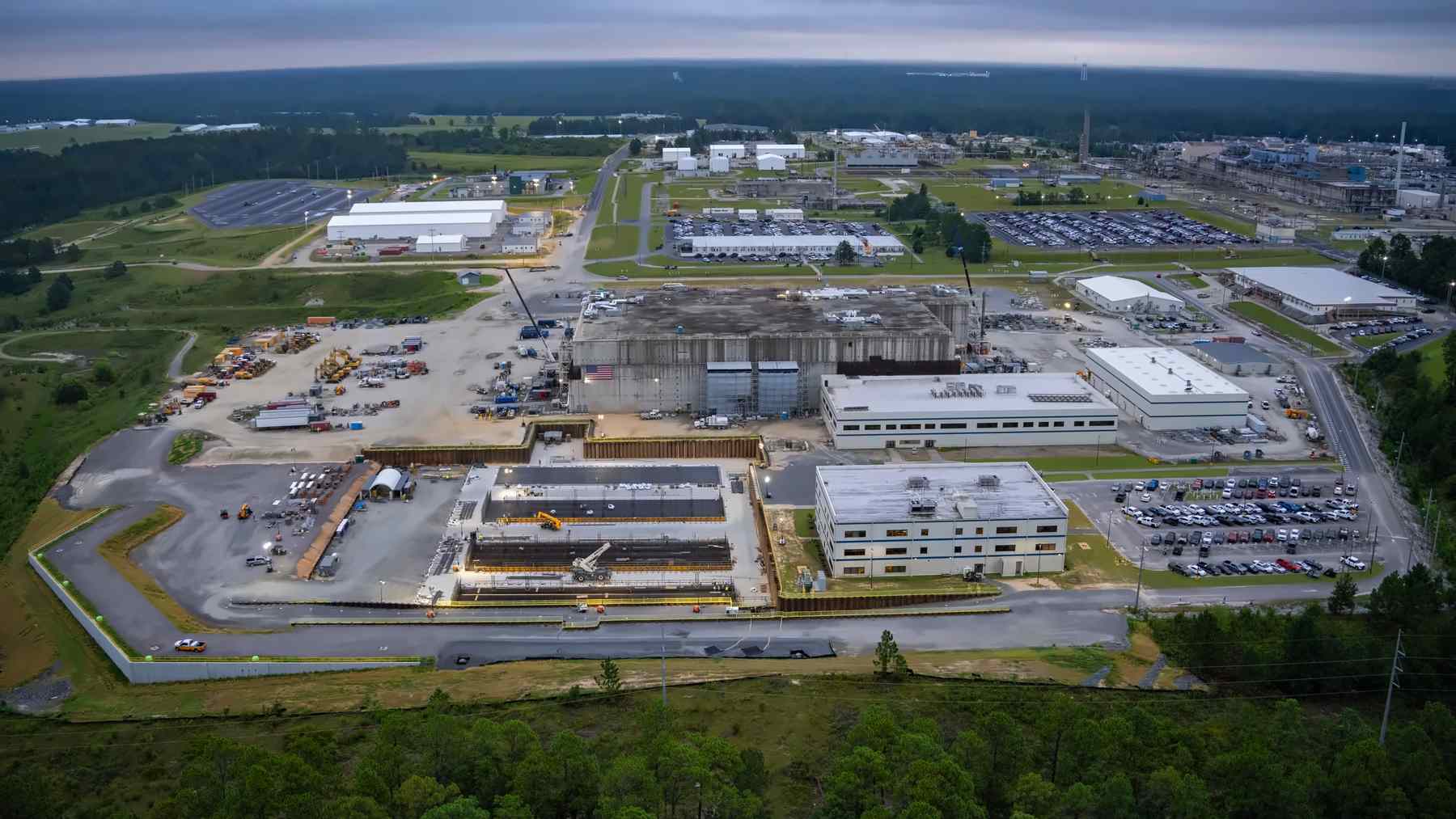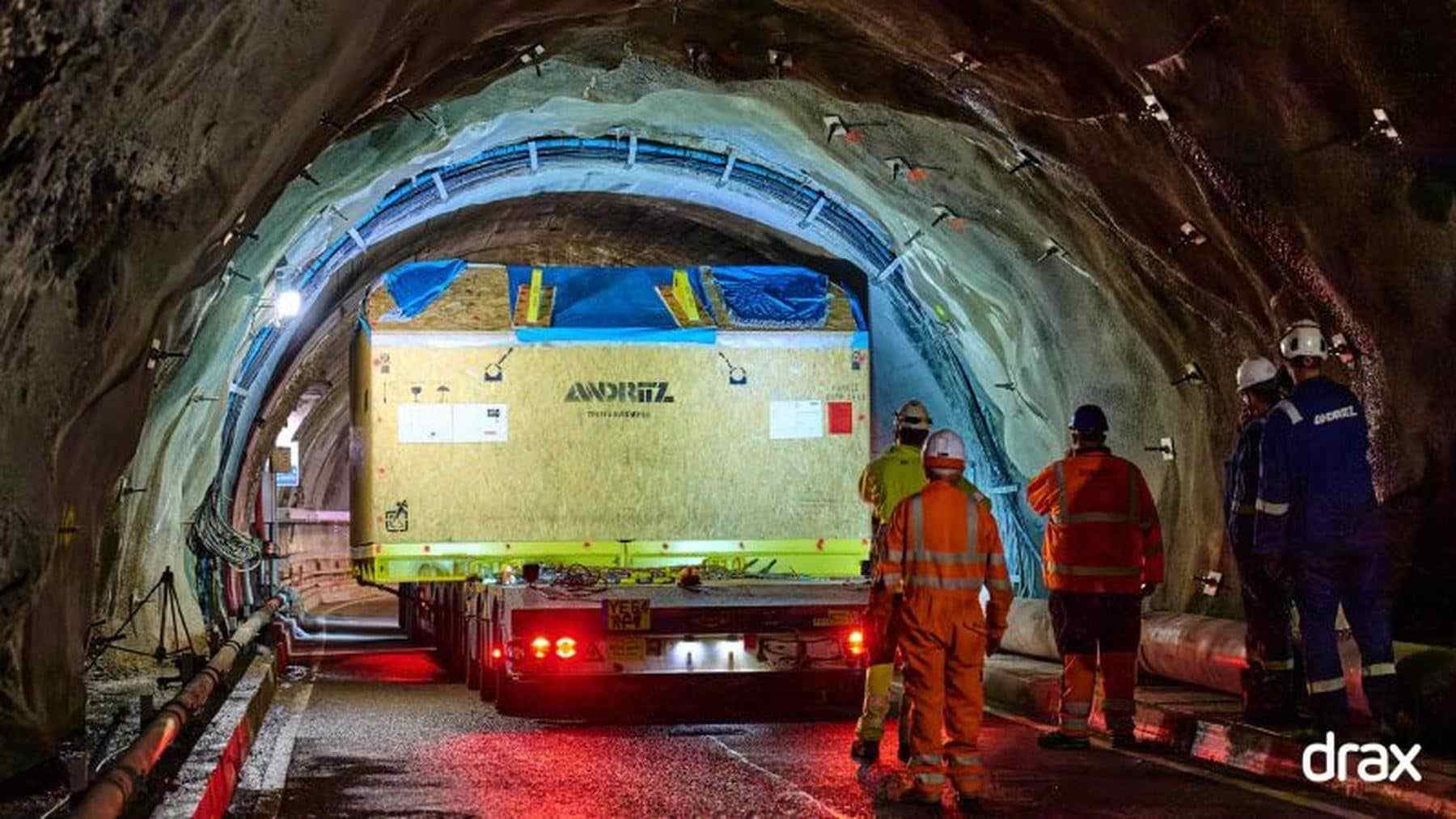

- 3 WEEKS AGO · ENERGYA 2,600-megawatt power plant 4.5 miles below Niagara Falls took its first turbine apart down to the shafts and put it back together in 33 months, one of 13, and is bolting a 680-ton crane together on the plant floor to lift the other 12 out one at a time
- 3 WEEKS AGO · ENERGYA 57-ton wind turbine blade snapped off Nantucket and covered the island’s beaches in fiberglass, and 72 more of the 351-foot blades had to come down off the towers at sea before all 62 turbines on America’s first big offshore wind farm could spin
- 2 WEEKS AGO · ENERGYA 243-ton turbine assembly nearly 24 feet across was lowered back into a French hydro plant with only millimeters between its blades and a new ring set in concrete, and the rebuilt unit later climbed to 45 megawatts on its way back to the grid
- 3 DAYS AGO · ENERGYA Dutch crew took a 402-foot cable-laying ship 33 miles out to sea and lowered six hubs of live oysters onto the seabed inside a 52-turbine wind farm, about 3,600 European flat oysters and thousands of young ones meant to breed in water where fishing boats can’t drag the bottom
- TODAY · THIS ARTICLEA 1.8-megawatt wind turbine on a 257-foot tower, with 132-foot blades reaching nearly 400 feet, is one of four to be lowered by crane this fall at Ohio’s first commercial wind farm after more than 20 years, and crews will then excavate foundations about 33 feet deep, due by mid-December
Most of the wind turbines that make the news are either brand new or broken. A developer wants to put up a bigger one, or, like the turbine at a Missouri wind farm back in August, a tower ends up bent over in a field. The four turbines outside Bowling Green, Ohio, don’t fit either category. They’re just old, and they’re due to come down by crane, on a schedule, one at a time.
The city calls the site Ohio’s first commercial wind farm, and its own project page also describes it as the state’s first utility-scale wind project. The turbines started making electricity in 2003, kept at it for more than 20 years and were officially retired in 2025. Now Bowling Green is paying to get rid of them.
So what does it actually take to remove a wind turbine this size?
There’s a lot of turbine to take down
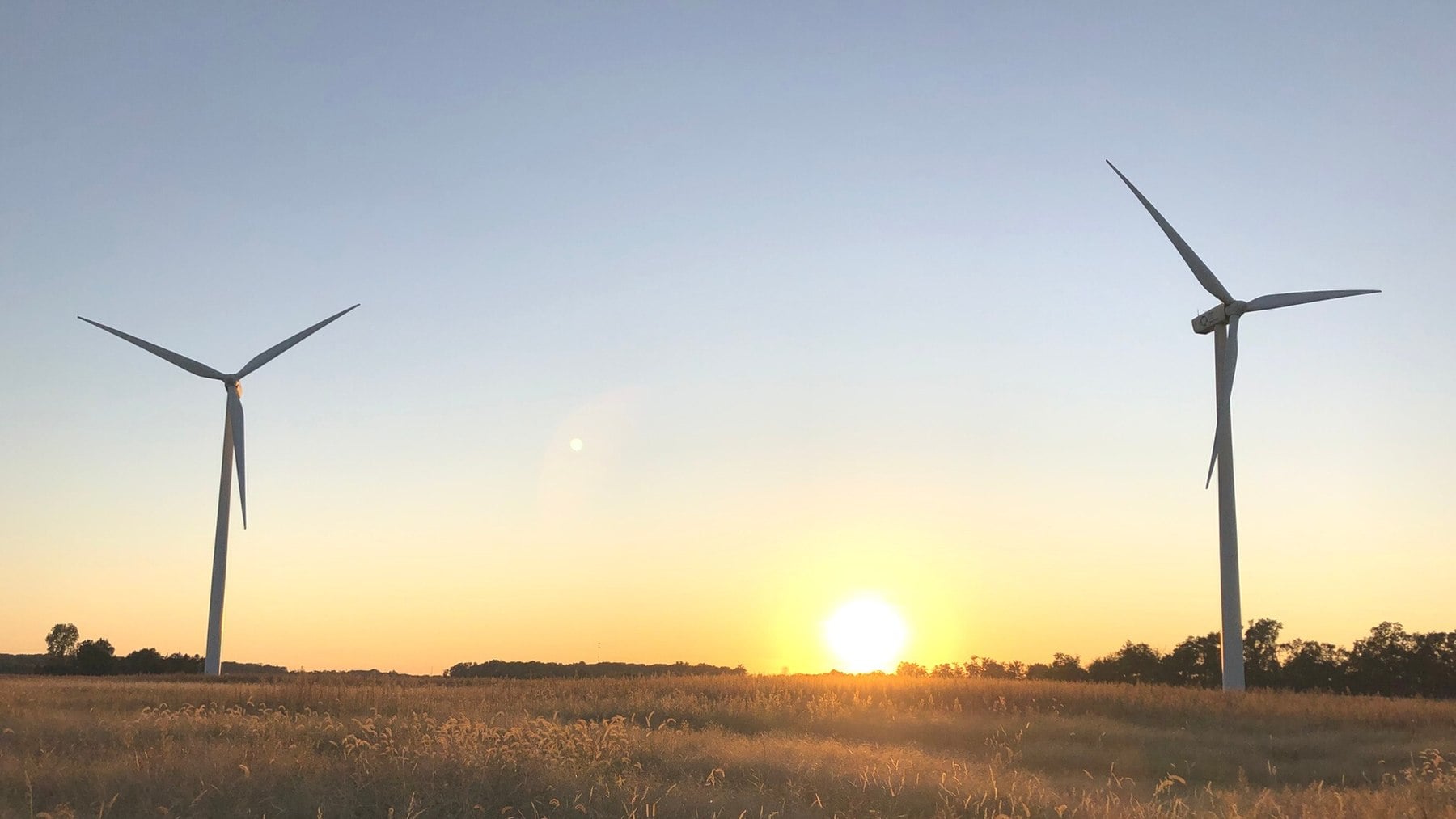
Each of the four is a 1.8-megawatt machine on a 257-foot tower, according to a 2016 annual report from American Municipal Power, the group that developed the wind farm as a joint venture of Ohio towns. The blades reach 132 feet out from the turbine housing. When one of them swings straight up, the whole thing stands nearly 400 feet tall.
Those are AMP’s own figures from 2016, not something anyone’s re-measured since. Then again, steel towers don’t tend to shrink.
For a sense of scale, 132-foot blades look pretty modest by today’s standards. A developer in Australia now wants a new road built just so its 213-foot blades can get around a roundabout.
The city’s plan is to take the four turbines down one at a time over the fall. Big cranes handle the lifting. The blades and nacelles get lowered to the ground that way, and the towers come apart in sections. If you’ve never had to think about a nacelle, it’s basically the box at the top of the tower that holds the gearbox and the generator, which is what turns spinning blades into electricity.
Then there’s the stuff you can’t see. Each turbine sits on a foundation that goes approximately 33 feet into the ground, and those get dug out too.
That might sound like overkill. But think about what a foundation’s job is here. A tall tower with three long blades catches a lot of wind, and all that sideways push is constantly trying to tip it over. The foundation is the anchor that stops it, so it has to be big, heavy and deep.
Bowling Green says the excavation will happen without blasting, and each site gets backfilled and restored afterward. The city doesn’t say why explosives are off the table, though I’d guess a working county landfill right next door has something to do with it. The landfill stays open to the public through all of this, and the city’s warned residents they’ll probably notice more activity and cranes.
Has anything come down yet?
The prep work started in August. According to BG Independent News, which covered the start of the job in late August, that first stage meant pulling out underground electrical infrastructure, with the turbines themselves to follow.
The city’s project page still talks about the crane work in the future tense. City council heard updates on Sept. 8 and Oct. 19, though neither said a turbine was already down. So I can’t tell you which of the four, if any, has already been lowered. What we do know is the deadline, which I’ll get to.
Why not just swap in new turbines?
You’d think the obvious move would be to put newer turbines on the same spots. Bowling Green did look at that. Back in 2020, replacing each machine with a newer model was estimated at $8.8 million apiece, BG Independent reported.
The old ones weren’t cheap to keep alive, either. In 2020, the same outlet reported that a couple of gearboxes had already failed, at up to $500,000 each to replace. Replacement parts got hard to find, which isn’t too surprising when the city has said the turbines’ model, the Vestas V80, is obsolete. In 2021, one turbine was retired early because of repair costs. That cut the wind farm’s output from 7.2 megawatts, enough for about 2,500 residential customers, to 5.4 megawatts.
Even if the money had worked out, the site’s off the table. The city says the land won’t host renewable generation again, because the county needs it for future landfill space and Plain Township’s zoning rules get in the way.
It’s a bit of a shame, frankly. Still, BG Independent puts the turbines’ expected working life at roughly 20 years, and these made it past that, which is a pretty respectable run.
Nothing’s going into the landfill next door
I’ll admit I like how the city’s handling the leftovers. Bowling Green says none of the material will end up in the landfill. The plan is to recycle the metal, the wiring and even the foundation concrete, capture oil and other fluids where it can, and check whether the major components are worth selling or reusing.
That’s arguably a better outcome than in Casper, Wyoming, where the city landfill buried a whole lot of old turbine blades before it stopped taking them.
So who’s paying for it?
The demolition costs $1.77 million, according to BG Independent. Bowling Green owns 51% of the project, so it’s covering about half, and the nine other communities that share in the wind farm split the rest. The city’s been saving for its share through utility rates, which is pretty sensible planning for a machine you know is going to wear out.
$1.77 million to remove all four sounds like a lot. It’s arguably a bargain next to the $8.8 million that a single replacement was expected to cost in 2020.
Brian O’Connell, the city’s director of infrastructure and public utilities, didn’t pretend to be thrilled about it. “It’s sad to see them coming down,” he told BG Independent.
I get it. You don’t look at something that big on the horizon for two decades without getting a little attached.
Bowling Green isn’t giving up on renewables, though. The city’s renewable energy page says it’s working on a new solar project somewhere else to make up for the lost wind power, and BG Independent reports two possible sites near I-75. If the weather cooperates, Bowling Green expects the whole removal job, foundations included, to be finished by mid-December.
Credit: City of Bowling Green
 A 1,050-ton slab at the bottom of a 115-foot Ontario shaft is the foundation of the Western world’s first grid-scale small reactor, and the 300-megawatt machine meant to stand on it will now be late, because its engineering is still being finished as the concrete goes inEnergy · 6 hours ago
 A 529-ton reactor pulled out of a German nuclear cargo ship has sat empty of fuel in a concrete shaft near Hamburg for 45 years, and regulators just cleared the hall where it will be cut into pieces and packed for disposal, part of a 17-year teardown of the research site around itEnergy · 9 hours ago
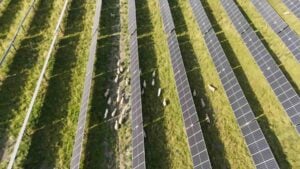 183,600 solar panels went up on 480 acres of old Alberta farmland, and hay is still being cut between the rows while about 260 sheep eat the weeds on the 60-acre patch the hay equipment struggled with and more than two million bees made about 1,000 pounds of honeyEnergy · 11 hours ago