
If you’ve ever lived through a kitchen remodel, you know the last few percent of the job is where the schedule goes to die. The cabinets are in, the counters are in, and you’re still waiting on one hinge.
Slovakia’s newest nuclear reactor has been stuck in a much bigger version of that. Work on Mochovce 4 started in the second half of the 1980s, stalled in the early 1990s, and only picked back up about a decade after the plant’s first two units were finished. After nearly 40 years, the final hold-up came down to two days and one voltage reading.
But it’s finally on. At 8:41 p.m. local time on Thursday, October 15 (2:41 p.m. Eastern), operator Slovenské elektrárne connected Mochovce 4 to Slovakia’s national grid for the first time, according to the company. The reactor was running at 20% of its power, and only one of its two turbine generators was hooked up.
Two weeks ago, we covered this same reactor when its operator was warning the neighbors about loud steam-valve tests and the unit was still drawing power from the grid to run its own equipment. Now it’s sending some back. Branislav Strýček, the company’s chairman and CEO, called it a moment that “generations of people” had been waiting for, and honestly, for a reactor that took this long, that’s a pretty fair way to put it.
So what went wrong on Tuesday?
Slovenské elektrárne had planned to connect the unit on Tuesday, October 13. During primary voltage tests on the unit’s generator, the circuits that measure electrical voltage gave what the company called a non-standard response. That happened in the non-nuclear part of the plant, meaning the turbine and generator side rather than the reactor.
So the company reran part of the tests and called off the press conference it had set up for the occasion. Company spokesperson Lenka Šarláková told Slovak media the problem had no impact on nuclear safety and that the connection would happen within days. It took two.
So why hold up a nuclear plant’s big day over one odd reading?
Measurement circuits are basically the plant’s gauges for electricity. Operators use them to match the generator to the grid before they connect it, and the protection systems that shut a generator down when something goes wrong rely on the same readings.
On Mochovce 4, each generator puts out power at 15,750 volts, according to the company’s spec sheet. That’s not something you want to be guessing about. I’d much rather a utility rerun a test over a weird number than shrug it off, and frankly, two days is a pretty cheap price for that. It’s also better than finding out the hard way. What Slovenské elektrárne hasn’t said, as far as I can tell, is what caused the reading or whether anything had to be fixed.
Mochovce 4 is running on one turbine for now
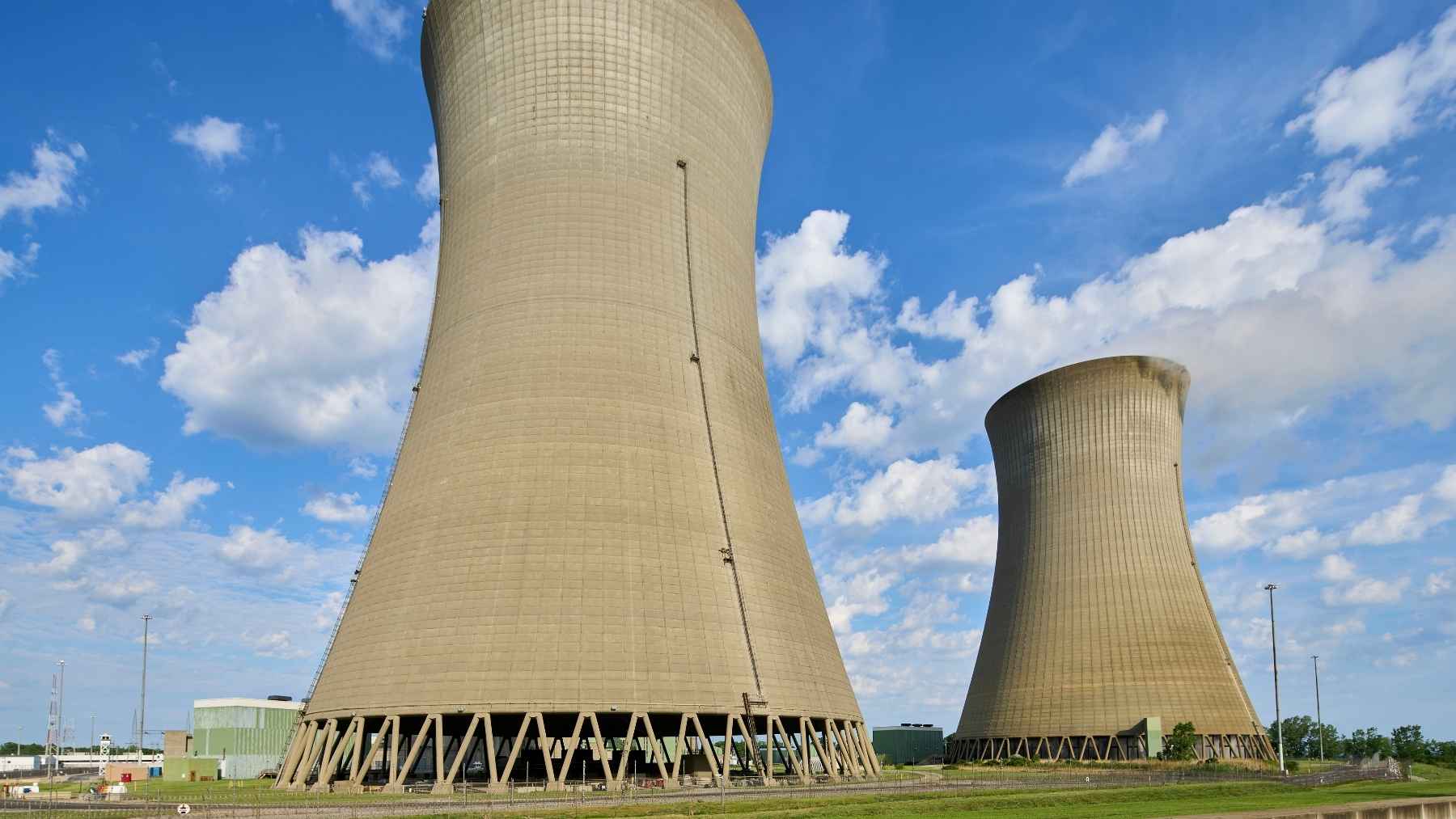
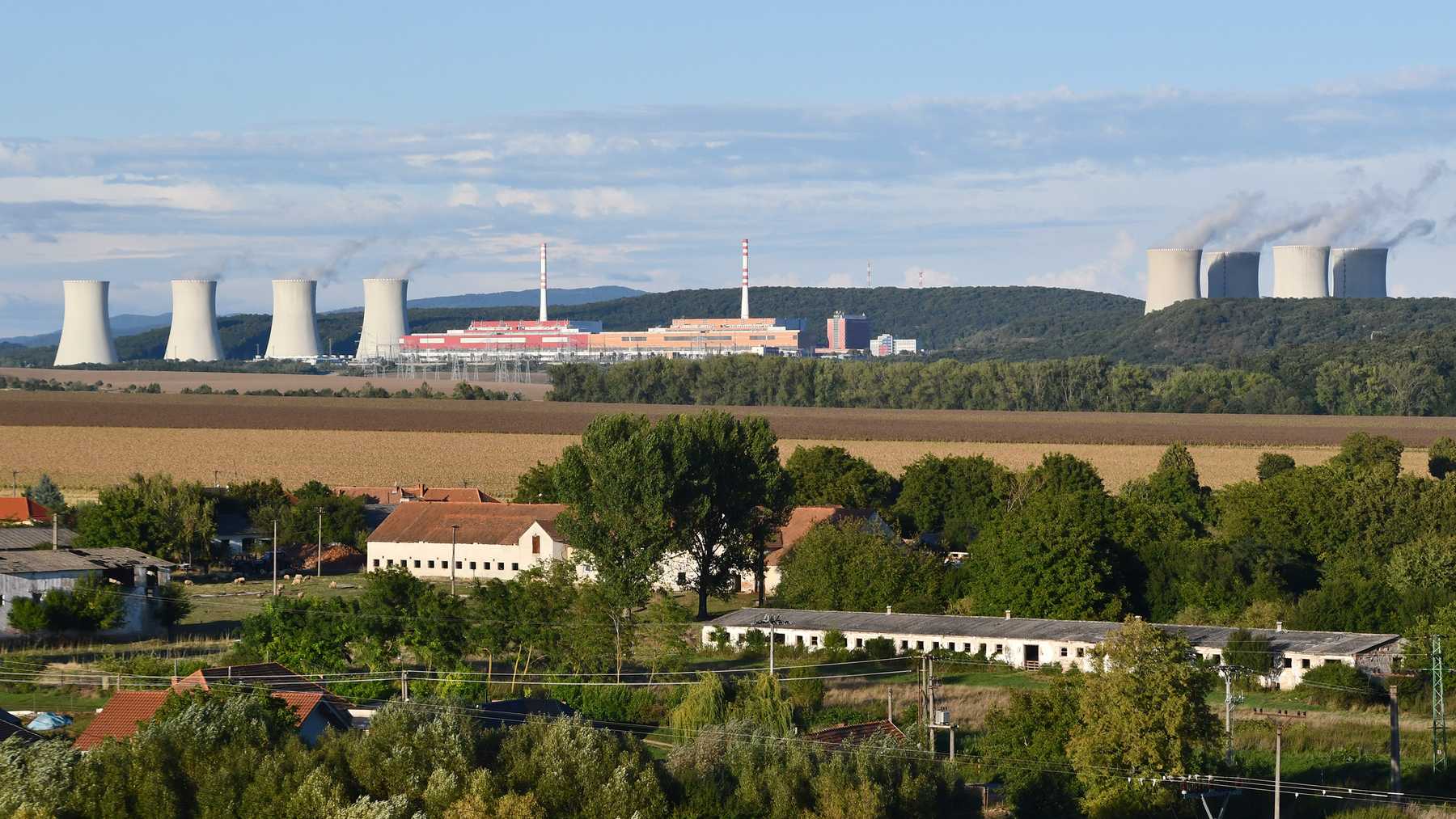
Mochovce 4 is a VVER-440, a Soviet-designed pressurized water reactor, and it doesn’t feed one giant turbine. It feeds two, each rated at 264 megawatts on the company’s spec sheet, and only the first one was synchronized on October 15. The turbines sit in their own hall, away from the reactor’s steel pressure vessel, which stands about 38.7 feet tall and 11.6 feet across. The plant’s waste heat goes out through cooling towers 410 feet high.
The second turbine’s next on the list. As of October 28, I haven’t found any announcement from Slovenské elektrárne saying it’s on the grid yet. Slovakia’s public broadcaster, STVR, reported shortly after the first connection that the second generator should follow within hours, but the company hasn’t published anything on it since its October 15 release.
When Mochovce 3 went through this same routine, its second turbine joined the grid four days after the first, according to the Slovak news agency TASR. So unit 4 might just be taking it slower, or the company might simply not be announcing every step. We don’t know which.
Here’s how the last few months have gone for the unit, which first went critical a few weeks after its fuel went in this summer.
Source: Slovenské elektrárne.
So when does it get to 100%?
Not anytime soon. Once the second turbine is connected, the reactor climbs in steps, with a round of testing at each power level and Slovakia’s Nuclear Regulatory Authority watching over every one. Marta Žiaková, who chairs the regulator, told STVR that the next levels are where the plant tests more of the protection systems that would have to kick in if they were ever needed.
The last test is that 144-hour run at full power, which is six straight days. Strýček said back in June that he expected the unit to reach full power in 2027, according to bne IntelliNews. Start-up schedules slip all the time, though, so I wouldn’t treat that as a promise.
Once it’s there, Mochovce 4 is expected to make about 3.5 million megawatt-hours a year, which the company says covers roughly 13% of Slovakia’s current electricity use. That’s about what 320,000 American homes go through in a year, going by the EIA’s average for a US household. Slovakia already gets more than 60% of its electricity from five other reactors, and World Nuclear News says a sixth will cement its spot as the country with the biggest nuclear share in its power mix. Finishing units 3 and 4 cost an estimated $7.6 billion (€6.7 billion). Mochovce 3’s been in commercial operation for three years, which is a pretty good preview of where unit 4 is headed if the next steps go quietly.
For now, the latest word from Slovenské elektrárne on Mochovce 4 is its October 15 announcement: one turbine generator on the grid, the reactor at 20%, and the second turbine up next.