
Flip over just about anything you own and there’s a decent chance you’ll find a “Made in” label on it somewhere. If you’ve ever read the fine print, you also know those labels don’t always tell the whole story. Plenty of products are built from parts made in one country and put together in another.
Iron Dome’s interceptor missile, the Tamir, has been one of those products for a long time. Raytheon says most of the missile’s components already come from its American suppliers. Israel’s Defense Ministry says Raytheon and Rafael, the Israeli company that’s the prime contractor, have worked together on Tamir production for over a decade under U.S. workshare requirements. That basically means American companies have to get a share of the work. But complete Tamirs only came out of Israel.
That changed on October 7. R2S, a joint venture between Raytheon and Rafael, held a ceremony at its plant in East Camden, which sits right outside Camden in south Arkansas, and handed over the first Tamir built and assembled entirely in the U.S. It went to Israel’s Missile Defense Organization, the defense ministry agency that led the missile’s development in the first place.
“For the first time, we can produce these interceptors in the United States,” R2S chief executive Jonathan Casey said in RTX’s announcement two days later. RTX, which owns Raytheon, and Israel’s Defense Ministry both describe the Camden plant as the first outside Israel to build complete Tamirs.
So what is a Tamir?
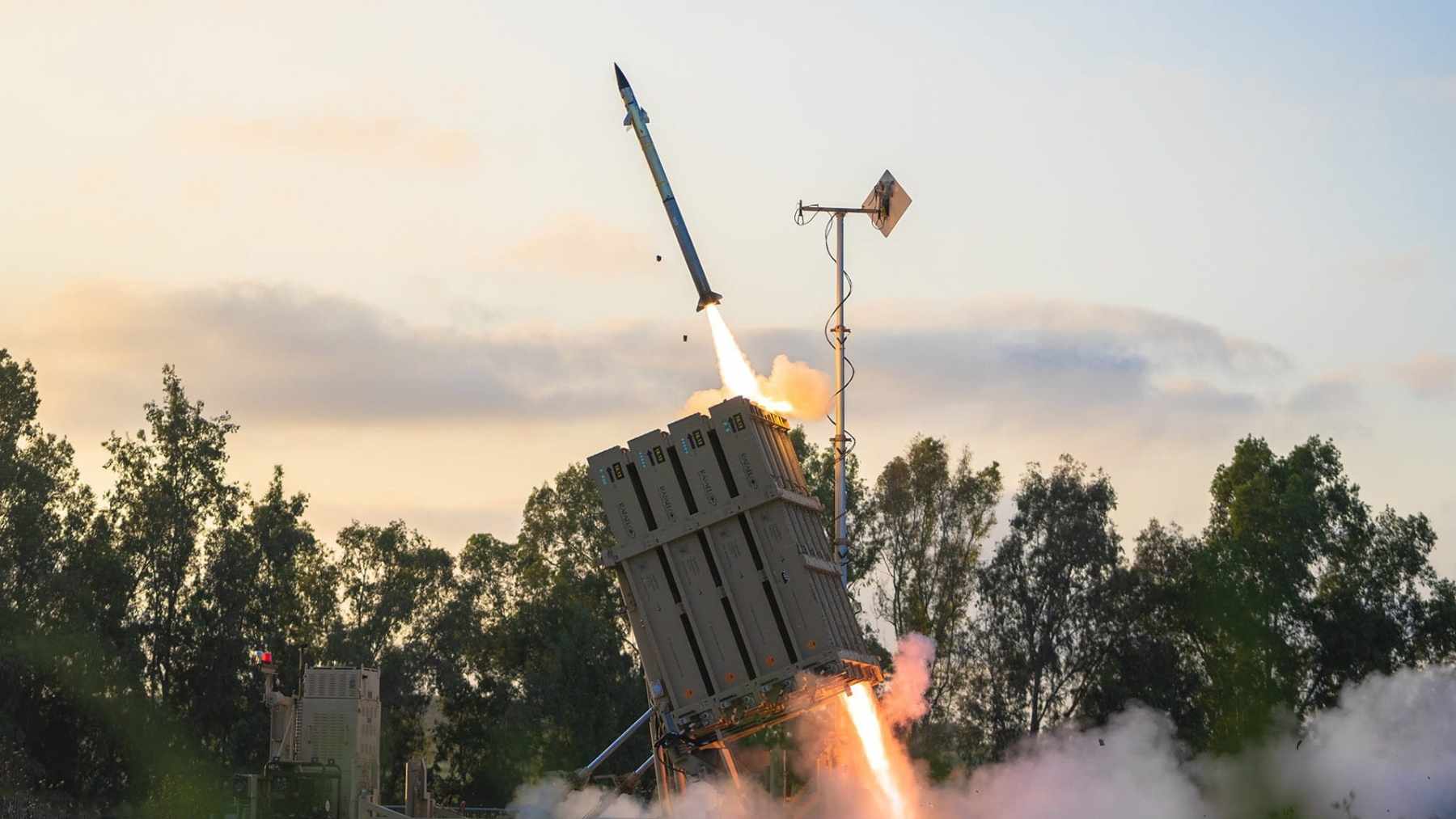
If you know Iron Dome from the news, it’s easy to assume Iron Dome is the missile. It isn’t, quite. Iron Dome is the whole system, meaning the radar, the computers that decide what’s worth shooting at and the launchers. The Tamir is the missile that actually leaves the launcher and goes after whatever’s coming in. Those computers also decide what isn’t worth a shot. Raytheon says the system lets anything it figures will come down in an empty area just fall, which saves missiles.
The company also says the Tamir is built to stop threats fired from roughly 2.5 to 43 miles away. That’s how far away the incoming rocket or artillery shell gets fired from, which isn’t the same as how far the Tamir itself flies, and I’ve seen those two get mixed up plenty of times.
The two companies don’t publish the Tamir’s measurements. The figures that get reported most often put it at about 10 feet long, a little over 6 inches across and roughly 200 pounds. So it’s about as long as a recreational kayak.
Rafael says Iron Dome has logged over 10,000 successful intercepts in its 15 years of service. I don’t have a way to check that from my desk, but it helps explain why the joint venture says demand from Israel and the U.S. keeps growing.
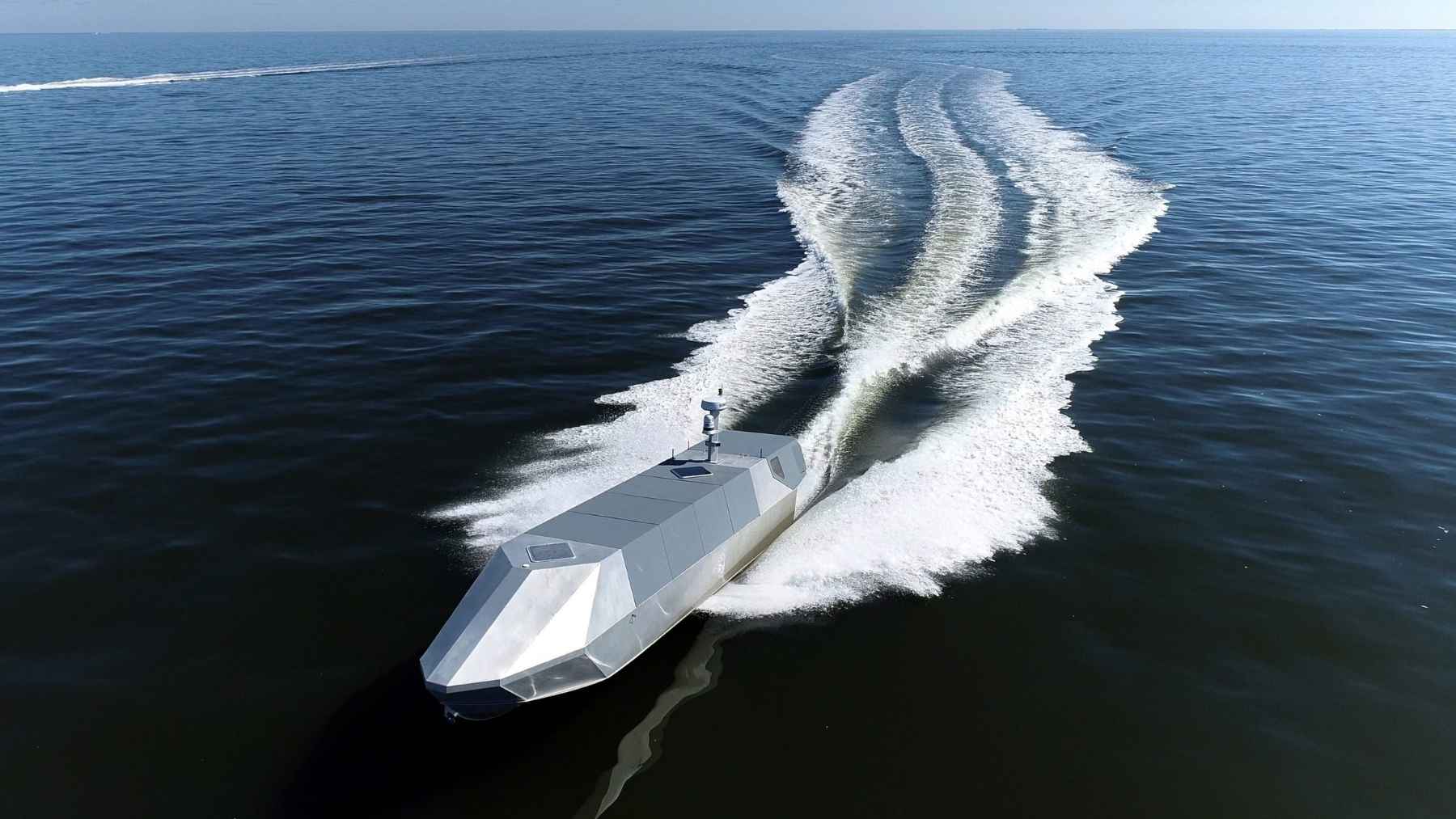
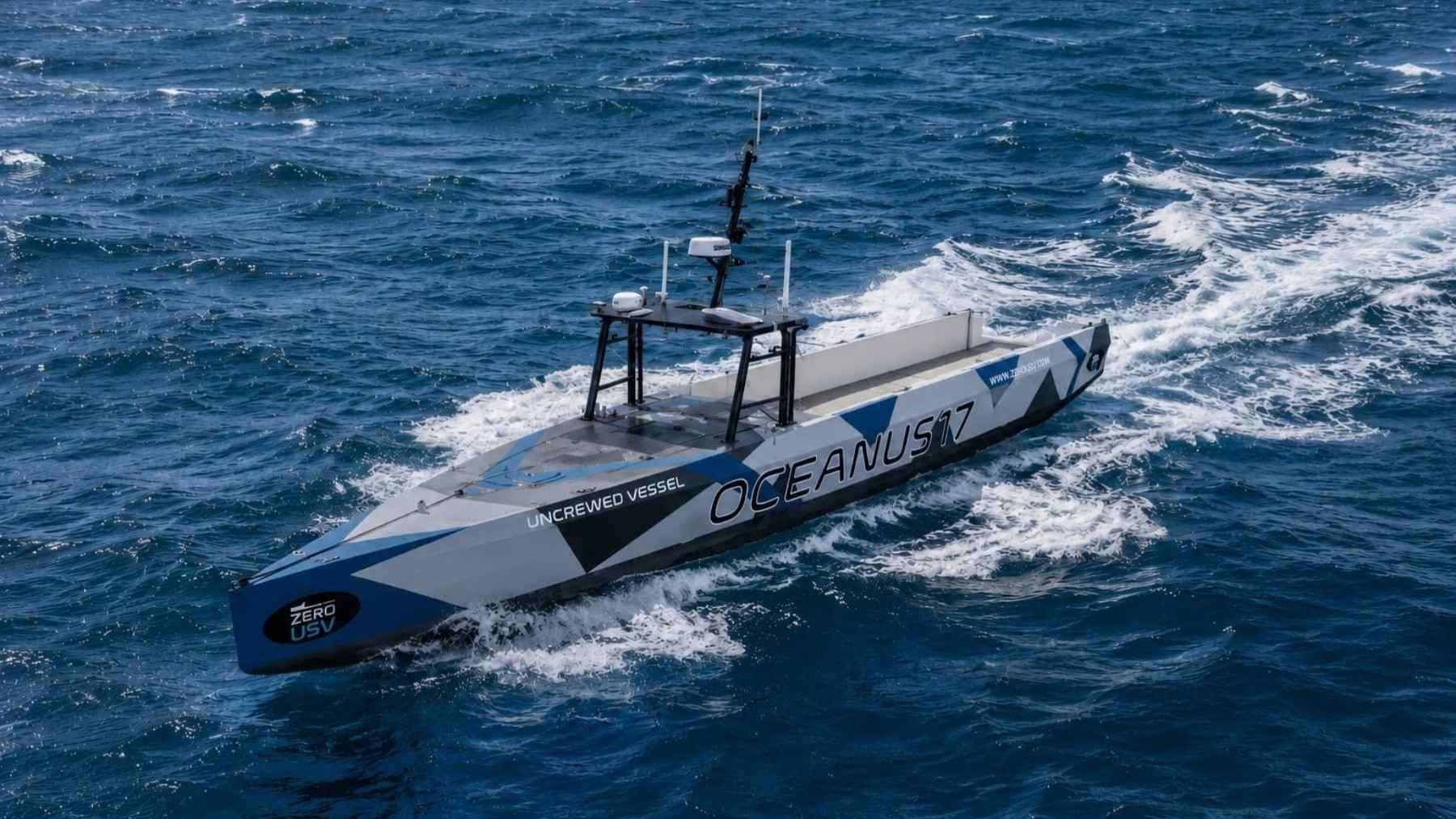
Missiles aren’t the only interceptors getting attention, either. Last month we covered a 39-foot drone boat that carries 18 nine-pound interceptor drones on its deck, and the Army has ordered dozens of 30-kilowatt lasers to burn drones out of the sky. A Tamir weighs roughly 200 pounds, against about nine for one of those interceptor drones.
A lot of the Tamir was already American
So if most of the parts were already American, why bother building the whole missile here?
Defense contractors have a name for a finished, ready-to-fire missile. They call it an “all-up round,” and it’s basically the difference between shipping a crate of parts and shipping the actual missile. When the Camden plant opened last November, R2S described it as the first facility in the U.S. set up to build all-up rounds of the Tamir and its American version, SkyHunter.
Which means Israel now has a second place to get finished Tamirs from, and the U.S. has a production line on its own soil for a missile its Marines are already firing. Frankly, a second factory seems like a pretty sensible thing to have for a missile two militaries now rely on.
Israel’s already a paying customer. Last November, R2S landed a $1.25 billion order from Israel for Tamir missiles, test equipment and missile kits. That’s what’s called a direct commercial sale, which basically means Israel’s buying straight from the companies instead of going through the Pentagon. The companies didn’t say how many missiles that buys.
The Marines’ version is called SkyHunter
The other customer in that October 9 announcement is the U.S. Marine Corps. The Marines have their own air defense system built on Iron Dome technology and paired with Marine radar and command gear, and they call it the Medium-Range Intercept Capability, or MRIC.
Before MRIC, the Corps’ own air defense mostly meant the Stinger, the shoulder-fired missile you’ve probably seen on the news. A Marine major made pretty much that point after a test this summer, saying that until MRIC, his unit had largely been a short-range outfit.
It was a live-fire test, too. On June 30, the Marines fired MRIC at Camp Blaz, Guam, during the Valiant Shield exercise and hit aerial targets, according to the military’s account.
The Marines’ first interceptors for MRIC came from overseas. Israel’s Missile Defense Organization and Rafael said this spring that they’d delivered the first batch of Tamirs to the Marine Corps.
RTX says the Camden plant is planning to build SkyHunters for MRIC too, but it hasn’t said when the first one will roll off the line. I’d guess the Marines are keeping a pretty close eye on that.
Camden is already a missile town
If you’re wondering why a missile developed in Israel is being built in south Arkansas, it’s partly because Raytheon already had production capacity in East Camden’s Highland Industrial Park, and the new plant builds on it, according to the state. Lockheed Martin says it builds Patriot PAC-3 MSE interceptors in the park too. The state expects the new plant to employ up to 60 people.
The joint venture says the plant got production up and running quickly after it opened last November. Going from opening day to a delivery ceremony in less than a year is a pretty quick turnaround for a missile plant, if you ask me.
I wish I could tell you how many Tamirs the plant can build. I went through the RTX announcement, the Israeli statement from the ceremony and the local coverage, and I couldn’t find a production number anywhere.
RTX’s release talks about the first Tamir interceptors, plural, while the Israeli statement talks about the first Tamir interceptor, singular. Both stop short of a count. R2S only says it’s scaling up output. That’s fairly normal for a defense press release, if a little frustrating when you’d like to know whether we’re talking about a handful of missiles or a few hundred.
So the first Camden-built Tamir went to Israel’s Missile Defense Organization on October 7, with Arkansas Gov. Sarah Huckabee Sanders and Sen. Tom Cotton among the officials at the ceremony.