
Most nuclear news is about things going up. New builds, small modular reactors, groundbreaking ceremonies with clean hard hats and gold shovels. The biggest nuclear job on the continent right now runs the other way.
Next month Ontario takes four working reactors off the grid on purpose, and then spends C$26.8 billion putting them back together. The machines will not push a watt onto the system for most of the next decade.
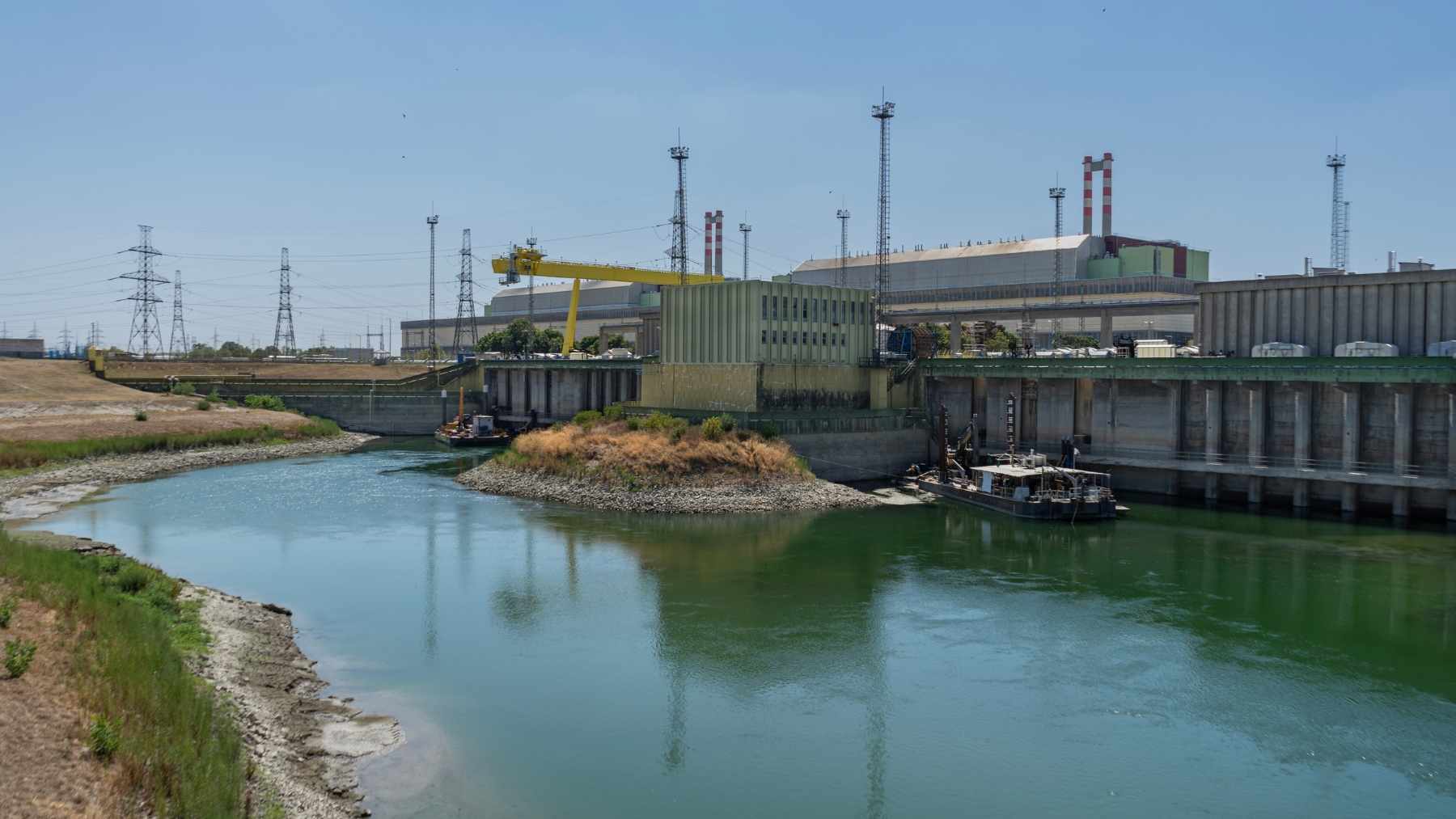
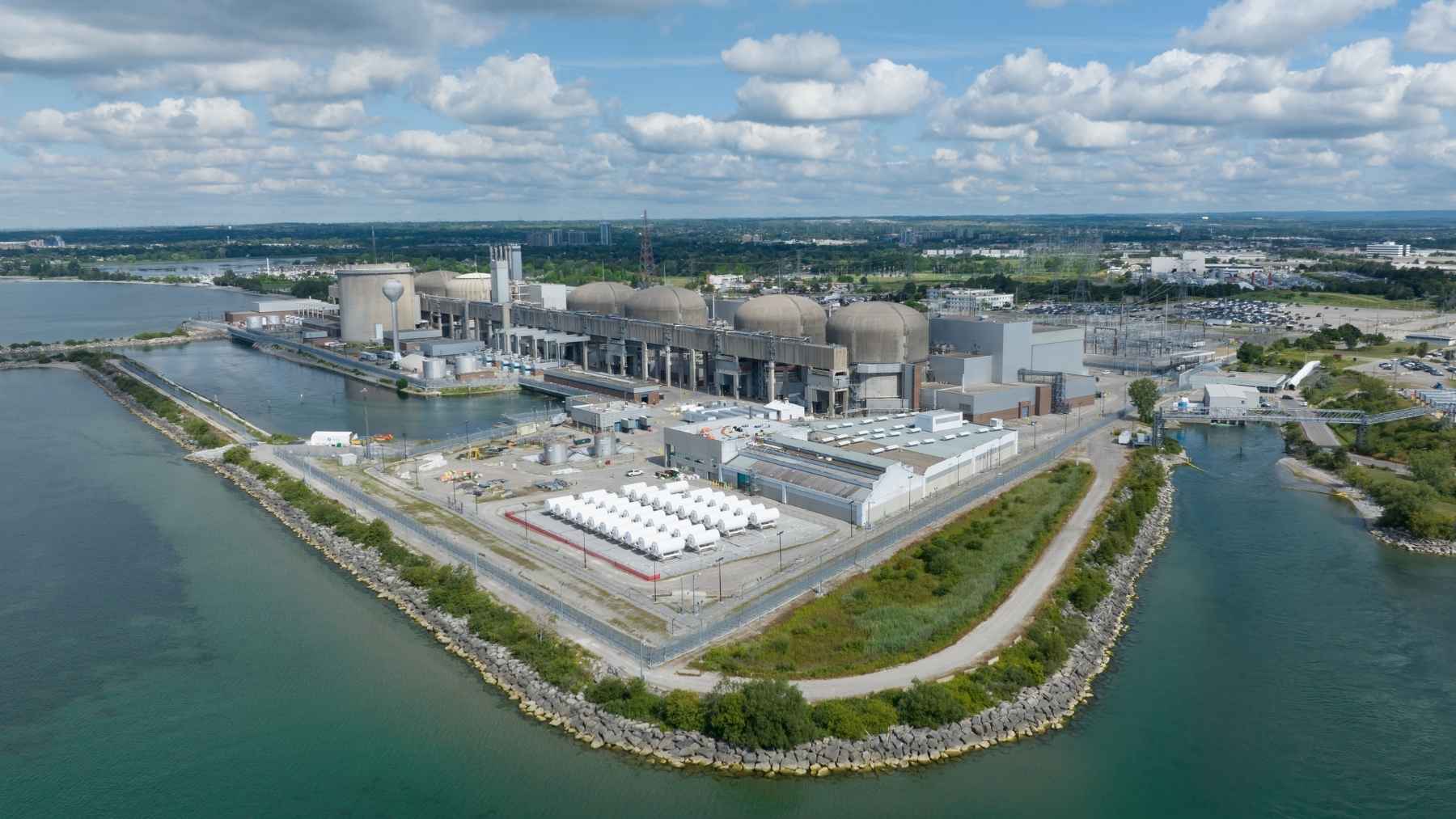
The station is Pickering, sitting on the north shore of Lake Ontario about 22 miles east of downtown Toronto. Four units still run there, numbers 5 through 8, known together as Pickering B. They came online between 1983 and 1986, and they are due.
Ontario Power Generation said in a July 22 project update that all four are set to come offline in September. That is 2,100 megawatts leaving the grid in a single month, and nobody opens a reactor until January.
The units go dark in September and nothing gets cut until January
There is a gap between switching a CANDU off and cutting into it. At Pickering that gap runs about four months.
After the September shutdown, OPG defuels and dewaters all four units. That means pulling every fuel bundle out of every core, and each Pickering reactor holds 4,560 of them, then draining the heavy water before a single component comes apart.
OPG’s year-end financial filing puts the execution phase at January 2027, starting with Unit 5. The other three follow one at a time, with everything back in service by the mid-2030s.
So this is not four open-heart surgeries running in parallel, whatever the headline number suggests. It is four patients wheeled into the waiting room on the same day and operated on in sequence, which is a very different thing for a grid to absorb.
Pickering has 12 boilers per reactor. Darlington has four
This is the number that explains the price tag.
A CANDU rebuild normally means pressure tubes, calandria tubes, feeder pipes and fuel channels. Steam generators, the tall vertical boilers that turn reactor heat into turbine steam, usually get inspected and left alone if they pass.
At Darlington they passed. Its 16 boilers, four per reactor, were checked and stayed where they were.
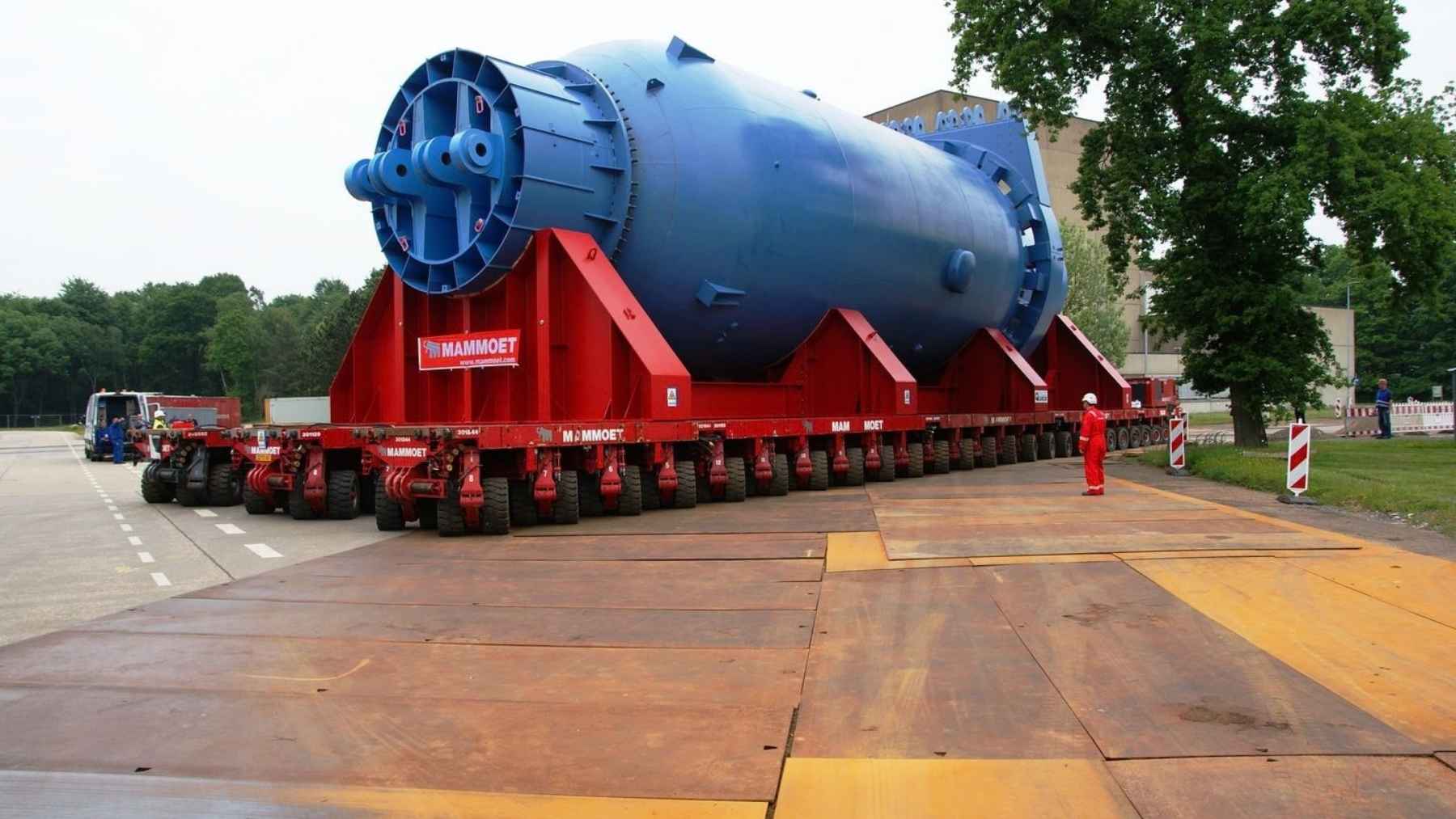
Pickering carries 12 per reactor. All 48 are coming out and being replaced, which is why OPG calls this a more complex and larger project than Darlington. BWXT Canada is building the replacements at its Cambridge, Ontario plant under a C$960 million contract that runs seven years.
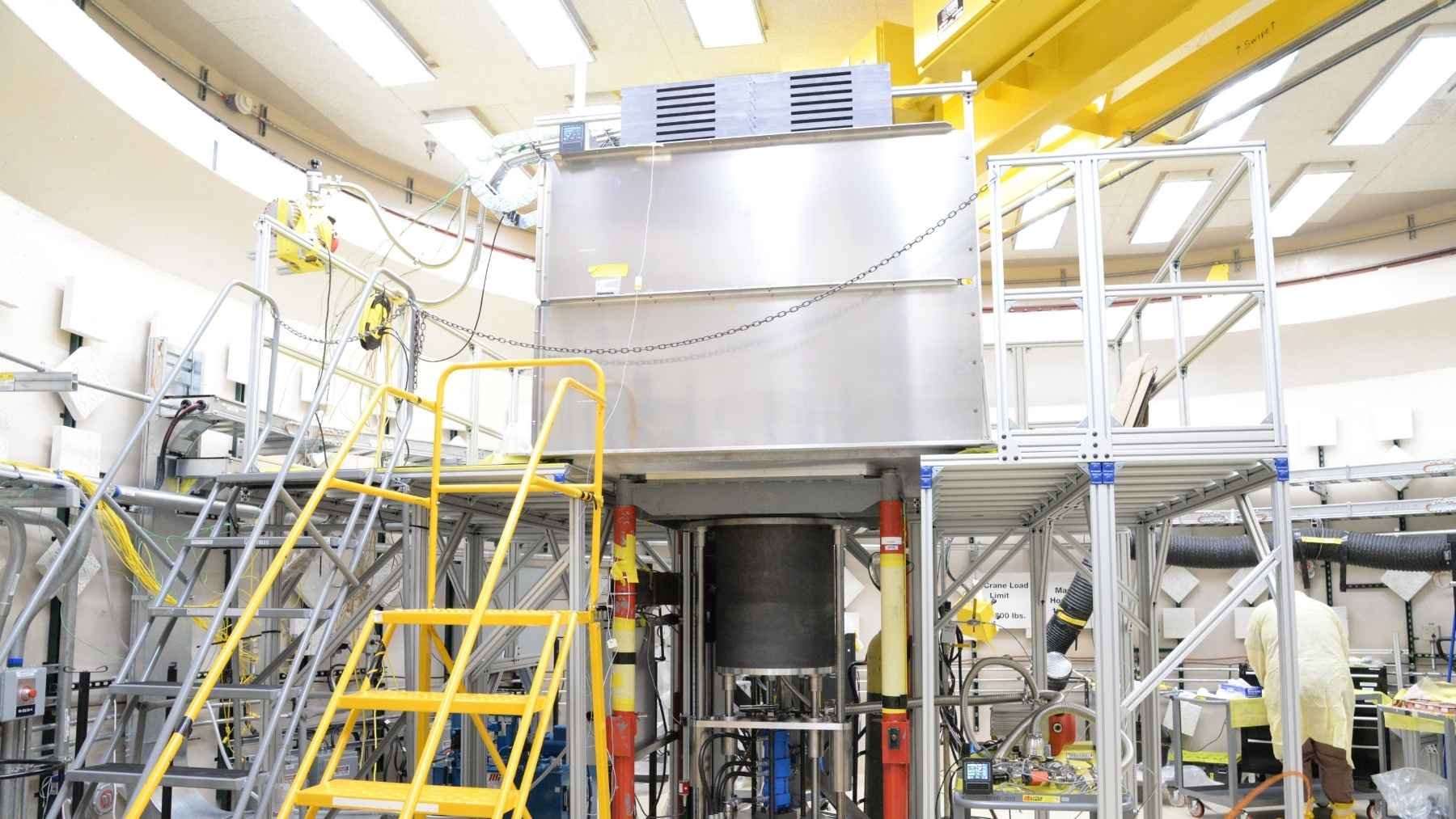
Getting a boiler that size in or out means cutting through the top of a reactor building. OPG has partnered with CanAtom on a full-scale dome mock-up at the Darlington Energy Complex, a curved elevated concrete slab roughly 45 by 60 feet standing nearly 40 feet above grade, built purely so crews can rehearse the cut before doing it on a real one.
If that maneuver sounds familiar, it should. Bruce Power ran a version of it on its Unit 3, cutting a hole in the roof and craning out eight 100-ton boilers. Pickering has to pull that off four separate times, with 12 boilers apiece.
The fuel channel count actually runs the other way, which is worth saying out loud. Pickering replaces 380 per reactor, 1,520 across the four units. Darlington replaced 1,920. The retube itself is the slightly smaller job here, which makes the price gap harder to explain until you get to the boilers.
The station is also getting a mile-long straw into Lake Ontario
Pickering’s cooling water intake was built close to the shoreline in the early 1970s and has been a nuisance ever since. Shallow water is warmer, and it carries algae, which fouls condensers and has forced the station to cut output.
The rebuild adds a new 1,500-meter deep-water intake structure reaching out to colder water further from shore. Darlington got one from its original construction, so that cost never landed on its ledger.
Add replacement steam turbines and a control room built in the era of rotary phones, and the bill starts making sense.
The per-megawatt math is brutal, and OPG has already run it once before
Darlington’s four-unit rebuild finished this year, four months early and C$150 million under its C$12.8 billion budget, with Unit 4 back at full power in March. It secured more than 3,500 megawatts for another 30 years.
Pickering costs more than double and secures 2,100 megawatts, rising to about 2,200 once the expected uprate is counted. Divide it out and Darlington landed near C$3.7 million per megawatt secured. Pickering sits north of C$12 million.
Some of that gap is nine years of construction inflation between the two estimates, which the province has acknowledged. The rest is the boilers, the turbines, the intake, and the plain fact that Pickering B is about a decade older.
None of this is a new calculation. OPG studied refurbishing Pickering B starting in 2006 and walked away a few years later, its board warning the units risked performing poorly once returned to service and costing too much to run. The estimate on the table then was C$10.7 billion.
ATS Industrial Automation is building the specialized tooling that pulls the fuel channels, inspects them and installs the replacements. OPG says it is carrying more than 8,000 documented lessons over from Darlington, which is either reassuring or a hint at how many ways a job like this can go sideways.
Something else at Pickering switches off in September
Pickering has a second product line, and it has been running since 1971.
Cobalt-60 grows on adjuster rods inside the core and ships to Nordion in Ottawa, which turns it into the gamma sources that sterilize about 30 percent of the world’s single-use medical devices. Syringes, gloves, implants, surgical instruments.
Late in 2025 the station pulled its biggest harvest on record during a maintenance outage on Unit 6, enough to sterilize roughly 4.3 billion syringes by OPG’s own count.
OPG saw the gap coming years ago. During Darlington’s rebuild it modified Unit 1 to produce cobalt-60, and that unit started delivering last year. Ontario reactors supply roughly half the world’s cobalt-60, and the province has been quietly building isotope capacity into reactors that are still making power, so the handoff matters a long way outside Ontario.
The regulator has not actually said yes yet
Worth being precise here, because a province approving something and a regulator licensing it are two different events.
Pickering’s current license lets Units 5 through 8 operate until December 31, 2026, capped at 305,000 equivalent full power hours. OPG applied in June 2025 for a new 10-year license covering January 2027 through December 2036, the one that would actually authorize the refurbishment.
The Canadian Nuclear Safety Commission is handling it as a two-part public hearing. Part 1 ran on June 23. Part 2 is set for the week of October 5, by which point the reactors will already be cold.
There is a small wrinkle in the dates worth flagging. OPG says September for the shutdown. The IESO’s June planning update models the Pickering B outage as beginning in October. Either way the license expires on New Year’s Eve and the tools go in during January.
What covers 2,100 megawatts walking out the door
Ontario’s grid operator says the province is covered. Its latest 18-month Reliability Outlook counts more than 1,000 megawatts of new capacity added since last summer, with battery storage now more than triple what it was.
The province has also amended the Ontario Energy Board Act so OPG can start recovering some Pickering costs from ratepayers now rather than when the units return. Bills go up first, power comes back later.
Whether that reads as prudent or expensive depends almost entirely on whether the crews at Pickering repeat what the crews at Darlington managed. The 200,000-square-foot training hall where 2,800 of them will learn the job opens in December. The first cut into a real reactor comes about a month after that.