
Most of the noise around nuclear right now goes to new reactors. Small modular reactors on slick conference slides, fusion machines in startup press kits, the next big build that’s always a couple of years out.
The quieter story is what happens to the reactors that already exist. And in Ontario, that story just got loud.
Bruce Power cut into the roof of an operating nuclear station, hauled eight steam generators weighing 100 metric tons each (about 110 US tons) out through the top, and lowered brand-new ones into the same hole. Then it brought the reactor back online on June 8, according to Bruce Power, seven months ahead of schedule.
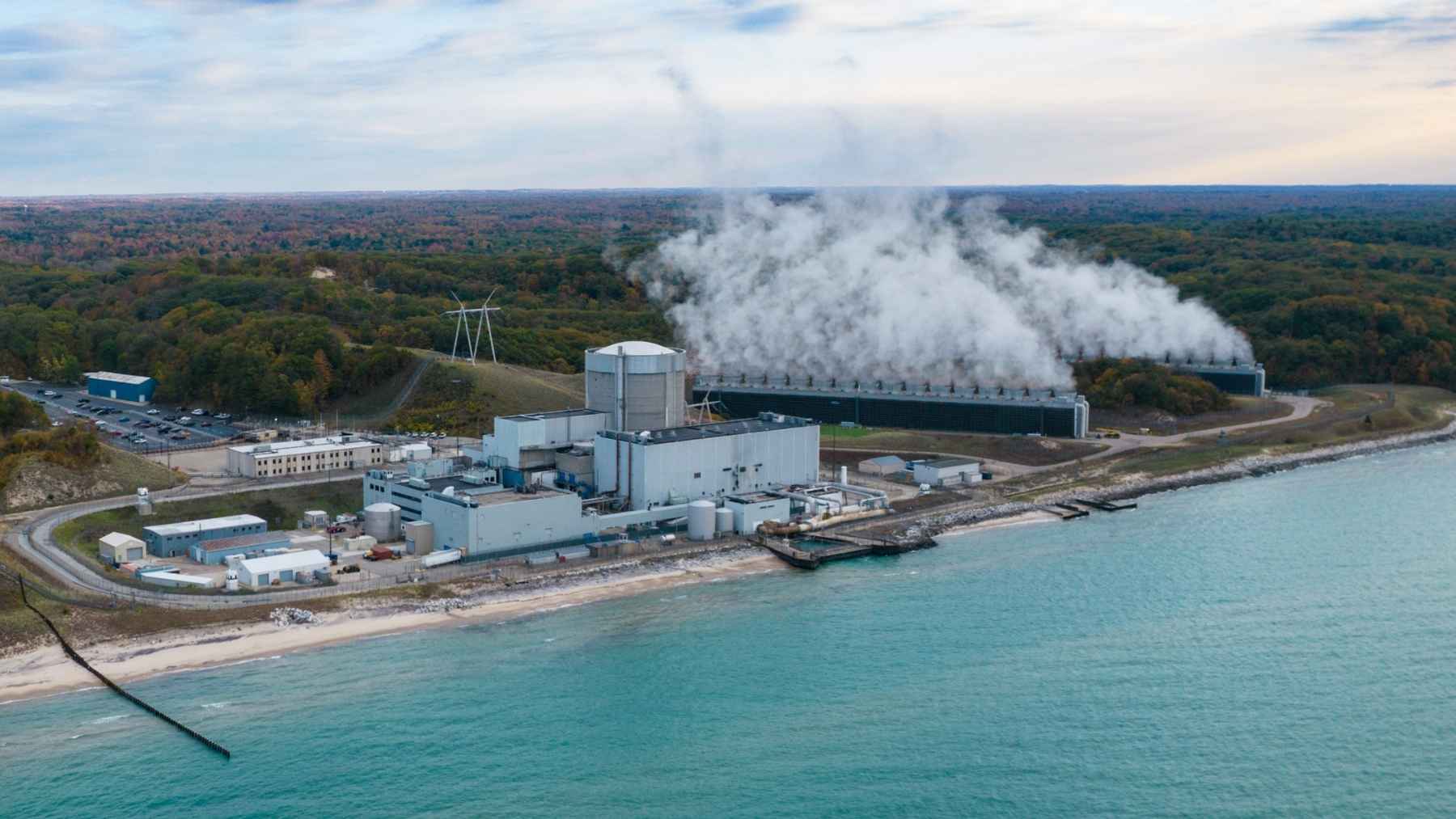
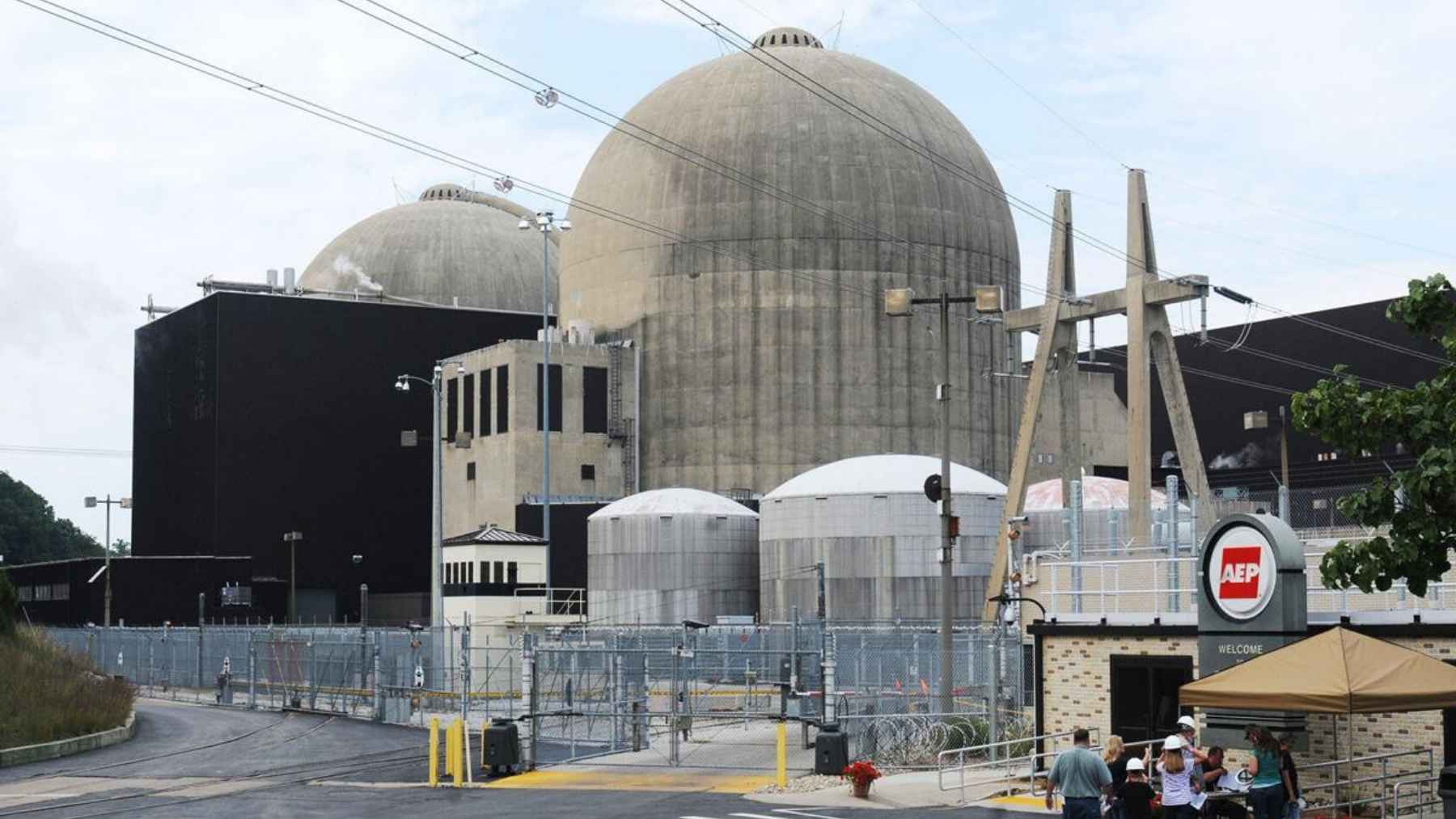
The unit is Bruce Unit 3, a CANDU reactor on the shore of Lake Huron that first came online in the late 1970s. It had been shut down since March 2023 for the kind of mid-life overhaul that keeps an aging machine alive for another three and a half decades.
This particular reactor has some history. Back in 1982 it set what was then a world record for a power reactor, running 494 days without stopping. Forty-odd years later, crews had to take most of its core apart to keep it going.
Eight boilers, one hole in the roof
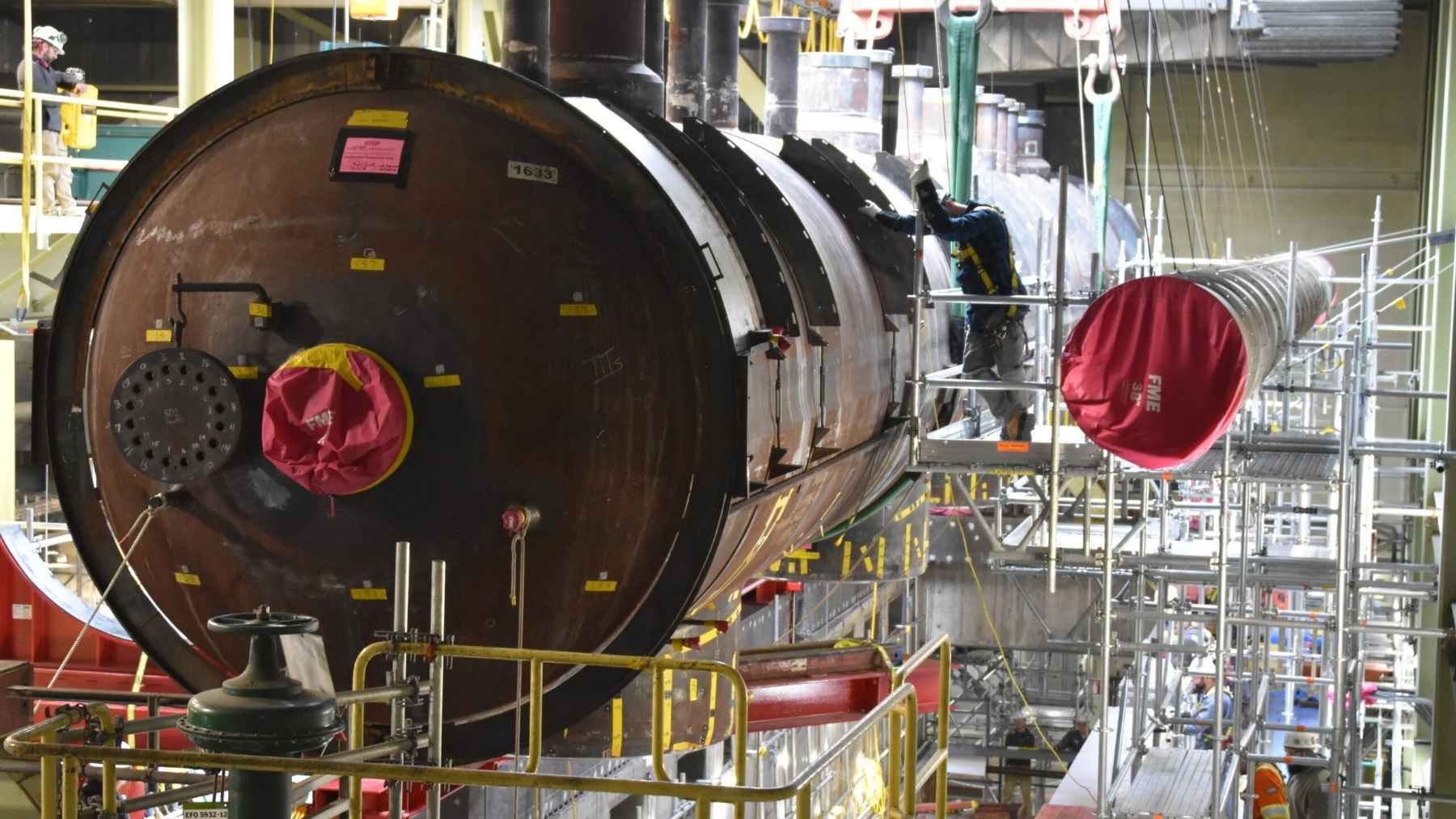
A CANDU steam generator is not a small thing. Each one stands about 12 meters tall, close to 39 feet, and weighs 100 metric tons. Bruce Unit 3 has eight of them.
You can’t carry something like that out a door. So the crews went up.
Before the old generators could move, the original steam drums (roughly 300 metric tons apiece) had to be slid out of the way on a track system and set aside. Bruce A was built with a design most plants dropped: a single large horizontal steam drum shared across the generators, which makes the whole thing awkward to take apart.
Then came the heavy part. Over about six months, the team lifted the eight aging 100-ton generators up and out through the roof of the Bruce A station, and lowered the replacements back down into the same opening.
The crane doing the lifting was Mammoet’s PTC-35, a ring crane that stands more than 100 meters tall. The replacement generators weren’t fresh off a truck, either. They were built by BWXT in Cambridge, Ontario about 20 years ago and parked on the Bruce site, waiting for their reactor’s turn.
The boilers were only part of it
Swapping the steam generators is the most photogenic piece of the job. It isn’t the whole job.
A reactor like this runs on fuel channels, the pressure tubes that hold the uranium bundles and let the heavy-water coolant flow past them. A Bruce A reactor has 480 of them. The metal degrades over time, so a full overhaul means pulling and replacing every channel.
Each channel is capped at both ends, which puts 960 end fittings on the to-do list before you even reach the feeder pipes that plumb coolant in and out. Unit 3’s feeder tubes were replaced too.
Bruce Power says the project hit a few firsts on the way. It was the first time robotic tools were used on a CANDU reactor face to rebuild one of these units. And the team set a CANDU record for calandria tube removal, finishing that step 11 days early.
None of that reads as cleanly in a photo as a 100-ton boiler dangling from a crane. But it’s the part that actually resets the clock on the reactor.
What seven months early actually buys
Bruce Unit 3 is rated to put more than 800 megawatts onto Ontario’s grid, enough to power more than 800,000 homes, or a city about the size of Brampton. The overhaul extends its life by more than 35 years, which keeps it running deep into the 2060s.
The schedule is where the headline number comes from. Unit 3 was originally due back in January 2027. It came back on June 8, 2026 instead.
Bruce Power expects to hand roughly $150 million (CAD) back to Ontario ratepayers through the province’s grid operator, the IESO, because the work landed early and under budget. Provisions written into Bruce Power’s refurbishment deal pass savings like that on to the public rather than the company.
Here’s the job by the numbers:
Eric Chassard, Bruce Power’s president and CEO, framed the result as proof that large nuclear projects in Ontario can be delivered “safely, efficiently, and with real benefits for ratepayers.”
Ontario is rebuilding its whole nuclear fleet
Unit 3 isn’t a one-off. It’s the second of six Bruce reactors getting this treatment under the company’s Life-Extension Program, an effort worth about $13 billion (CAD) to refurbish Units 3 through 8 between 2020 and 2033 and keep the site running to 2064.
Unit 6 went first and came back in 2023. Unit 4 is already torn down for its own overhaul, and Unit 5 is scheduled to start in November.
The province is leaning this hard on nuclear because it expects to need a lot more power. Ontario’s grid operator projects electricity demand could climb by up to about 90 percent by 2050, driven by electrification, EV adoption and data centers. Nuclear already supplies roughly half of the province’s electricity today.
Refurbishment is the unglamorous half of the plan. The flashy half is new construction. Ontario just finished what the province calls the world’s largest nuclear refurbishment at Darlington, its other big station, and started building the Western world’s first grid-scale small modular reactor on the same site. We covered that 953-tonne basemat lift here.
Stephen Lecce, Ontario’s Minister of Energy and Mines, leaned into the contrast when Unit 3 came back. He noted that after Darlington, critics said it “couldn’t be done again,” and put Bruce up as the answer to them.
Bruce Power wants to build new, too. In May it signed a $300 million (CAD) pre-development agreement with the province for Bruce C, a proposed expansion of up to 4,800 megawatts of brand-new capacity on the existing site. If it gets built, it would make Bruce the largest nuclear station in the world. The federal impact assessment is expected to wrap in 2028, and a reactor technology hasn’t been chosen yet.
It’s a domestic effort, too. Bruce Power says around 95 percent of its spending stays in Canada, feeding an Ontario nuclear industry that supports something like 80,000 jobs.
For now, the trade press calls Bruce one of the largest operating stations on the planet, and the heaviest work there still happens the old-fashioned way: a very big crane and a hole in the roof. Britain did the same thing in reverse not long ago, lowering a 500-ton reactor into place with the largest crane on Earth.
The boring half is doing the work
The small reactor on the slide deck might be the future. The 1970s one with new boilers is the present, and it’s the one feeding the grid this summer.
Pulling eight 100-ton machines out through a roof to buy a reactor another 35 years isn’t elegant. It’s just heavy, slow, expensive work that happens to land ahead of schedule when it’s run well. Ontario keeps proving that’s worth more than it sounds.
 arthurb ROOKIE3 months ago