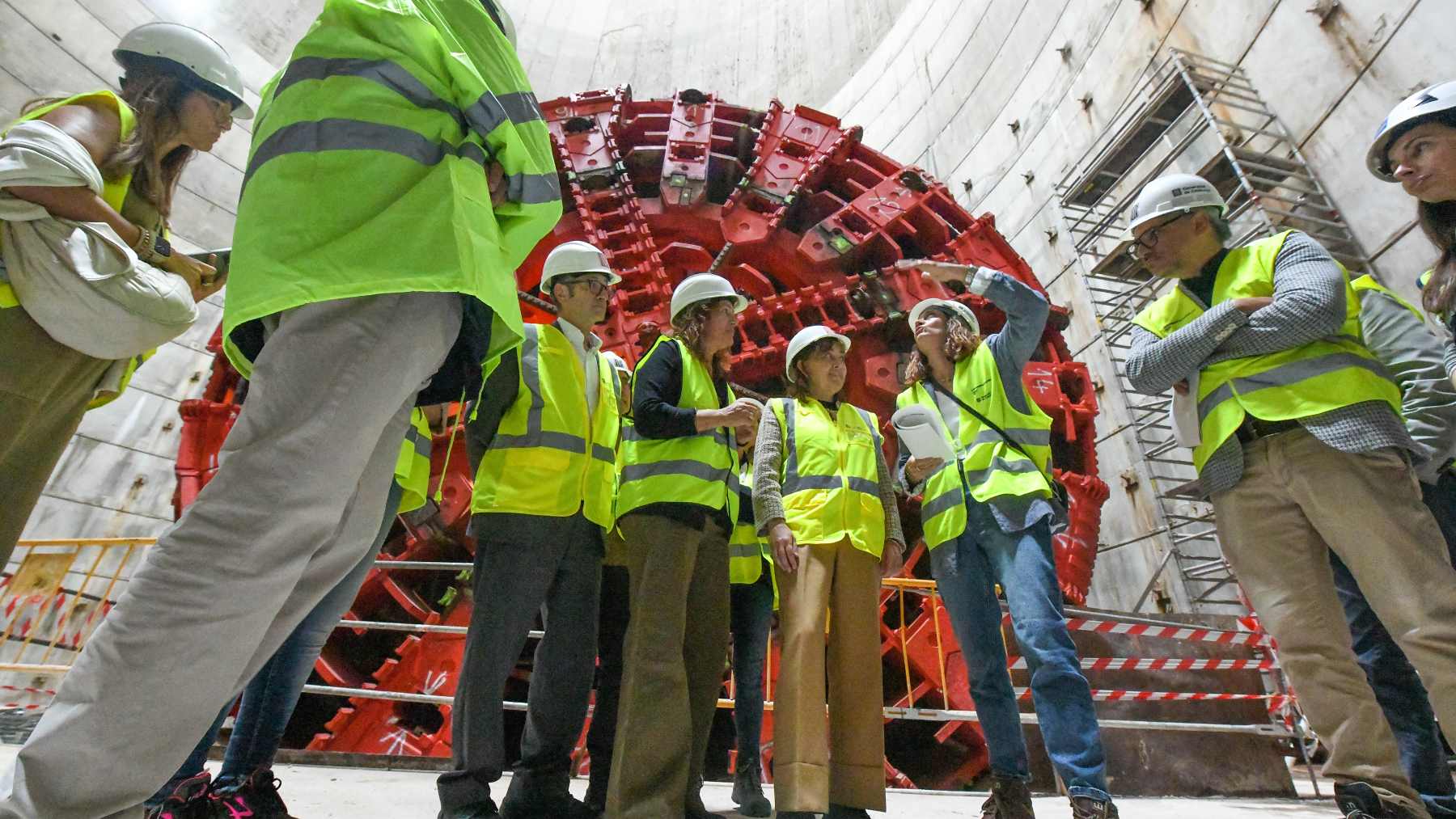

- 3 MONTHS AGO · ENERGYA shop floor in Derby is building the fifth reactor for a British submarine class that has no hull yet, the first steel gets cut at Barrow in 2027, the site around it is doubling by a million square feet and 1,170 jobs, and Australia is part-paying for the concrete
- 2 MONTHS AGO · ENERGYA 50-megawatt nuclear station gets built inside a shipyard, sails to the Canadian coast as cargo on a heavy-lift ship and gets bolted to the shore before a single fuel pellet goes near it, and sails off to a factory to be taken apart when it dies
- 2 MONTHS AGO · ENERGYA nuclear plant’s reactor building left Vermont as 28,000 cubic yards of radioactive concrete bound for a Texas disposal site, and the hole gets filled with 28,000 cubic yards of clean crushed rock from a local quarry, 45 years ahead of the original schedule
- 1 MONTH AGO · ENERGYA 262-foot stack at a German nuclear plant tipped onto its side within seconds of the charges going off, and the 157-foot steel sphere that held the reactor comes down next, cleared to be cut up for scrap, so the site can stop being a nuclear plant after 21 years of teardown
- TODAY · THIS ARTICLEA 529-ton reactor pulled out of a German nuclear cargo ship has sat empty of fuel in a concrete shaft near Hamburg for 45 years, and regulators just cleared the hall where it will be cut into pieces and packed for disposal, part of a 17-year teardown of the research site around it
If the name Otto Hahn rings a bell, it’s probably from a chemistry class. He’s the German chemist who won the 1944 Nobel Prize in Chemistry for discovering nuclear fission, and in the 1960s West Germany put his name on a ship that actually ran on it.
The ship stopped running on nuclear power in 1979. The reactor that pushed her around the world got a much quieter retirement. It’s been sitting in a concrete shaft on a research campus a little southeast of Hamburg since 1981, with no fuel inside, waiting its turn.
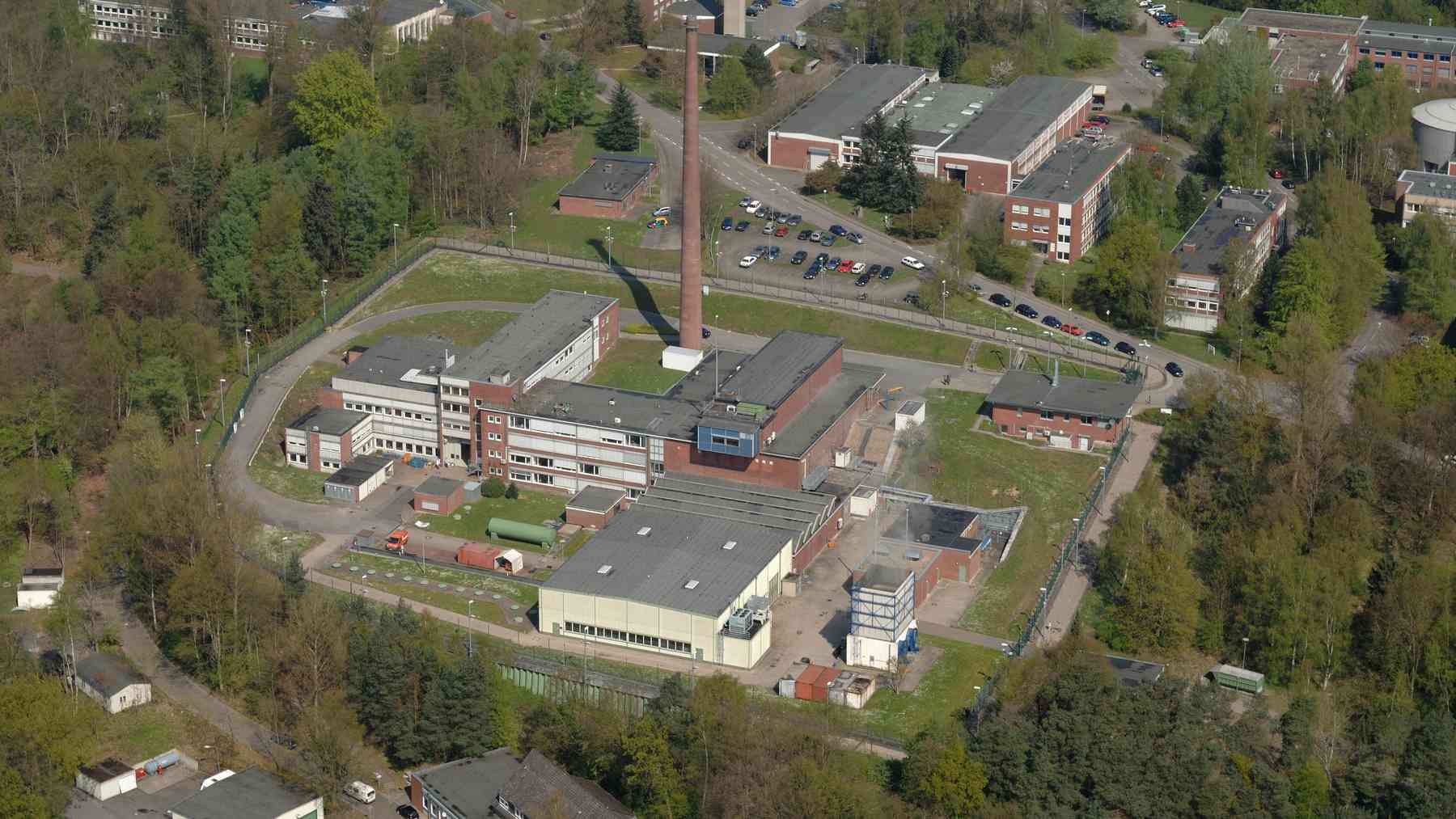
On November 9, that turn got a lot closer. Schleswig-Holstein’s environment ministry in Kiel handed the Helmholtz-Zentrum Hereon, the research center that runs the site in Geesthacht, its permit to decommission and tear down the whole research reactor facility there. The same permit lets Hereon build and run a dismantling hall, and according to the ministry, that’s where the ship’s reactor pressure vessel will be cut up and prepared for disposal.
So when does the cutting start?
Neither the ministry nor Hereon has put a date on it. In its announcement, Hereon says the vessel will be safely cut apart and disposed of as part of the teardown, which it expects to take about 17 years and cost €150 million. That’s for the entire site, not just the ship’s reactor. And Michael Iwainski Bremm, who heads the research reactor facility at Hereon, made a point of saying that a lot of technical steps still need a separate sign-off from the nuclear regulator in Kiel, permit or no permit.
So what’s actually down in that shaft?
A reactor pressure vessel is the steel container the nuclear fuel sits in. Water gets pumped through it under so much pressure that it can’t boil, and that hot water is what eventually makes the steam that spins a turbine.
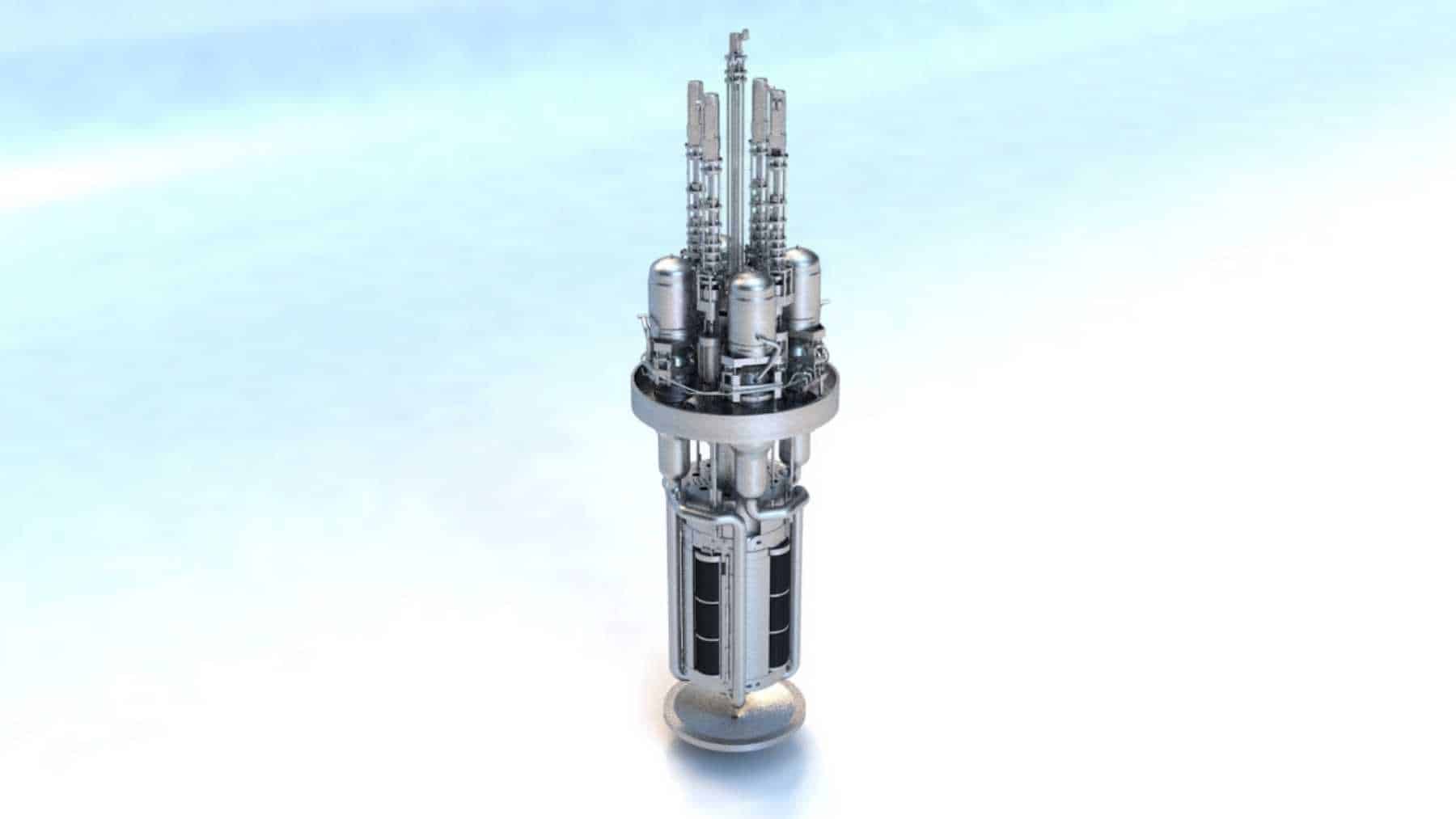
The Otto Hahn’s version is a little unusual, and it’s frankly a pretty clever bit of packaging for a ship. In most reactors, you’d find the pumps and steam generators outside the vessel, hooked up with big pipes. On this one, the whole primary cooling loop was built into the vessel and the shield tank wrapped around it, with the steam generator inside the vessel and the main coolant pumps in the shield tank. That’s according to a 2015 review of the dismantling plan by the engineering consultancy intac, which the research center commissioned in coordination with a local citizens’ group that follows the project.
If you’re wondering what a shield tank is, it’s basically a thick jacket around the reactor core. Its job was to soak up the radiation, mostly neutrons, before it reached the rest of the ship.
All in, the package weighs about 480 metric tons, or roughly 529 tons, according to a 2017 presentation by Peter Schreiner, then head of the center’s research reactor division. The bare pressure vessel accounts for only about 72 metric tons (around 79 tons) of that, with walls roughly 2¾ inches thick, per the Deutsches Museum in Munich, which keeps a 1:10 model of it.
It’s about 8 feet across at the vessel itself, somewhere between 18 and 20 feet wide across the shield tank, and roughly 36 to 38 feet tall. The center’s planning papers don’t quite agree with each other on those last two numbers, so I’m giving you the range. The review also says everything that was inside it when it left the ship is still in there. Minus the fuel, of course.
The ship it came from had a pretty short nuclear career
The propulsion system was developed in Geesthacht by GKSS, a society set up to put nuclear energy to work in shipbuilding and shipping, and Hereon is what that organization eventually became. According to Hereon, the research reactor on the campus, built in 1956, played a central role in developing the ship in the 1960s.
Hereon calls her a nuclear-powered research ship and says she was one of the few civilian merchant ships anywhere to run on a reactor. She was in service from 1968 to 1979, hauling cargo while doubling as a test bed for nuclear ship propulsion.
She wasn’t small. A 1971 technical paper in the Transactions of the Institute of Marine Engineers lists her at 564 feet long and 16,870 gross register tons. Gross tonnage measures a ship’s enclosed volume rather than its weight, which trips up pretty much everybody the first time.
She also got around. The European Nuclear Society says she’d covered 642,000 nautical miles (about 739,000 miles) by the end of 1978. Over the same stretch she carried 776,000 metric tons of freight, or roughly 855,000 tons.
America had its own version, and we’ve covered the NS Savannah’s uncertain retirement in Baltimore. The German ship’s reactor took a different route.
After the reactor was shut down for good in 1979 and a decommissioning permit came through in 1980, crews took the pressure vessel and its shield tank out of the hull as one unit. It traveled to Geesthacht in 1981 by water and then by road, according to the 2015 review, and Schreiner’s presentation shows a mobile crane lowering it into the concrete shaft that had been built for it.
So why is it still there 45 years later?
It was never supposed to stay this long. The review cites a 1981 Der Spiegel article in which the then-managing director of GKSS put the expected storage time at five to six years. If your contractor blew a schedule like that, you’d pretty much have to fire them.
The paperwork is part of the story. The 1981 storage permit covered parts of the ship kept for scientific examination, and the review says the materials testing program originally planned for the vessel never actually happened. It also pointed out that the permit required the shaft to be opened regularly to check for damage or water.
The reviewers weren’t thrilled with the shaft, either. They noted that the research center itself didn’t consider the shaft qualified to keep groundwater out, especially at the bottom, and recommended against storing the vessel there much longer. I’d argue that’s the best case for getting the cutting hall built.
Meanwhile, the reactor next door kept working for decades. After the ship project, Hereon says its FRG-1 reactor became a neutron source for materials research, until it shut down for good in 2010 after more than 50 years. The last 25 fuel assemblies left Geesthacht on June 24, 2012, headed to the US Department of Energy, according to Schreiner’s presentation, and Hereon says the site has been fuel-free ever since.
The research center, still called the Helmholtz-Zentrum Geesthacht back then, filed for the decommissioning permit on March 21, 2013, according to the state’s licensing page. In March 2016, the procedure was widened to cover the whole site, and the version that went out for public review that December included cutting up the ship’s reactor. The ministry’s November 9 release simply says the dismantling was applied for in 2016.
So how do you cut up a ship’s reactor?
The November 9 announcements don’t describe a method, so the best guide I’ve found is the design plan the center commissioned in 2013, as summarized in that 2015 review. You should read it as the plan as of then, not a promise about what crews will actually do.
The center’s planners wanted the dismantling hall right over the shaft, with the shaft opened up into it. Workers would pull the three main coolant pumps out of the shield tank first. Then they’d partly flood the vessel with water, which cuts the radiation dose for the crew and keeps contaminated dust out of the air.
Next would come the control rod drive shafts, the lid and the support frame, then the steam generator. The plan had the steam generator leaving in one piece for treatment at another facility, though the reviewers suggested cutting it up on site instead. The core internals would be cut apart underwater with thermal cutting gear, which just means tools that melt through steel instead of sawing it. The vessel itself would come apart in rings from the top down, with a suction hood above each cut pulling the fumes through filters.
I wouldn’t assume that sequence survives untouched. Hereon’s release only commits to cutting the vessel up safely and disposing of it properly, and Kiel still has to approve plenty of individual steps along the way.
The plan also put a number on the leftovers. Out of the 480-metric-ton vessel package and 3,460 metric tons of building, it estimated about 82 metric tons (roughly 90 tons) would end up as radioactive waste, most of it from the vessel. Anything that measures clean enough after decontamination can be released as ordinary material.
Then there’s the question of where the radioactive pieces end up. The 2013 plan had them packed into shielded casks or standard containers built for Schacht Konrad and stored on site until that repository can take them. Konrad, a former iron ore mine in Salzgitter, is Germany’s planned repository for low- and intermediate-level waste, and it isn’t accepting any yet. BGE, the federal company building it, says construction should wrap up in the first half of 2027, and the first waste packages only arrive in a commissioning phase after that.
Germany has handled an old reactor vessel very differently before. At Jülich, a cleanup company filled one with concrete and drove it whole to a storage hall, partly because there was nowhere to send the pieces. Hereon is going the other way and cutting.
The 17 years are for the whole campus
That €150 million and 17-year estimate covers the entire research reactor facility, not just the ship’s reactor. Environment Minister Tobias Goldschmidt pointed out that a research reactor isn’t a power plant and leaves far less material to deal with, but said the job is still complex and held to the same safety standards.
Hereon’s scientific director, Oliver Zielinski, said the plans were shaped by more than ten years of public dialogue with residents, environmental groups and local officials, and that the center will keep those talks going during the teardown. That’s a lot of meetings. Then again, next to 45 years in a shaft, it’s practically a rounding error.
We still don’t know most of what you’d want to know about the vessel itself: when the hall goes up, when the first cut happens, which method the regulator signs off on, and how much radioactivity is left inside today. Hereon hasn’t published any of that with this announcement.
Kiel’s environment ministry handed Hereon the dismantling permit on November 9, 2026, and the research center has budgeted about 17 years to take the whole site down, the Otto Hahn’s reactor included.
Credit: Hereon
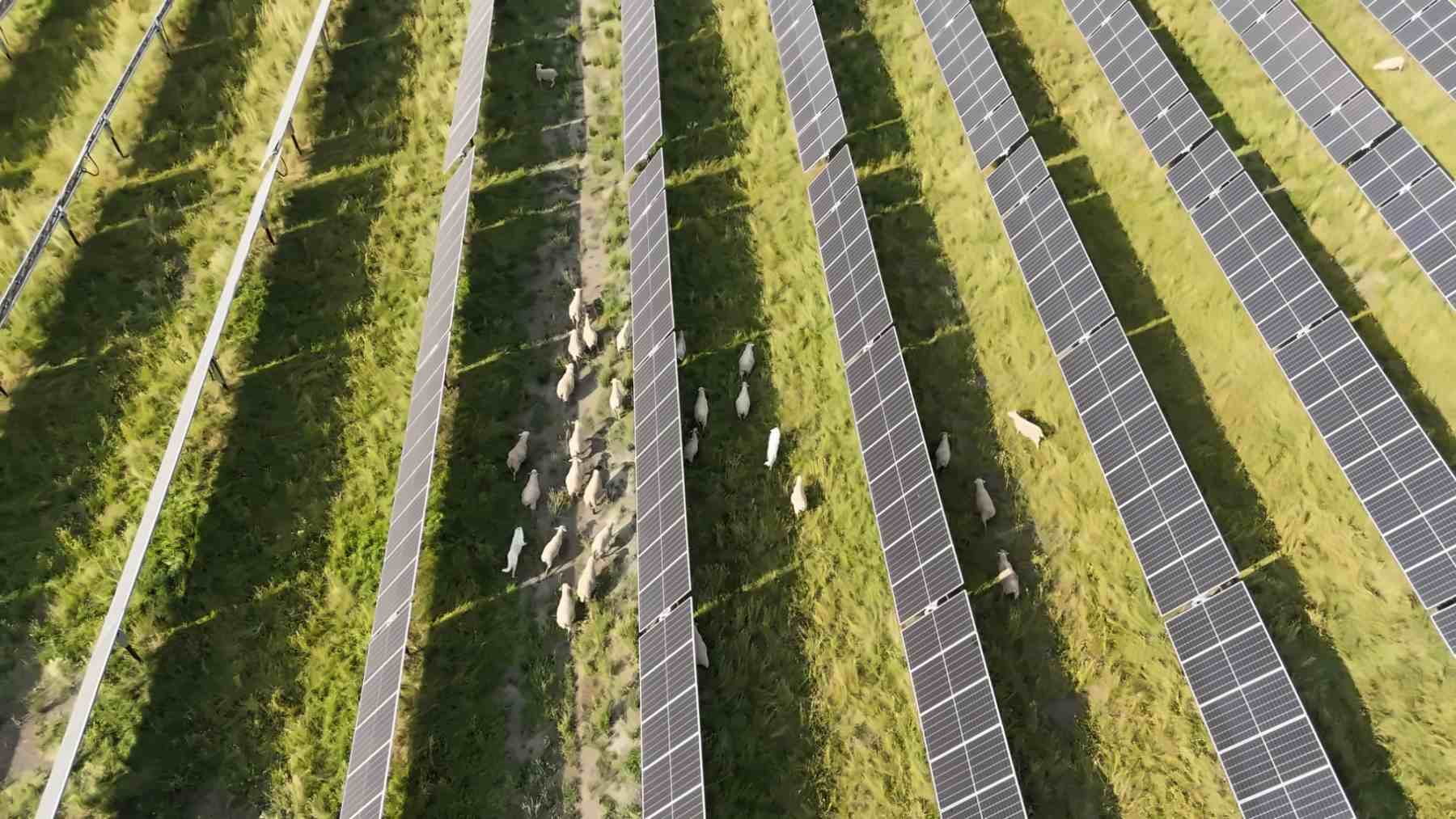
 183,600 solar panels went up on 480 acres of old Alberta farmland, and hay is still being cut between the rows while about 260 sheep eat the weeds on the 60-acre patch the hay equipment struggled with and more than two million bees made about 1,000 pounds of honeyEnergy · 2 hours ago
 A 135-foot concrete tower standing in an Orange County lake has had its four lowest gates buried in silt for more than 30 years, and the water behind the 93-year-old dam is now three weeks into a drop from 23 feet deep to 5 that clears the way for a new outlet set in bedrockEnergy · 3 hours ago
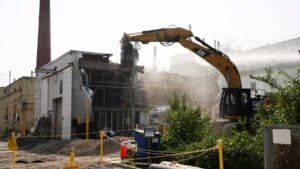 While scientists kept working in the buildings on either side, a row of ten isotope labs in Tennessee came down in two months, each one in the late afternoon, and the six hot cells, the gloveboxes and four 2,000-pound gas tanks inside left as part of nearly 3 million pounds of wasteEnergy · 15 hours ago