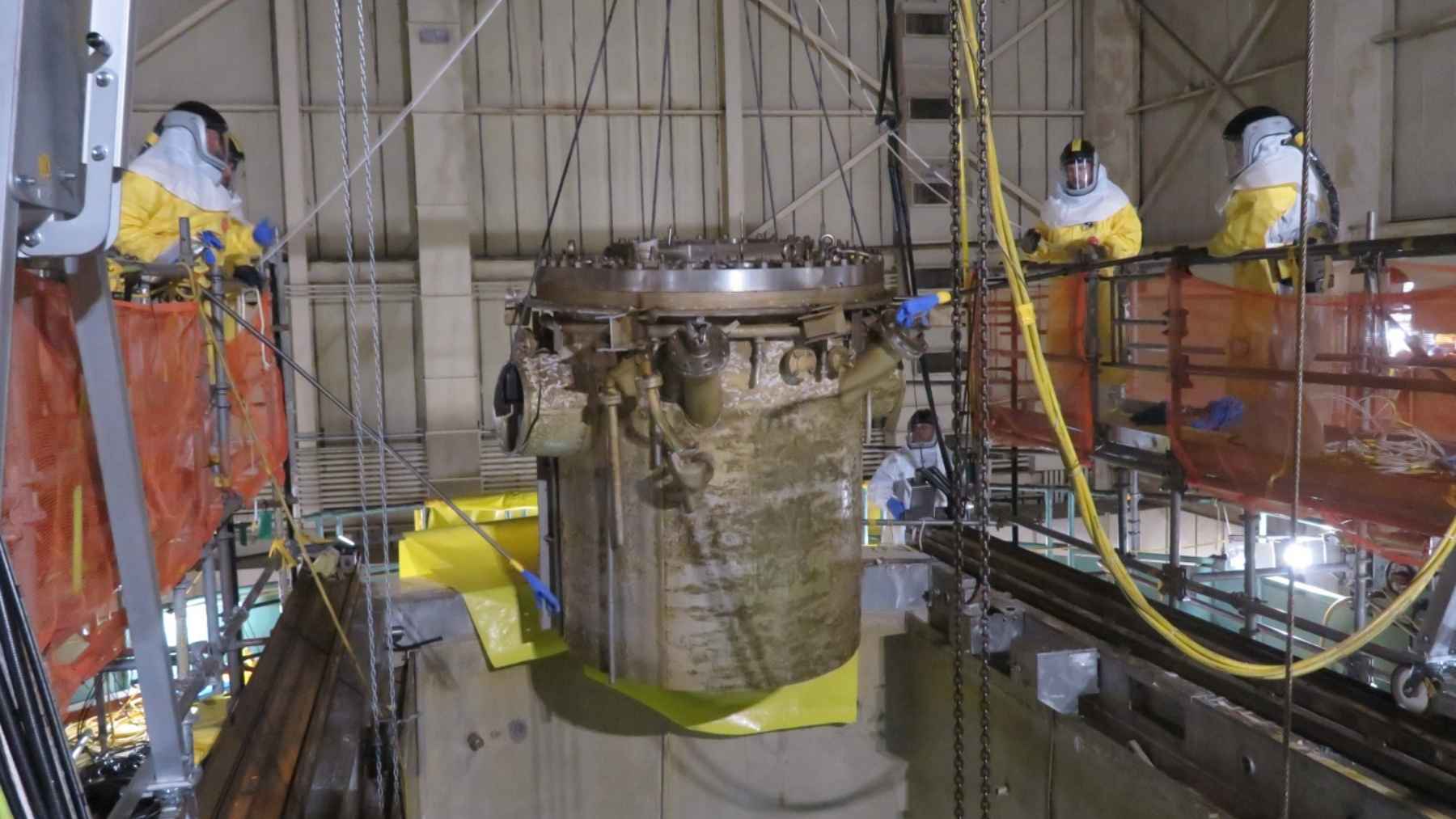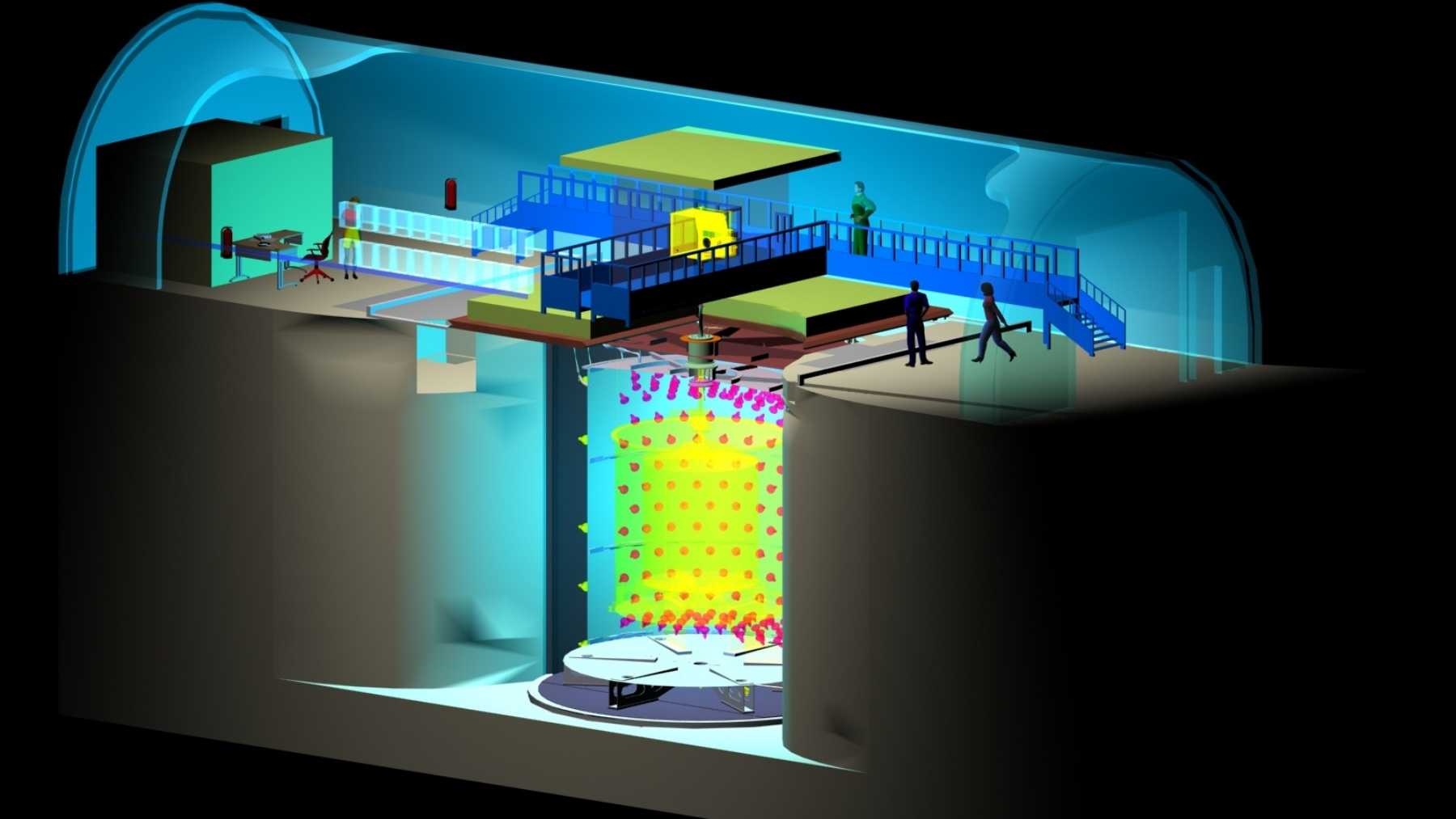

A nuclear submarine is really two machines sharing one hull. There’s the boat, the part that gets the christening photos and the dramatic dockside music. And sealed deep inside it sits a pressurized water reactor, built to run for the entire life of the vessel without ever being refueled.
Every reactor in the Royal Navy’s current submarine fleet was designed and built at a single industrial site: Raynesway, in Derby, England, home of Rolls-Royce Submarines. On July 3, the company broke ground on an expansion that will double that entire site.
The build adds more than a million square feet of manufacturing and office space (over 100,000 square meters, roughly 19 football fields laid edge to edge) and 1,170 skilled jobs to an operation that already employs more than 5,500 people. And the order book it feeds now covers two navies on opposite sides of the planet.
This is not the Rolls-Royce that builds cars
Worth clearing up before the tonnage starts, because the badge confuses everyone. The carmaker has belonged to BMW since 2003 and has nothing to do with any of this.
Rolls-Royce Holdings is the separate British engineering group behind widebody jet engines, the modular mtu gas power plants we covered in June, and this: a submarines division that has been in the naval reactor business since the 1950s. Same name on three very different product lines, and only one of them fits in a garage.
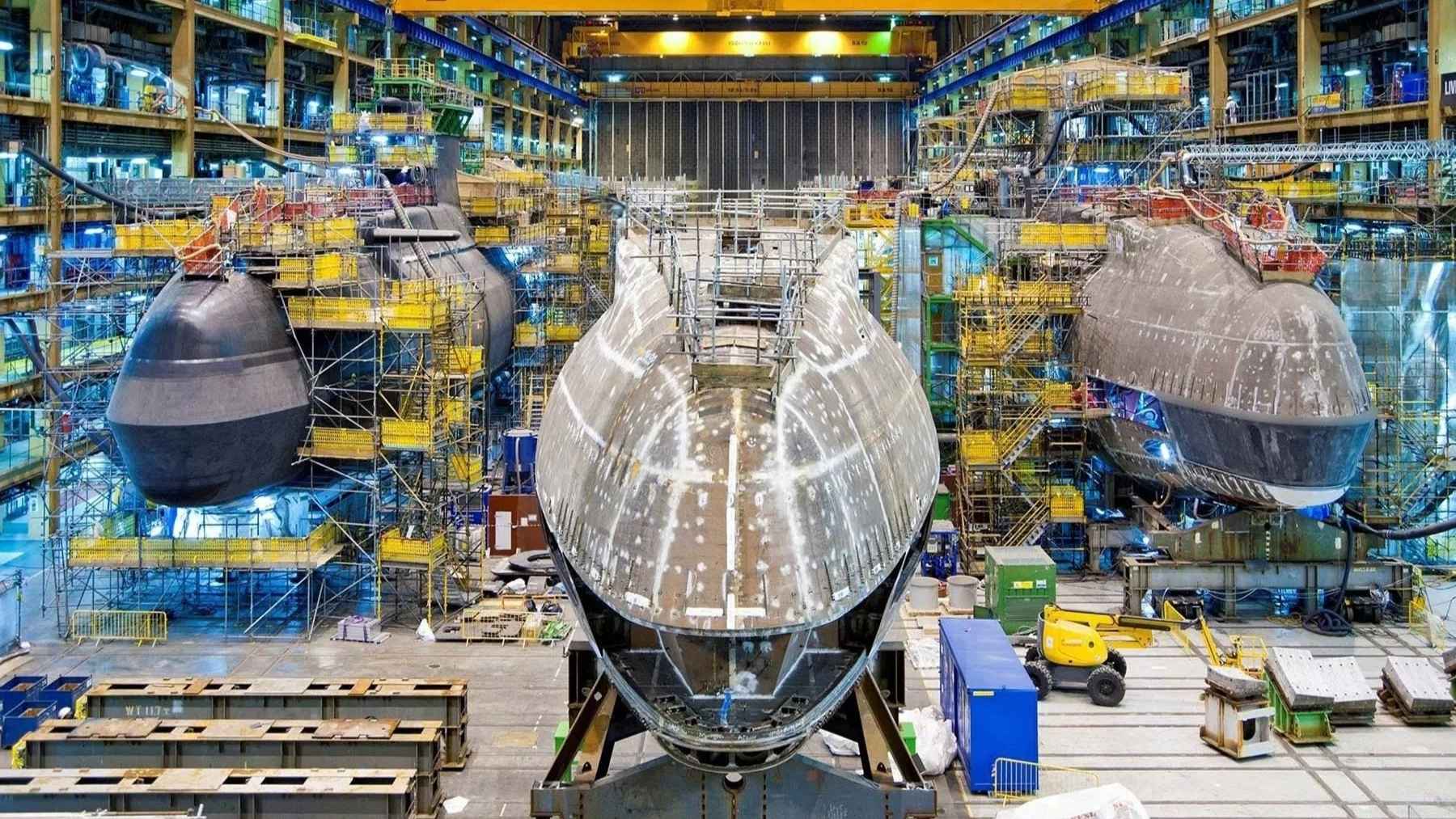
Rolls-Royce Submarines designs the reactors, manufactures them in Derby, and supports them in service, from the Barrow-in-Furness shipyard where the boats are assembled to the naval bases at Devonport and Faslane. Its current workload covers the last of the Royal Navy’s seven Astute-class attack boats plus the four Dreadnought-class submarines that will carry Britain’s nuclear deterrent from the early 2030s, running on the company’s new PWR3 reactor design.
So when this particular factory doubles, pay attention. Nobody expands a nuclear-licensed site on a hunch.
A million square feet, and every bit of it is spoken for
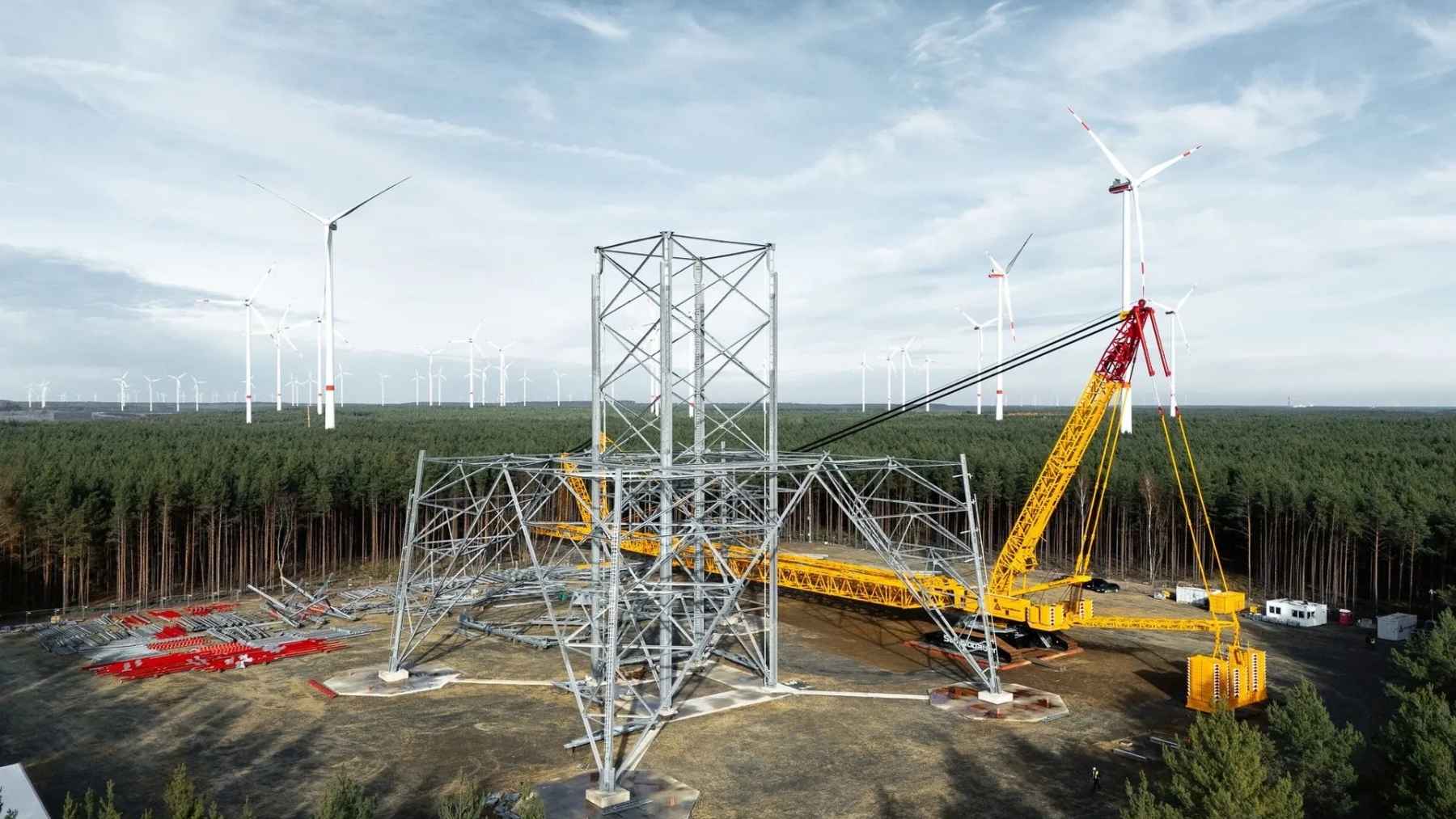
The plan itself dates to June 2023, when Rolls-Royce announced it would double Raynesway to keep up with demand from the UK and Australian navies. July 3 was the day it turned into actual dirt: a ceremonial groundbreaking on the new manufacturing facility, with UK defense minister Lord Coaker, Rolls-Royce Submarines president Abi Clayton and Commodore Alistair Moody, the Submarine Delivery Group’s director for nuclear propulsion, sharing shovel duty.
“Breaking ground is a significant step forward in the critical growth of our business,” Clayton said in the company’s announcement, adding that the project will more than double the size of its manufacturing facility.
Coaker got the full tour. He met the company’s nuclear welding apprentices, who had just swept the top four places at the SkillWeld East Midlands heats. One of them, Jack Billingham, was picked to represent Great Britain at the WorldSkills event in Japan. Reactor-grade welding is its own unforgiving discipline, and Britain is currently getting a reminder of that on the civil side too, where a flagged weld on a reactor vessel being forged in France is giving inspectors long days.
Then Coaker dropped the detail that matters most for anyone tracking AUKUS. While on site, he watched the fifth SSN-AUKUS reactor being manufactured. That reactor is not a line item on a planning chart. It physically exists, on a shop floor in Derby, for a class of submarine whose first hull has not been started yet.
Britain alone wants up to 12 of the new boats
The timing of the groundbreaking is no accident. Three days earlier, on June 30, the UK government published its Defence Investment Plan, committing to build up to 12 next-generation SSN-AUKUS attack submarines, with steel cut on the first boat at Barrow-in-Furness in 2027. The same document puts over £20 billion ($26.71 billion) more into the UK’s defense nuclear program over the next four years than the previous four.
SSN-AUKUS is the eventual replacement for the Astute class, due to enter Royal Navy service in the late 2030s. Australia plans to build up to five boats of the same class at Osborne in South Australia, with its first one expected in the early 2040s. Every hull in that combined fleet, British or Australian, gets its reactor from Derby.
Stack it up and the doubled factory starts to look less like ambition and more like arithmetic. Four Dreadnoughts in build. The last Astute still finishing. Up to 12 British SSN-AUKUS boats behind those, and an Australian fleet behind that. Each one needs a reactor that takes years to make and comes from exactly one address.
Australia is buying naval reactors before it owns a single nuclear power plant
Australia has never operated a commercial nuclear power station. It is about to operate nuclear submarines anyway, and the reactors inside them will be British.
Under the AUKUS deal, Rolls-Royce will build all of Australia’s submarine reactors. The propulsion units for Australian-built boats will ship from Derby as complete, welded packages, according to the Australian government, which placed its first direct order in February for long-lead reactor components covering its first two submarines.
That order sits on top of a bigger check. Australia is paying £2.4 billion over ten years specifically to expand Rolls-Royce’s production capacity, which means Canberra is part-funding the very construction site Lord Coaker was standing on. A country with no domestic nuclear power industry is bankrolling a reactor factory 10,000 miles away because it decided that was the fastest route to a nuclear-powered fleet.
Until those boats exist, the bridge is American. Australia is set to buy three to five Virginia-class attack submarines from the US starting in the early 2030s, then phase in its own SSN-AUKUS boats roughly a decade later.
Not every navy answered the underwater question this way. Canada looked at its own gaping submarine problem this month and went conventional, ordering up to 12 German-built boats that run on fuel cells instead of fission. Australia studied the same map and decided it wanted reactors, even without a nuclear industry of its own to lean on. The reactors, and the people who know how to weld them, live in Derby.
The concrete is ahead of the paperwork
The honest fine print: construction has only just started, the new buildings are years from producing anything, and “up to 12” is a policy commitment, not a signed production contract with a price attached.
What can’t be walked back so easily is physical. A fifth reactor is in manufacture for a submarine class that so far exists only in design files, part-paid by a country half a world away, inside a factory that just started pouring foundations to double itself. Defense programs are usually late to their own hardware. This one, unusually, has the hardware showing up early.
 @bobcannell ROOKIE1 month ago