
- 4 MONTHS AGO · ENERGYA salmon farm above the Arctic Circle, where January gives under five hours of daylight, now pulls more than 90% of its power from floating solar ringed around the pens, and the diesel generator that ran around the clock has barely turned over since
- 3 MONTHS AGO · ENERGYAn American aluminum smelter outside Charleston runs carbon-lined steel boxes at 1,780 degrees that never get switched off, because a few hours without current freezes the bath into rock, and feeding them draws 397 megawatts flat, every hour of every day
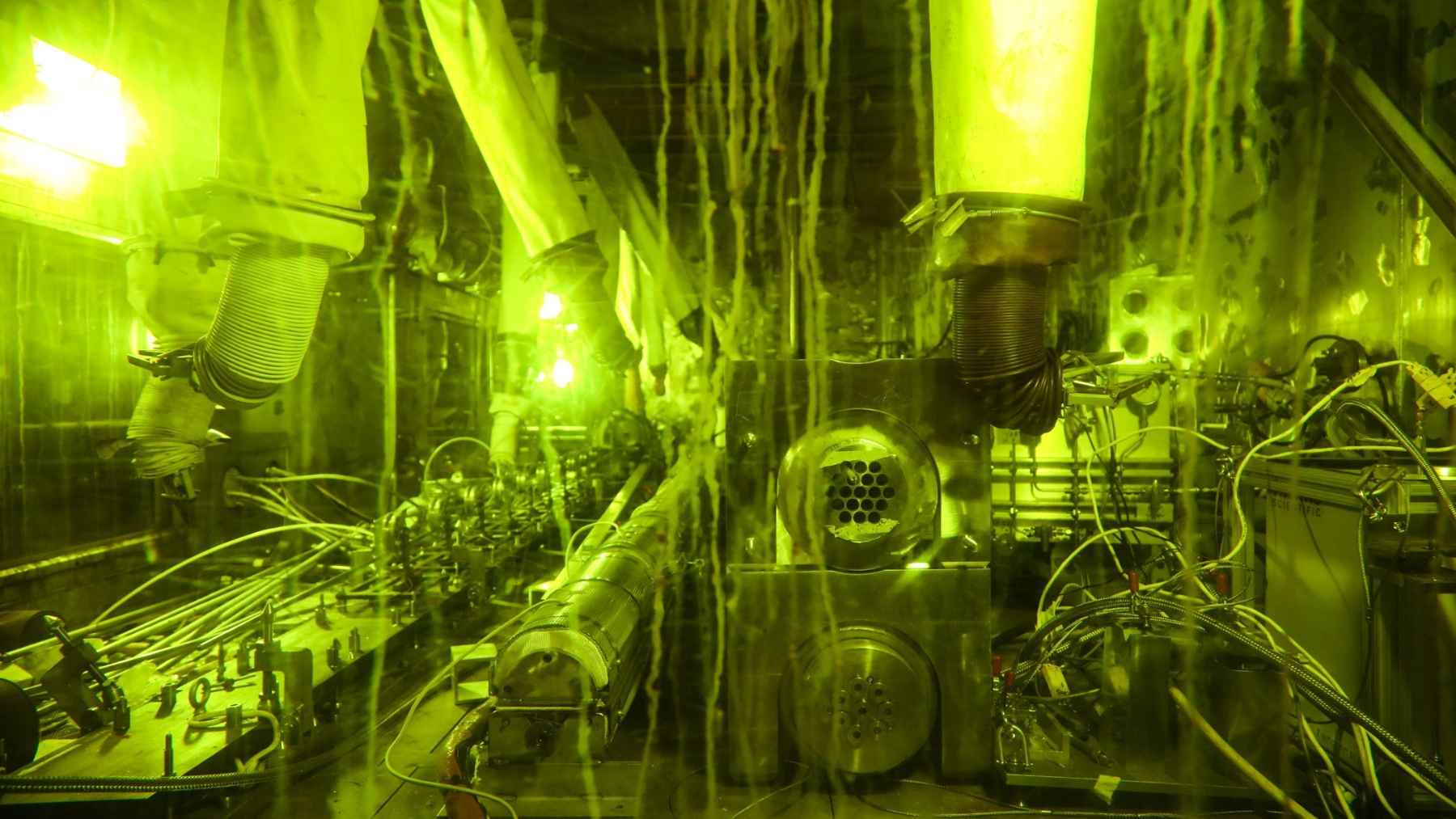
- 2 MONTHS AGO · ENERGYAn 8-foot clear column filled with 25% salt water let researchers watch how a nuclear battery would move its liquid fuel with no pump, heated by electric current pushed straight through the water, and the reactor it stood in for is designed to put out 20 megawatts of heat
- 1 MONTH AGO · ENERGYA battery of ceramic bricks runs the current straight through the brick itself, no heating wire to burn out, and hands back heat at up to 3,275 degrees — more than the 2,642 a cement kiln needs — and one of the biggest cement makers on Earth just signed up for the first two
- TODAY · THIS ARTICLEA 5-gigawatt-hour stack of carbon blocks heated to 4,352 degrees by running current straight through them has fed a South Dakota ethanol plant 50 megawatts around the clock since May, and a 5.8-gigawatt-hour one is now signed for a second ethanol plant in Kansas
The word “battery” has gotten pretty stretchy over the last few years. It used to mean the thing in your TV remote, or the box under your car’s hood that dies on the coldest morning of the year.
But now it also covers bricks making steam in a California oil field and a stack of graphite getting switched on piece by piece in a Massachusetts town, along with plenty of other things you wouldn’t keep in a kitchen drawer.
Antora Energy makes the carbon version. And on October 1, it announced its second big project of the year.
The San Jose, California, company says it’ll build a 5.8-gigawatt-hour thermal battery for Pratt Energy’s ethanol plant in Pratt, Kansas, and start supplying the plant with heat next year. Pratt Energy turns corn and sorghum from the surrounding area into fuel ethanol, plus co-products that end up in animal feed and biodiesel.
So what’s a thermal battery?
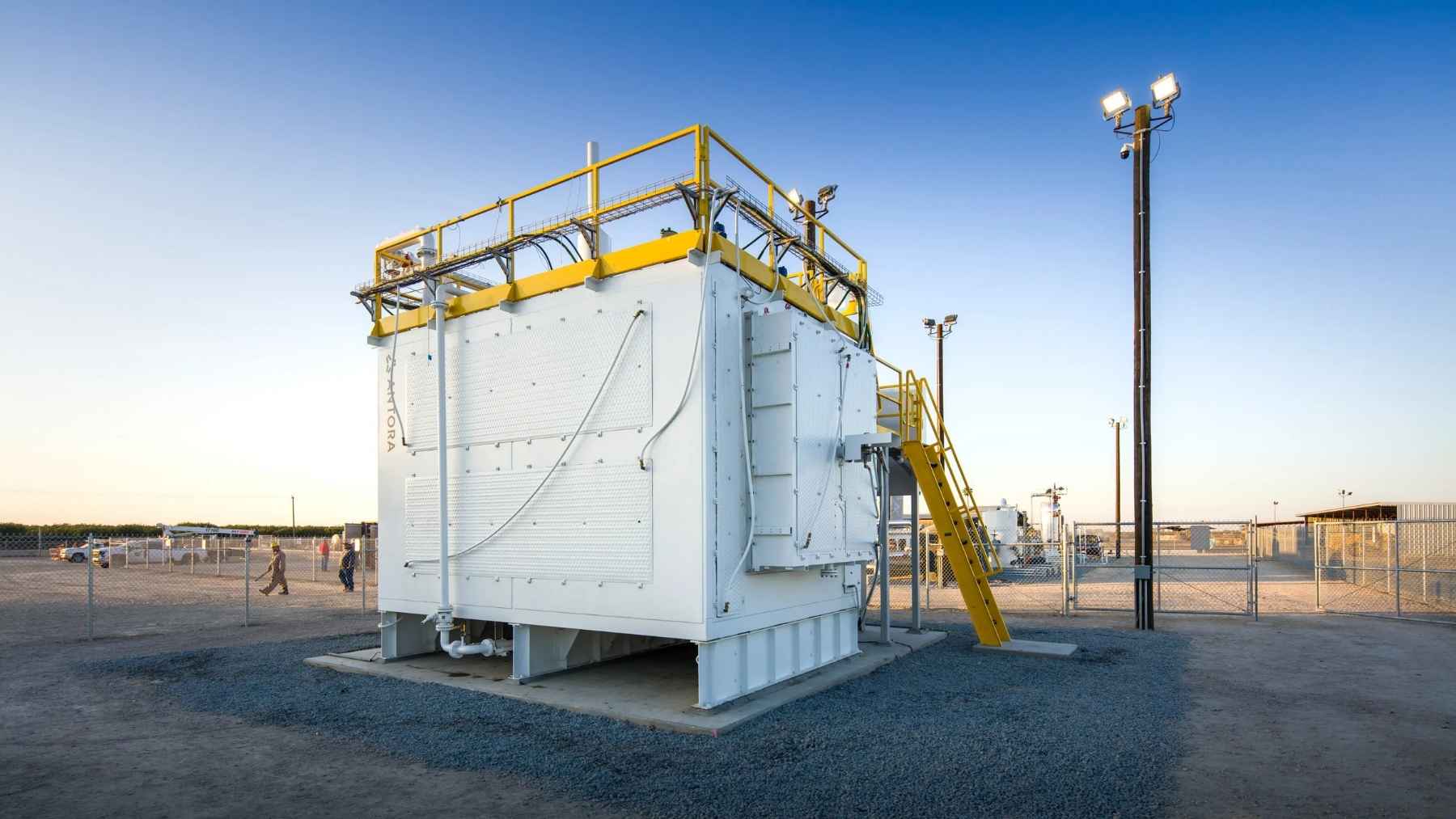
It’s basically a way to store electricity as heat rather than as chemical energy. Antora runs current straight through solid carbon blocks and heats them as high as 4,352°F, the same way electricity heats the coil on your stove. Insulation around the blocks holds that heat in, like a really big thermos, until the plant wants it back. Antora’s pitch is that you charge it when power is cheap and pull heat out around the clock.
So why would an ethanol plant want one?
Making ethanol requires a lot of heat. A plant has to cook the corn mash, boil the alcohol off, and dry out what’s left over, and most American ethanol plants get that heat by burning natural gas. They also don’t really stop. Most of them run around the clock, which arguably makes an ethanol plant about the best customer a battery like this could ask for.
Then there’s the scorekeeping. Ethanol gets a carbon intensity score, which is basically a grade for how much CO2 is emitted in making each gallon. A lower score can earn a producer credits in places like California, so a cleaner gallon can be worth more money. Antora says the Kansas project will help Pratt Energy work toward ethanol with a zero carbon intensity score.
Pratt Energy CEO Travis Lane kept it closer to home and said the project means “strengthened demand for the corn and sorghum our neighbors grow.”
South Dakota already has the first one
The first big one sits next to POET’s ethanol plant in Big Stone City, South Dakota, and we covered it when it switched on. Antora and POET commissioned that 5-gigawatt-hour system on May 19.
Antora’s Big Stone project page lists its output at 50 megawatts, delivered around the clock. The site holds more than 200 of the company’s thermal battery modules, and every one of them came out of Antora’s San Jose factory. By September, Antora said the system was already feeding POET energy 24/7, though back in May, it said the project wouldn’t be fully operational until later this year.
I ran the numbers on that, and they’re kind of wild. Divide 5,000 megawatt-hours of storage by 50 megawatts of output, and you get 100 hours. On paper, that’s a little over four days of heat from one full charge if it runs flat out. The lithium battery farms that keep showing up in the news are usually sized to empty out in somewhere between two and four hours.
It’s a pretty different animal.
So how long can the Kansas battery run?
Honestly, I can’t tell you, even though this is arguably the one thing we’d wanna know. Antora’s announcement lists the battery’s capacity as 5.8 gigawatt-hours but doesn’t provide a power rating anywhere near it. That’s frankly an odd thing to leave out of a battery announcement.
If it helps, think of it like plumbing. Capacity is how much water’s in the tank, and power is how wide the faucet is. A huge tank behind a skinny faucet will run forever, but it can’t fill the bathtub fast, and an ethanol plant is a pretty thirsty bathtub. The announcement also skips the price and the number of years the heat deal runs.
If you assume each module holds about what the South Dakota ones do, 5.8 gigawatt-hours works out to somewhere north of 230 of them. That’s my napkin math, not Antora’s, and it only holds if the hardware hasn’t changed.
What Antora did spell out is the deal and who’s paying for it. Pratt Energy will pay Antora for the heat over a long stretch of years, kind of like paying the gas company, except the supplier is a pile of hot carbon parked next to the plant.
Copenhagen Infrastructure Partners, a Danish fund manager, led the outside equity for the project. Grok Ventures, the Australian firm that was the only outside investor at Big Stone, put money in again, along with University Pension Plan Ontario.
So right now, we know a lot more about the money than we do about the machine.
The carbon starts out as refinery and coal leftovers
The blocks themselves come from a surprisingly old-school place. On September 10, Antora and GrafTech, which makes the graphite electrodes that electric arc furnaces use to melt steel, announced plans to develop carbon materials for Antora’s batteries at GrafTech’s St. Marys, Pennsylvania, plant. GrafTech has fired up eight of its bake furnaces again for the job. It’s still a memorandum of understanding, though, so the final contracts haven’t been signed yet.
According to the two companies, Antora’s carbon blocks and insulation are made by baking low-purity carbon, such as petroleum coke and coal tar pitch, in industrial furnaces. Petroleum coke is a byproduct of oil refining, and coal tar pitch comes from turning coal into coke for steelmaking. So a battery that’s supposed to help an ethanol plant shrink its carbon score starts life as fossil fuel scraps.
I’d call that a bit of a funny full circle, but you could also argue it’s a pretty smart use for stuff that’s already lying around.
Antora says it’ll start delivering heat to Pratt Energy’s Kansas plant next year, under the long-term deal the two companies announced on October 1.
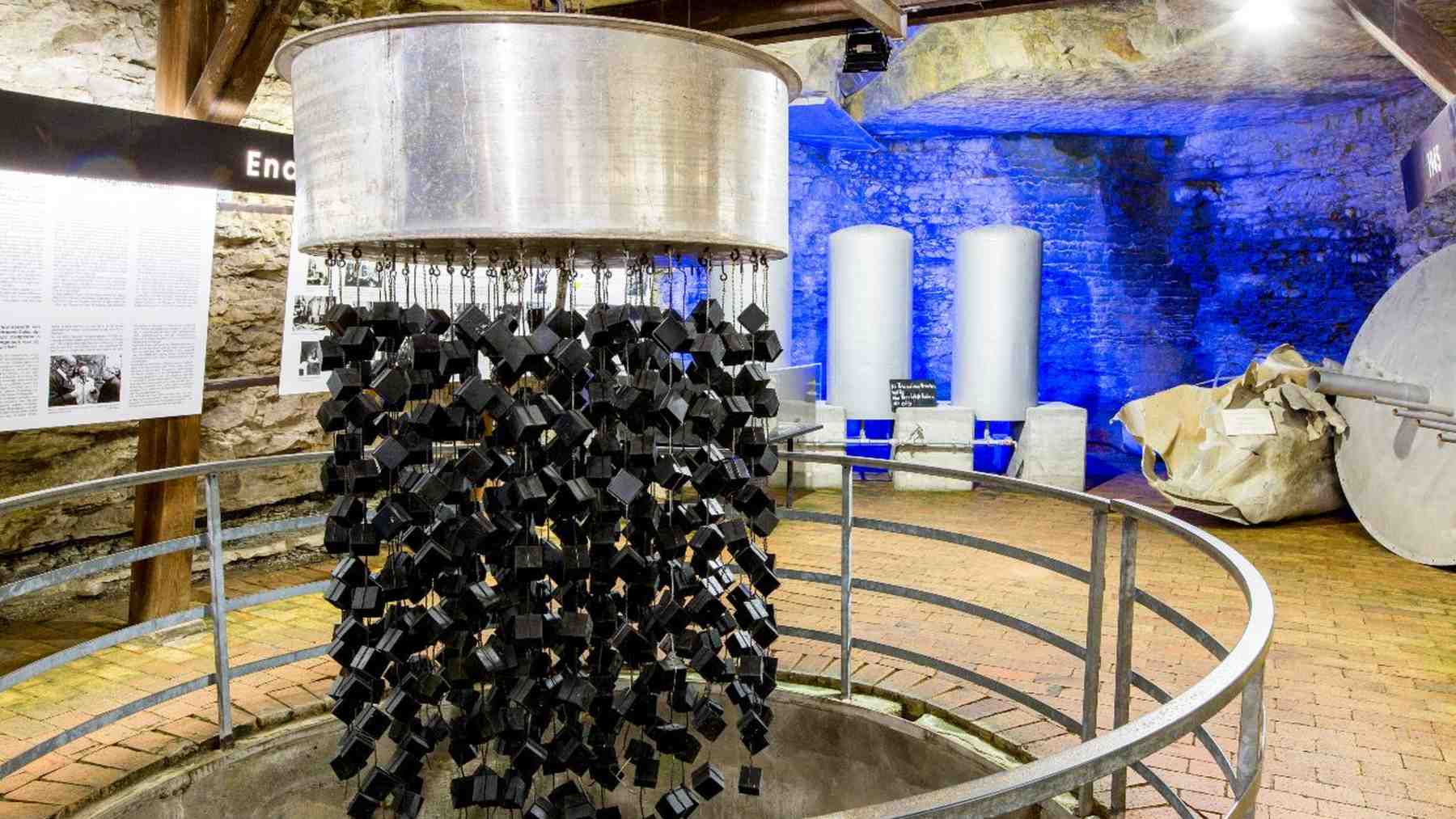
 A reactor built from 664 two-inch uranium cubes hung on wires in heavy water under a German castle was Heisenberg’s last shot at a chain reaction, and two of the surviving cubes now show it needed about twice the uranium and heavy water it held, more of both than Nazi Germany hadEnergy · 12 hours ago
 A 66-foot-deep gravel pit in Finland just started taking in about 100 million gallons of tap water, and once a nine-acre lid goes on top, it’s meant to hold enough summer heat at up to 194°F to cover as much as nearly a quarter of the town’s yearly heat demandEnergy · 14 hours ago
 A 375,000-pound turbine now spins inside a Tennessee dam in place of one that ran for more than 80 years, and a federal watchdog just found that 196 of the 240 welds on the ring guiding water out of it failed on a job where some welders weren’t qualifiedEnergy · 17 hours ago

 @gavinperry ROOKIE1 month ago