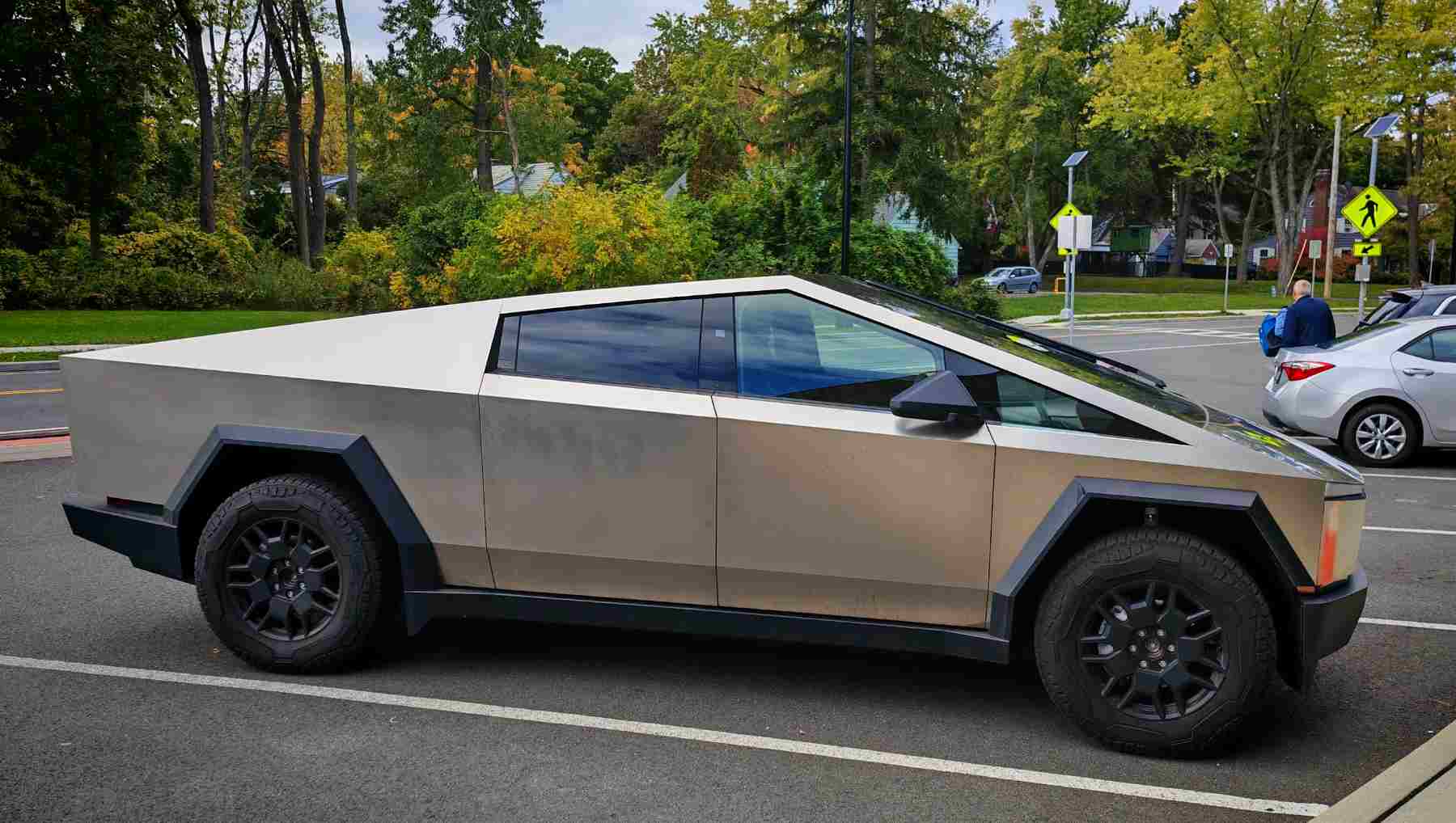

The Tesla Cybertruck is dead, or at least it’s soon to be out of production. Love it or hate it, the divisive EV has carved its way into automotive history. It launched with a ton of hype, had a shape you can only politely define as distinctive, and now has bowed out before the pre-orders have even been fulfilled.
So where did it go wrong? Let’s have a look at the Cybertruck’s brief history to see where things went south for Tesla’s “bulletproof” electric truck.
It started with more of Elon’s lies

Elon Musk is known to be a bit enthusiastic when it comes to predictions and promises. Unfortunately, they don’t always turn out to be true. Famous examples of this include humanity living on Mars by the early 2020s, how he could build a functional “hyperloop” between LA and San Francisco. He pushed various false claims about “full self driving” and a recent example involves a flying Tesla.
Musk was also liberal with the truth when it came to the Cybertruck. First there was the price. The Tesla CEO promised the entry-level version of the vehicle would be available for less than $40,000. The single motor, RWD, version of the Cybertruck never saw the light of day, and the “$40,000” price tag disappeared with it. Instead, people found themselves paying between $60,000 and $100,000+ for their trucks, depending on the version they opted for.
The vehicle’s milage was also initially overstated. Musk claimed over 500 miles of range on a single charge, but the tri-motor variant of the vehicle could only manage around 320. Technically Tesla did achieve “500 miles” of range, but to get that you would also need to purchase an expensive, large, and heavy range extender which took up a not insignificant amount of bed space.
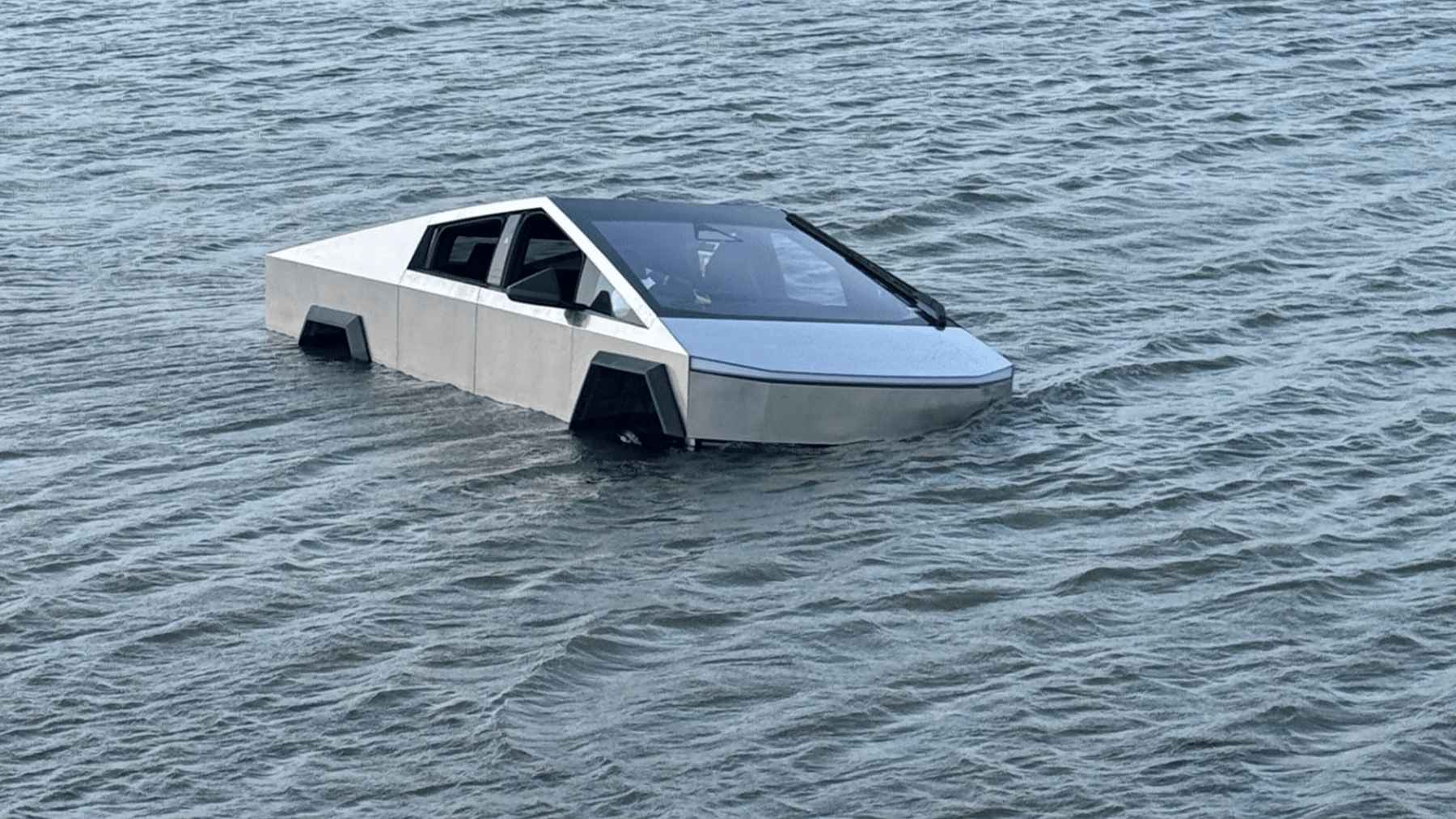
There’s also the outlandish claim that the Cybertruck could double as a boat. In reality, it could handle around 30 inches of water for a limited time. It was not buoyant and the numerous attempts at sailing in it dotted around the internet all resulted in severe damage to the Cybertruck.
Quality control issues were rampant
Tesla didn’t have the best reputation for quality control to begin with. Owners have been complaining about mismatched paint, leaks, parts failures, and panel gaps on the Model S, 3, and Y for years.
With the Cybertruck the company decided to be more ambitious than ever and make the body out of “stainless steel.” What could possibly go wrong?
Well, it turns out a lot. As it’s Tesla, there were obviously panel alignment issues, along with problems involving the exterior finish. Other reports claimed the windshields were easily shattered, and in some cases gaskets were missing which led to leaks.
Beyond that, the stainless steel body was prone to rust. Which stainless steel isn’t really supposed to do. Unfortunately for Tesla, the quality control problems weren’t all that was wrong with the Cybertruck.
It was a laughing stock for a time
Right after its launch, the Cybertruck had a few high profile failures. The most prominent of which saw the “rugged all terrain vehicle” struggle in a couple of inches of snow, and get hammered on an off-road trail by a plucky little Subaru Crosstrek.
The problems actually pre-date the truck’s launch. Its “armor glass” windows shattered when lead designer Franz von Holzhausen lobbed a steel ball at them during a live demonstration. Tesla actually used a bit of frankly characteristic sleight of hand and “repeated” the stunt during the vehicle’s actual launch. The windows didn’t shatter this time, but those paying attention noted a leather baseball was used that time round. Not a steel ball.
You also had issues surrounding the vehicle’s appearance. It was certainly a bold choice, opting for bodywork that looked like a low-poly PlayStation 1 model of a moon buggy. But it was undeniably distinct.
Political controversies are also not good from a business perspective, no matter which side of the aisle you sit on. Which is why many companies are soullessly neutral and try to play it safe where possible. Musk is outspoken and has become increasingly political in the last few years. This coincided with the Cybertruck’s production run, and likely alienated many potential customers while encouraging others to shine a spotlight on the Cybertruck’s numerous faults.
So what’s the Cybertruck’s legacy?
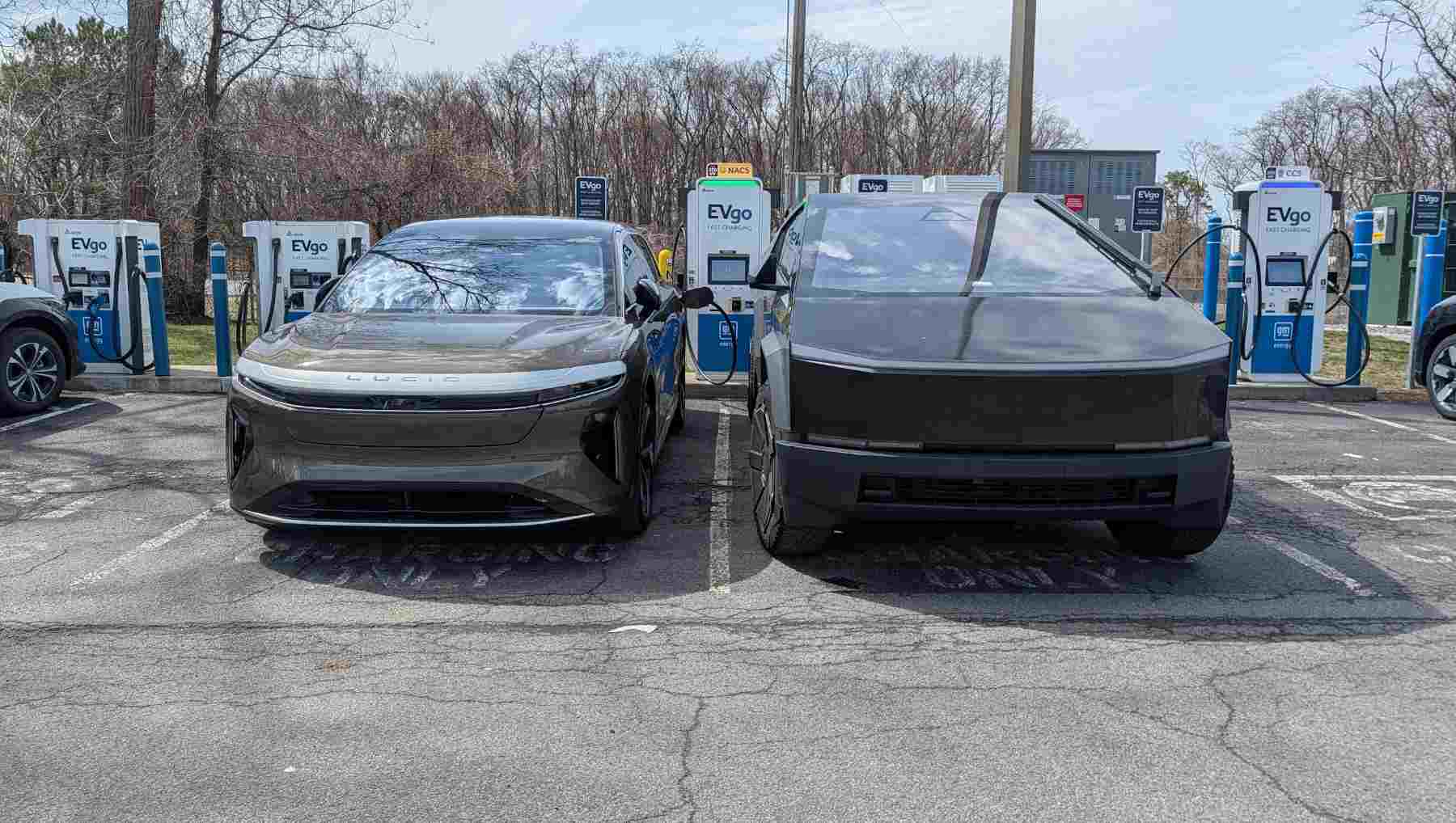
Despite this piece looking quite anit-Cybertruck, there’s a good chance the controversial EV becomes a collector’s piece in the future. It’s already a distinct part of Automotive history for a number of reasons.
First, you have its bold looks. Many cars were considered hideous at the time, but have since grown on people. Look at the Lamborghini Countach. So, like that other stainless steel vehicle that was poorly received at the time, the DeLorean DMC-12, the Cybertruck has a good chance of carving out a cult following on looks and quirkiness alone.
It also pioneered a few things. It was the first mass-production vehicle to adopt a 48-volt architecture. It was the first vehicle to go fully steer-by-wire, without any mechanical backup. It also ditched the traditional wiring harness for a proprietary system that used 70% less cable. Many of these innovations will live on in other vehicles; many manufacturers have already jumped to 48V systems in their EVs.
There’s also a chance the Cybertruck will make a comeback in a few years. It’s recognizable; controversies are always temporary. Maybe we’ll see a Cybertruck MK II in the early 2030s? We’ve probably got more chance of seeing that than a city on Mars by then, anyway.