
Texas is adding data centers faster than it can build the power to run them. The state hosts more than 340 of them now, and together they pull close to 8 gigawatts, roughly 9% of all the electricity Texas uses.
So a whole crop of nuclear startups has spent the past year racing to prove that a new kind of small reactor can plug the gap. Last Energy is one of them, and it stands out for an odd reason: its reactor is supposed to be boring.
While rivals chase cores cooled by liquid sodium or molten salt, the Austin-based company is building a small pressurized water reactor, the same basic type that has run the American fleet for six decades. The plan is to make 30 of them on a single site in northwest Texas and sell the power to data centers next door.
The commercial plant is still years off. But the pilot version just cleared a real hurdle. In late May, the Department of Energy signed off on its safety case, and the company says it expects to run its first criticality test this summer.
The boring reactor is the whole point
Most of the reactors grabbing headlines this year are genuinely new machines. Sodium heat pipes, helium gas loops, uranium dissolved in molten salt, fuel pebbles the size of billiard balls. Each one is a bet that a fresh design can do something the old plants couldn’t.
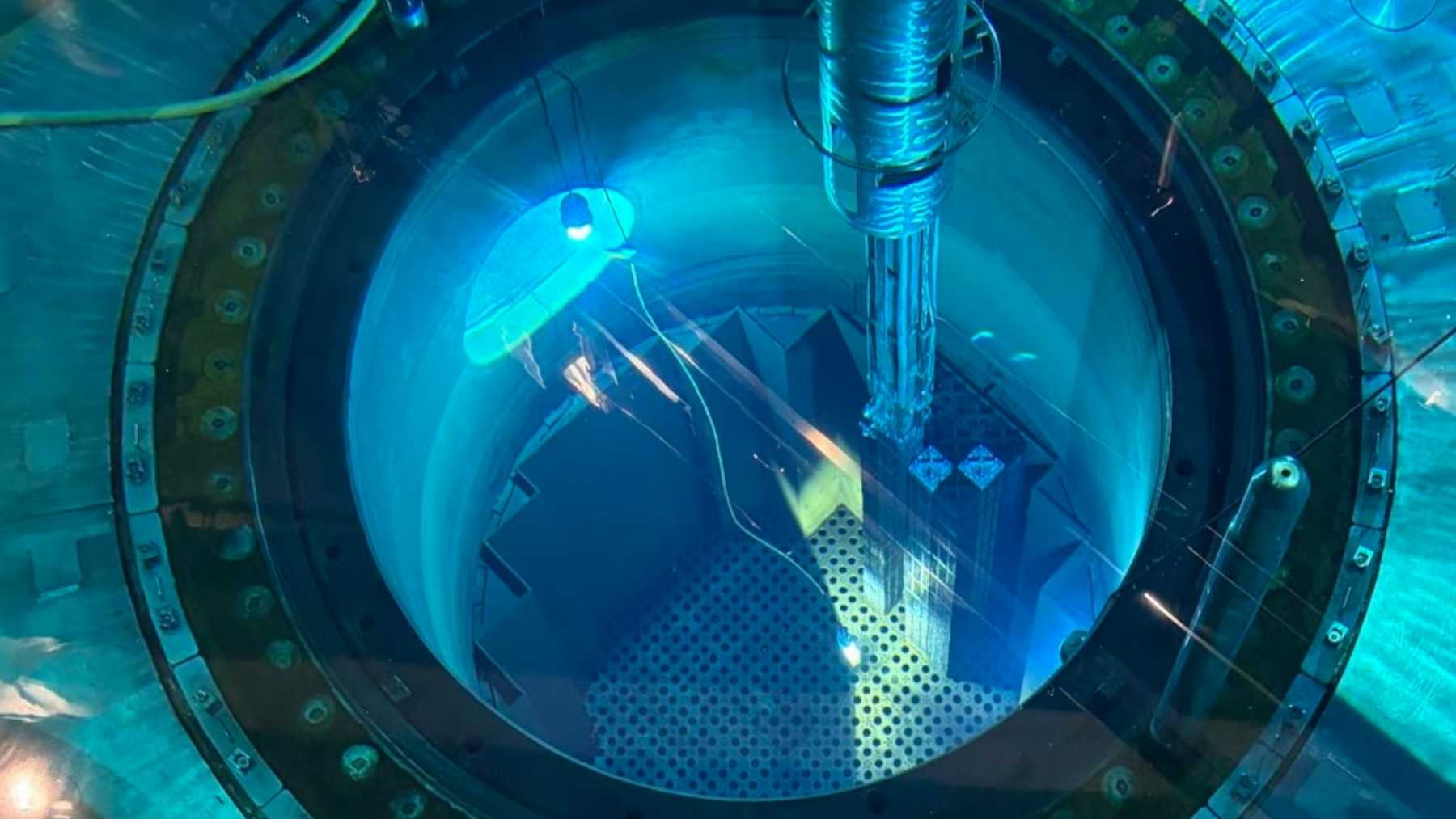
Last Energy went the other way. The PWR-20 is a pressurized water reactor, the workhorse type that already generates most of the country’s nuclear power. It runs on standard low-enriched uranium, the sub-5% kind that fuels existing plants, so there’s no waiting on the scarce high-assay fuel that several rivals still need.
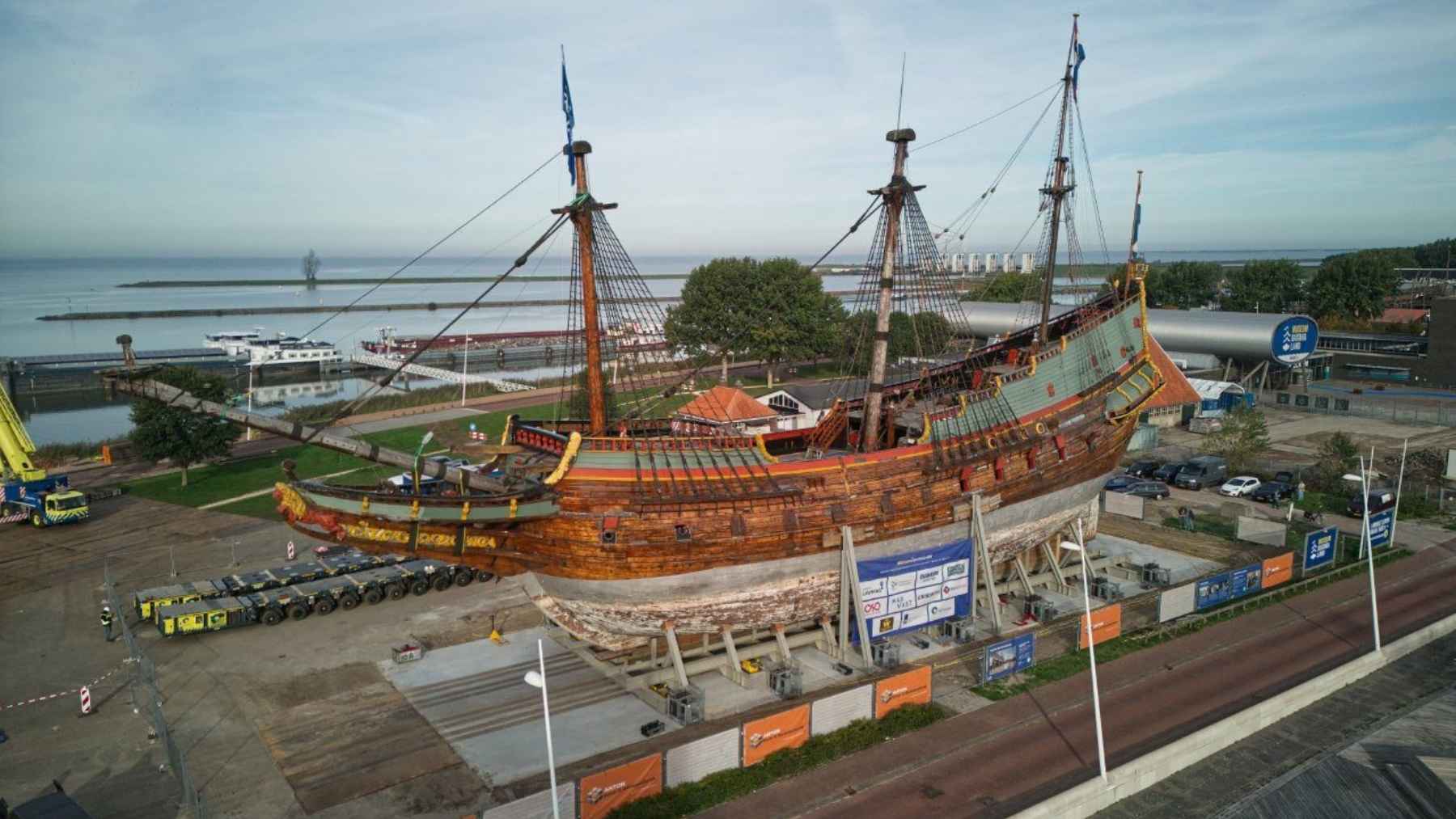
The company frames the design as established rather than experimental. According to Nuclear Engineering International, the pressurized water reactor it builds on traces back to the one developed for the NS Savannah, the world’s first nuclear-powered merchant ship, back in the late 1950s.
The point of picking proven physics is speed. Regulators have seen this kind of reactor before, and a factory can stamp out the same unit over and over instead of engineering each plant from scratch. Last Energy isn’t the only startup chasing the factory model. Radiant is building a Tennessee plant to churn out shipping-container reactors too. The difference is that Last Energy is applying the idea to the least experimental reactor on the board.
Thirty copies on one Texas site
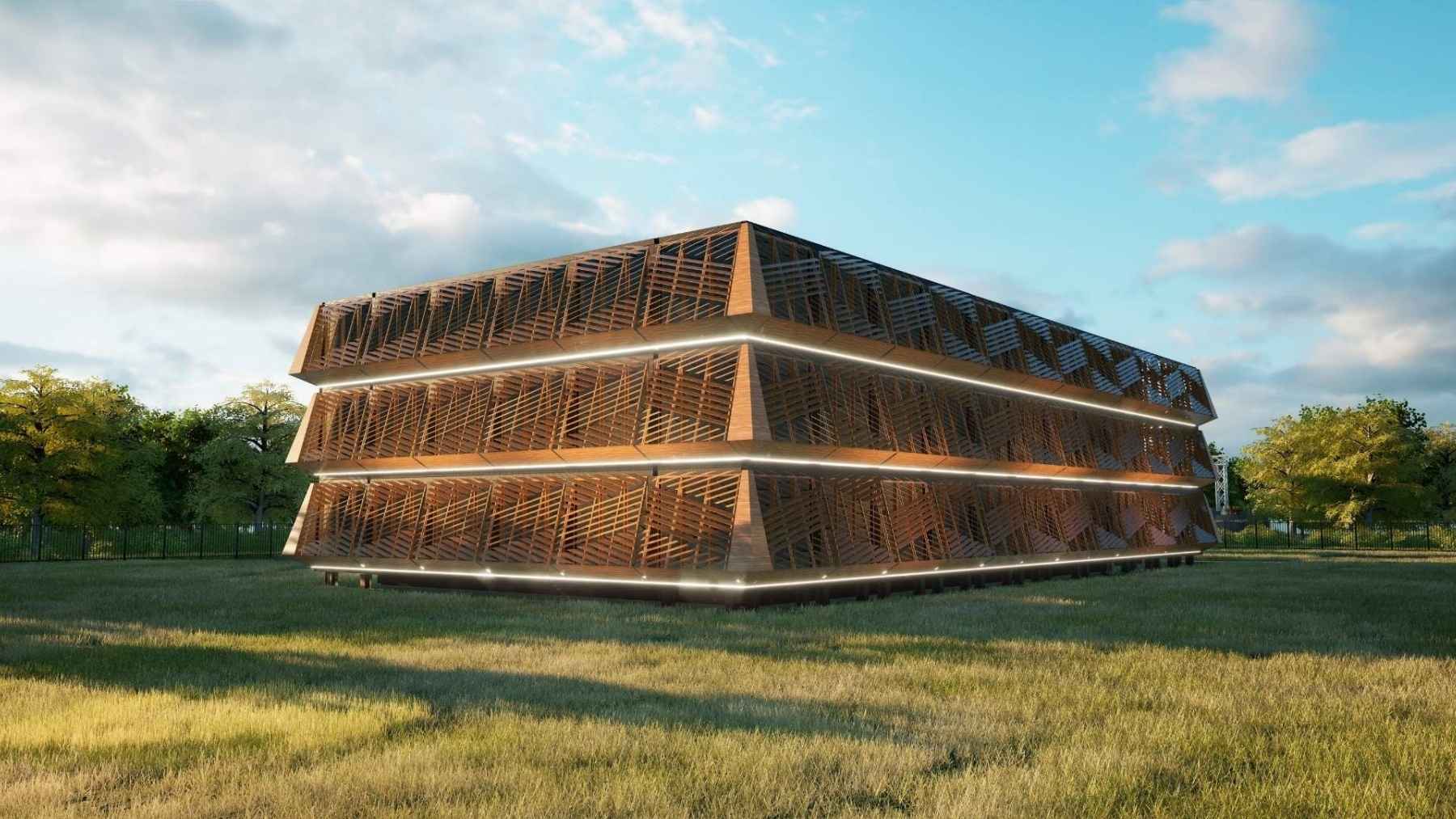
The commercial project sits in Haskell County, about an hour north of Abilene and a few hours west of Dallas. Last Energy has locked up a 200-acre site there and wants to install 30 of the PWR-20 units on it.
Each unit puts out 20 megawatts of electricity and 80 megawatts of thermal power, and arrives as a set of factory-built modules. The company says they “snap together like a Lego kit,” which is a marketing line, but it describes the actual approach: build the parts in a plant, truck them in, bolt them together on site.
Thirty of those add up to roughly 600 megawatts, enough to feed a serious cluster of servers. Last Energy plans to sell that power to data center operators through a mix of private wires running straight to customers and connections to the wider state grid.
The paperwork is moving, slowly. The company has filed for a grid connection with ERCOT, the Texas grid operator, and is in pre-application talks with the Nuclear Regulatory Commission over the Haskell site. Nothing is built there yet.
A Texas grid that can’t build fast enough
The reason all of this is happening in Texas comes down to a grid running out of slack. Data centers already take about 9% of the state’s electricity, and the curve is steep.
ERCOT expects statewide power demand to climb 14% in 2026, driven largely by data centers and other big industrial loads, according to federal energy forecasts. In the Dallas-Fort Worth area alone, grid analysts project another 43 gigawatts of new demand in the coming years.
Stringing new high-voltage transmission to move that power around takes the better part of a decade. That queue is the bottleneck Last Energy is trying to skip. Park a reactor next to the data center, run a private wire, and you don’t wait in line for the grid.
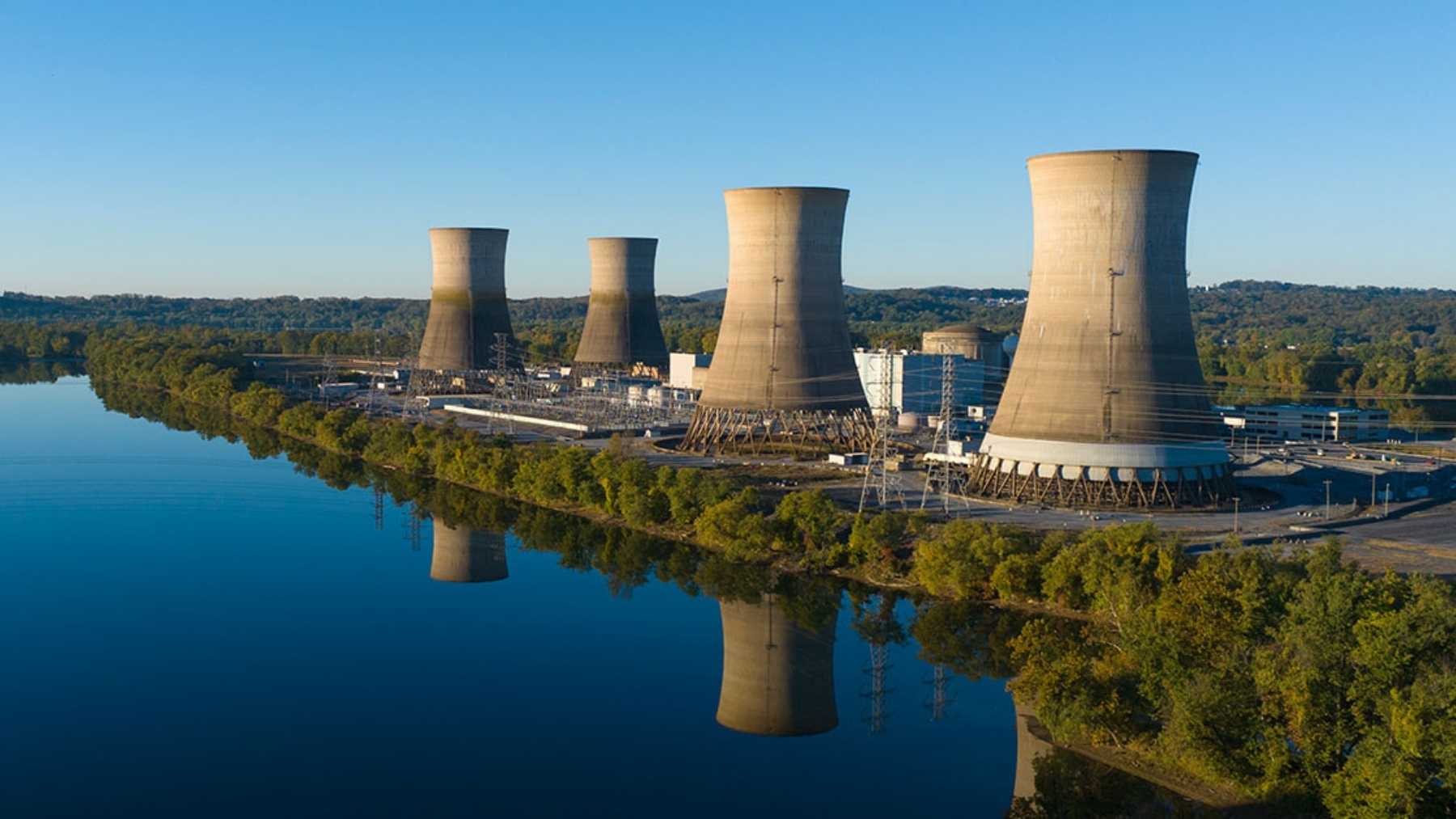
Big tech has been attacking the same problem from the other side by buying up existing plants. Microsoft signed a 20-year deal to restart a reactor at Three Mile Island for its data centers, and Amazon locked in output from another Pennsylvania plant. Last Energy’s pitch is the smaller, build-it-new version of that same bet.
The pilot that has to work first
None of the 30 reactors can go up until Last Energy shows the design actually runs. That is what the pilot in Bryan-College Station is for.
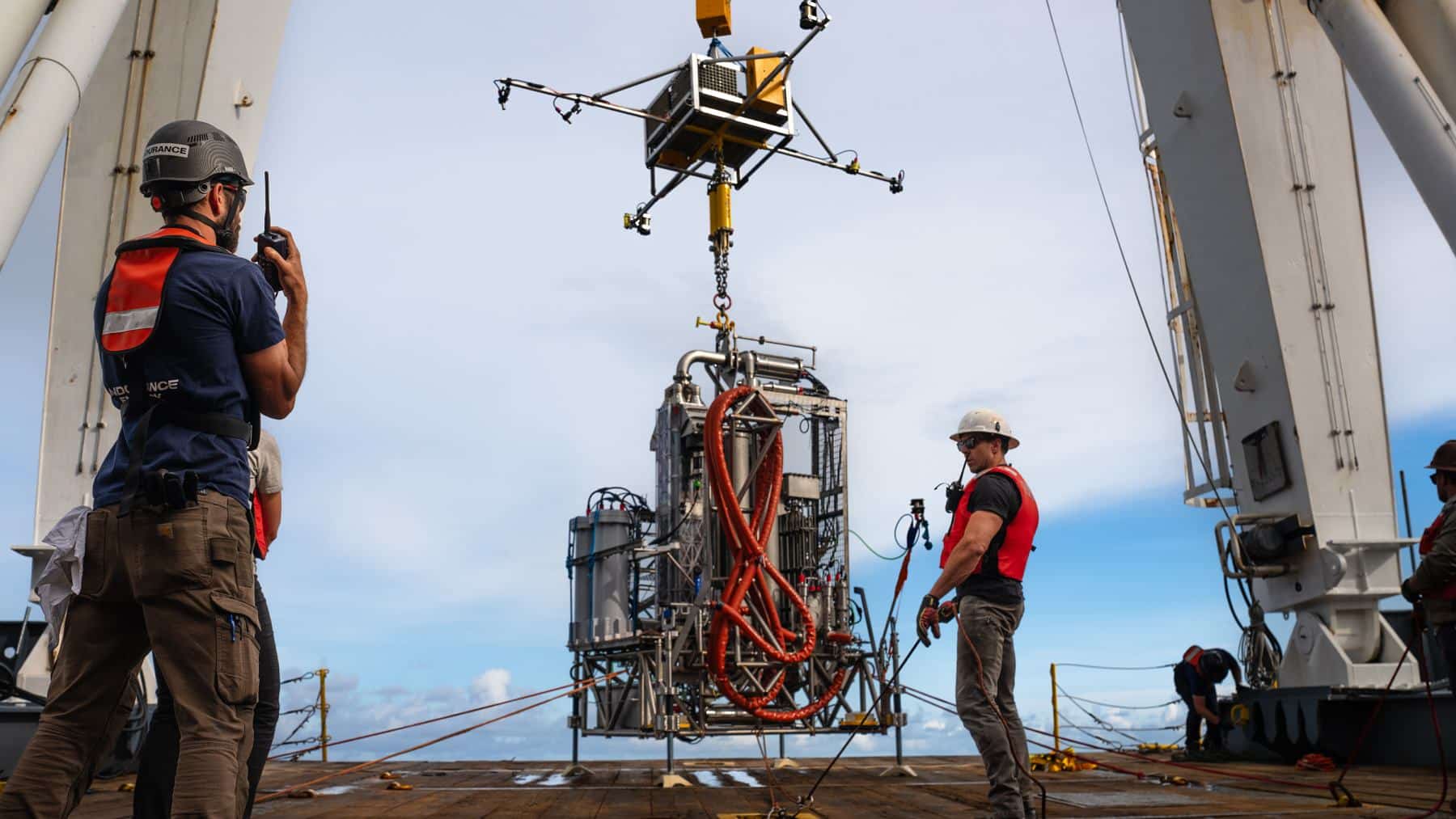
At Texas A&M’s RELLIS campus, the company is building a scaled-down 5-megawatt version called the PWR-5. It is Last Energy’s first reactor in the ground anywhere, and one of 11 projects the Department of Energy picked in August 2025 for a program built to fast-track advanced reactor testing outside the national labs, with a target of getting reactors critical by the Fourth of July.
The pilot hit a genuine milestone in late May, when the DOE approved its preliminary safety analysis. The Texas A&M University System called it a step toward final authorization for fuel delivery and operation. A company spokesperson told Nuclear Newswire in early July that the building is finished, the core components are installed, and the final safety document is in for DOE review, with an initial criticality test expected this summer. A $100 million funding round led by the Astera Institute, closed at the start of the year, is paying for it.
Two caveats keep this honest. The DOE sign-off is a program gate, not an NRC license, so the pilot runs under a federal research pathway rather than the full commercial rulebook. And criticality, when it comes, only proves the reactor can sustain a chain reaction. It does not mean the thing is producing usable electricity, or money.
It also means Last Energy missed a finish line that several of its competitors crossed. A handful of rival designs raced to go critical around the DOE’s July 4 target this year, and Last Energy was not among them. It is running a slower race for a different prize.
Boring, thirty times over
So here is where Last Energy actually stands. It has a finished pilot building, its reactor components installed, fuel already secured, and a federal safety approval clearing the path toward a criticality test in the next few months. It also has a 200-acre field in Haskell County with 30 reactors drawn on paper and nothing yet built.
The whole thesis rides on repeatability. If a small, unremarkable reactor can be built once, licensed, and then copied 30 times without reinventing anything, the math of powering a data center starts to shift. If the pilot stumbles, Last Energy is just another startup with a rendering and a grid application.
The pressurized water reactor has run American plants since the 1960s. The bet here isn’t that it’s clever. It’s that being unclever, 30 times over, is what a grid drowning in server demand actually needs.
 mikeconley ENTHUSIAST3 months ago