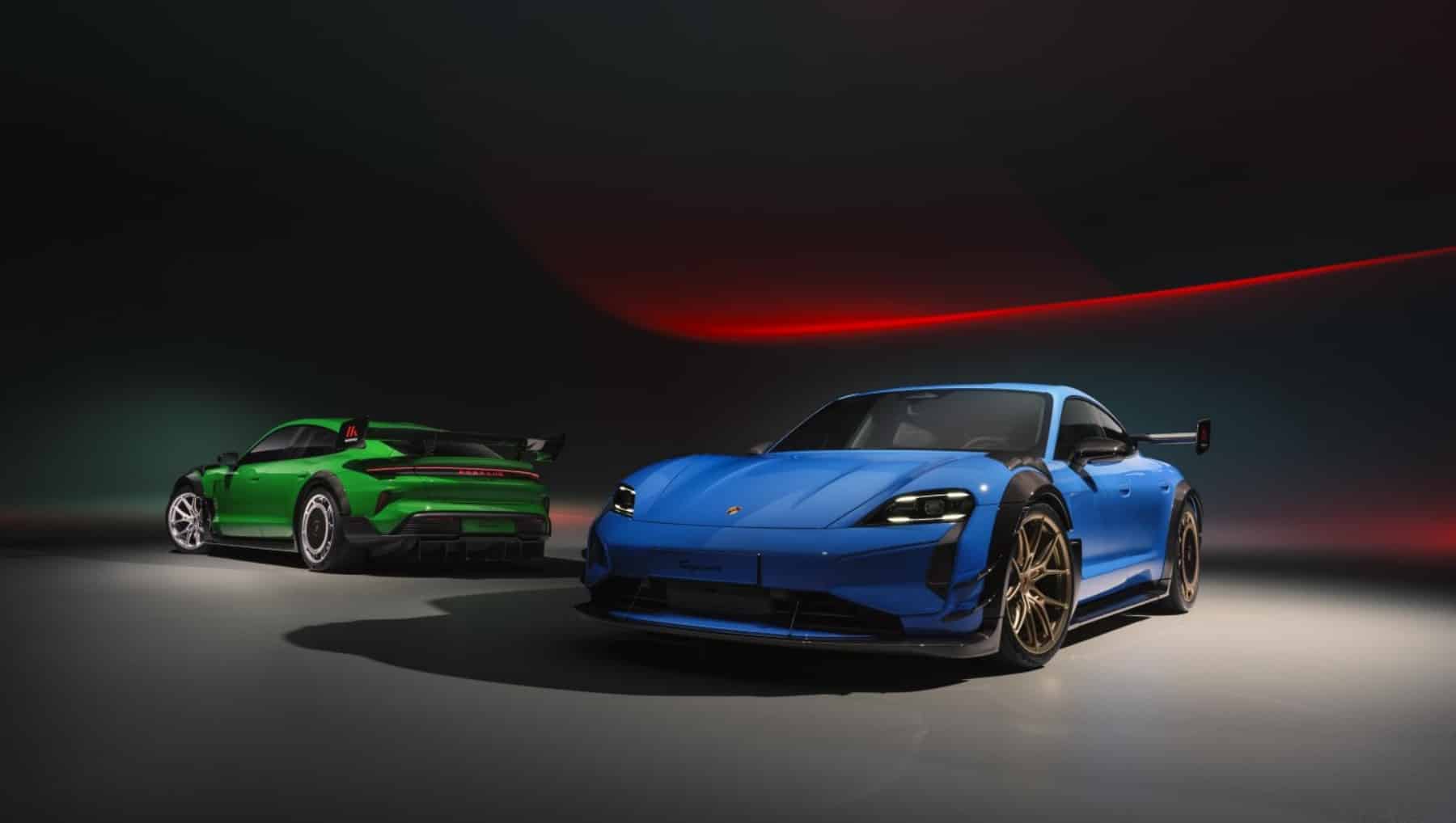

If current rumors are to be believed, Porsche is killing the Taycan alongside wider restructuring plans which will see ten vehicles in total discontinued. The Taycan’s inclusion wouldn’t exactly a shock, Porsche suspended production of the electric sportscar in May 2026 after disappointing sales.
But what went wrong with the Taycan, exactly? Why aren’t people buying it and just how much of an impact has this failure had on Porsche?
Performance isn’t what is killing the Taycan
I’ve driven a few Porsche Taycans in my time, and I’ve done so in a variety of situations. I’ve had one on track at Sonoma, I’ve “off-roaded” in one, and I’ve driven the electric Grand Tourer on the street.
On all of those occasions, I was pretty impressed with it. Yes electric speed is different, and arguably not as fun, as combustion-driven pace. But I still had a very good time behind the wheel. But there’s a big difference between turning up to have fun in a vehicle for a limited time, and actually owning one.
The Taycan is pretty unreliable for a Porsche
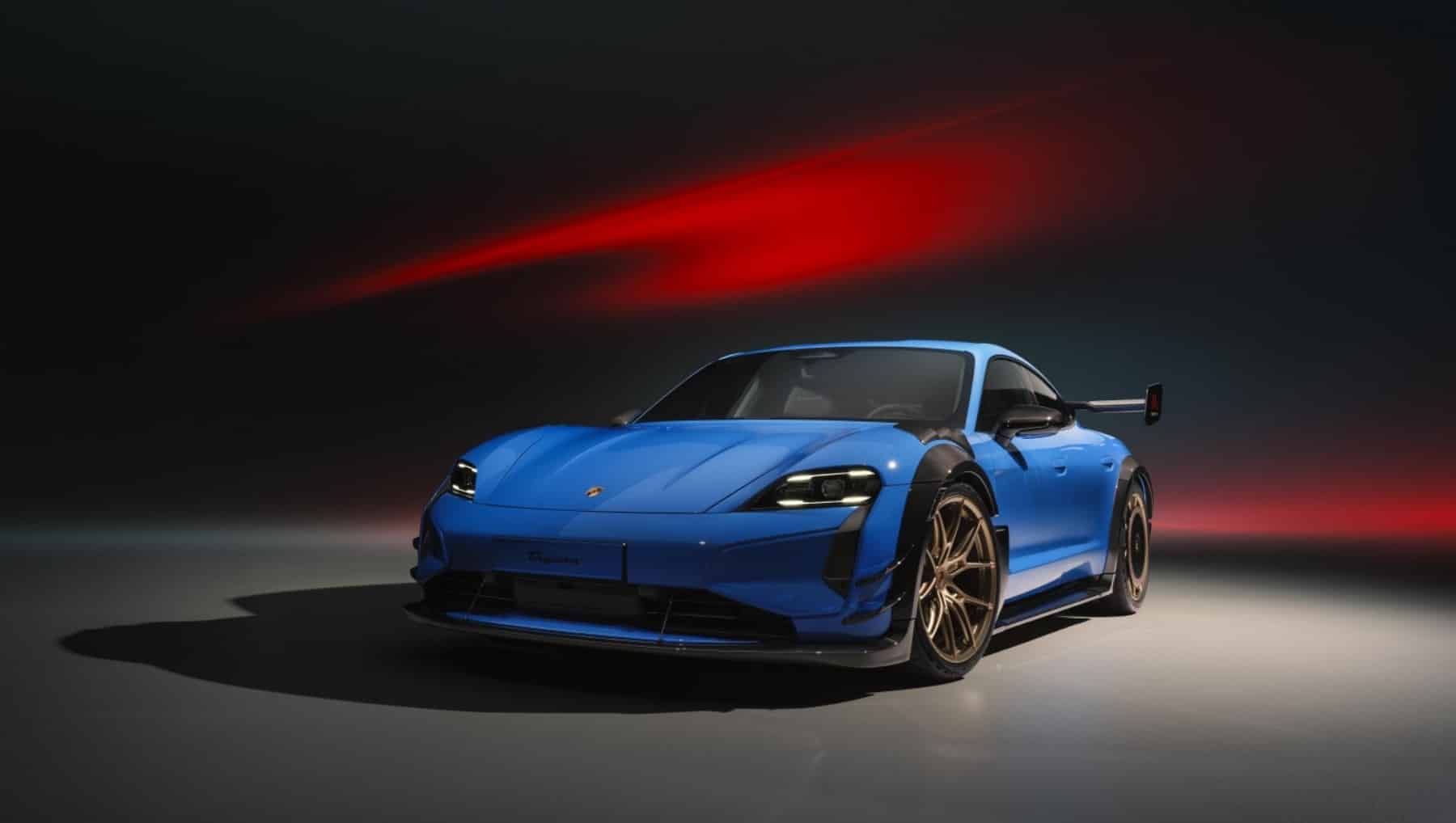
Porsches have a reputation for being pretty bullet proof. Not in the assassination avoidance sense, but more in terms of reliability. Yes, when something goes wrong on a Porsche it will likely cost a small fortune to fix. But things don’t go wrong often, which balances all of that out somewhat.
Unfortunately this doesn’t seem to apply to the Taycan which was plagued with a variety of issues. This included software faults, electrical faults, and random powertrain shutdowns on earlier models. Then there was a major recall with 2020-2024 models due to a battery fault which posed a fire risk. Porsche recommended an 80% charging cap on the vehicles until the issue was fixed, which further hit the already limited range of the Taycan.
All of this dented confidence in Porsche’s premier EV and likely had a major impact on vehicle sales. But this might not be the biggest issue.
Depreciation on the Porsche Taycan is insane
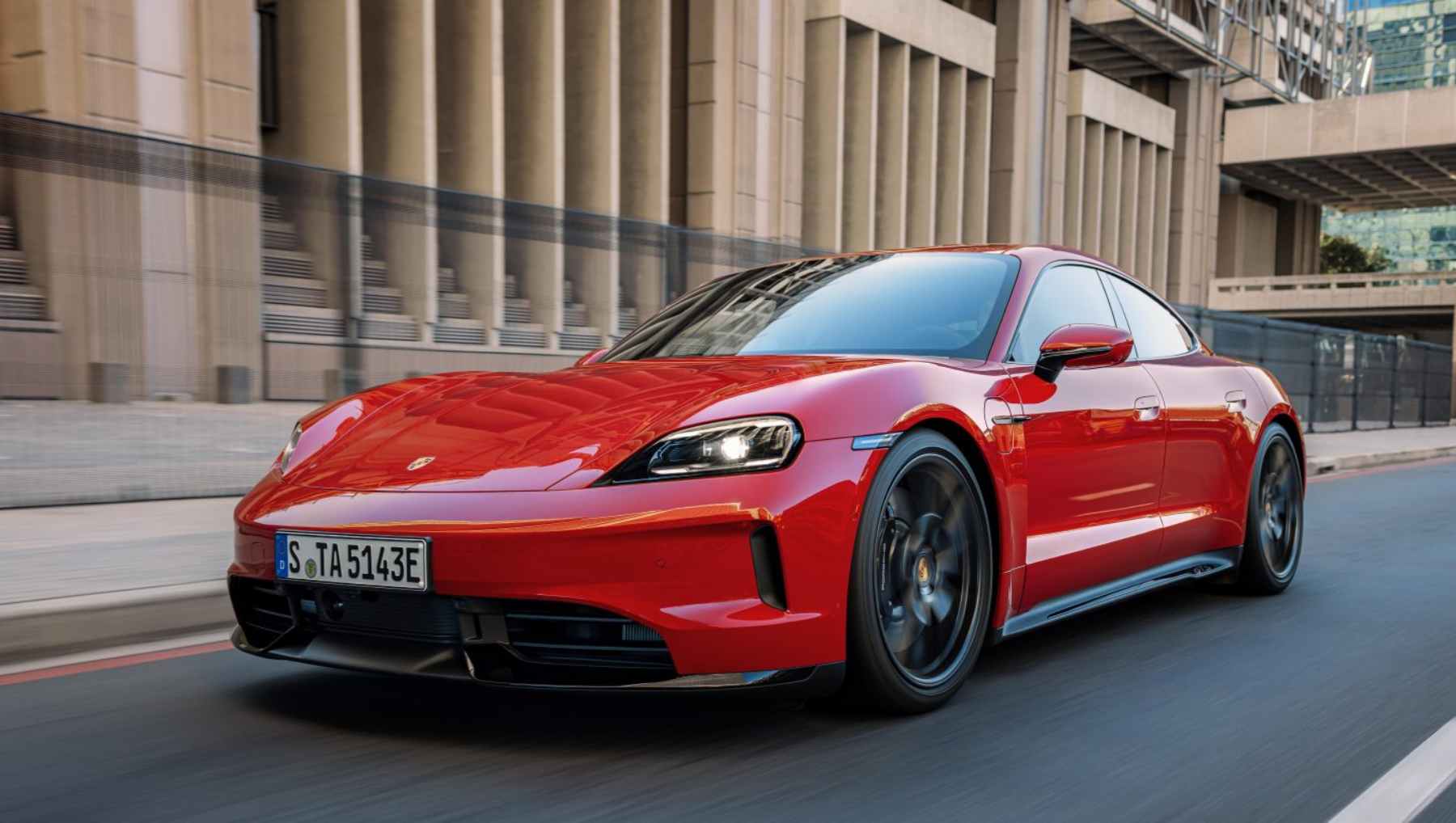
There are two types of sports car, those that depreciate and those that appreciate. If you spend hundreds of thousands of dollars on a limited-run Ferrari, there’s a good chance it will end up increasing in value over the years. Something like a Maserati GranTurismo on the other hand will likely be worth significantly less than what you paid for it a few years down the line.
Porsches, in recent years, have been a pretty safe investment. Many of the classics have shot up in price, while newer 911s have held their value pretty well. This doesn’t apply to the Taycan which has, in some cases, lost 50% of its value in as little as two years. This is pretty good if you want to roll the dice on a second hand electric Porsche. But likely offputting if you’re thinking of adding one to the collection. Depreciation is an issue with EVs in general, but the Taycan is one of the worst offenders. Plus, a 50% loss on a six-figure is significantly harder to stomach than the same loss on a $30,000 econobox.
The Asian market is an issue too
Prior to the Taycan’s release, German luxury vehicle manufacturers were doing pretty well in China. As industry boomed, the elites in China had money to spend. Luxury European cars were a status symbol, and the Asian market became a major part of Porsche’s (and other luxury vehicle manufacturers’) income.
But things have changed. The Chinese domestic automotive market has made major strides in terms of quality and saturation. As a result, it’s now arguably the hardest vehicle market in the world to crack. Internal price wars are causing problems for companies like BYD, while the likes of Volkswagen (and Porsche) are pretty much shut out entirely. The EV market is especially competitive in China.
As a result, Porsche has scaled back its Chinese distribution network by around 30%. The Taycan getting Tay-canned might be in part due to competition from the likes of Zeekr, Xiaomi, BYD, and Nio who are offering their own high performance models at a fraction of the price.
Factor in the electric Macan’s poor sales, and you can argue Porsche’s foray into the EV market has been a complete disaster. On the plus side, the 911 is selling well. So at least the German performance company will have plenty of reasons to stick to what it does best.