- 9 MONTHS AGO · ELECTRIC VEHICLES (EVS)Chinese EV prices may increase — but will it help struggling American automakers?
- 8 MONTHS AGO · NEWSTesla built 408,386 cars in Q1 — Then found out what Americans actually want to buy in 2026
- 5 MONTHS AGO · NEWSNissan just built a peppy little hybrid crossover that gets more torque than the US version and costs just $18,700, and American buyers desperate for a cheap car can’t have it, because it’s only sold in Japan
- 3 MONTHS AGO · NEWSHonda Gave Each of Its Suppliers a Cost-Cutting Target. One Source Says the Demand Is So Severe That Most of Them Are Not Going to Hit It
- TODAY · THIS ARTICLEThe U.S. Wants Sedans Again: The Honda Accord Has a 32.7% Sales Increase, Mazda 3 Is Up 42.3%, and Lexus IS Is Up 51.7% as Americans Demand Cheap Cars
Sedans are a thing again.
I never thought I’d be excited by commuter cars, but here we are. We are three-quarters of the way through 2026, and it seems that sedans are seeing more year-over-year growth than SUVs.
So, the headline is slightly misleading. SUVs are still America’s sweetheart. America’s boring, ugly, overweight sweetheart. They make up the vast majority of new-car sales in the United States. However, sedans are seeing a huge growth that could see a change in the car industry.
According to Car and Driver, some of America’s most popular automakers saw sedan sales grow much more than truck and SUV sales. This includes Toyota and Honda, with the latter reporting its sedans, hatchbacks, and sports cars seeing a 15.6% increase over last year. According to Honda, this was the best quarter for passenger car sales since 2020. Meanwhile, its SUVs have been essentially the same, rising only 0.3%.
Which sedans are winning?
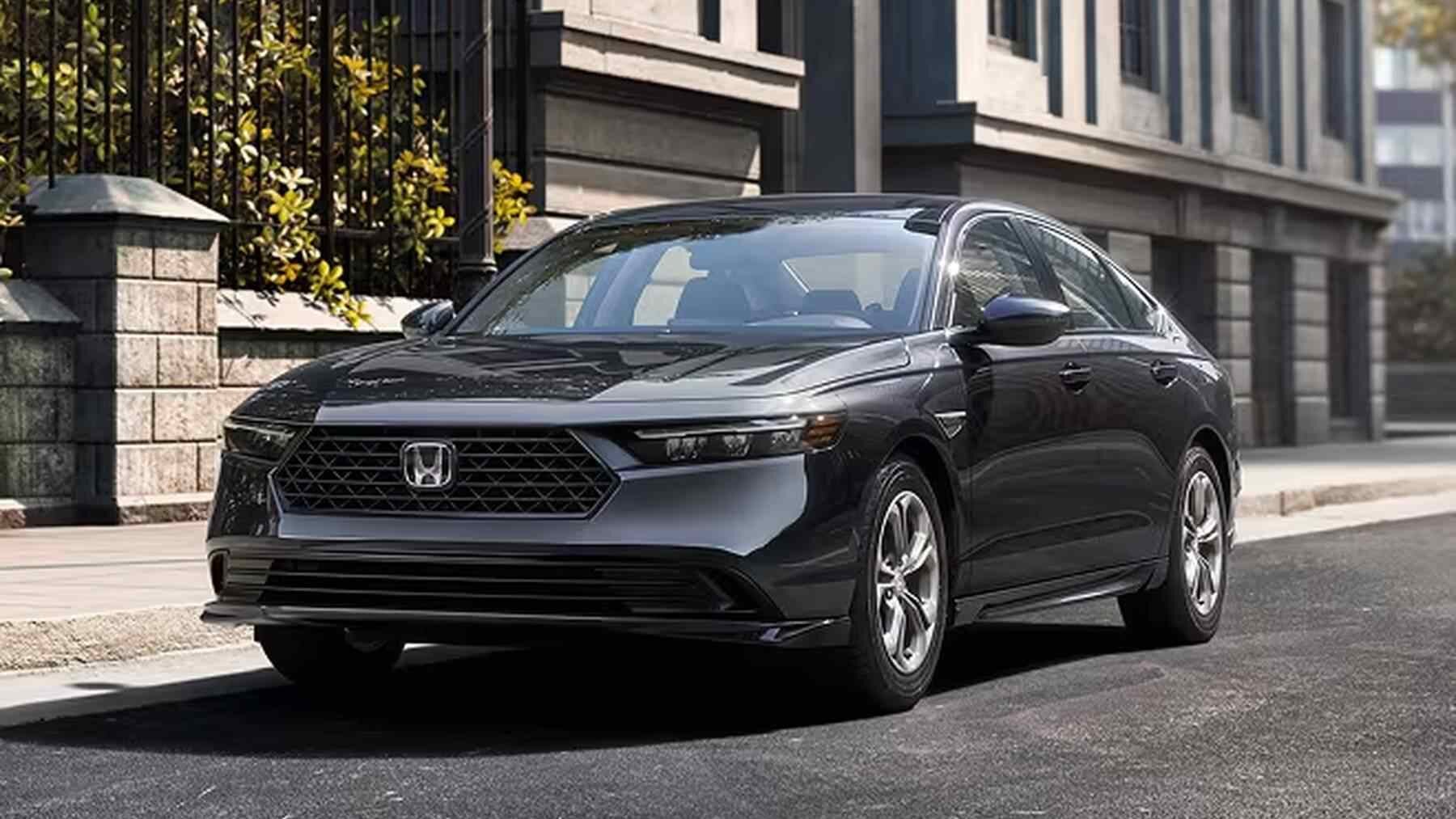
The Toyota Camry and Honda Accord stood out for having the largest year-over-year sales increase. The Camry was up 11.2%, bringing it to 260,684 units sold, while the Accord was up 32.7%, reporting 145,520 units sold. The Toyota Corolla saw an 8.4% increase (191,141 units sold), and the Honda Civic saw a 5.4% increase (195,135 units sold).
Toyota and Honda were not the only ones. The Mazda 3 was up by a whopping 42.3%.
Kia and Hyundai also saw a similar trend. The Hyundai Elantra reported an 11% increase in sales. The Hyundai Sonata and Kia K5, mid-size sedans, also saw sales increases.
Surprisingly, it wasn’t only cost-effective sedans that saw this sales trend. Luxury models like the BMW 3-Series, Lexus IS, and Acura Integra saw impressive increases of 37.3%, 51.7%, and 37.3%, respectively.
Why are sedans back?
The reason is not surprising. It’s what I’ve been saying all along: Americans want cheap cars. GIVE US THE CHEAP CARS, DAMNIT!
Automakers have focused on SUVs over the years because they have seen increased sales of their luxury behemoths. Meanwhile, sedans and small cars were losing sales. Seems obvious, right?
The issue was that automakers were going by numbers alone. In reality, Americans just didn’t have money for sedans as prices increased. Meanwhile, rich people were able to keep buying their over-the-top SUVs with no issue.
It’s not that Americans didn’t want sedans. It’s because they couldn’t afford them anymore, especially as the average price of a new car shot up to nearly $50,000.
As gas prices skyrocket, tariffs increase vehicle costs, and monthly payments keep rising, Americans feel a bit cornered. The only new cars they can really afford are sedans, like the Honda Accord, Mazda 3, and Toyota Corolla. At the same time, sedans get better fuel economy than SUVs, saving money at the pump.
 The Worst Moments From the Cybertruck’s Short, Miserable LifeElectric Vehicles (EVs) · 2 weeks ago
 Why Tesla’s Cybertruck Failed, and What We’ll Remember it ForElectric Vehicles (EVs) · 2 weeks ago
 China Is Working On a Way To Give EVs Over 1,200 Miles Of Range On a Single ChargeElectric Vehicles (EVs) · 2 weeks ago