
- 8 MONTHS AGO · NEWSNo, Tesla owners, your self-driving car can’t drive you home from the bar
- 8 MONTHS AGO · NEWS“This is reaching genuinely dangerous levels”: Drivers call out Tesla for sharing stories of blind and elderly people relying on Full Self-Driving mode
- 7 MONTHS AGO · NEWSNot Lucid, Not Rivian: Toyota Could Be the Next Automaker to Bring Fully Autonomous Driving to the Next Level Before Tesla
- 5 MONTHS AGO · NEWSMercedes-Benz spent the last decade selling you electric luxury. Now it’s building vehicles designed to knock drones out of the sky, mounting interceptors on the G-Class as Europe rearms and EV demand collapses
- TODAY · THIS ARTICLEMercedes-Benz Is Hoping To Take On Tesla’s FSD With Its New Point-To-Point Driving Assistance In 2027, And It’s Looking Promising
It’s not just Rivian that’s looking to take down Tesla’s Full Self-Driving mode now that the automaker is slowly discontinuing its passenger vehicles to focus on its gimmicky Cybercab.
The next brand to announce big autonomous driving goals is Mercedes-Benz. Can this luxury brand’s driving assistance compete with FSD?
Here’s where we are now
Mercedes-Benz released a Level 3 driving assistance program in the United States three years ago. It sounds good to say Level 3, since most vehicles only offer Level 2, including Tesla. Yes, Full Self-Driving mode is Level 2, meaning you still have to keep your eyes on the road and your hands on the steering wheel. Which means, yes, Elon Musk should not be promoting the idea that a blind man can drive a Cybertruck. But you already know my ongoing complaints about Musk’s decade-long false claims.
But if you’re interested, I’m always happy to repeat it! Just let me know.
Anyway, Mercedes’ Level 3 automated driving system was called Drive Pilot. It was approved only in Nevada and California, and it could be used at up to 40 miles per hour. So, basically, when you’re stuck in traffic. This was eventually paused, with CTO Jörg Burkhardt calling it “early.”
That doesn’t mean Mercedes-Benz is done, however. Big plans are on the way: two new products arriving in 2027 that enable hands-free highway driving and hands-on point-to-point navigation. With a subscription, of course. But it should, in theory, work like Tesla and Rivian’s driving assistance, which does most of the work for you. And like Tesla, they will only be Level 2.
Even so, this is Mercedes trying to compete with Tesla, not Waymo.
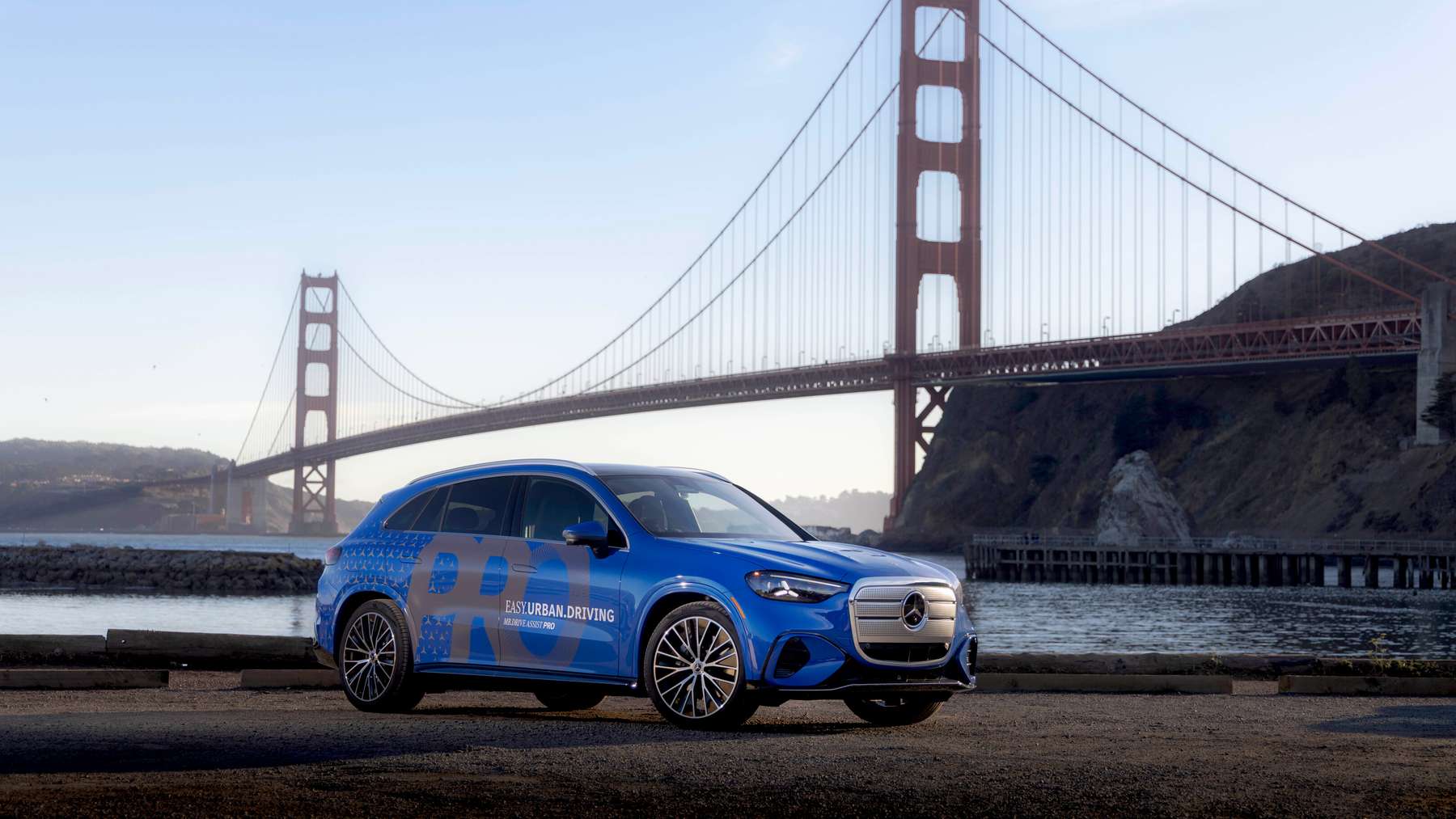
The new tech will arrive on Mercedes-Benz MB.OS system, which will include the CLA, GLB, GLC, GLE, C-Class, and S-Class vehicles. And future models. The system uses an Nvidia Orin system-on-chip (SoC). Nvidia is also involved in the program’s sensors. There are 10 cameras, five radar sensors, and 12 ultrasonic sensors.
I mean, it sounds promising after hearing that Tesla won’t use any sensors, and that’s proven to be pretty questionable. But what’s the reality?
Is Mercedes-Benz’ point-to-point system any good?
Some publications have already had the opportunity to try out Mercedes’ upcoming point-by-point driving system. And reviews are quite mixed.
Road & Track was a bit underwhelmed. At an intersection an hour into the test drive, the GLC EV seemed to nervously waver between two turn signals. Eventually, it chose the right one. But the experience felt cautious overall, especially when pedestrians were involved.
The review noted: “Other than the confusion at that first intersection, most of my frustrations with the system came from its combination of cautiousness and aggression. Overly patient ADAS programming is certainly not a bad thing, but motorists at stop signs regularly confused me, wondering why the car took so long to get going after coming to a complete stop.”
On the other hand, CNET’s review, from the perspective of a woman who barely drove herself, was quite positive. She had to take over a few times when the EV was, once again, being overly cautious. But it worked for her: “Some of this simply comes down to a learning curve. Over the hour I spent behind the wheel, I found myself feeling less anxious and more trusting of the system.
“I’d imagine that confidence would only grow with repeated use of MB.Drive Assist Pro, so drivers can feel less apprehensive about the car taking the lead, even if some decisions still occasionally give them pause.”
GreenCars was also an overall fan after a 45-minute drive around San Francisco. The review said that the system handled everything “surprisingly well, including unprotected turns, where it waited for oncoming traffic to clear.” I mean, it seems that being cautious is the move, even if some Tesla drivers may not like it. I mean, they have a Mad Max driving mode over there.
“On a road with a series of stop signs, each with both a stop line and a zebra crossing, it stopped twice: once at the line, then again a few feet ahead at the crosswalk before proceeding through the intersection,” the review continued. “Where cars were double-parked, it slowed, eased left to see if the way was clear, and then went around.
“The whole drive was very confidence-inspiring, and it never did anything alarming.”
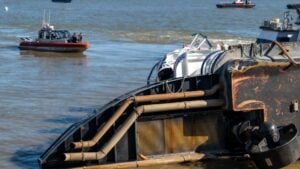 A 525-foot asphalt tanker hit a docked Mississippi paddlewheeler in New Orleans about two hours after she tied up, about 100 people were pulled from the river and all 191 aboard came out alive, and investigators now hold the recorder designed to capture what was said on the tanker’s bridgeNews · 2 days ago
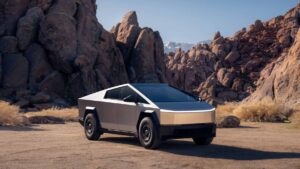 The Worst Moments From the Cybertruck’s Short, Miserable LifeElectric Vehicles (EVs) · 1 week ago
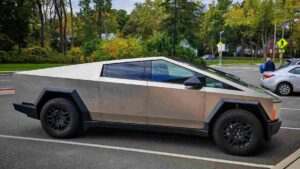 Why Tesla’s Cybertruck Failed, and What We’ll Remember it ForElectric Vehicles (EVs) · 1 week ago