
There have been some wild pivots over the last couple of years as the EV gold rush has gone into reverse, but Mercedes-Benz just made one that’s hard to top. The company that spent the last decade selling you electric luxury is now planning to build vehicles designed to knock drones out of the sky.
At the ILA 2026 air show in Berlin, Mercedes-Benz signed a memorandum of understanding with Tytan Technologies, a Munich counter-drone startup, to develop vehicle-mounted systems that detect, track, and take down small drones, built on the military G-Class and the Sprinter van. And before anyone ties this to the headlines coming out of the Middle East, the real driver is much closer to home. Europe is rearming, consumer EV demand has cratered, Chinese brands are undercutting everyone, and Ukraine has spent three years proving that cheap drones rewrite the rules of war. Defense is suddenly where the money is, and Mercedes wants in. It’s now calling the sector “a strategic growth field.”
What Mercedes and Tytan actually signed
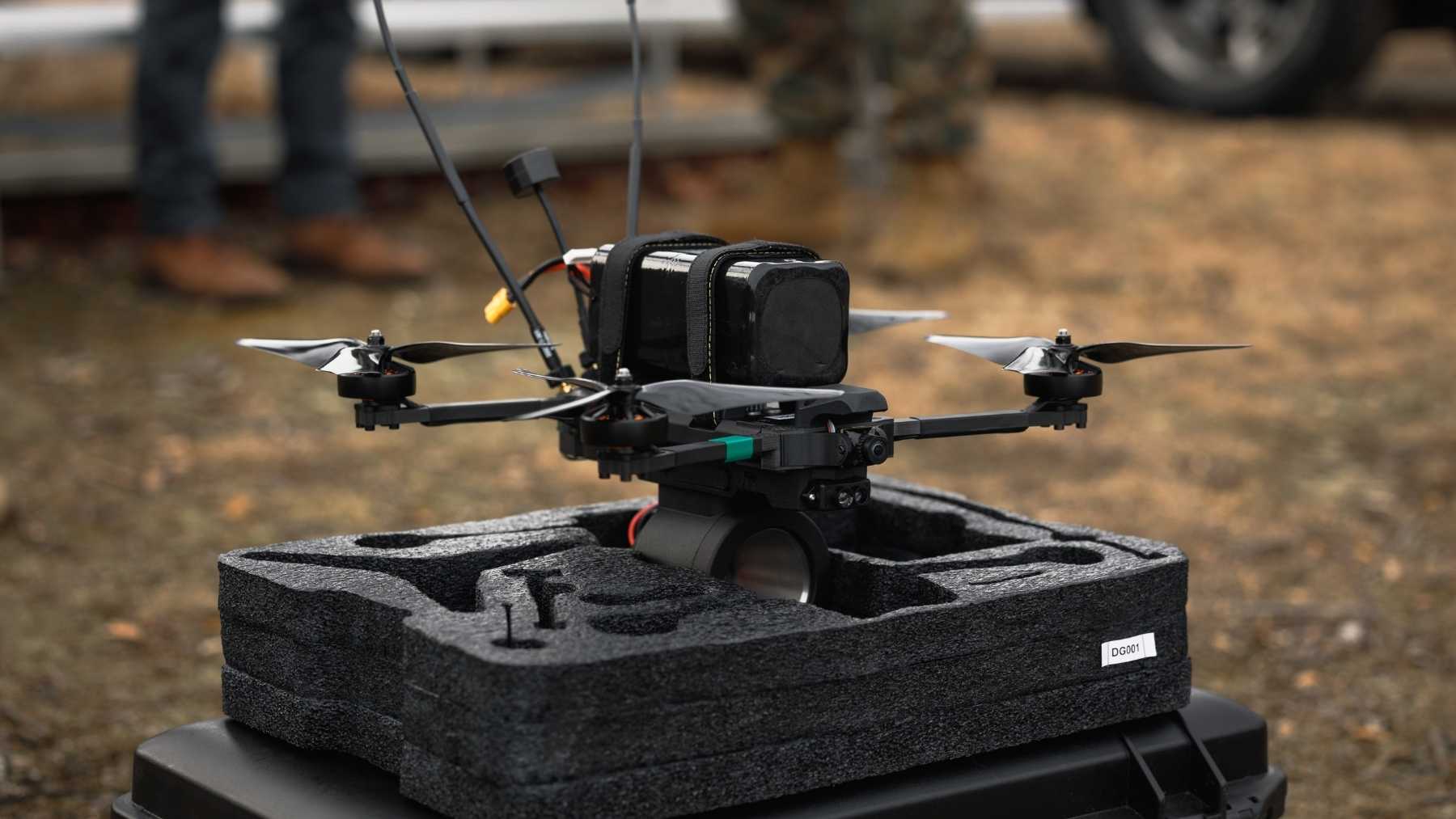
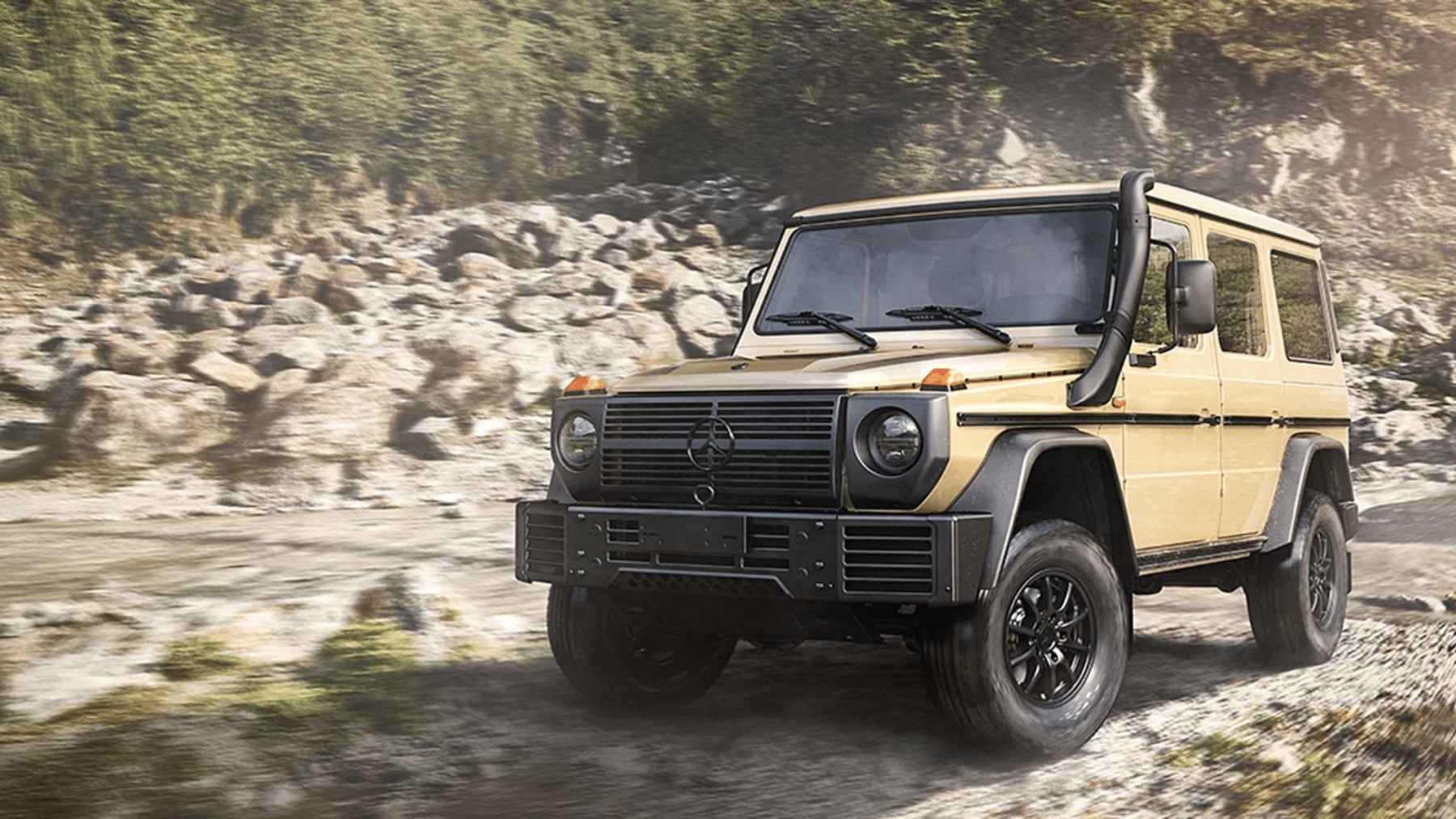
It’s worth being precise here, because the coverage makes this sound further along than it is. This is a memorandum of understanding, not a production contract. No order, no volumes, no timeline yet, signed at a German air show with the country’s economy minister watching. What it sets up is a division of labor: Mercedes supplies the vehicles, Tytan bolts on the hard part. The G-Class, already in German military service under the “Wolf” name, becomes a mobile mission platform, while the high-roof Sprinter gets reworked into a drone carrier. Tytan handles the radar, the sensors, the target-acquisition software, and the interceptor launchers, the machinery that actually finds a drone and brings it down. The two even showed a working prototype at the show.
Tytan is the genuinely interesting half of this. It opened a factory in Munich back in January with a stated goal of pumping out 3,000 interceptors a month by the end of 2026, and its whole pitch is cheap, mass-producible drone defense, the kind of math Ukraine made impossible to ignore. Which raises a question nobody at the show seemed eager to answer: if the interceptor was built to be cheap, what does mounting it on a six-figure G-Class actually buy you? That’s the part the eventual contract, if one ever comes, will have to justify.
The G-Class is just going back to where it started
Here’s the part I actually love. For the G-Class, a military job isn’t a betrayal of its character, it’s a homecoming. The thing was born a military vehicle. Development kicked off in 1972 as a partnership between Daimler-Benz and Austria’s Steyr-Daimler-Puch, and the popular version of the origin story credits the idea to the Shah of Iran, a major Mercedes shareholder at the time who reportedly wanted a rugged off-roader for the Iranian army. Mercedes’ own official history pointedly leaves him out, for what it’s worth. Either way, the first Geländewagen appeared in 1979, the same year the Shah was overthrown, and within a few years it was in real combat in the Falklands. The boxy status symbol parked outside every steakhouse in America started life as a soldier.
The pivot hasn’t landed cleanly with everyone, and in Germany the unease makes sense. A national-champion automaker building weapons platforms, against the backdrop of the country’s twentieth-century history and a Europe rearming faster than it has in generations, is the kind of thing that gets argued over rather than simply cheered. Daimler, like most of German heavy industry, built for the Wehrmacht during the war, and that past doesn’t fully evaporate. But the more prosaic truth is that this is an industry following the money. Tariffs are chewing through margins, EVs aren’t selling the way the forecasts promised, and defense budgets are one of the few line items going up.
Mercedes isn’t the only one trading EVs for arms
This is a trend, not a one-off. With Chinese brands undercutting them at home and abroad, Renault and Volkswagen have both been pushing into defense work, and Germany’s Rheinmetall has turned into one of Europe’s hottest industrial stocks riding the rearmament wave. The reasoning is the same everywhere: a plant that can stamp steel and run an assembly line isn’t conceptually far from a defense supplier, and defense contracts don’t vanish the moment a tax credit expires.
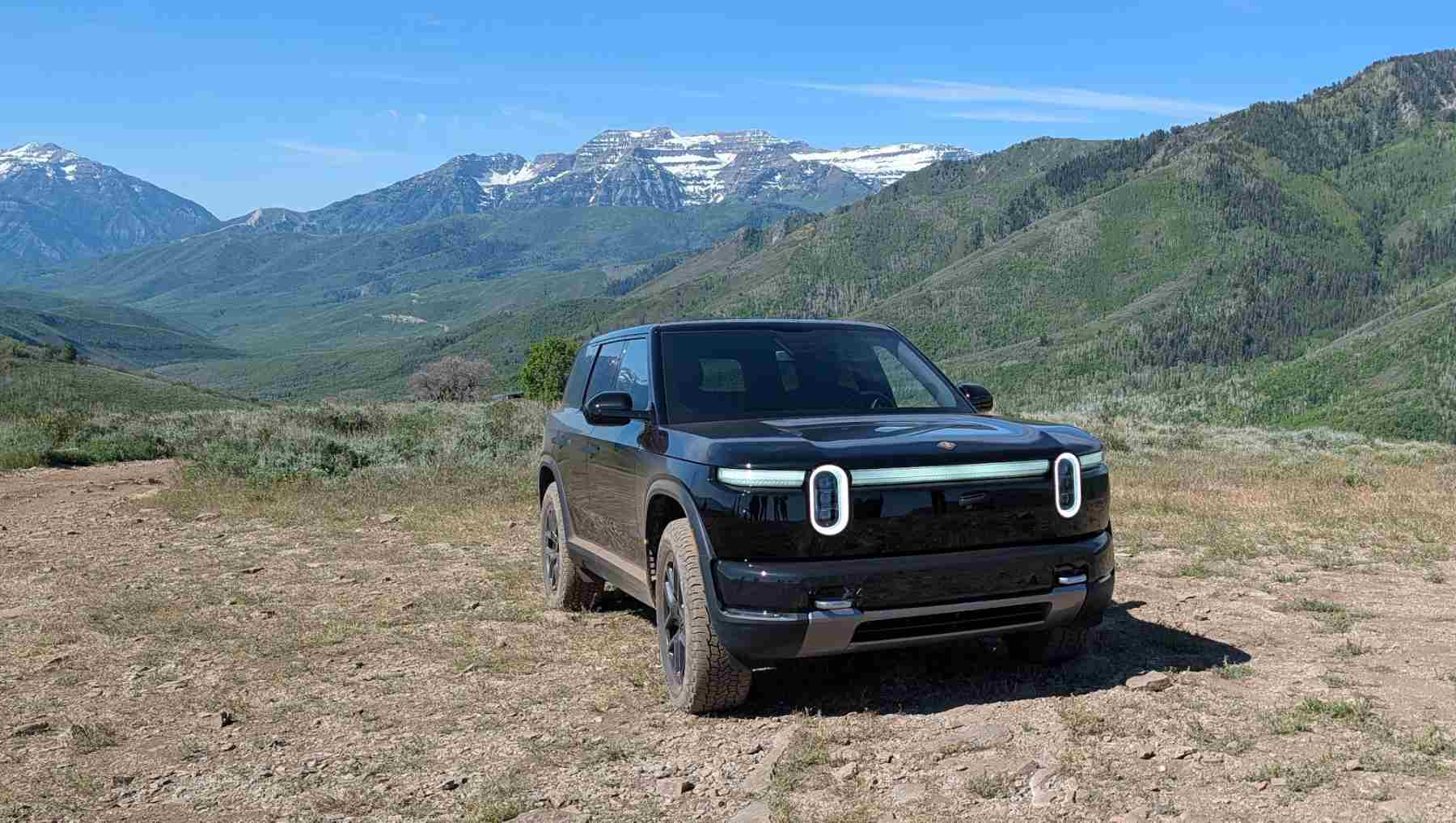
It also explains why the timing works. Mercedes has been quietly dialing back parts of its EQ electric push as demand softened on both sides of the Atlantic, and the electric G-Class, formally the G 580 with EQ Technology, has been a slow seller, held back mostly by a modest 239-mile range on a truck that starts deep into six figures. A G-Class runs from about $155,000 for a base G 550 to just under $200,000 for the AMG G 63, and plenty of them have been sitting on dealer lots. A vehicle that isn’t moving fast enough as a luxury toy suddenly has a second possible customer: a defense ministry.
None of this means the G-Class is about to roll into a war zone next month. It’s a memorandum, the contract may never materialize, and a cheap interceptor on an expensive chassis is a real question mark. But strip away the novelty and the picture is clear enough: the EV boom that was supposed to define this decade has stalled, and the companies that bet the house on it are scrambling for anything that sells. For Mercedes, that turned out to be the oldest trick in its own book, building a machine for the army. The G-Wagen has just been waiting fifty years to be asked again.
 @edwinjdingleyic ROOKIE3 months ago