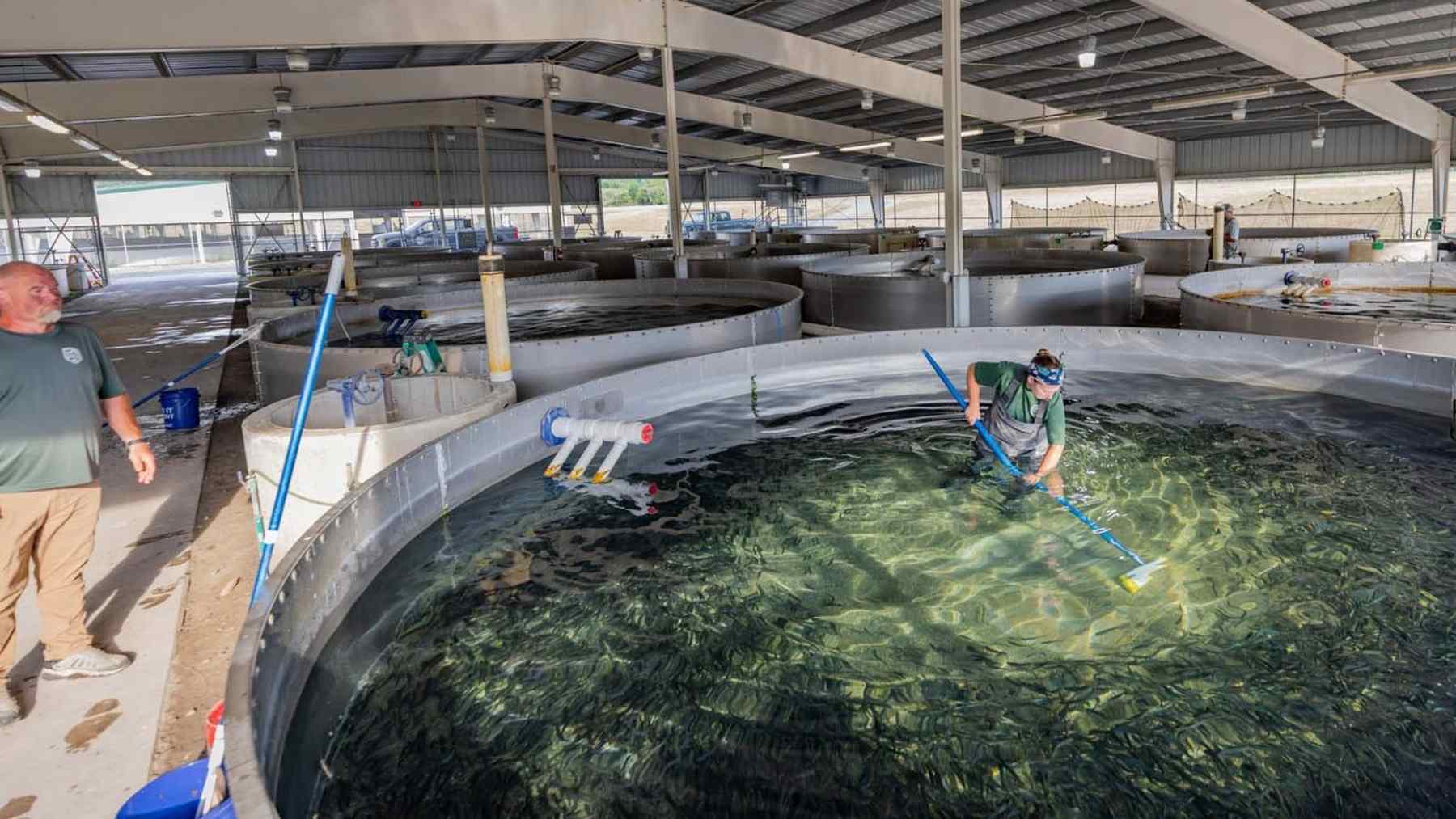

- 1 MONTH AGO · ENERGYA 930-megawatt reactor on the South African coast was cut to half power when dead sardines packed its seawater intake and a cooling pump shut itself off, the only nuclear plant in Africa was already down to one machine with its twin in refueling, and on Friday that one tripped too
- 2 WEEKS AGO · ENERGYA 900-megawatt reactor on a French estuary shut itself down as crews readied one of its backup diesel generators for a routine test, 53 days after the same kind of check tripped it, and stayed off the grid for 92 hours with a sister unit already down for maintenance
- 2 WEEKS AGO · ENERGYAn 800-megawatt reactor on the Missouri River was starting back up after a refueling outage, still at just 9 percent power, when operators shut it down by hand at 4:54 in the morning because the only feedwater pump it had running started to shake harder than it should
- 2 WEEKS AGO · ENERGYA 988-megawatt reactor in Arkansas was at 100 percent power when a lightning strike near the station knocked out every reactor coolant pump at 8:38 a.m., the protection system scrammed the core on its own, and operators held it in hot standby with no radiological release
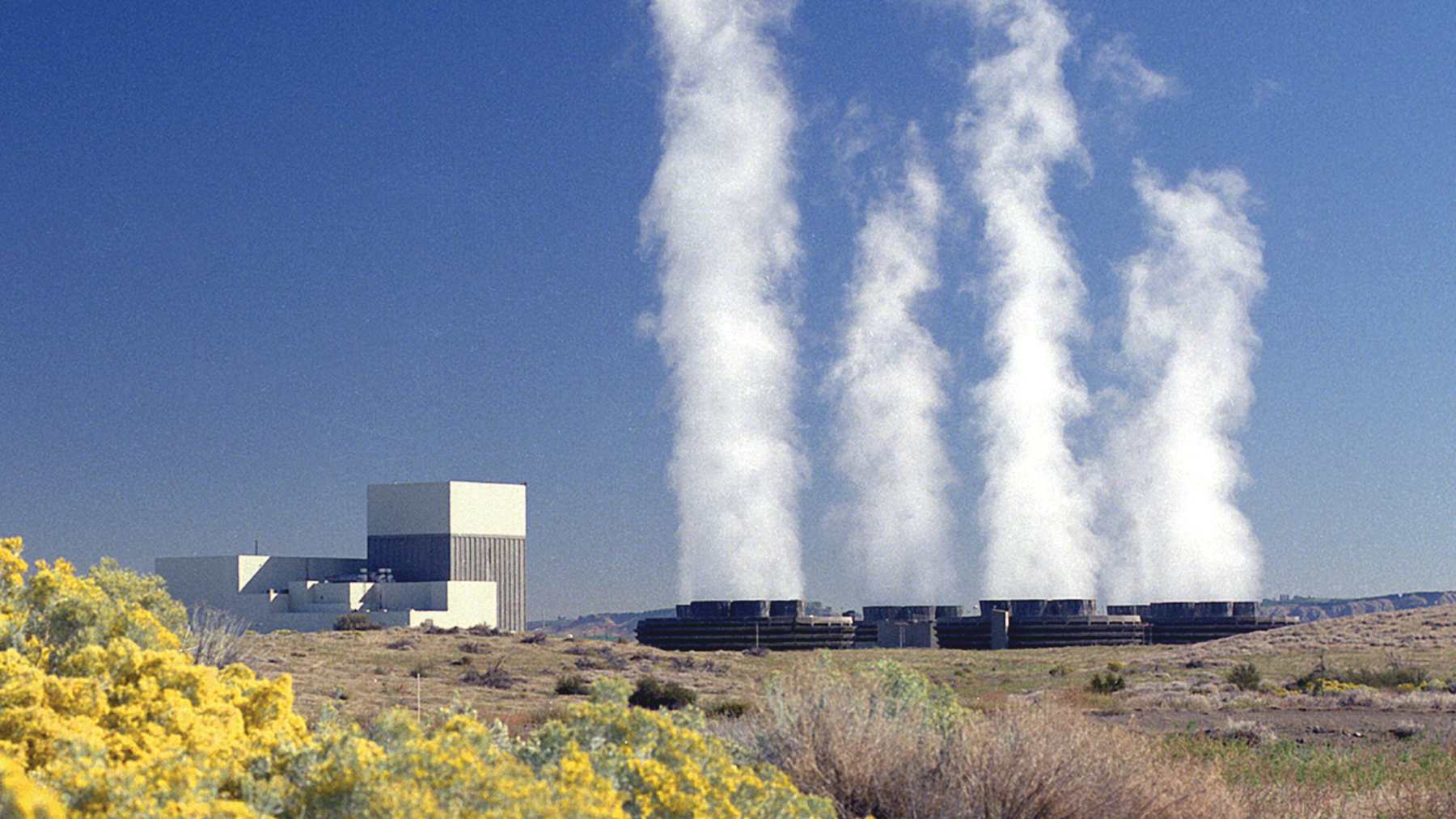
- TODAY · THIS ARTICLEA 1,207-megawatt reactor in Washington state was shut down by hand at 2:49 in the morning after both pumps pushing water through its core tripped five minutes apart, all because one blown fuse knocked out the chillers cooling their drives, and it stayed off the grid for over five days
If you’ve ever lived in an old house, you know the drill. You run one appliance too many, a fuse blows, and half the kitchen goes dark until someone finds a flashlight and a spare.
It turns out a 1,207-megawatt nuclear plant isn’t completely immune to that kind of problem either. Back on February 12, operators at Columbia Generating Station, about 20 miles north of Richland, Washington, shut the reactor down by hand at 2:49 in the morning after it lost both of its reactor recirculation pumps. And thanks to a revised event report from the plant’s operator, Energy Northwest, we now know a lot more about why.
That report, LER 2026-001-01, is dated November 4 and showed up in the Nuclear Regulatory Commission’s public document database on November 13. In February, Energy Northwest’s explanation to Northwest Public Broadcasting (NWPB) was a faulty electrical filter. The new paperwork points at a fuse. It’s filed as a supplement to an earlier version, and it doesn’t say what changed between the two.
So what do recirculation pumps do?
Columbia is the Pacific Northwest’s only commercial nuclear plant, and it’s a boiling water reactor, a General Electric design the NRC lists as a GE-5. The water boils right inside the reactor core, and the steam goes straight to the turbine.
The recirculation pumps push water through that core, and their speed basically works as the plant’s throttle. If you want more power, you push more water through, and if you want less, you slow the pumps down. Each pump’s speed is set by an adjustable speed drive, which is essentially a big electronic motor controller, and at Columbia those drives need their own chillers to stay cool.
The pumps didn’t quit at the same time
The NRC’s first event notice made it sound like both pumps dropped out together at 2:49 a.m. Pacific, and it put the loss down to “abnormal pump drive parameters.” The revised report is more precise. Pump 1B tripped first, at 2:44 a.m., and the reactor kept running on pump 1A while operators worked through the procedure for a single tripped pump.
Five minutes later, pump 1A tripped too, and operators scrammed the reactor manually. A scram is nuclear shorthand for driving every control rod into the core at once, and according to the report, all of them went in.
I’d stop short of calling that heroic, though. Energy Northwest has said the plant would’ve shut itself down automatically if operators hadn’t, so they basically got there first. That’s more or less what happened in Arkansas earlier this month, when a reactor lost all its coolant pumps and its protection system tripped it on its own. And over the summer, a French plant shut reactors down by hand before jellyfish could do it for them.
So was it the filter?
Mostly no. The narrative in the revised report says the fuses tied to the power supplies for the drives’ cooling system had blown. The report’s summary adds that the fuse sat in the chiller control panel and failed after overheating for a long time. That cut power to the communication hardware and left the chillers with no way to take commands.
Without their chillers, the drives lost cooling and tripped, and when a drive trips, its pump goes down with it. So one fuse in a control panel ended up taking the whole plant off the grid.
The filter’s still part of the story, just not as the culprit. As part of the repair, Energy Northwest put in a new fuse holder and new fuses and pulled a power filter out of the drives’ cooling system, which the report describes as unnecessary. I can’t tell from the report whether that’s the same filter the company talked about in February, but it’s pretty easy to see how the two explanations got tangled up.
The alarm’s arguably the more uncomfortable finding. According to the report, the chiller trouble alarm wasn’t working, so the control room got no warning that the drives’ cooling was in trouble. The report also says losing power to that chiller panel wasn’t covered in station procedures, system manuals or training, and getting the chillers back takes someone doing it by hand.
Energy Northwest says it’s writing procedures for losing chiller function, updating its training material, and checking the chiller for manufacturing defects that could’ve kept the alarm quiet.
Then the water level dipped, twice
Shutting a reactor down doesn’t mean you’re done with it, and that’s where things got a little messy. The fuel keeps putting out heat for a while afterward, which is called decay heat, and the water in the reactor vessel has to stay above a set mark while you get rid of it.
Operators reset the scram at 3:05 a.m. Feedwater pump 1A, which keeps water flowing into the vessel, then started acting up on automatic control, so the crew took the feedwater pumps to manual. A minute later, the level dropped below +13 inches anyway. That reading is a low-water tripwire, and crossing it sends an automatic scram signal. Since every rod was already in, that signal didn’t really have anything left to do.
Then it happened a second time, and that set off another scram signal. Operators brought the level back up and reset the signal at 3:10 a.m.
Energy Northwest ran a separate investigation into those dips. Apparently the feedwater pump couldn’t keep up with how fast the reactor vessel was losing pressure. And since the procedures didn’t explain how to override a high-level lockout on the feedwater system, operators started a controlled depressurization so the condensate booster pumps could help hold the level. That’s a pretty roundabout way to get there, and the company plans to rewrite those procedures.
So how did it cool down with both pumps off?
Frankly, this is the neatest part of the whole report. Columbia got rid of its decay heat through natural circulation. Hot water rises and cooler water sinks on its own, so water keeps moving through the core without any pumps, and the steam went to the main condenser.
The report says every emergency core cooling system was available and that the event never threatened the health and safety of the public or plant staff, which matches what the NRC’s event notice said back in February.
The plant was back on the grid more than five days later
Energy Northwest reconnected Columbia to the regional grid on February 17 at about 3:30 p.m. NWPB reported that the plant would come back at roughly 15% of capacity and climb to full power over the following two days or so. The Bonneville Power Administration covered the gap with its hydropower while Columbia was down, according to NWPB.
Before all this, Columbia had run for 227 days straight since its last planned refueling outage, and it hadn’t had an unplanned outage since 2017. That’s a pretty good streak for one fuse to end.
Energy Northwest has Columbia’s next planned refueling outage scheduled for March 2027, which is the next time the plant is supposed to come off the grid on purpose.
 A 181-foot earthen dam in the Arizona desert was holding about 7 acre-feet of water on November 4 and 70,600 five days later, roughly 23 billion gallons of floodwater in a basin that sits dry nearly all the time, and it’s now letting it out at about 3,000 cubic feet a secondEnergy · 3 hours ago
 A 1.5-megawatt hydro plant dark since a 2023 fire was restarted after what its operator calls a year’s work done in seven days, as floodwater stood about 5 inches from the top of the Michigan dam beside it, and its turbine then passed about 2,500 cubic feet of water a secondEnergy · 5 hours ago
 A 48-inch water line has been laid in a trench across the bed of a Utah reservoir drawn down nearly empty for the job, and the falling water gave up a truck stolen in 2007, a hand grenade and a 1915 well still flowing on its own, with the crossing now ahead of its January 1 deadlineEnergy · 6 hours ago