
Every EV battery on the road needs nickel and cobalt, and the usual way to get them is the expensive way: sink a new mine, haul the ore to a smelter, and burn a lot of energy turning rock into metal. So if you want more of those battery metals, the obvious move is to go dig up more rock. A research group in Sudbury, Ontario, has spent years on a stranger idea. Leave the fresh rock where it is, and feed a century and a half of old mining garbage to a tank of bacteria instead.
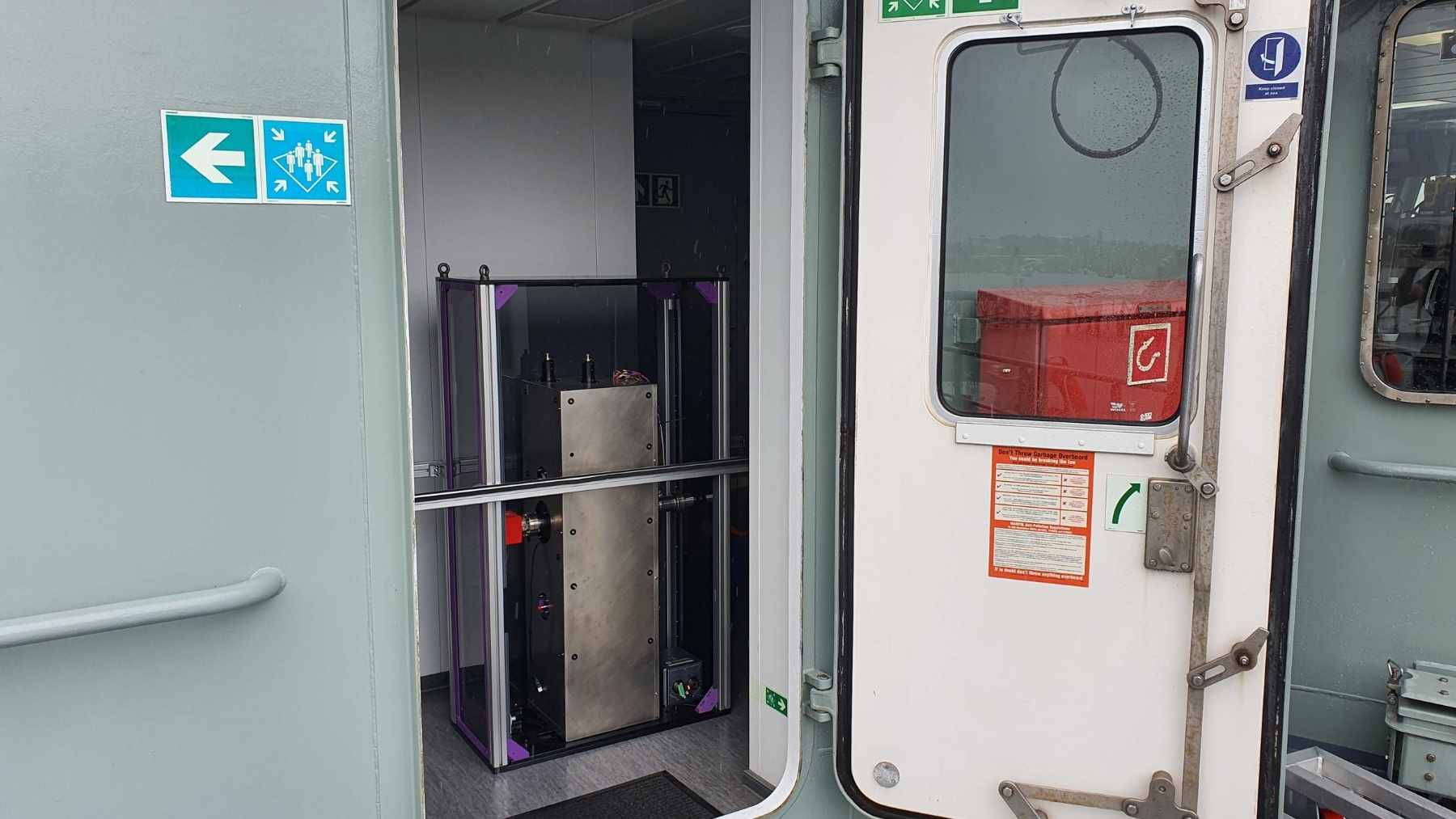
That’s the short version of what MIRARCO Mining Innovation is doing at a 10,000-square-foot pilot plant that opened in October 2025, in an industrial park in Azilda, about ten minutes west of Sudbury. The process is called bioleaching, and the pitch is simple even if the chemistry isn’t: certain microbes work their way through ground-up mine waste, and the reactions that follow dissolve nickel, cobalt and copper out of the rock and into a liquid you can pull the metal from.
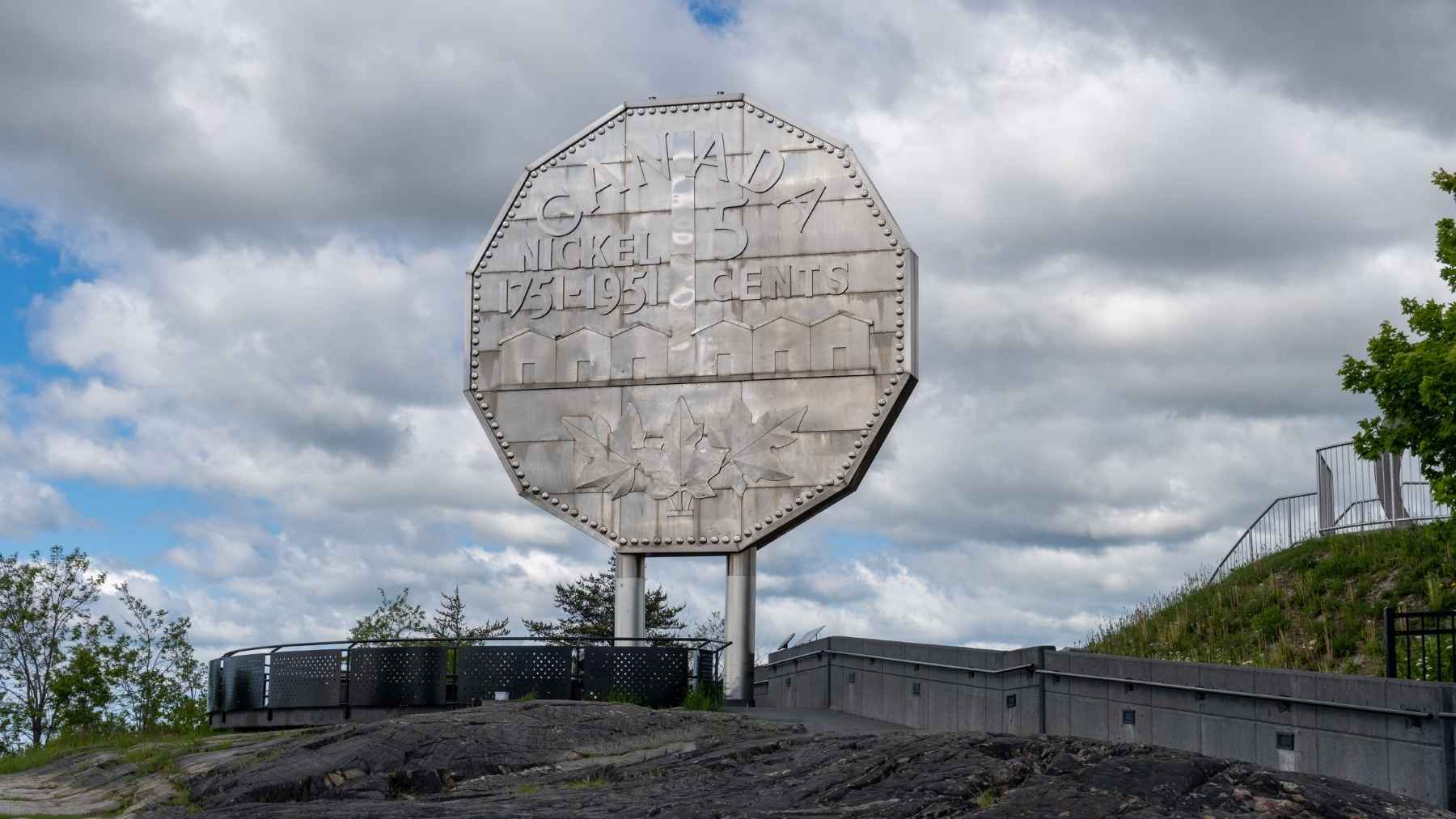
The reason anyone in Sudbury cares is sitting in plain sight. According to Nadia Mykytczuk, president and CEO of MIRARCO, the research arm of Laurentian University, the tailings around Sudbury still hold somewhere between $8 billion and $10 billion worth of nickel alone. That’s metal that already came out of the ground once, got most of its value stripped at the smelter, and was dumped as waste. The bacteria are the tool meant to go back and get the rest.
There’s $10 billion in nickel sitting in Sudbury’s old waste piles
Sudbury has been a mining town for roughly a century and a half, which means the region is ringed with tailings, the leftover rock and sediment left after ore gets its first pass through processing. Those piles aren’t empty. They’re just picked over, holding metal in concentrations too low for old-school methods to chase economically.
So why hasn’t anyone gone after $10 billion in nickel already? Because the math hasn’t worked. Companies have stayed away from reprocessing the tailings because sending that material back through a smelter costs more than the metal you’d recover, a point CBC found when it toured the pilot in April. The value is real; the recovery bill is the problem. Bioleaching is an attempt to flip that equation by skipping the smelter’s heat entirely and letting biology do the separating at close to room temperature.
There’s a second reason the piles matter beyond the metal. Tailings are an environmental liability that has to be monitored more or less forever, and the specific waste Sudbury is dealing with is reactive enough to make that a real cost. If the same process that recovers the nickel also makes the leftover waste safer to store, the economics start looking very different.
The bacteria do the job a smelter usually does, minus the heat
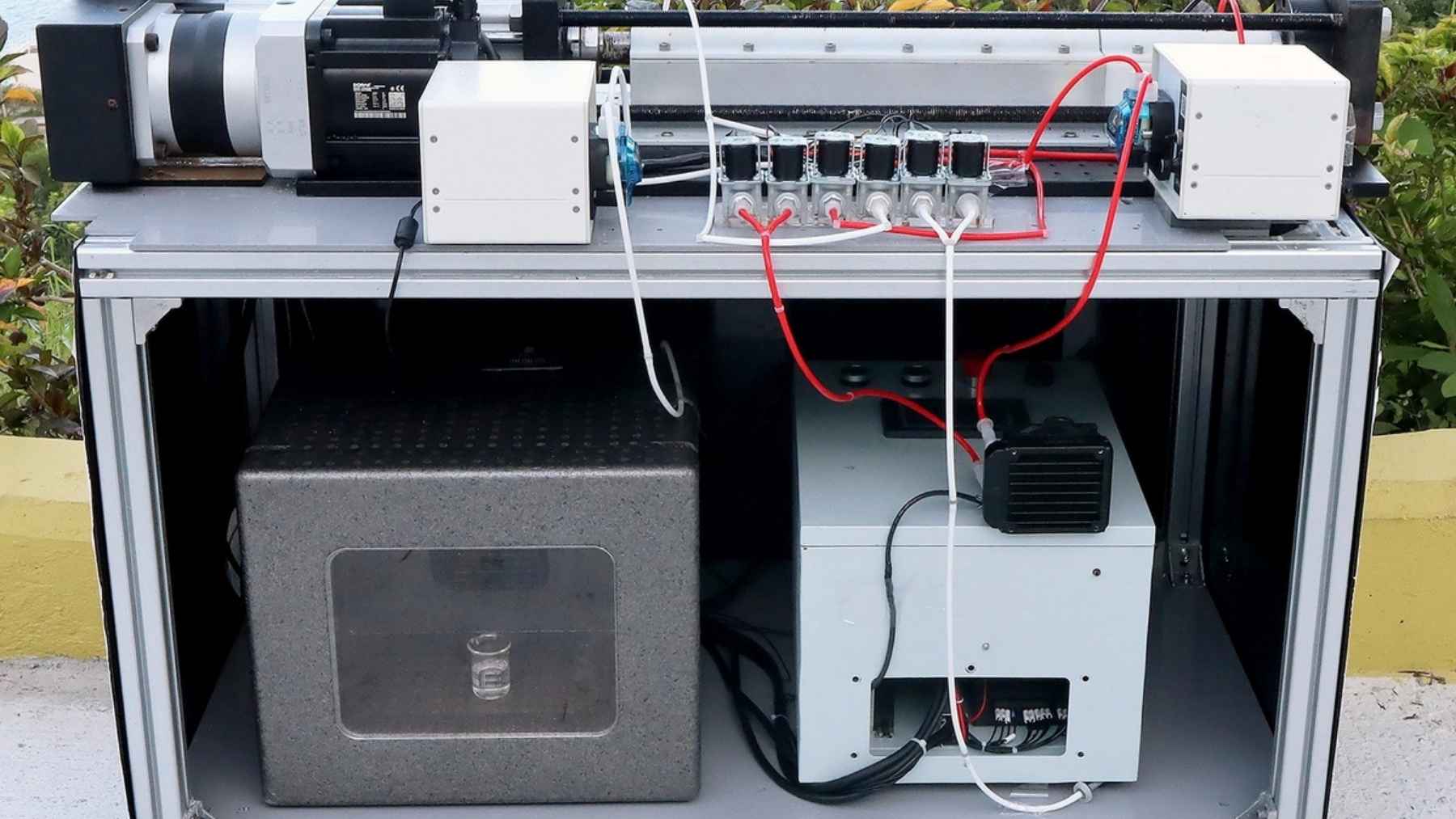
Here’s roughly how it runs. The tailings get ground up and mixed into a nutrient solution, then specialized bacteria are introduced to the slurry. The microbes go to work on the minerals, and the reactions they drive dissolve the target metals into the liquid. That metal-bearing solution moves through a series of reactors until the nickel, cobalt and copper can be pulled out the other end.
The appeal is that it sidesteps two of the most expensive, dirtiest parts of conventional extraction: the high heat of smelting and the harsh chemicals used in a lot of standard leaching. Bacteria don’t need a furnace. They work at moderate temperatures and, in the right conditions, basically run on the metal they’re digesting.
This isn’t experimental in the sense of nobody having tried it. Bioleaching is already a working process at roughly 30 mine sites around the world, mostly on copper and gold. What’s different in Sudbury is the target, pyrrhotite-rich nickel tailings, and the goal of getting Canada to a commercial-scale operation, which Mykytczuk says the country hasn’t reached yet.
Pyrrhotite is both the environmental headache and the feedstock
The waste Sudbury is sitting on is heavy in pyrrhotite, an iron sulfide mineral that’s a genuine problem to store. Left exposed to oxygen, pyrrhotite reacts fast and releases acidic, iron-laden runoff, which is exactly the kind of thing a mining region spends decades and a lot of money trying to contain.
That same reactivity is what makes it a good candidate for bacteria. The mineral that’s a liability in a containment pond turns into a feedstock in a bioreactor. The project running at the pilot, a collaboration with nickel miner Vale, environmental tech company BacTech Environmental and other partners, is built specifically around comparing several bioleaching methods on pyrrhotite tailings to find which one recovers nickel, cobalt and copper most efficiently.
The end goal isn’t a science paper. It’s a process Vale or another major could actually run at scale to turn its own pyrrhotite piles into the nickel and cobalt that go into EV batteries. It’s the same instinct behind Alberta’s oil crews pulling lithium out of oilfield brine and American companies chasing lithium in Texas: go after battery metal in the places the industry used to write off. If it lands, the same approach that cleans up a waste problem also feeds the battery supply chain.
Vale and Ottawa are both putting money behind it
This isn’t a lab running on hope. One of the first projects at the pilot is backed by a $5 million grant from Natural Resources Canada through its Critical Minerals Research, Development and Demonstration program. On the industry side, Vale has been a long-running collaborator. Its Sudbury operation has been in production for more than a century and runs five mines plus a mill, a smelter and a refinery, putting out nickel, copper, cobalt and platinum-group metals.
Gord Gilpin, Director of Ontario Operations at Vale Base Metals, framed the facility’s opening around “transforming mine waste into opportunity,” which is corporate-speak but also a fair description of the whole bet: the value is already dug up, and the open question is whether you can recover it without the cost and footprint that’s kept it in the pile so far.
Government interest tracks a bigger push. Nickel, cobalt and copper are exactly the metals Western supply chains are trying to lock down for batteries, and a process that pulls them out of existing waste, instead of opening a brand-new mine, is an easy thing for a critical-minerals strategy to like.
This is still a pilot, and the timeline is honest about it
The honest part is that none of this is a commercial operation yet. The 10,000-square-foot plant is a pilot meant to prove the process works continuously and at a scale that means something, not a facility cranking out battery-grade metal today. Mykytczuk has been straight about the gap, telling Sudbury.com the project doesn’t “have shovels in the ground yet on the full scope of that centre.”
The larger plan is a full Centre for Mine Waste Biotechnology, a roughly 45,000-square-foot facility MIRARCO hopes to break ground on in 2026 or 2027, pending capital funding. The stated timeline to move from pilot testing toward full-scale operations runs about two to three years. Every one of those numbers is a target, not a delivery date, and the usual things that derail this kind of scale-up still apply: funding, permitting, and the stubborn gap between a bioreactor that works in a pilot and one that has to handle industrial volumes of waste.
The interesting part of the Sudbury project isn’t that someone found metal in mine waste. Everyone’s known the metal was there for years. It’s that the recovery tool is a tank of living organisms instead of a furnace, and that the people running it have a federal check, a century-old nickel miner at the table, and a fairly clear-eyed read on how far they still have to go. If the bacteria can do at scale what they’re doing in the pilot, the cheapest new source of battery nickel in North America might turn out to be the waste that was already lying around. If they can’t, Sudbury’s tailings will keep doing what they’ve done for a century, which is sit there holding $10 billion no one can afford to touch.