
Most people only think about glue when it lets go. A sneaker sole starts flapping halfway down the block, or a cheap kitchen chair picks up a wobble it never loses, and you suddenly remember that something you never looked at was holding the whole thing together.
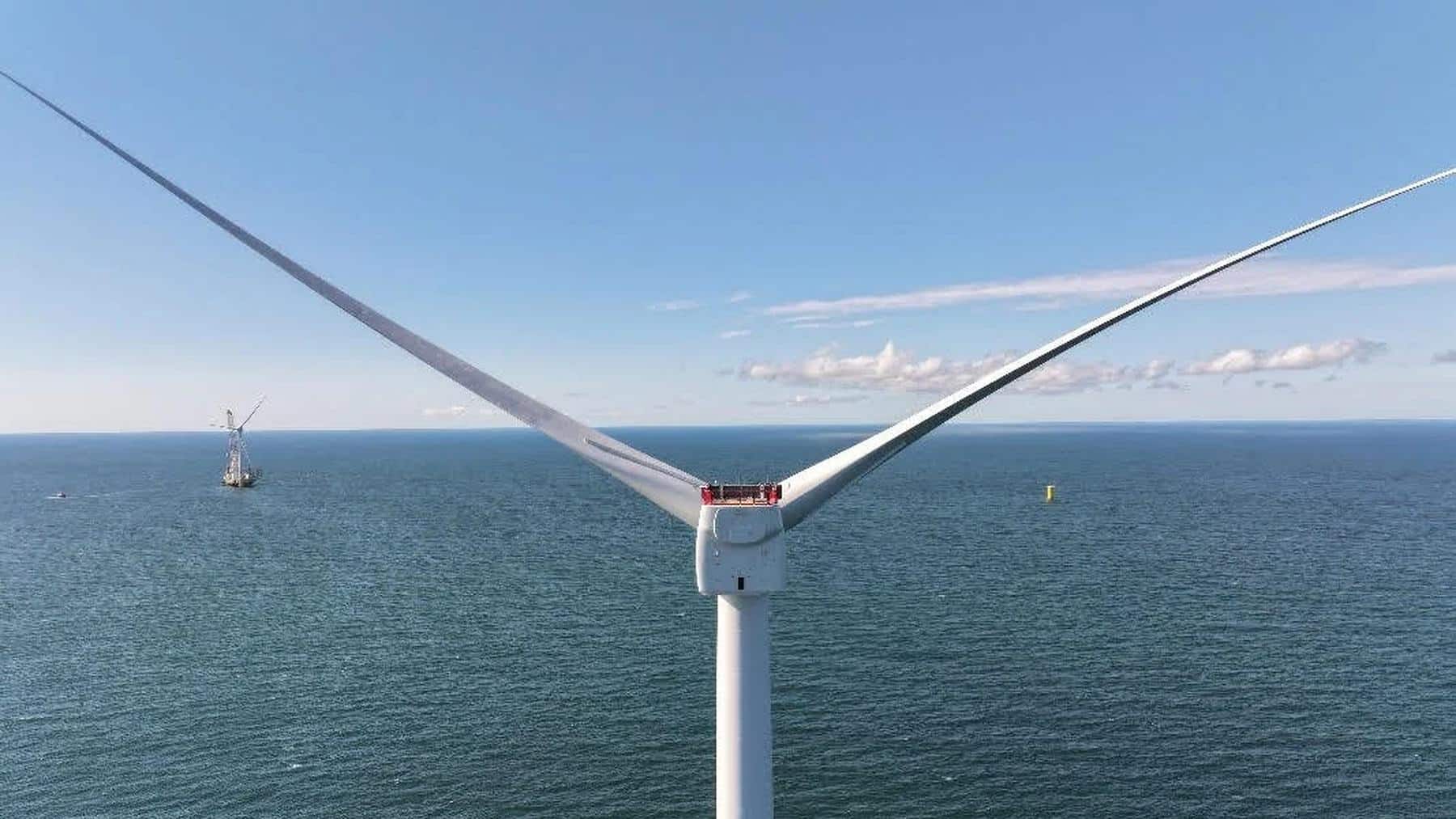
Now scale that up to a wind turbine blade longer than a football field that weighs about 57 tons. That’s more or less the story of Vineyard Wind, the first big offshore wind farm in the United States, and it’s finally winding down. GE Vernova, the company that built the farm’s turbines, listed the end of its legal fight with the wind farm’s owners among the highlights of the third-quarter results it published on October 28. The two sides had settled on September 16, and the terms are confidential.
So how does a glue job end up in a Boston courtroom?
One blade broke, and then the inspections started
Two summers ago, on July 13, a blade on one of the farm’s turbines broke about 66 feet from its root. The farm sits roughly 15 miles south of Martha’s Vineyard and Nantucket, and over the next few days chunks of fiberglass and foam washed up along Nantucket’s south shore. The town closed those beaches to swimming in the middle of tourist season. A large section of the blade sank to the seabed, and the rest of it dropped into the Atlantic a few days later.
Federal regulators at the Bureau of Safety and Environmental Enforcement, better known as BSEE, shut the whole farm down within days. GE Vernova blamed a manufacturing defect at the blade plant in Gaspé, Quebec, and said the design itself wasn’t the problem. According to Vineyard Wind’s lawsuit, GE’s own reviews concluded the glue joint on a key load-bearing part of the blade was too weak.
If you’re wondering why the glue matters so much, here’s the short version. A blade like this isn’t carved from a single piece. It’s two long fiberglass shells molded separately and then bonded together along their edges, a bit like the two halves of a clamshell. When that bond is weak in the wrong spot, the blade can start to split open as it flexes in the wind.
That’s basically what Vineyard Wind’s lawyers described in court in April. They said GE’s own root cause analysis found gaps several feet long in the adhesive that holds the two halves together.
Vineyard Wind had to swap out 72 blades at sea
GE Vernova then went back over every blade already bolted to the farm, using thousands of ultrasound images and crawler drones that climb along the blade surface. The answer wasn’t great. According to Vineyard Wind’s complaint, 68 of the 72 GE blades already on the turbines were unusable, and at least 66 shared the weak glue joint of the one that broke. GE ended up replacing all 72.
A few of them apparently couldn’t even be lowered as they were. Vineyard Wind wrote in its lawsuit that some of the original blades were glued so poorly they had to be patched up on the turbine first, or they’d have come apart on the way down. That’s frankly a sentence I’d rather not read about anything hanging over the ocean.
And you can’t just pull up a boat with a crane on it. Offshore crews use a jack-up vessel, which is basically a ship that drops steel legs to the seabed and lifts its own hull out of the water, so the crane has something steady to work from. Each of these blades is 351 feet long, according to GE’s specs, and weighs about 114,000 pounds, according to Vineyard Wind’s filing. You don’t want that swinging around on a hook.
Vineyard Wind also said in its complaint that GE fired more than 40 employees at the Gaspé plant and moved blade production to its factory in Cherbourg, France. The project says the whole mess set it back nearly two years.
Then Washington piled on. Last December, the federal government ordered construction stopped at Vineyard Wind and four other offshore projects, leaving ten towers at this farm standing with no blades on them. A federal judge let work resume in January, and the final blades went onto the 62nd turbine on March 13, installed from DEME’s jack-up vessel Sea Installer. Vineyard Wind reached commercial operation on April 24, though not yet at full capacity, according to a filing by Unitil, one of the Massachusetts utilities buying its power.
Then the lawyers got involved
Vineyard Wind had been holding back $308 million in payments, arguing that GE owed it far more for the defective blades and the delays. GE Vernova said it was owed more than $300 million for work it had already done, and on February 27 it sent a notice threatening to terminate its contracts and walk away.
So why didn’t Vineyard Wind just let GE go and hire someone else?
Because nobody else really knows how these turbines work. The Haliade-X is GE’s own design, and Vineyard Wind’s lawyers argued that only GE could finish commissioning the last turbines and keep the rest of them running. “Vineyard Wind is the beta test for these blades,” attorney Frances Bivens told the court, according to The Martha’s Vineyard Times. Judge Peter Krupp of Suffolk County Superior Court agreed that swapping in another contractor wasn’t realistic, and on April 17 he barred GE from leaving.
Being the test bed for a brand-new blade on the country’s first big offshore wind farm is, frankly, not a spot I’d want to be in. But that dependence is exactly what won Vineyard Wind its injunction. According to Bivens, GE’s contract has it servicing the turbines for their first five years, with a guarantee that they’ll be available 97 percent of the time.
The settlement came five months later. GE Vernova pulled its termination notice and abandoned its appeal, and both companies agreed to dismiss all their claims. In their joint statement, they said every turbine at the farm can now produce power, enough for more than 400,000 homes and businesses. What neither side has said is who ended up paying whom. I’d love to tell you how the money shook out, but the terms are confidential, and as far as I can tell nobody outside the two companies knows.
My guess is that both sides got the least bad version of what they wanted. Vineyard Wind keeps the only company that can maintain its turbines, and GE gets to stop arguing about blades in public. That’s speculation on my part, though, not something either company has said.
The federal investigation still isn’t done
The one thing that hasn’t wrapped up is the government’s own look at what went wrong. BSEE had never investigated an offshore wind blade failure before this one. When the Vineyard Gazette asked about it in the spring, a spokesperson said the probe was still ongoing and had no completion date, and the paper pointed out it had already run longer than the investigation into the Deepwater Horizon oil spill. I couldn’t find any newer update from the agency, and the results of the environmental studies BSEE required after the break haven’t been released either.
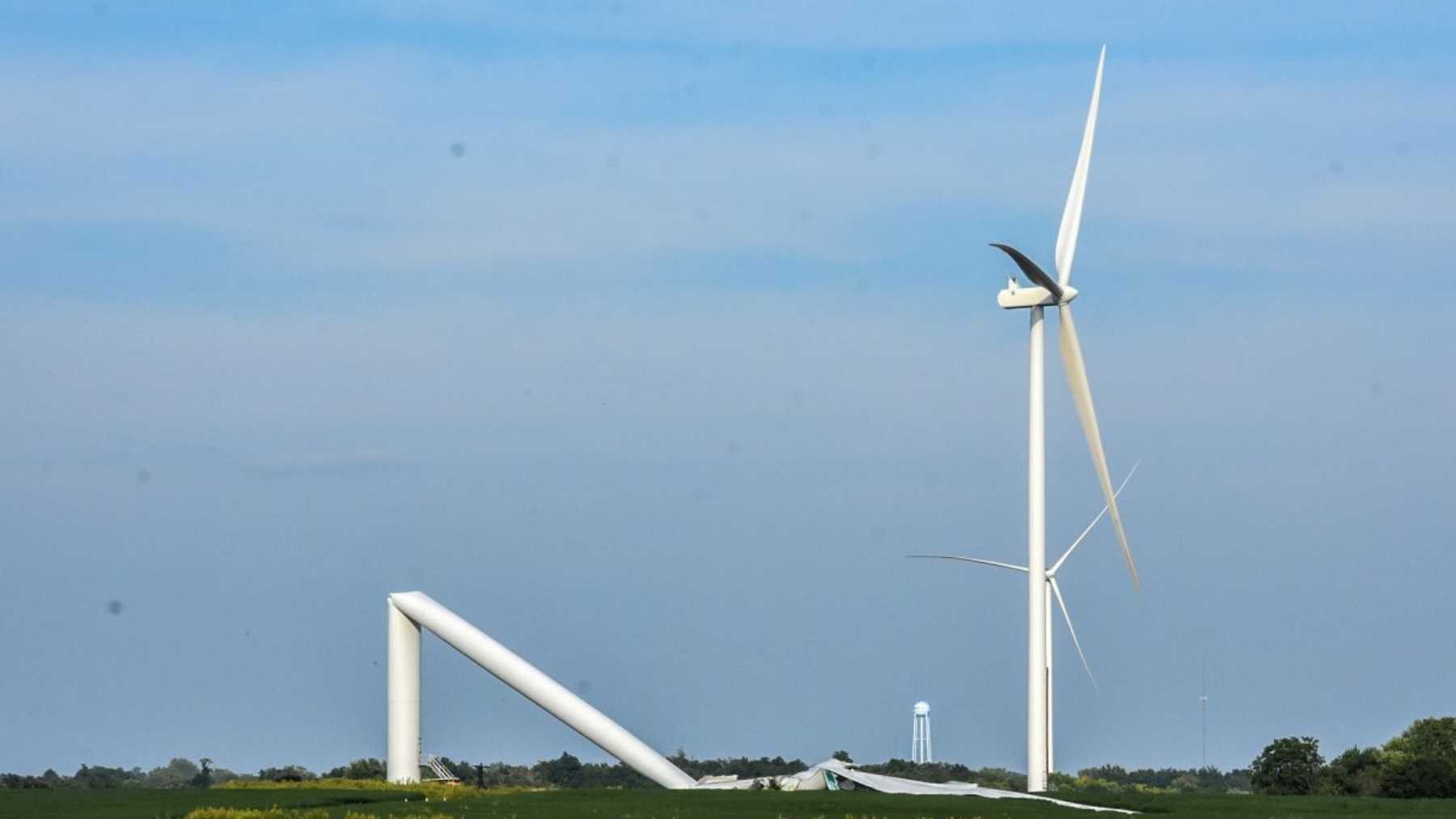
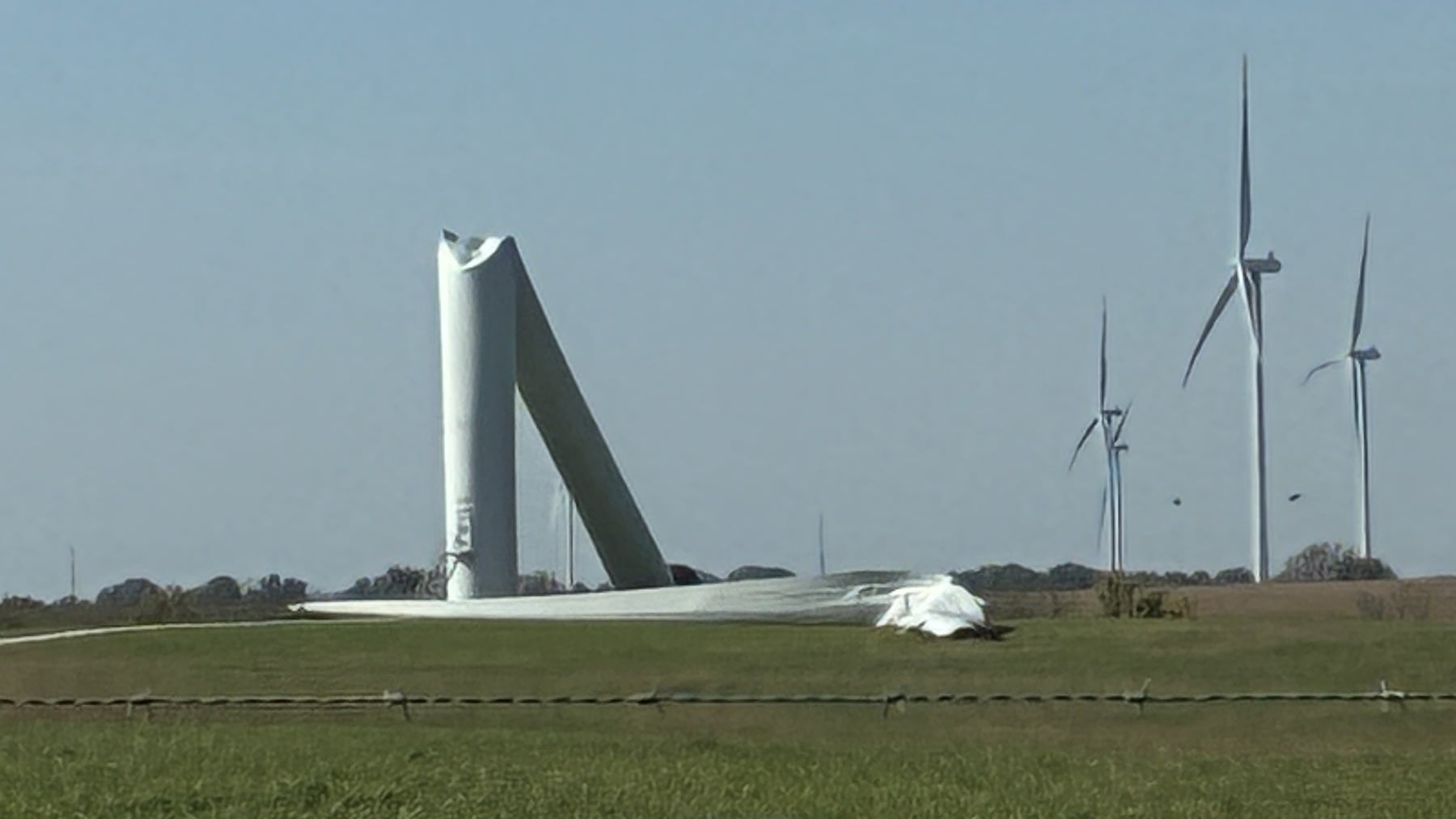
Blade trouble isn’t unique to this farm, for what it’s worth. GE’s older offshore machines have had a rough time too, and seven of them are standing bladeless off the Irish coast right now. On land, Missouri’s biggest wind farm lost a fourth turbine this summer, with a different manufacturer’s machines and blade failures blamed for two of the earlier collapses.
For Vineyard Wind, the paperwork side of this is pretty much over. GE Vernova’s October 28 quarterly report lists the resolved litigation under its wind business, and under the service contract Bivens described, it’s GE that has to keep all 62 turbines available 97 percent of the time for their first five years.