
Tesla’s robotaxi service has been a disaster since that whole “We, Robot” showcase. And we all knew it when he didn’t even show the Cybercab driving at that point.
After that showcase, however, it became clear why: the Cybercab didn’t exist, and Tesla’s small fleet of Model Y robotaxis was not working as intended. Due to Full Self-Driving mode not working anywhere close to what Elon Musk promised. For over a decade. But with FSD being nowhere near autonomous, the robotaxis required human supervisors in the car, defeating the purpose. Well, if you could even manage to get a ride anyway.
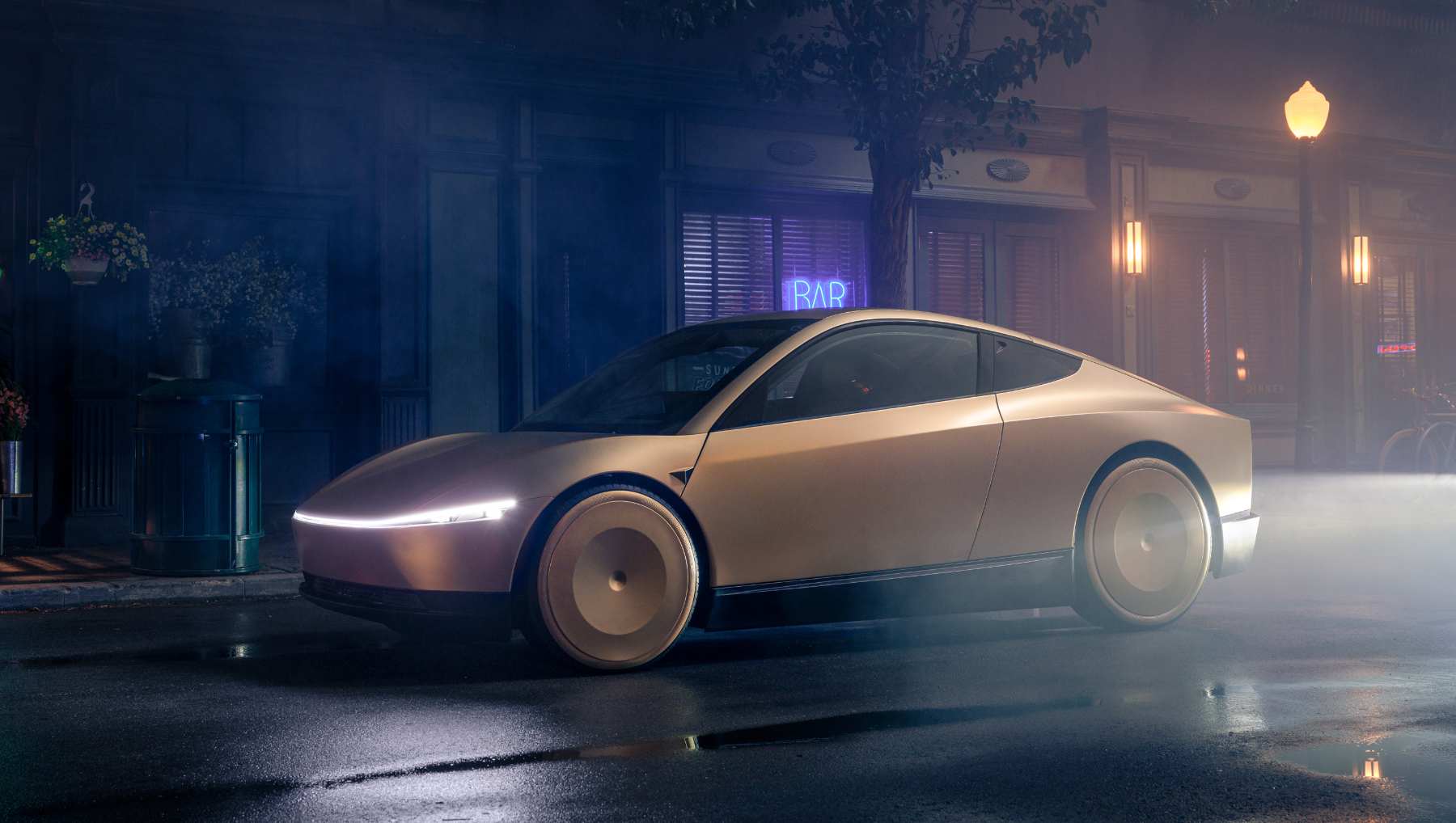
Finally, a few years later, the Cybercab emerged. It was hideous and missing a steering wheel and pedals. Meant to be fully autonomous, it’s basically a death trap given where Musk’s technology is. Likely afraid of being associated with the inevitable accidents to come, many leaders left the Cybercab project. The Cybercab has started rolling out anyway, and Tesla is finally in two more cities (it said it would be in 16 by now, I believe). But a report has found that (SHOCKER) Tesla’s robotaxi service is still terrible.
Don’t bother waiting
Reuters has wasted its time investigating Tesla’s expansion to Houston and Dallas. I say “wasted time” because we didn’t learn anything. The service is apparently still in “beta-testing phase.”
The biggest issue? Long wait times. If the service was even available (sounds familiar), the wait times were up to a few hours despite the trip being just 20 minutes long, and the cab would drop you off 15 minutes from the destination. One reporter attemptd a 20-minute drive on a five mile stretch. However, they kept getting messages that said “high service demand” and “no rides available nearby” for over 30 minutes. Once they finally found a robotaxi, it said it would be there in another 20 minutes. Then, the Tesla vehicle took random back roads instead of the five-mile stretch, making the trip take 35 minutes. He was then dropped off in a garage, nowhere near the destination.
Another reporter was dropped off at the other side of the freeway, which would mean they’d need to pull a Frogger to get to their destination. Over in Houston, another reporter attempted to get a Cybercab in a suburb. The car was going to show up in 13 minutes, but canceled, leaving her stranded for another 30 minutes. She ordered an Uber.
One thing I’ll commend Tesla for? There’s only one driverless vehicle in Dallas and three in Houston. I commend this because Cybercabs shouldn’t be on the road, especially without a person inside. That’s because the massive fleet across the country that Musk promised for the first half of 2026 has become another promise: “Preparations are underway.”
Tesla has claimed that its robotaxi service will change the automotive industry. I guess I can agree if they mean that it’s inspired other automakers to do the same thing, beating them to the punch. Waymo and other brands are already far beyond Tesla’s fleet size and technology. This hasn’t stopped Musk from criticizing Waymo’s fleet size and performance, but nobody with sense is listening anymore.