
- 9 MONTHS AGO · NEWSTesla faces a US deadline to hand over FSD traffic-violation data as NHTSA deepens its self-driving probe
- 5 MONTHS AGO · ELECTRIC VEHICLES (EVS)Drivers in China are using plastic doll heads to trick Tesla’s cabin camera into thinking someone’s watching the road, one of them a tiny Dwayne Johnson, so Full Self-Driving runs while nobody pays attention
- 2 MONTHS AGO · ELECTRIC VEHICLES (EVS)“There’s a Lot of Poop”: An Anonymous Waymo Handler Claims Humans are Pooping In Autonomous Taxis all the Time, But My Shoddy Investigation Says Otherwise
- 1 MONTH AGO · ELECTRIC VEHICLES (EVS)Tesla Full Self-Driving Mode Is Still Concerning as Elon Musk Admits Robotaxis are Dangerous at Night, at Least to Pets
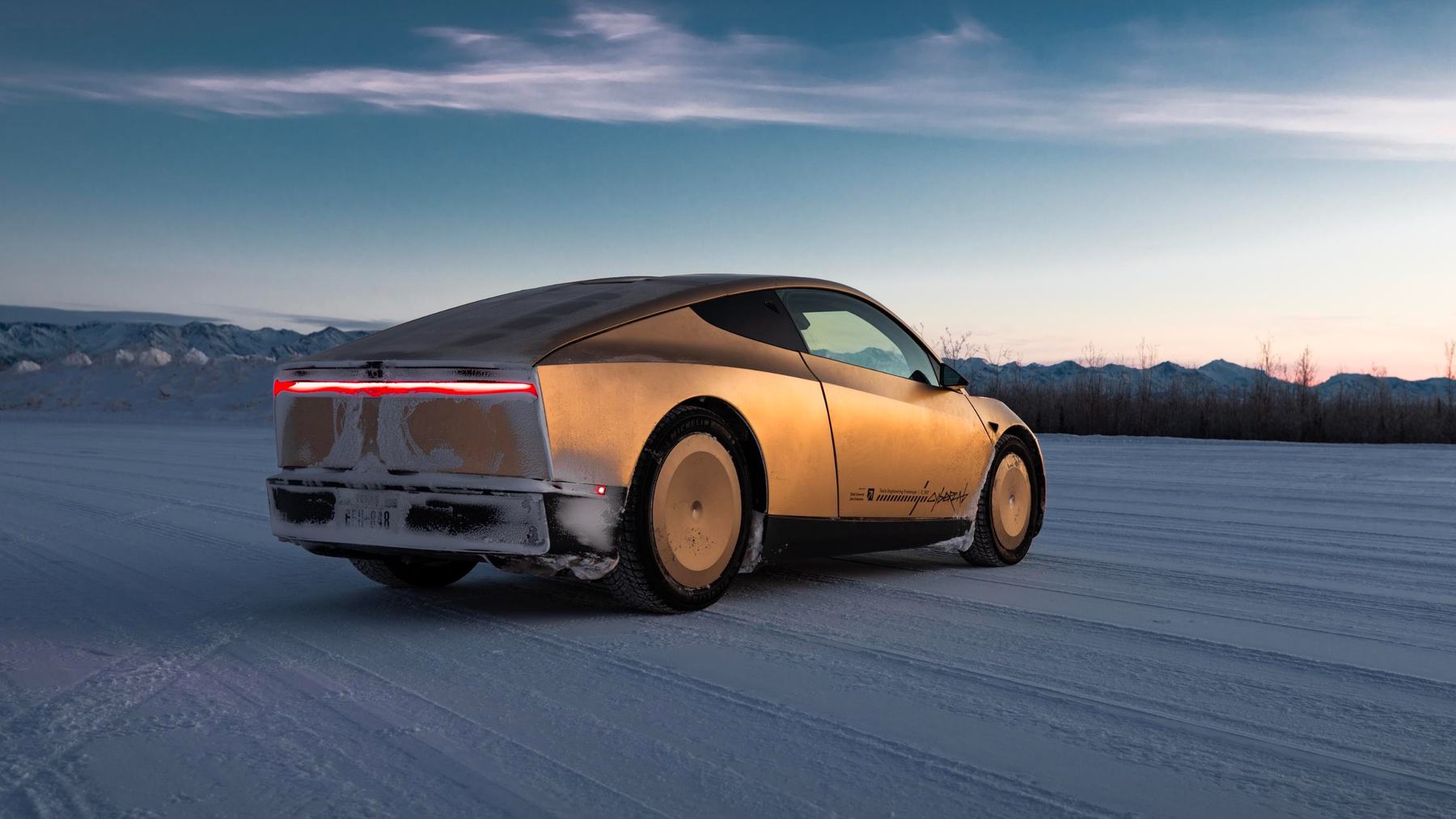
- TODAY · THIS ARTICLEThe Tesla Cybercab Has Already Crashed 8 Times, And That’s With Them Driving Slow AF. Now, Tesla Is Selling Them To The Public
Tesla has focused largely on its Cybercab, making it all the more concerning that eight crashes have already been reported to the National Highway Traffic Safety Administration (NHTSA).
Even the biggest Tesla fans have been a bit bummed by recent fleet updates, including removing the cheapest Model Y option and offering the Cybercab to “select” customers. It’s been seen as a possible rushed loophole for CEO Elon Musk to claim he won a bet against YouTuber Marques Brownlee, who said he’d shave his head on camera if Tesla actually delivered the $30,000 Cybercab to regular customers before 2027.
While the biggest Tesla fanatics were initially excited about the concept of owning an autonomous vehicle, Brownlee pointed out that the vehicle was “invite-only” and wasn’t really functioning as Tesla promised. The Cybercab would have a $200 a month subscription to even move. And if it moved, it would only work in Austin, Texas. On top of that, it would be restricted to private use, not allowing people to “make money as they sleep,” as Tesla previously promised. And this doesn’t even mention the high cost of insurance for a vehicle that doesn’t even have a steering wheel.
Beyond the Brownlee drama, the Cybercab is just nowhere near ready for private ownership. It’s not even ready for the road. Tesla has continuously refused to use sensors and rely solely on cameras, which has proven quite concerning for its Full Self-Driving mode vehicles. You all know I love to bring up how it’s a Level 2 system, not autonomous, yet Tesla keeps telling elderly blind people to get behind the wheel. It’s hard to take the data from such a shady company seriously.
Speaking of, Tesla has been accused of faking its safety data plenty of times, even going as far as to claim crash footage is not available after someone gets in an accident with FSD activated. We can’t really rely on Tesla’s safety data, especially when it contradicts ongoing lawsuits, investigations, and reported accidents. All I can tell you is that the Cybercab has already crashed eight times after being on the road for two months.
Cybercab accidents by the numbers (that we know of)
I recently discussed Austin’s research into autonomous vehicle accidents, including not just Cybercab but Waymo. The NHTSA now has a broader overview of Tesla’s accidents and incidents. In July, 22 accidents were reported involving Tesla robotaxis. This month, there are 43.
Four of those include Cybercabs in Austin:
- One drove into a water-filled pothole in a parking lot with a safety monitor on board
- One stopped at a parking lot exit while a car was backing out of a spot, getting hit on its side
- One stopped in traffic and got rear-ended by a pickup truck
- One drove over a raised concrete edge in a parking lot, crossing a sidewalk, and then went down a curb with a customer inside
Luckily, all four accidents were minor. They were related to Tesla’s Robotaxi service with nobody in the front seat, using an Automated Driving System, which is Level 4 driverless operation. All were going under 5 miles per hour when this happened.
However, four additional accidents happened while Tesla was testing Cybercab vehicles with steering wheels and humans. Tesla has been doing this without a Robotaxi permit. These occurred while the vehicle was using Level 2 ADAS, including Autopilot and Full Self-Driving mode. These were filed under “In-Vehicle (Commercial/Test” and “Verified Engaged.”
- Philadelphia: Cybercab hits a passenger car while going 53 miles per hour on the highway
- Austin: Cybercab hits an SUV on the highway at 5 mph, leading to minor injuries
- Lehi, Utah: Cybercab hits SUV at an intersection while going 11 mph, leading to minor injuries
- Tampa: Cybercab stops on the highway, causing damage to a passenger car
Tesla, of course, redacted a lot of information from these four incidents. The public data doesn’t say who was at fault or what the system was trying to do. Based on the current information, I could see Tesla fans saying it’s not all that bad. Eight incidents? Some aren’t Tesla’s fault? Who cares, really!?
But you have to keep in mind that Tesla’s Robotaxi service is limited to a lower speed and can’t go on highways. Right now, the service can run in only a few zones. And, frankly, that’s a good thing. Based on the crash data and ongoing issues with Tesla’s driving assistance, I think that Cybercabs speeding down the highway would be extremely, extremely dangerous.
So yes, I’m agreeing with Tesla on something. Go me! However, I assume Tesla will push to expand its Robotaxi service even though it’s nowhere near ready. Elon’s pride is on the line and he’s promised things that are nowhere near happening yet. The Robotaxi service is just not going to compete if it can’t even go above a certain speed.
Once Tesla pushes forward, that’s when I think we will start seeing the terrors of letting a fleet of Cybercabs loose.
As one Redditor commented: “It’s an interesting concept to make a car without a steering wheel that uses an L2 ADAS.”
This brought up a good question: How is this even legal?
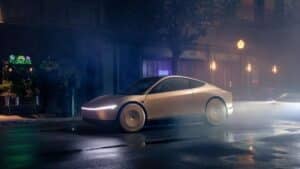 The Tesla Cybercab Had An Accident in Austin, Likely Because It Has No Lidar SensorsElectric Vehicles (EVs) · 4 weeks ago
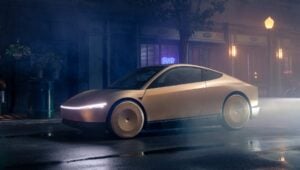 We got some early looks at the $30,000 Tesla Cybercab ahead of its alleged April production – and it definitely looks like it costs $30,000News · 8 months ago
 As EVs Obsess Over Screens, Slate Decided to Sell a “Screenless GPS.” It Has Already Sold OutElectric Vehicles (EVs) · 2 days ago