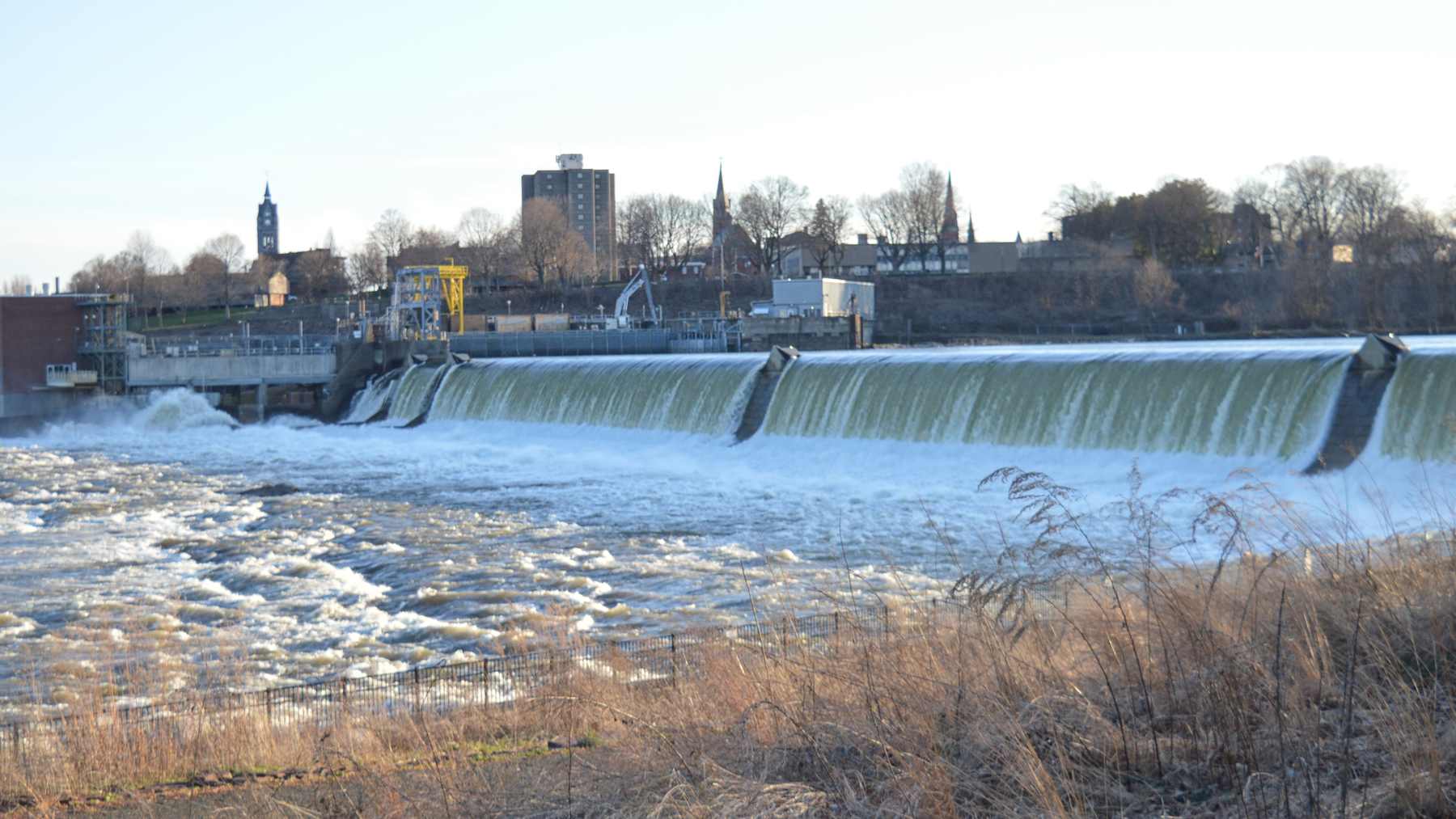

- 2 MONTHS AGO · ENERGYA 710-foot concrete wall on the Colorado River has 27.85 feet of water left above the line where its eight turbines shut down before vapor bubbles pit the steel. The lake behind it sits 40 feet from the bottom of a gauge never built to read water that low
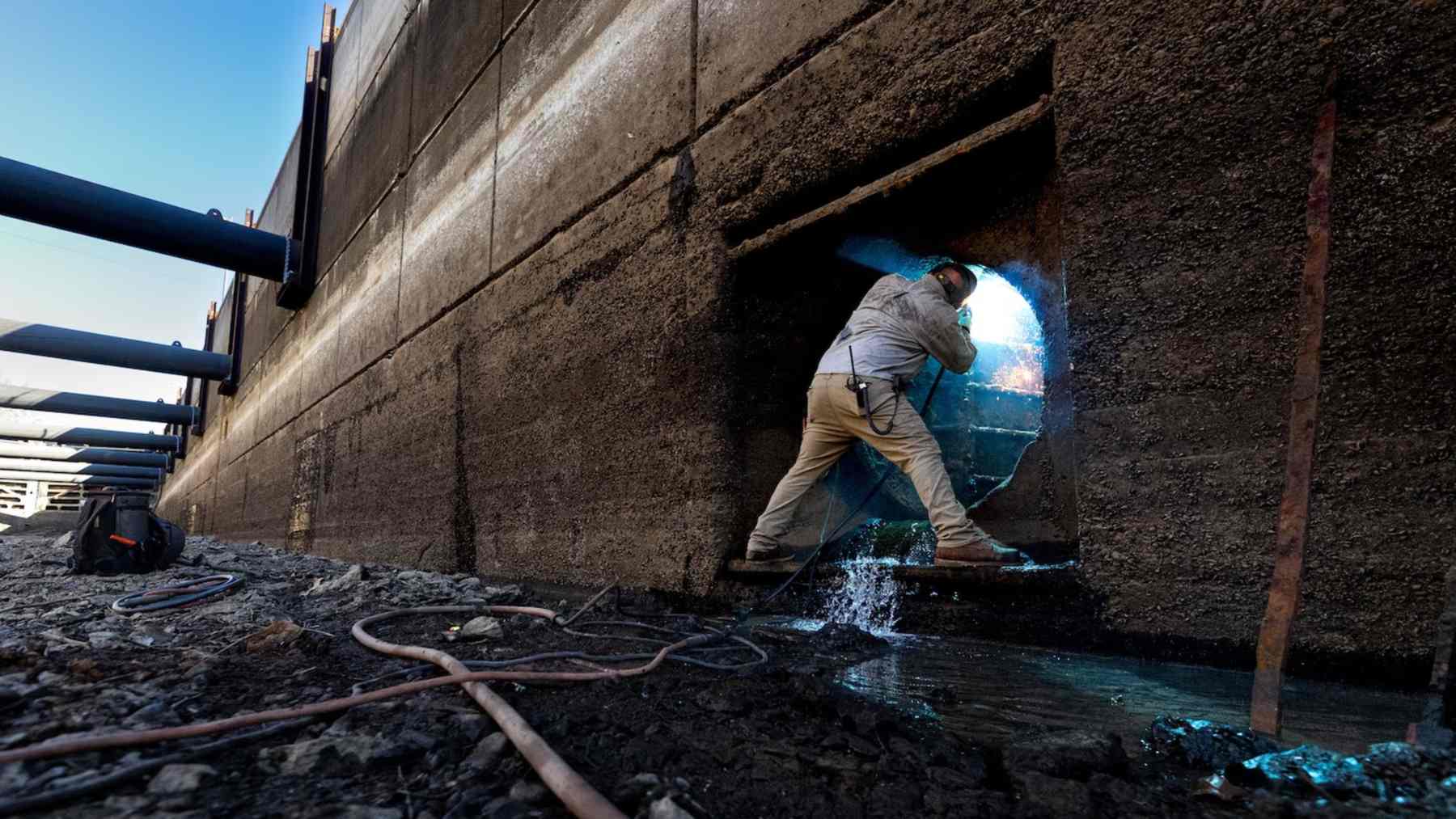
- 2 MONTHS AGO · ENERGYA Connecticut city stood 1,920 solar panels on a sealed garbage hill where no steel post can go in, because a driven pile would punch through the lid keeping decades of trash away from the water, so concrete blocks hold every rack down, and the dump now pays city hall $6,000 a month
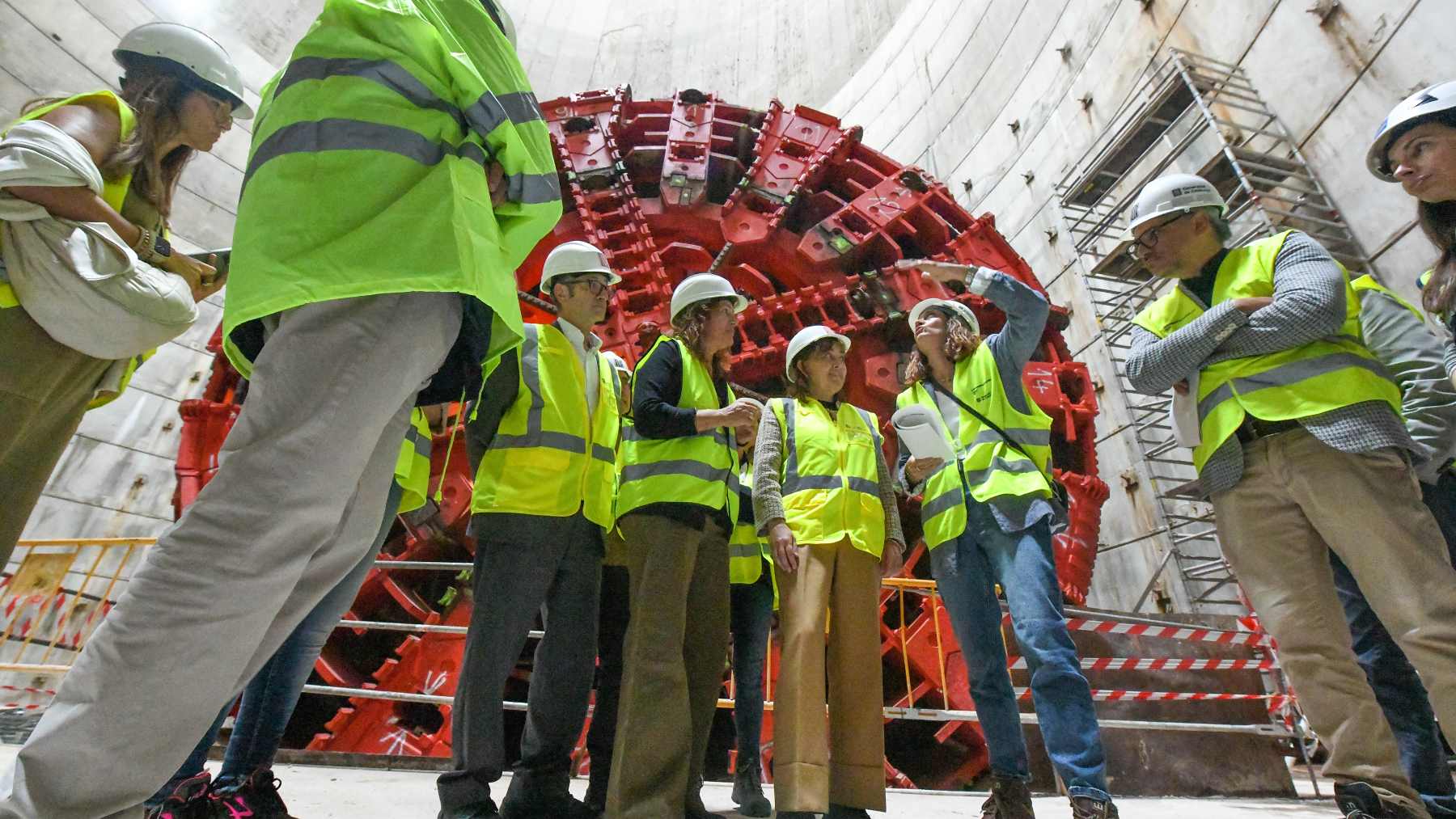
- 2 MONTHS AGO · ENERGYTwo 262-foot barges were flooded and sunk to the bottom of the Danube, helicopters dropped 4,400-pound concrete blocks into the river, and the rock wall that followed now holds the water 20 inches higher so Hungary’s only nuclear plant can keep all four reactors running
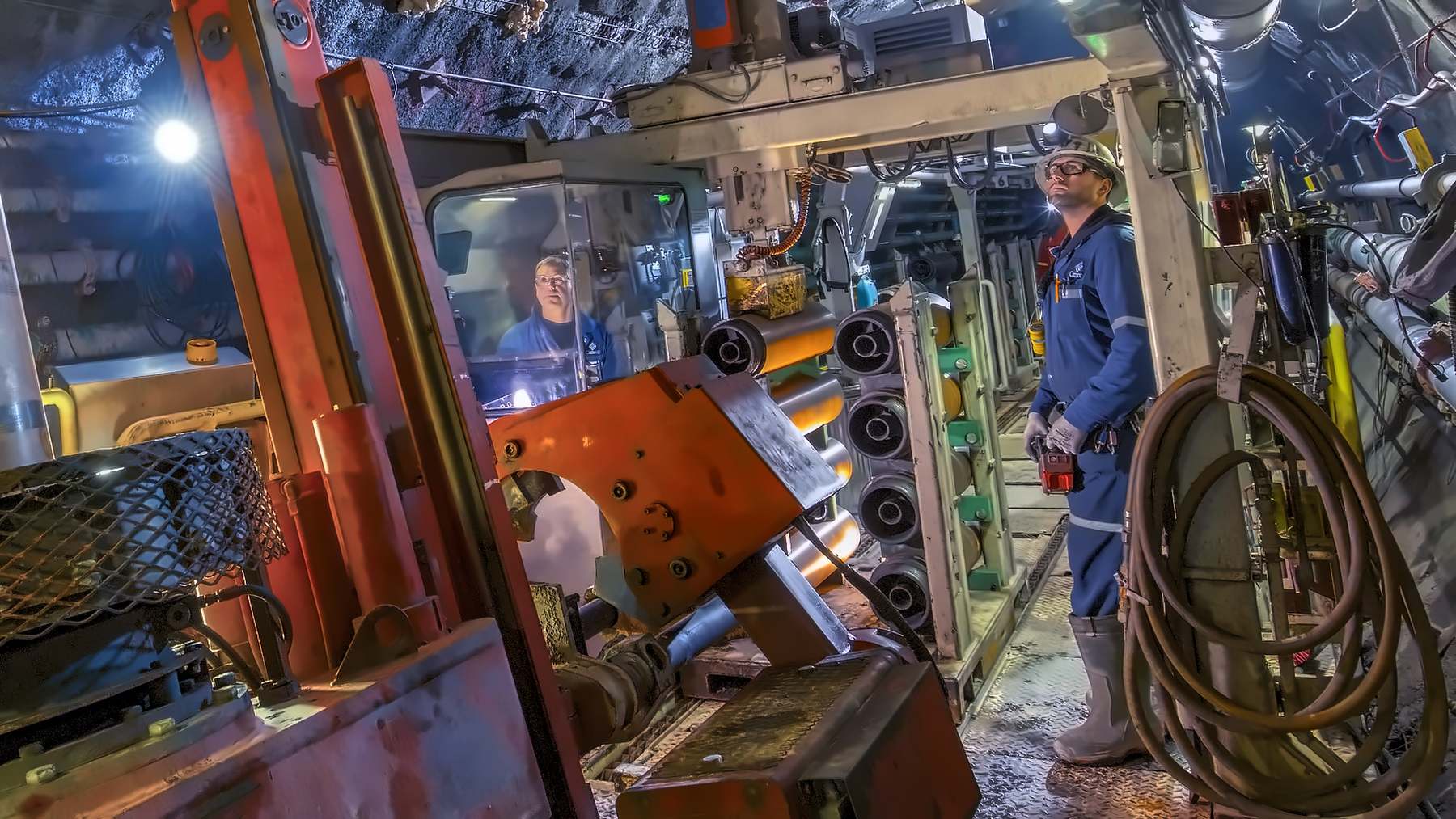
- 2 MONTHS AGO · ENERGYA dike of packed soil that keeps a 56,000-acre lake out of Clemson’s football stadium is seeping, the water is carrying the wall’s own grains out with it, and the whole lake will now be held 4 feet lower, possibly for a decade, because a shallower lake pushes with less force
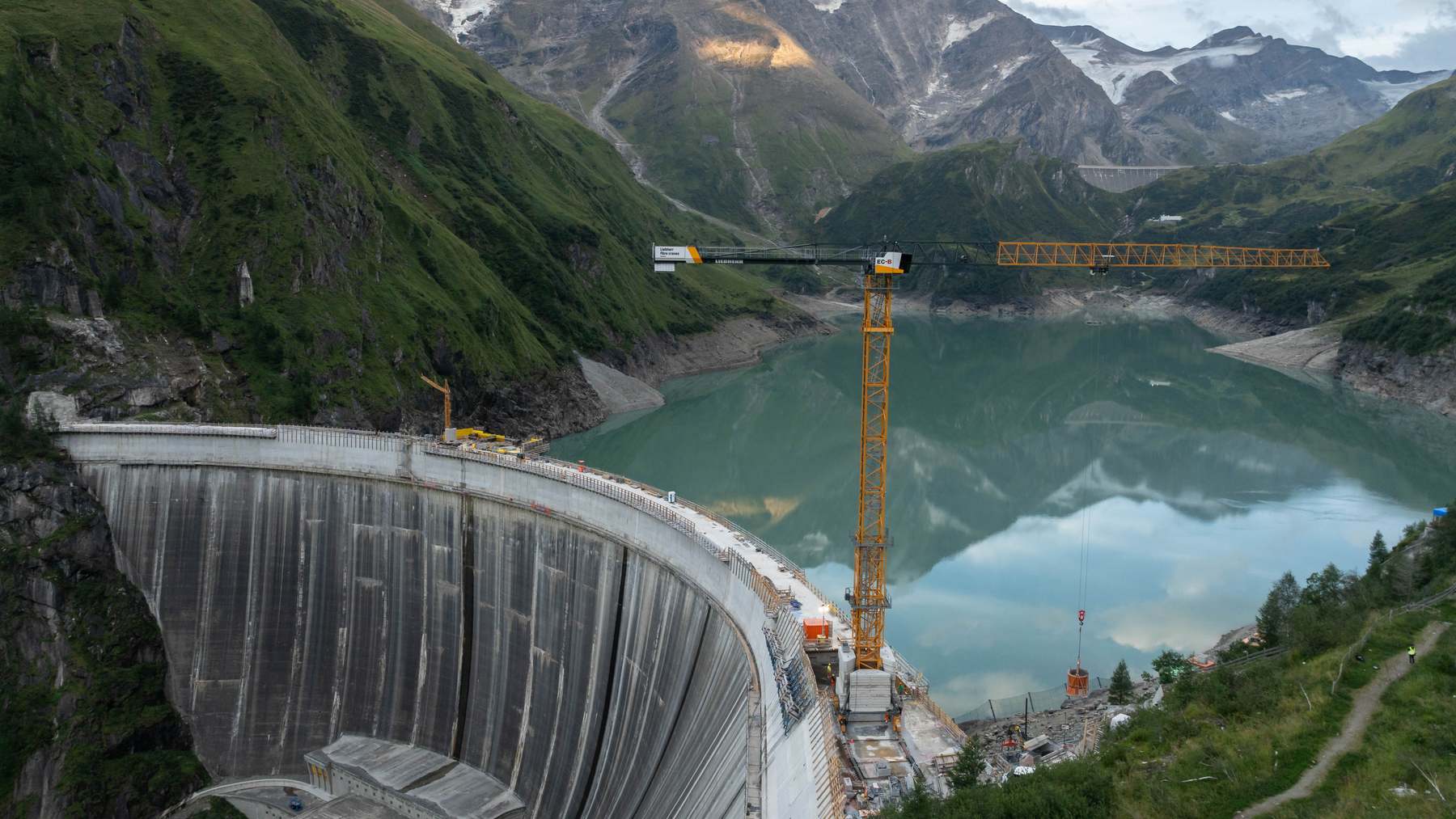
- TODAY · THIS ARTICLEA 394-foot concrete dam in the Austrian Alps has 25 new blocks on its crest, poured mostly at night with 1,300 tons of crushed ice mixed in to keep them from cracking, and the wall will stand 28 feet taller so its lake holds 16 percent more water
If you’ve ever hired a crew for landscaping work, they’ll tell you to do anything with concrete early in the morning. And keep the hose close.
Concrete doesn’t like heat. Now scale that problem up to a dam wall in the Austrian Alps, and a garden hose won’t cut it.
You need ice. About 1,300 tons of it, if you’re Verbund.
The Austrian utility finished pouring the last of 25 new concrete blocks on top of the Limberg dam in Kaprun on August 30. The dam already stands 394 feet tall, and the new blocks make up most of a 28.5-foot raise, bringing it to 422 feet. Verbund announced the milestone on September 2, and according to Swietelsky, one of the builders on the job, it’s the first time a dam in Austria has ever been made taller.
So why would anyone put ice in concrete?
When cement mixes with water, the chemical reaction that hardens it gives off heat. In a thin slab, that heat escapes, but in a block the size of a house, the middle stays hot while the outside cools, and that difference is what cracks it.
So Verbund set a pretty tight window for the fresh concrete going into the new blocks: between 45 and 54°F. During the warmer months, it mixed roughly 1,300 tons of crushed ice into the batches to stay inside that range. The concrete and the ice were both made on site, below the Mooser dam farther up the valley, and ORF, Austria’s public broadcaster, reports the plant there was turning out about 16 tons of ice a day.
Most of the pouring happened at night, too. That makes sense when you’re trying to keep a warm mix cool, and I’d guess the people driving up the access roads during tourist season didn’t mind having the trucks out of the way either.
The 25 blocks hold about 32,000 cubic yards of concrete. Verbund’s own estimate for the whole raise, back when it started, was closer to 42,000 cubic yards, which includes the work that still has to go on top.
Then there’s the prep work. Before any new concrete went down, the old crest had to be roughed up so the fresh stuff had something to grab onto. Verbund did that with water jets running at up to 43,500 psi, which is far beyond anything you’d point at your driveway. Steel bars reaching up to 9.3 feet deep were also set into the old wall to pin the two together.
The dam isn’t quite finished yet
So is it done? Not quite. The blocks are poured, but nobody can fill the lake any higher just yet.
Dams like this one are built in separate blocks so each piece can shrink a little as it cools without cracking. Once they’ve cooled all the way down, they pump grout into the gaps so the wall behaves like one solid piece again. ORF reports the new blocks will sit and cool through the winter, with that joint grouting scheduled for next year.
Verbund also still has to pour a 3.6-foot-thick slab across the top, build a 4.4-foot parapet wall and finish work on the spillway. Roman Kohler, who runs Verbund’s dams department, told ORF the raised wall will be “even safer than before” (translated from German).
The job has been running off a 241-ton crane that rolls along the crest on rails. It has a 213-foot boom and is built to stay standing in winds of up to 137 mph when it’s parked, which is a reasonable spec when your work site sits at roughly 5,600 feet. “In the intensive phase, we will have to make up to 15 lifts per hour,” Verbund project manager Christian Rieder said when the crane went up.
ORF puts the cost of the raise at €66 million. Compare that with Denver Water’s Gross Dam in Colorado, which went up 131 feet for roughly $600 million. Those are very different jobs, admittedly, but it does make the Austrian project look pretty cheap.
So what does Verbund actually get out of it?
More water, basically. The Wasserfallboden reservoir behind the dam goes from about 65,800 acre-feet of usable storage to about 76,100 acre-feet, a 15.6% increase. That’s about 3.4 billion gallons of extra water, and ORF says it’s about as much as the city of Salzburg drinks in a year.
But Verbund isn’t storing it for drinking. It’s storing it as energy.
If you haven’t run into pumped storage before, it’s essentially a giant water battery. When there’s spare electricity on the grid, a plant pumps water uphill into a reservoir, and when power is needed, that water runs back down through turbines.
Raising the dam adds about 30 gigawatt-hours to what the Wasserfallboden reservoir can hold, taking it from roughly 160 to 190 gigawatt-hours. Verbund says that extra slice equals the capacity of three million home solar batteries. Frankly, making an old wall taller seems like a far easier sell than flooding a brand-new valley in the Alps, and I suspect that’s a big part of why Verbund went this route.
The new power plant underneath is still being fixed
There’s a slightly awkward wrinkle here, however.
The plant that’s meant to make the most of all this water is Limberg III, a pumped storage station Verbund built in a cavern deep inside the mountain. It shuffles water between Wasserfallboden and the higher-up Mooserboden reservoir, using two 240-megawatt machines. Verbund held the official opening last fall, and about two months later it reported that both generators had failed during commissioning tests.
Verbund says certain rare operating conditions put the rotors under especially heavy loads, and the winding insulation couldn’t handle it. The manufacturer, Andritz Hydro, has been rewinding both generators inside the cavern around the clock. Verbund’s last detailed status update in April said machine 2 should restart in September and machine 1 in December. In early September, ORF reported that the rotor for machine 2 was moving. I couldn’t find a public update confirming whether it’s actually spinning again.
Next door, the older Limberg I plant (160 megawatts) is also offline. A large transformer there failed during black start tests last November. A black start is basically a rehearsal for bringing a plant back up with no outside power at all, which is exactly the kind of scenario you’d want a pumped storage plant to handle. Verbund has ordered a new transformer and aims to restart Limberg I by the end of the first quarter of 2027.
Add it up and about 640 megawatts of capacity in Kaprun is sitting idle, and Verbund has warned the two outages could knock €40 million to €60 million off its group results, mostly this year. If the repair dates hold, both plants should be running again well before the bigger lake is ready for them, which is arguably the one bit of good timing in all of this.
Verbund plans to fill the Wasserfallboden reservoir to its new, higher level for the first time in late summer 2027, and expects to wrap up the whole Limberg raise by the end of that year.
 A 1.8-megawatt wind turbine on a 257-foot tower, with 132-foot blades reaching nearly 400 feet, is one of four to be lowered by crane this fall at Ohio’s first commercial wind farm after more than 20 years, and crews will then excavate foundations about 33 feet deep, due by mid-DecemberEnergy · 1 day ago
 A 1,050-ton slab at the bottom of a 115-foot Ontario shaft is the foundation of the Western world’s first grid-scale small reactor, and the 300-megawatt machine meant to stand on it will now be late, because its engineering is still being finished as the concrete goes inEnergy · 1 day ago
 A 529-ton reactor pulled out of a German nuclear cargo ship has sat empty of fuel in a concrete shaft near Hamburg for 45 years, and regulators just cleared the hall where it will be cut into pieces and packed for disposal, part of a 17-year teardown of the research site around itEnergy · 2 days ago