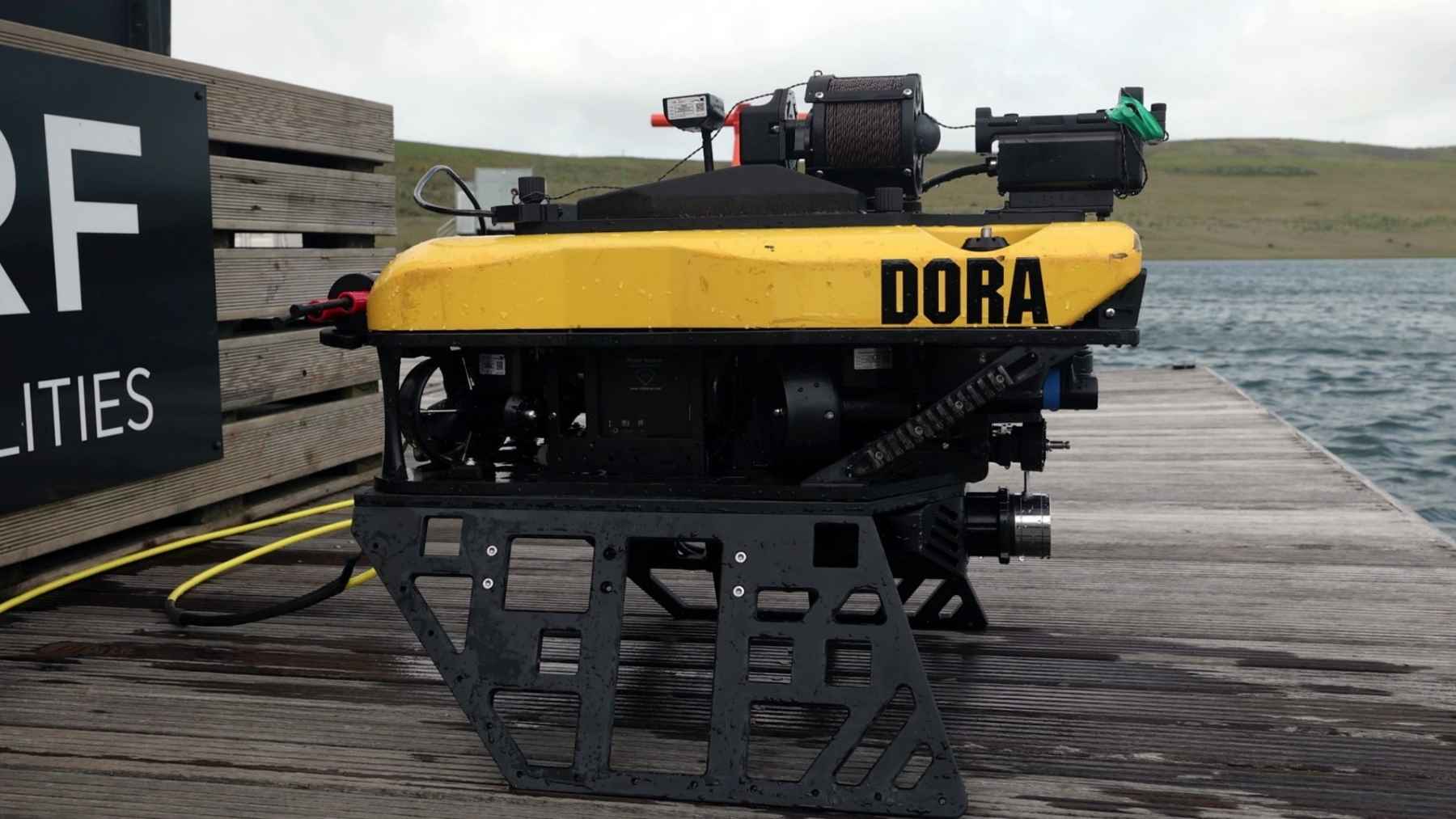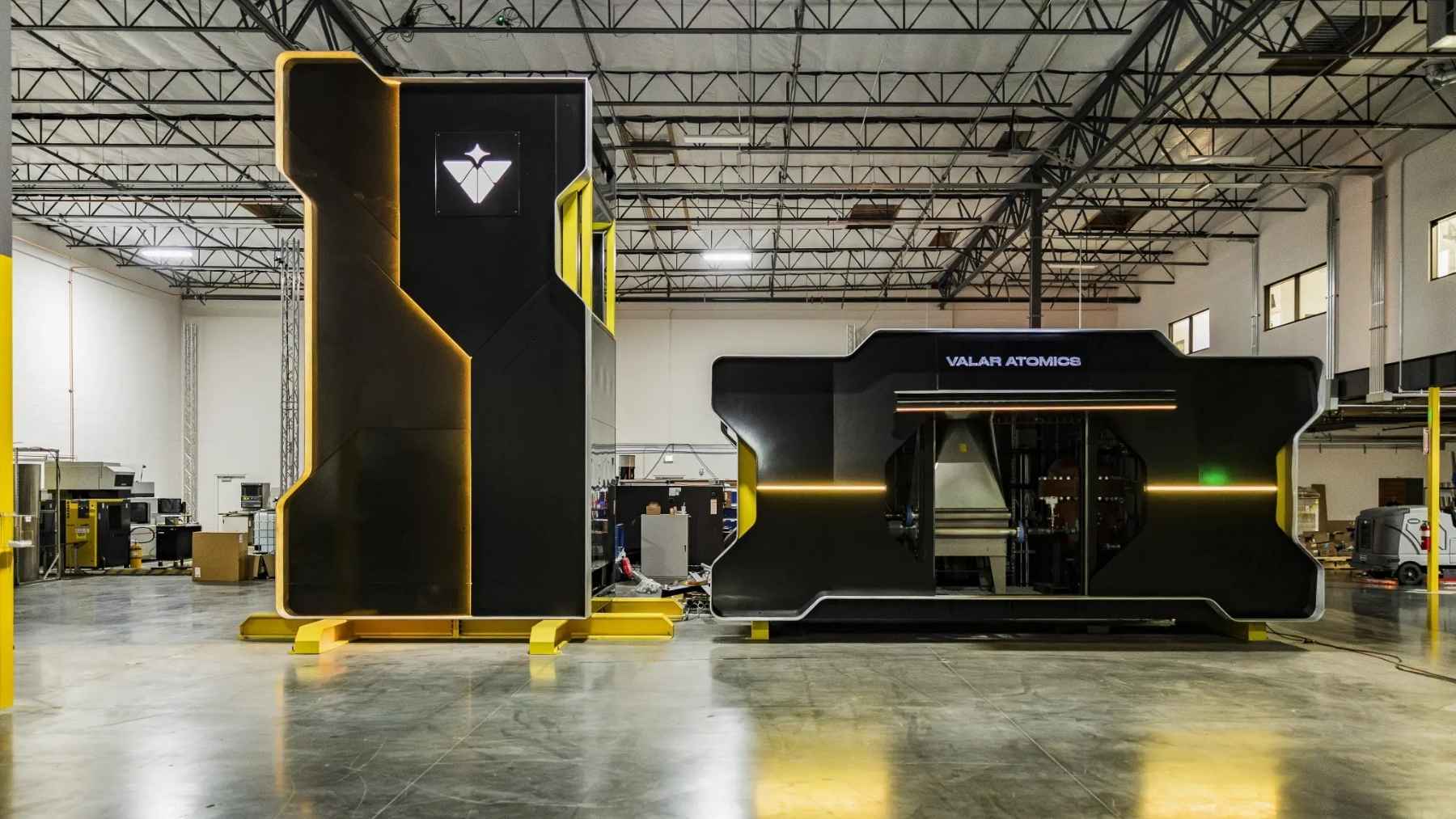

The Fourth of July tends to bring out America’s taste for a grand gesture. Fireworks, flyovers, a battleship somewhere. For the country’s 250th birthday, the federal government set itself a stranger one: switch on three brand-new nuclear reactors by the holiday.
Two of them are already running. And the rulebook that normally governs how you get a reactor from a drawing to a live chain reaction got a lot thinner to make it happen.
The deadline traces back to a May 2025 executive order that created the Department of Energy’s Reactor Pilot Program, with a stated goal of at least three experimental reactors reaching criticality by July 4, 2026. In a field where new builds are usually measured in decades, the government gave companies roughly a year. That timeline alone tells you what kind of program this is.
Here is where it stands with the holiday almost here. Antares Nuclear went critical on June 4. Valar Atomics followed on June 18. A handful of other companies are still racing the final days. And the people who watch reactor safety for a living are not all clapping.
Going critical is not the same as making power
“Criticality” sounds like the dramatic part, and in a sense it is. It is the moment a nuclear fission chain reaction becomes self-sustaining, the point every other step depends on. But the version Antares hit was zero-power criticality, which means the reaction sustained itself at essentially no measurable energy output.
That is not electricity. It is proof the physics and the control systems work, full stop. Idaho National Laboratory’s own director made a point of drawing that line, and so did Antares CEO Jordan Bramble, who put it plainly to POWER Magazine: “the goal of a reactor is to sell electricity to customers.”
Valar’s June 18 milestone went a step further than Antares did. The company says its target was actual power operations, not just a zero-power test, and its reactor is now producing tens of kilowatts of heat. It is doing that from inside a tentlike structure in the Utah desert, which is roughly the least nuclear-looking setting you could picture for the first power reactor of a new generation.
The Energy Department, for its part, frames the milestone as the first time in more than four decades that a privately developed non-light-water reactor has reached criticality in the United States. At Idaho National Laboratory specifically, it is the first new reactor design to go critical there in more than 50 years.
The reactors are tiny, and that is the point
Forget the cooling tower on the hill. These are microreactors, small enough to truck to a site and built to run for years without a connection to the commercial grid.
Most of them ditch the long fuel rods and pressurized water of a conventional plant. Antares and several rivals run on HALEU TRISO fuel, uranium kernels coated in layers of carbon and silicon carbide that act as their own tiny containment shells, packed into pellets rather than rods. Antares loaded less than 120 kilograms of the stuff for its reactor’s entire life.
The cooling is the other trick. Antares uses sodium heat pipes, sealed tubes that move heat with nothing pumping inside them, the same basic idea as the little pipe pulling heat off your laptop processor. Westinghouse is chasing the same approach with its eVinci heat-pipe reactor headed to the same Idaho test site. Take the pumps and the pressurized water out, and a whole category of accident goes with them.
The pitch behind all of it is the same one driving most of the nuclear noise right now: power for AI data centers, disaster relief, and military bases, delivered as a factory product instead of a fifteen-year construction saga. Antares says it is building a factory to turn out around 50 reactors a year. For scale, 96 reactors run in the United States today, total.
Two down, a few still racing the clock
Antares and Valar are not alone in the program. The Reactor Pilot Program picked 11 advanced reactor projects from 10 companies, and the field has narrowed to the ones with a credible shot at the deadline.
Radiant is assembling its reactor inside a secured building at Idaho called the DOME, the repurposed shell of an old experimental reactor. Its chief nuclear officer told NPR the company is tracking to get the reactor into the DOME and start testing by July 4, while admitting it probably will not be critical by then. Aalo Atomics has finished building a sodium-cooled test reactor at the same Idaho site, and Oklo is running two separate projects on parallel tracks, with July 4 as a stated target for one of them.
Even companies outside the program are caught in the same gravity. Deep Fission, one of the ten firms in the pilot, wants to drop a reactor down a borehole and let the rock above it do the work of a containment dome. The common thread is speed, and the speed is exactly what some experts cannot get comfortable with.
The rulebook got 750 pages lighter
To hit a one-year deadline in an industry that does not do one-year anything, something had to give. What gave was the regulation.
Over the fall and winter of 2025, the Energy Department rewrote the internal safety and security orders it uses to authorize these reactors. NPR, which obtained copies, found the rewrite cut 750 pages from the earlier versions, loosening requirements for things like training security guards and protecting groundwater, and the department exempted the new reactors from environmental review. The rules were shared with the ten companies in the program but were not public until NPR pried them loose through a records request.
That sequence is what bothers the critics. Edwin Lyman, director of nuclear power safety at the Union of Concerned Scientists, told NPR the race is “essentially an exercise in public relations,” and argued the cuts undo decades of hard-won safety lessons. He has called the move a return to the 1950s.
The Energy Department pushes back hard on the framing. It says the regulations it cut were unnecessary and that safety has not been compromised, arguing the new process keeps the same safeguards but writes them as performance standards rather than prescriptive detail, with the reactor developer responsible for proving the design is safe. You can read the department’s own account of the executive orders behind the program.
There is one more piece of context that cuts through a lot of the noise. These reactors are running under DOE authorization as test and demonstration units. To actually sell electricity to a paying customer, they will still need a license from the Nuclear Regulatory Commission, the independent agency with the slow, public process. That is the road a utility like the Tennessee Valley Authority is taking with its small reactor at Clinch River, and it is the part the pilot program skips.
What the holiday will and will not deliver
By July 4, the government will very likely have its picture: two reactors already glowing, maybe three or four by the time the fireworks go up. That is a real engineering result, and the people who built them in a year earned the photo.
What the picture will not show is a single one of these reactors selling power to a customer, holding an NRC license, or running under safety rules the public got to read before the fuel went in. Whether the speed jump-starts an American nuclear industry or just produces a memorable birthday image is a question the commercial milestones will answer over the next few years. The deadline was the easy part.
 @jbryanfisher ROOKIE3 months ago