
Wildfires in Canada have led to health warnings in large parts of the United States. Residents in Washington DC, Boston, and New York City have been warned that small particles contained in the smoke could damage their health.
But do you really need to stay indoors, or is your vehicle actually a sanctuary from the smoke? Beyond that, is it safe to travel by car through an area where an air quality has been issued? Well, as with many things that all depends.
You should make sure your vehicle has a good quality air filter
The majority of the air that makes it into your car’s cabin has gone through your vehicle’s pollen filter. This is a separate air filter to the one guarding the engine’s air intake. The quality of this filter determines just how effective it will be in removing contaminants from the air.
Basic filters are just made of paper, and only serve to strip out large particles (like pollen). These won’t do much to reduce the PM 2.5 or smaller particles that irritate your lungs and throat when the air quality index looks bad.
Activated carbon filters are a lot better, and can remove up to 80% of the pollutants in the air passing through them. Though many of these filters only remove around half of the contaminants they encounter. At the high end, you have a HEPA filter, which takes out 99.9% of the particulate matter flowing through it.
There is a downside to HEPA filters. Because they’re designed to filter out fine particulate matter, air has a harder time flowing through them. This leads to decreased airflow, and strain on your vehicle’s fan motor. As a result, your motor may not last as long as it would otherwise, and your HVAC system may not feel as powerful as it was.
Upgrading your filter is possible
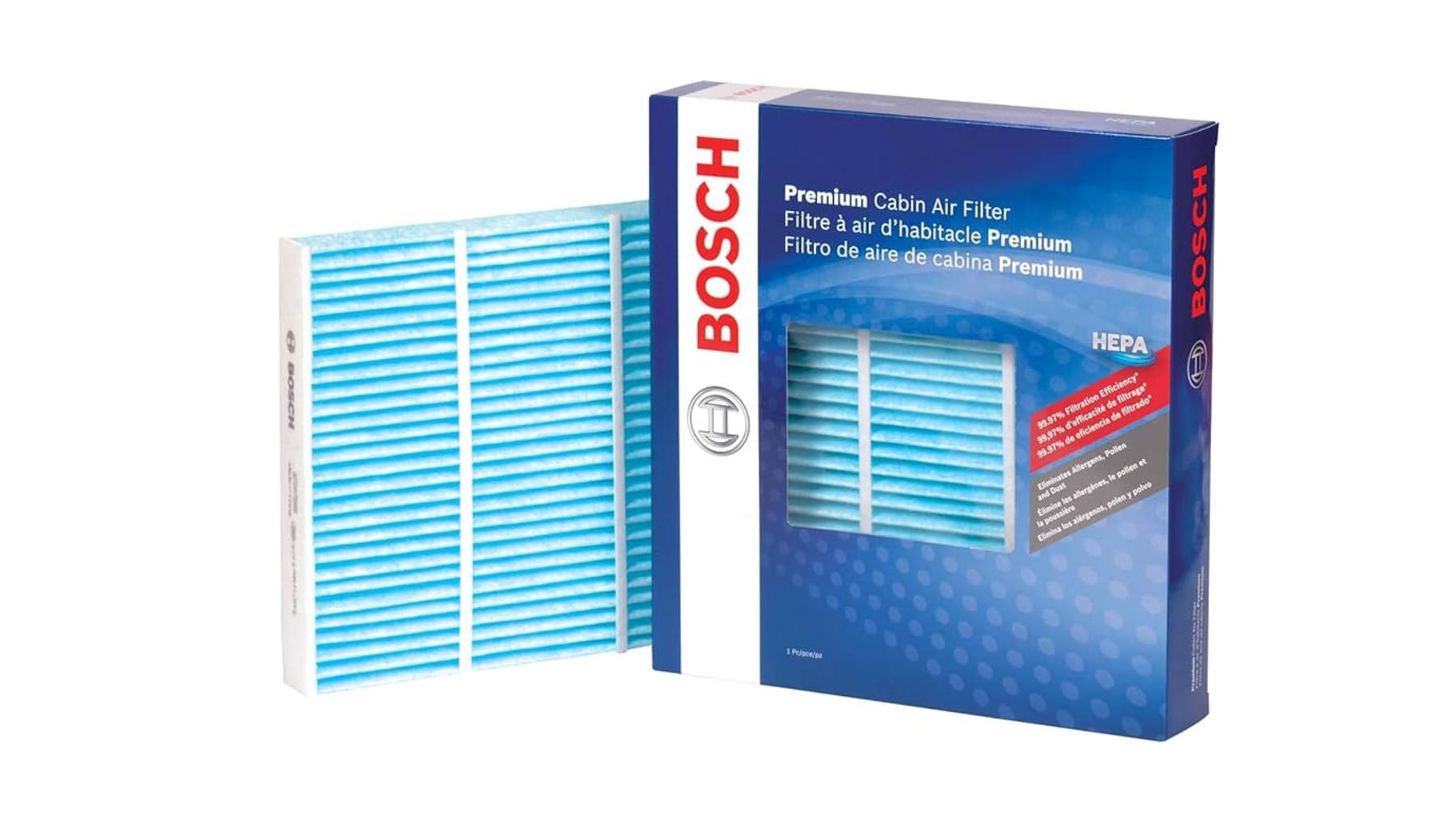
If your vehicle’s filter isn’t as effective as you want it to be, aftermarket filters are widely available and pretty cheap. There isn’t too much of a price difference between HEPA filters and activated carbon filters either, with both retailing for around $25.
As mentioned, there is a trade off when it comes to using HEPA filters. So if you don’t mind the extra work and spending an extra $25, you could theoretically buy both a HEPA filter and an activated carbon filter. The activated carbon filter is fine for daily use, and takes out things like exhaust fumes effectively. So run that most of the time, and only crack the HEPA filter out when you see an air quality advisory if you really want the best of both worlds.
Your HVAC’s “recirculate” setting is a quick fix
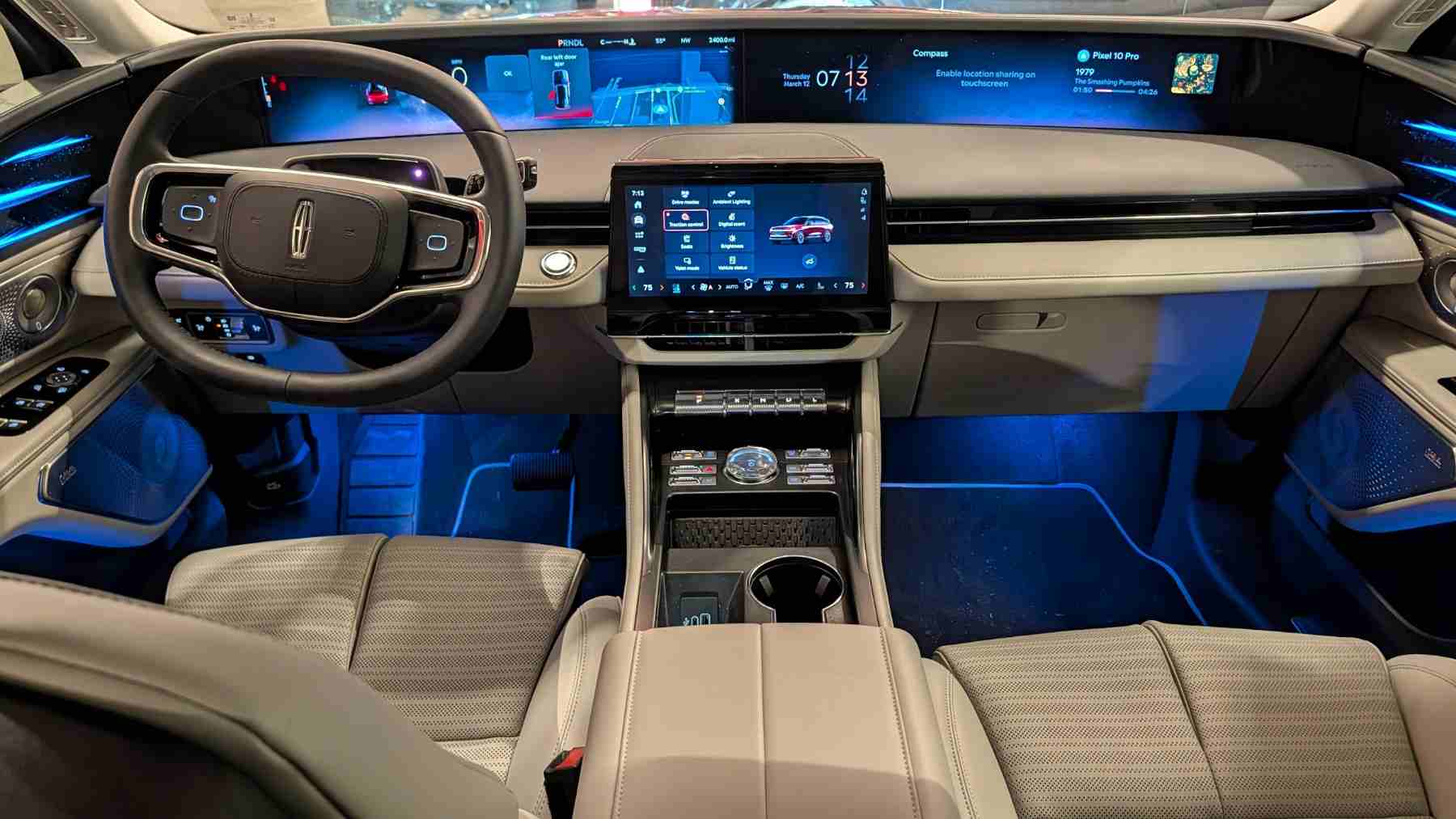
If your air filter isn’t particularly great, your HVAC system’s recirculate setting could still make things slightly more pleasant for you. When you press the “recirculate” button, the vehicle will reuse the air from its cabin instead of pulling fresh air in from the outside. This air still goes through the filter, which gives cheaper filtration options multiple chances to drop cabin PM2.5 levels. Is it as good as a high-end HEPA filter? No, but it’s better than nothing.
There is a bit of a downside to the recirculate setting. Carbon monoxide can start to build up after around an hour or so. Because of this, you should disable recirculation for around 15 minutes every hour. In areas with poor air quality, this will elevate the levels of small particles in your cabin again. But it’s better than the alternative.
Higher-end vehicles will include better filtration systems
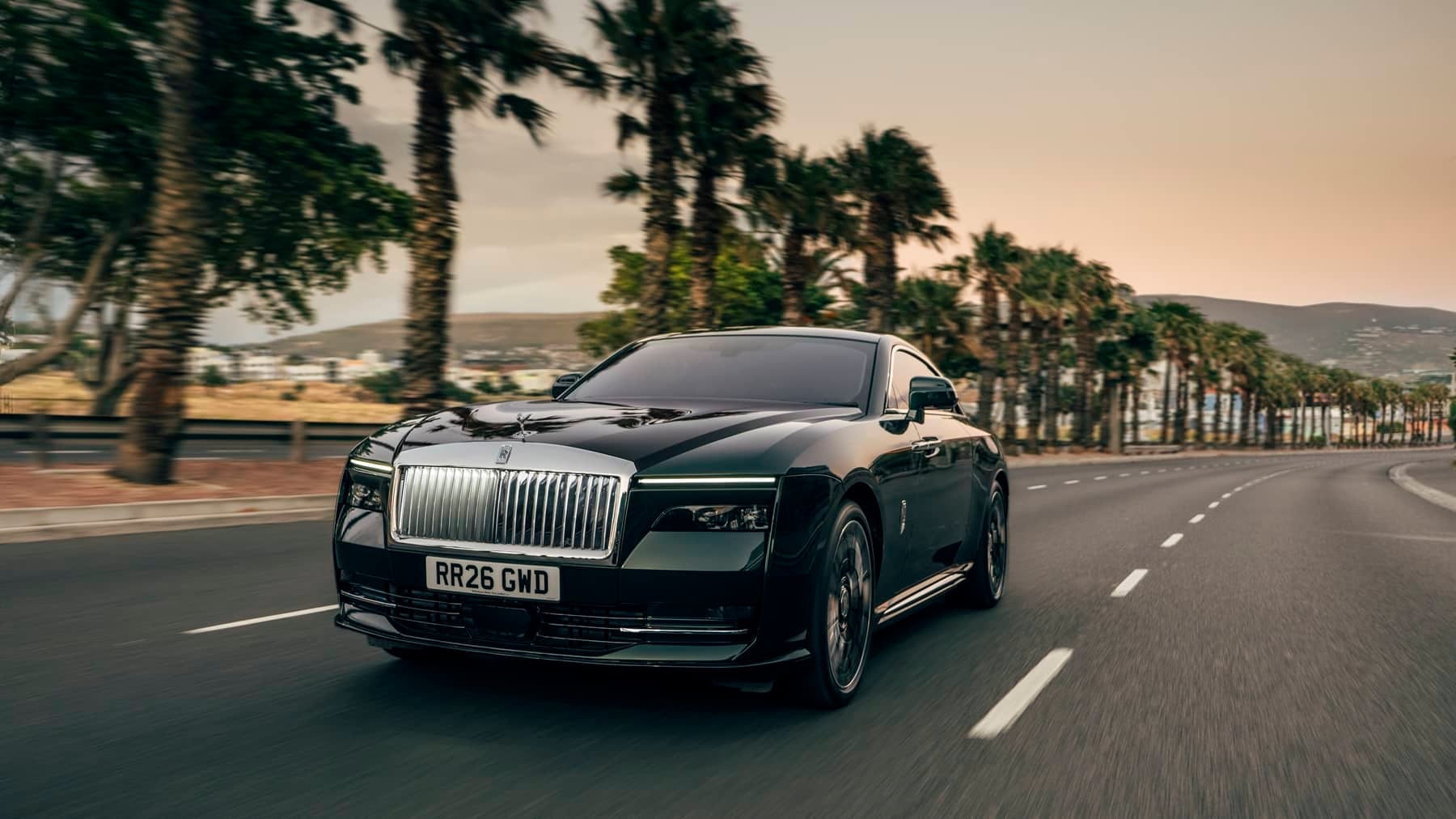
It may not come as a surprise that higher-end vehicles are more likely to include better air filtration systems as standard. The seal on various vehicles may also vary, though even lower-end vehicles tend to be water tight.
I have first hand experience of this, and anyone who has driven behind a vehicle with a blown head gasket can likely relate. In addition to the massive plumes of thick smoke a vehicle with head gasket issues will emit, there is a strong smell of burning oil you can usually pick up from a fair distance away.
A few years ago, I was traveling in a Rolls-Royce Ghost behind a vehicle when a vehicle in front of me blew its head gasket. Despite the billowing smoke, I couldn’t smell a thing. The contrast was made pretty apparent when Gerry, Rolls-Royce’s head of US PR, decided to wind the windows down so I could experience just how much the vehicle’s filters were taking out.
You don’t need a $400,000 vehicle to experience something similar though. Teslas (aside from the Model 3) have excellent air filtration, which uses HEPA filters along with a slightly dramatic “bioweapon defense mode” setting to keep cabin air fresh. The setting creates positive pressure in the cabin, which prevents air from the outside getting in.
Luxury German brands like Mercedes-Benz and BMW use multi-layer HEPA filtration too. And unlike upgrading your filter in a standard car, these vehicles have HVAC systems that are designed around the higher filtration standard. Which means the components won’t wear as quickly, and you won’t be sacrificing any blower speed.
Is your car safer than your house when air quality drops?
During events that affect air quality, authorities tend to advise people to stay indoors when possible. However, there’s a good chance your vehicle is a safer place to be than your house if you want to limit the amount of polluted air you inhale.
As mentioned though, it all ultimately depends on what air filter your car or truck is using. So definitely check that before you decide to camp out in your vehicle and watch Netflix on the infotainment system until all of this quite literally blows over.