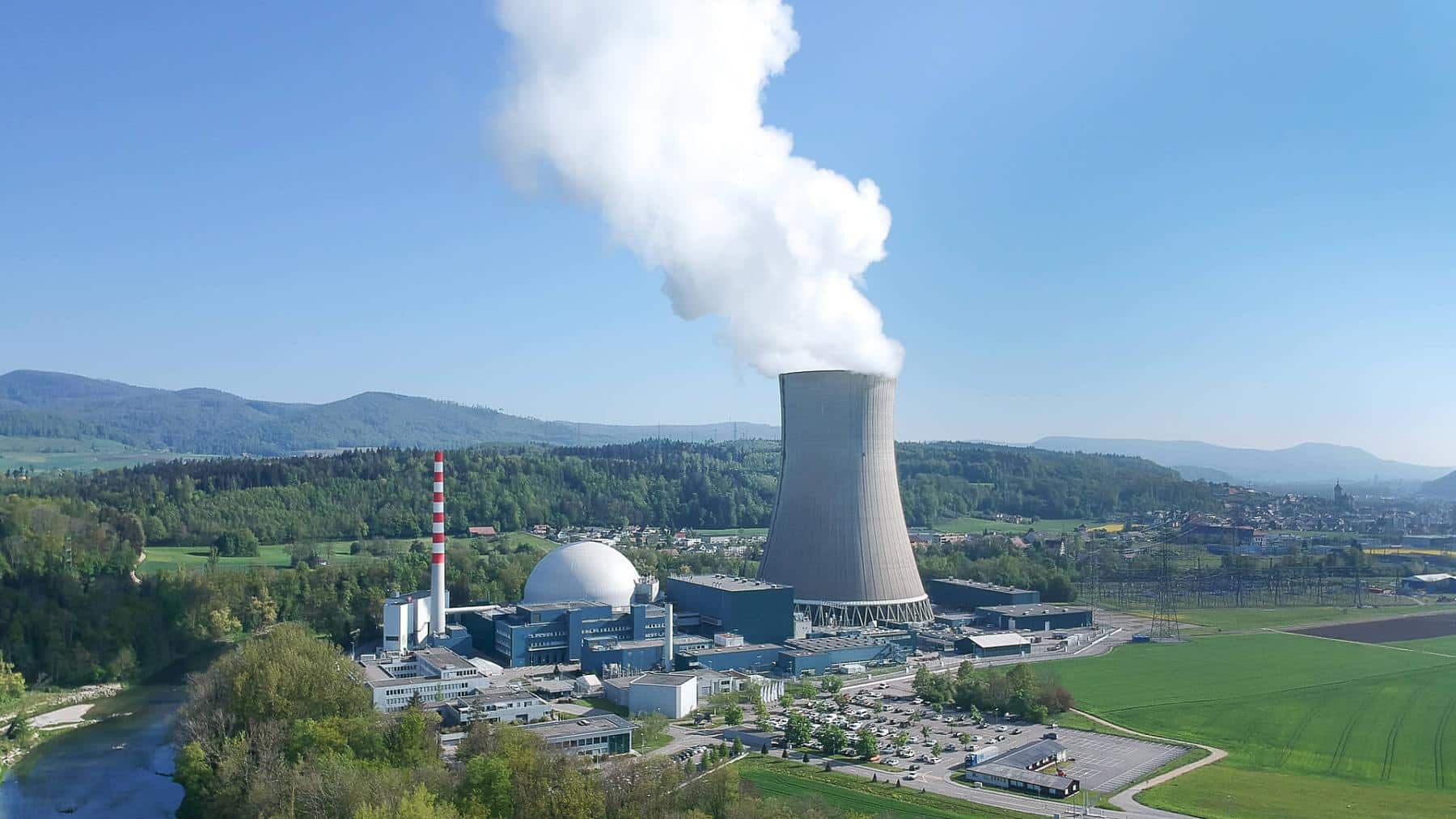

Germany got rid of nuclear power and did the job properly. Seventeen reactors were running in early 2011, the last three came off the grid on April 15, 2023, and the cooling towers have been dropping one by one ever since. A dead German reactor site is about the last place you would expect Berlin to put money into a new power plant.
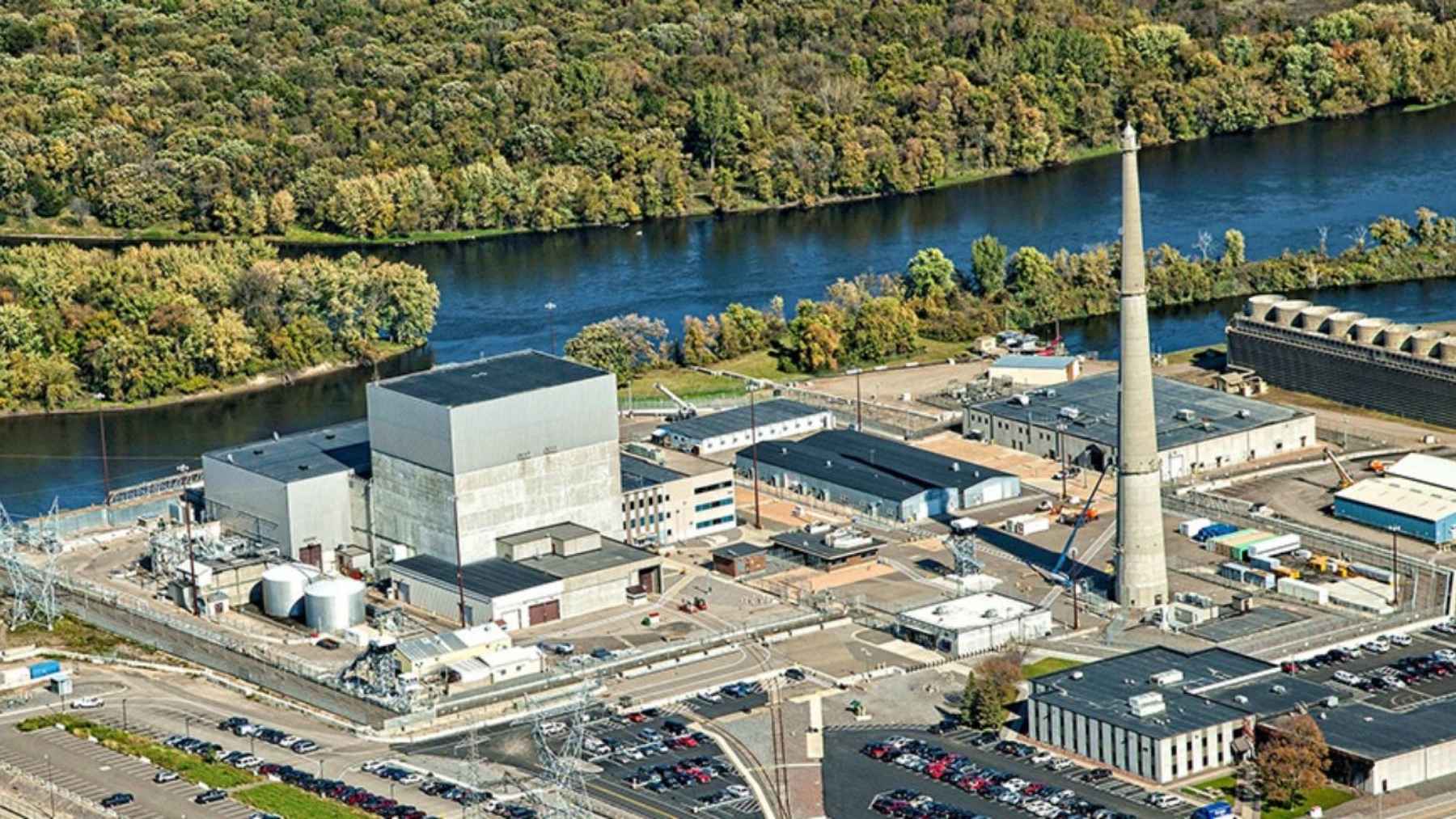
Berlin did exactly that on July 29. Federal research minister Dorothee Bär named the former Biblis nuclear station in southern Hesse as the home of the country’s national laser fusion hub, one of three centers the government is funding under a program called Fusion 2040. The laser hub is called VEGA and it also covers sites in Hamburg and Schenefeld, but Biblis gets the industrial half of it, a Fusion Industrialization Campus that Darmstadt company Focused Energy says will carry the world’s first commercial laser fusion plant by the middle of the 2030s.
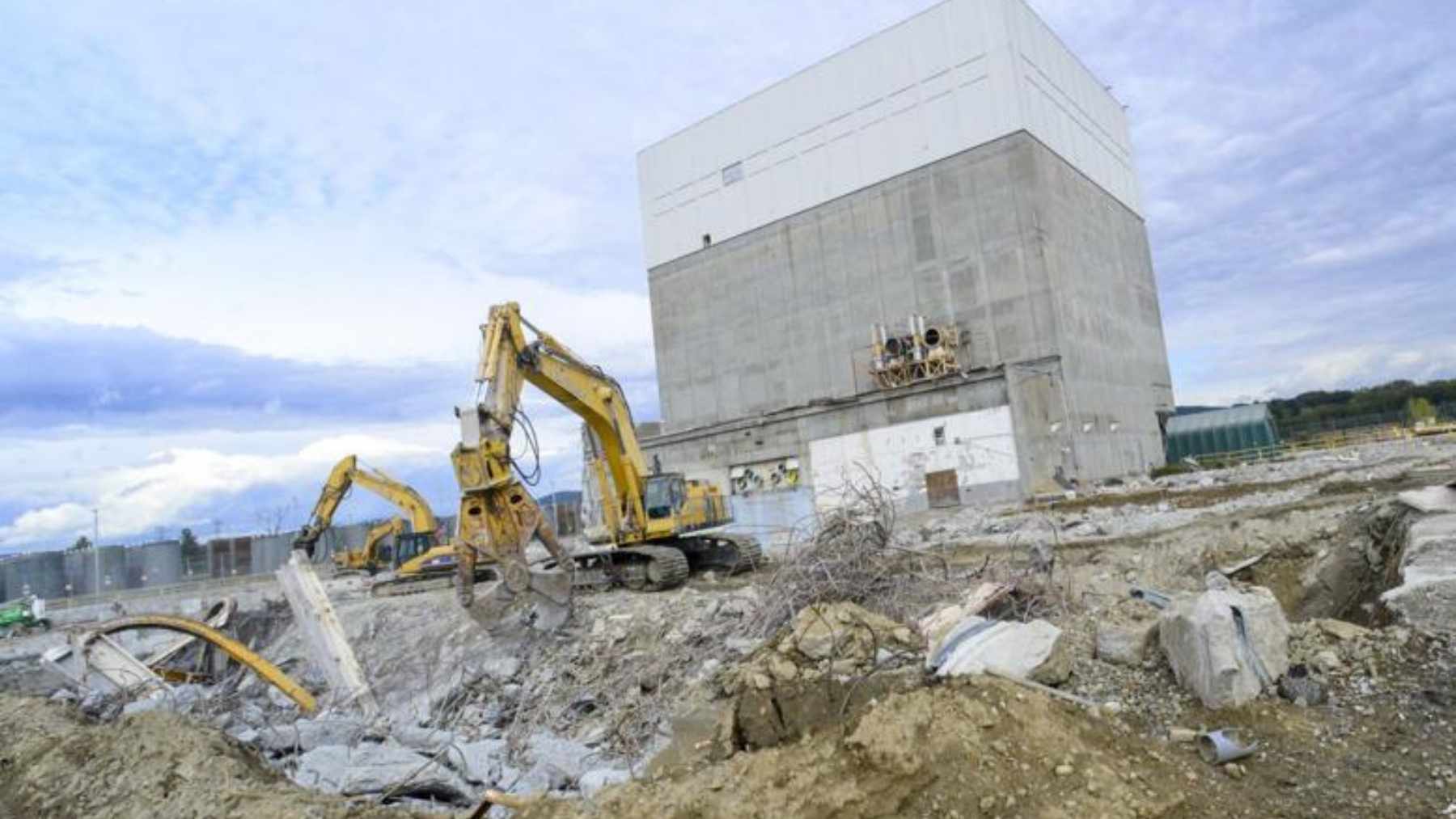
RWE owned Biblis, ran its two reactors from the mid-1970s until 2011, and has spent nine years pulling the place down. RWE is also the industrial partner on the fusion project and one of its investors.
The utility that switched Biblis off is paying for what goes in next
Hesse’s environment ministry approved RWE’s dismantling plan in March 2017 and the work started that summer. The company wants Biblis fully torn down by the middle of the 2030s so the site can be released from German nuclear law altogether.
Four cooling towers stood on the site, each one 262 feet tall. RWE dropped the first two in February 2023 by cutting slots into the concrete shell and remotely stripping out supports until the structure fell into itself, a method it chose over explosives because the towers sat close to buildings and high-voltage lines. The third came down on December 11, 2025. German public broadcaster hessenschau reported that a chunk of it refused to fall and stayed standing. Each tower left about 16,500 tons of rubble, and none of them ever touched radioactivity, because their entire job was keeping the Rhine from cooking in a hot summer.
Markus Krebber, CEO of RWE, said this the day the company’s last reactor went dark in April 2023: “The phasing out of nuclear energy in Germany is a political decision.”
Three years later the same executive is funding the thing going in on top. RWE put a further 60 million euros, about $70 million, into Focused Energy on May 27, 2026, on top of an initial stake it took in October 2025. In that same release RWE said that if Biblis won the federal tender, it would speed the decommissioning up so the buildings came free sooner.
Biblis won.
The concrete is the reason Biblis got picked
Consultancy Arthur D. Little and Focused Energy published a feasibility study on the site on October 28, 2025. It concluded that the turbine halls, the storage buildings and above all the heavily reinforced reactor domes can be converted into laser laboratories, target fabrication space, high-power laser test stations and eventually a demonstration plant.
Co-founder and CEO Thomas Forner put the logic to Nuclear Engineering International in February: rather than take the site back to greenfield, which he called almost impossible and endless, the company only needs it decommissioned to a point. Fusion needs grid access, warehouses and heavy floors, and Biblis already has all three.
There is a regulatory reason too. Germany announced a Fusion Action Plan in October 2025 that pulls fusion installations out of nuclear law and puts them under radiation protection law instead. Biblis already operates inside a radiation safety regime, so the paperwork baseline exists. Focused Energy expects the only activated material at a finished plant to be the first wall and the chamber, stored roughly 50 years before recycling.
Berlin’s money is smaller than the startup’s
The research ministry is putting 125 million euros, about $145 million, into all three hubs together, spread across 34 partner institutions and released in six phases through 2029. Focused Energy raised $240 million from private investors in a single round three months earlier.
That round closed on May 27 at 206 million euros and the company calls it the largest fully secured Series A the fusion industry has recorded. RWE, the federal breakthrough innovation agency SPRIND, the European Innovation Council Fund and earlier lead investor Prime Movers Lab all took part, and American investor Lowercarbon Capital joined on July 2 to complete it. Focused Energy told TechCrunch the round brings its private capital to $300 million against $200 million in grants.
The company plans to spend 200 million euros, roughly $230 million, at Biblis over the next two years, and around 500 million euros, roughly $580 million, by 2030. Hesse’s economy minister Kaweh Mansoori handed over a separate state grant of 20 million euros, about $23 million, on December 18, 2025.
The lasers have to fire 864,000 times a day
Lawrence Livermore’s National Ignition Facility got more energy out of a fusion target in December 2022 than the lasers put into it, and it is still the only machine that has managed it. It does that about 400 times a year. A commercial plant of the kind Focused Energy is designing needs ten shots per second, which TechCrunch worked out at roughly 864,000 shots a day.
Nobody has done that yet.
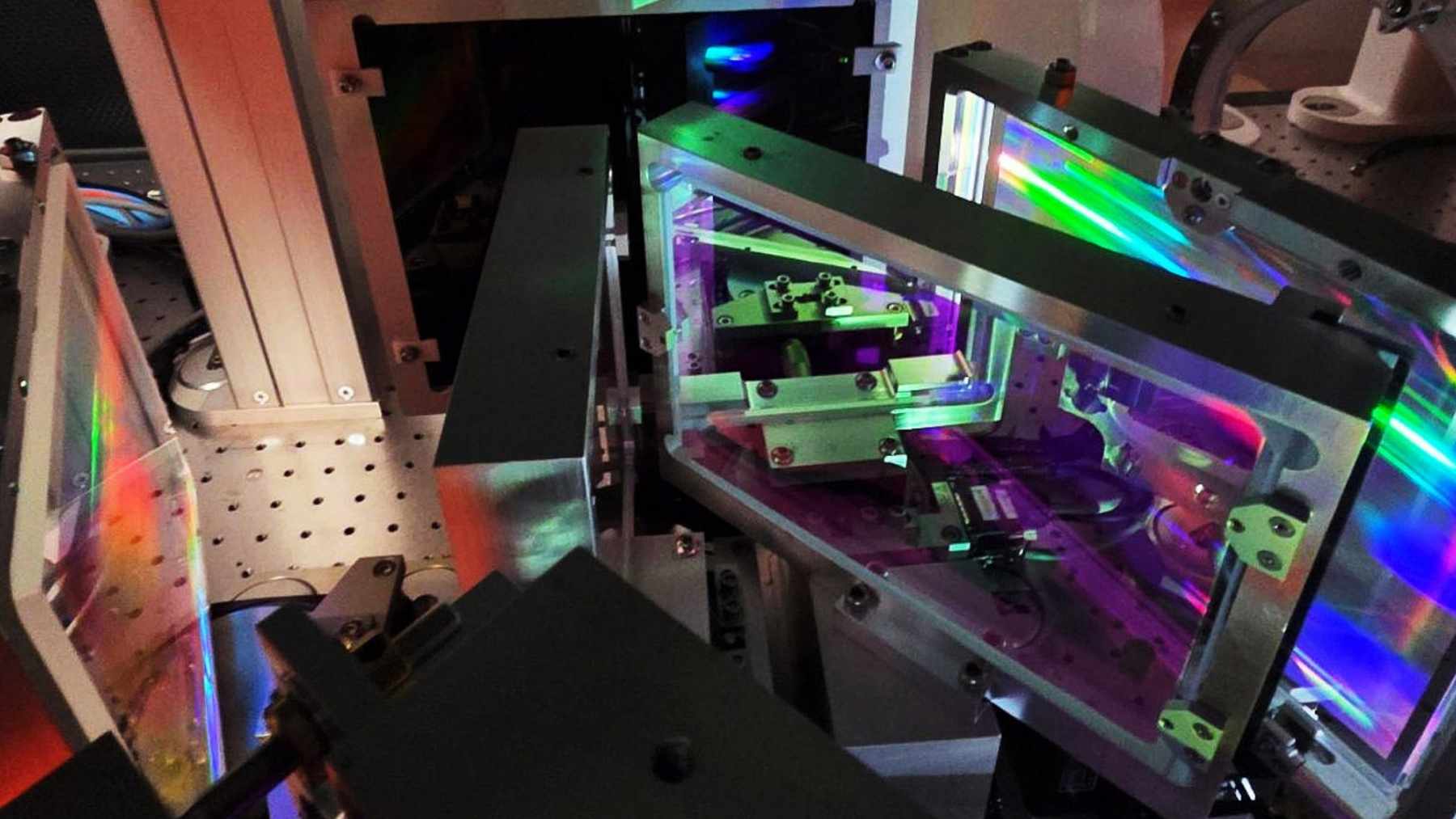
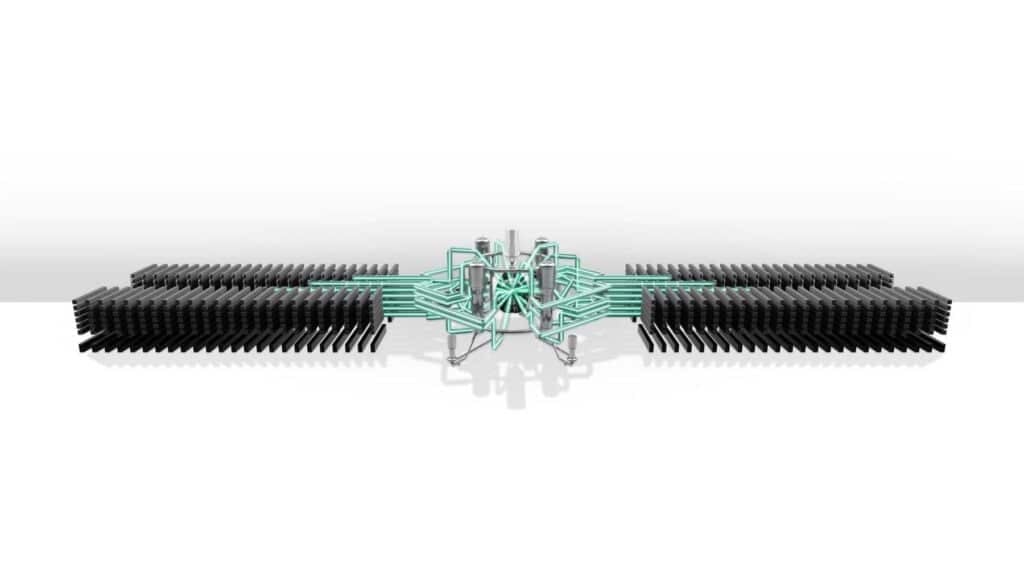
Focused Energy is trying to get there by dropping the hohlraum, the machined gold cylinder that converts NIF laser energy into X-rays, and firing the beams straight at the fuel pellet instead. Debbie Callahan, who helped design the NIF target, joined the company in December as chief strategy officer and is working on simplifying the pellet. Forner told NEi that a single commercial plant would need something like a thousand diode-pumped, kilojoule-scale lasers running at 10 Hz, and that they have to be built “like cars, mass manufacture them” rather than one at a time like satellites. He puts target demand at perhaps a million pellets a day, which is the same manufacturing problem a California factory opened to solve in July.
Two of Germany’s three fusion hubs landed on dead nuclear ground
Bär named the other two winners on the same day. The magnetic fusion hub, STRIDE, goes to the Max Planck Institute for Plasma Physics with startups Proxima Fusion and Gauss Fusion, and its main sites are Garching near Munich and Gundremmingen. Gundremmingen is a shut nuclear plant too, its last reactor switched off on December 31, 2021. The third hub, MAT-TRIX, covers fuel cycle and materials work and goes to the Karlsruhe Institute of Technology.
The laser hub application at Biblis was filed jointly by Focused Energy and Marvel Fusion, the Munich company that topped out a laser lab on a Colorado hillside in July, and backed by the states of Hesse, Hamburg and Schleswig-Holstein plus close to 20 scientific partners.
Dropping fusion hardware into buildings somebody else paid for is turning into a pattern. A Tennessee coal plant is handing its 865-megawatt turbine hall to two machines that generate nothing, one of them a stellarator. A pair of Spanish reactors that were built and never switched on went to a company that wants to raise sole inside them. Grid connections, thick floors and permitted land are expensive, and none of that cares what the building was for.
First laser in 2028, first grid megawatt-hour in 2037
Focused Energy’s public roadmap runs 2028 for the first laser at Biblis, 2031 for first light in a diagnostics chamber, 2033 for an implosion, 2035 for a pilot plant and 2037 for the first megawatt-hour sold onto the grid. Forner told NEi the company is already designing its first warehouse and laser development hall on the site, aiming for operational readiness inside 12 to 24 months, with an integrated laser test facility to follow in a former machine hall that has already been cleared for occupancy.
Dates in fusion move. The two entries that decide whether 2037 means anything are 2031 and 2033, and both of them are physics rather than construction.
RWE has its own deadline running alongside. The company wants Biblis stripped far enough to leave the Atomic Energy Act by the middle of the 2030s, the same decade the fusion plant is supposed to start selling power off the same ground, and it is still working through the demolition list to get there. The third of the four cooling towers came down on December 11, 2025, with the fourth scheduled for the following month.