
The Ferrari Luce has launched, and controversy has followed. Purists have labeled the four-door EV as ugly, overpriced, and very much not a Ferrari. Some have praised certain elements of the vehicle’s interior, which was partially designed by Jony Ive, but all in all the Prancing Horse’s first EV has not gone down well.
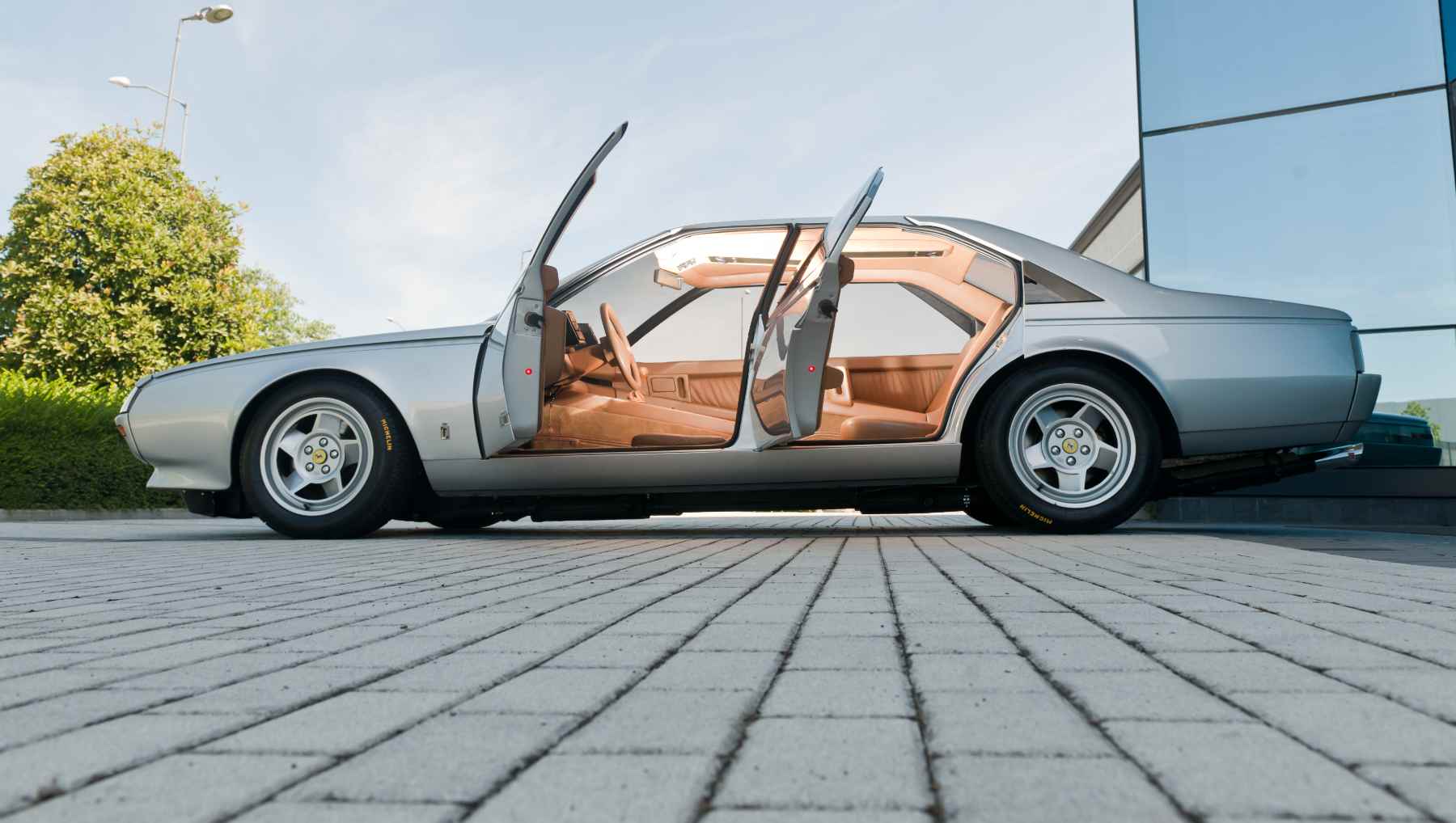
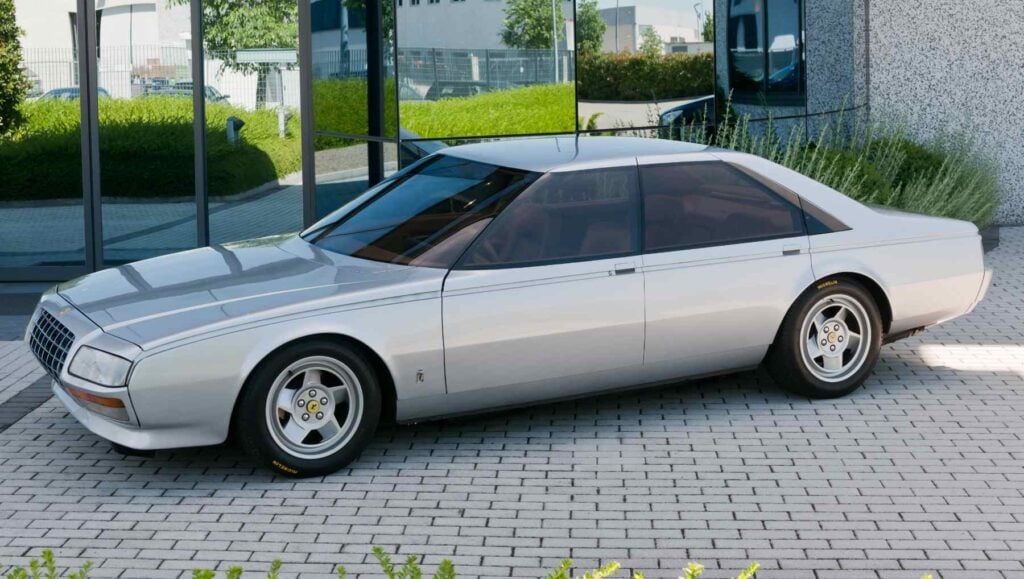
But as the old saying goes, nothing is new under the sun. And Ferrari has sort of been here before. Back in 1980, the legendary Italian automaker unveiled the “Ferrari Pinin” a four-door, four-seat, sedan.
If we’re talking about Ferrari purism, models built in collaboration with design house are considered to be part of a golden era amongst enthusiasts. The two companies worked together from 1951 to 2017, and aside from the rare exception Pininfarina gave pretty much every Ferrari during that period its distinctive look. The Ferrari Pinin concept, as the name suggests, was built as a tribute to Battista “Pinin” Farina, but you wouldn’t peg it as a classic Ferrari at first glance.
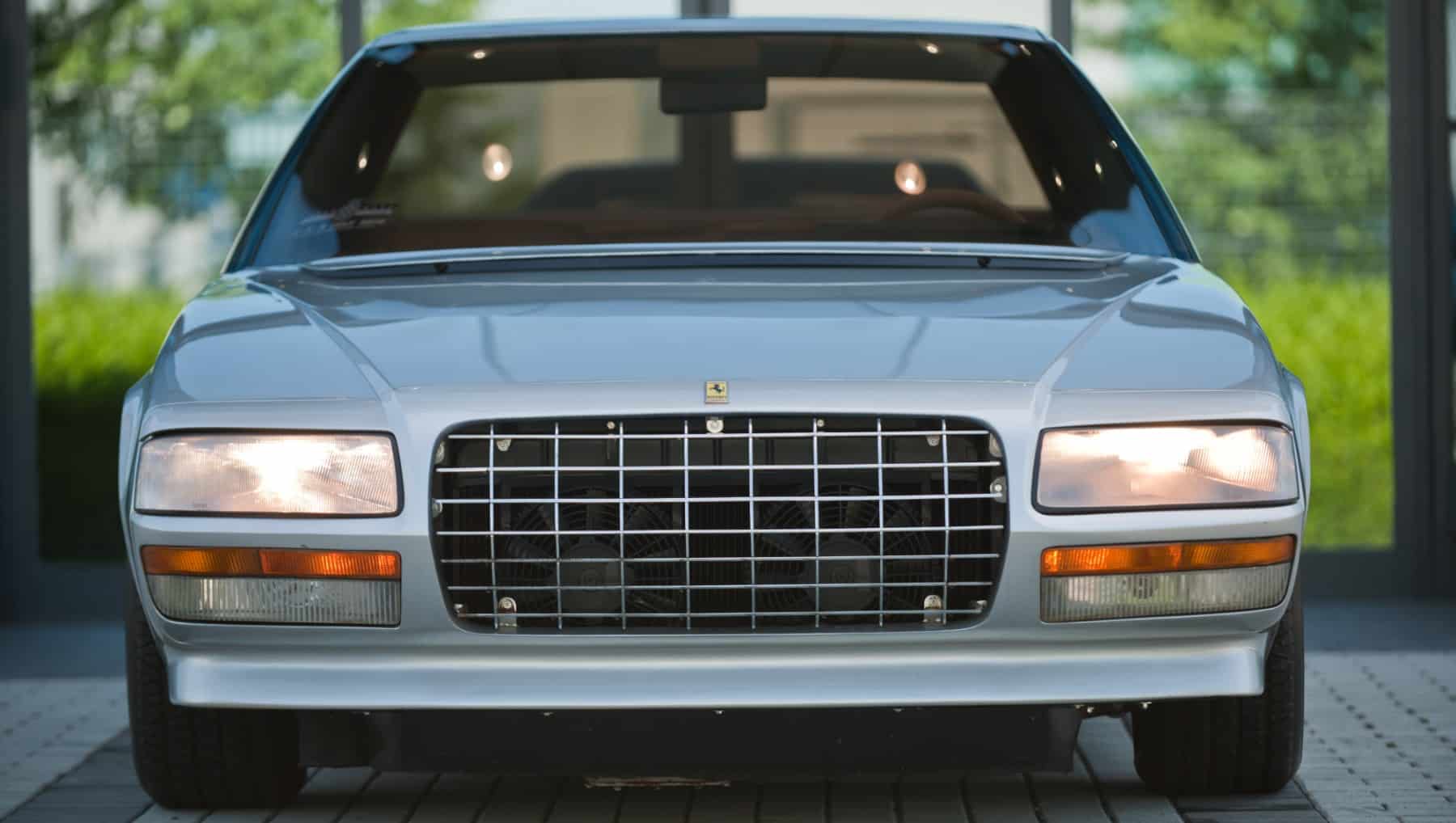
While it does look high-end, and it does have some bold styling touches, it is very much a sedan. Which means it has that air of something your mother would use to pick you up from school at some point in the late 90s.
Understandably, there was a bit of a pushback from the Ferrari fanbase. The Ferrari board wasn’t too keen on the Pinin either, preferring to keep production focused on what Ferrari was best known for. Exciting two-seater sports cars. Similarly Fiat, Ferrari’s parent company at the time, was not willing to pour resources into a four-door-Ferrari.
So it remains a one off, and while the brand’s distinctive flat-12 was resting under the hood, the drivetrain wasn’t even connected when the vehicle was displayed.
That drive train did eventually get hooked up, and the one example of the Pinin is completely road legal. It pops up for sale every now and then, like in a 2011 RM Sotheby’s auction in London where it was estimated to be worth between £480,000 – £550,000 (over $645,828.82 at today’s exchange rates, which ironically enough is about the same price as a Luce).
While there is only one, it’s a common curiosity at higher-end American car shows these days. And despite the backlash, the Ferrari Pinin was pioneering in many ways.
It wasn’t just the four doors that set the Ferrari Pinin apart
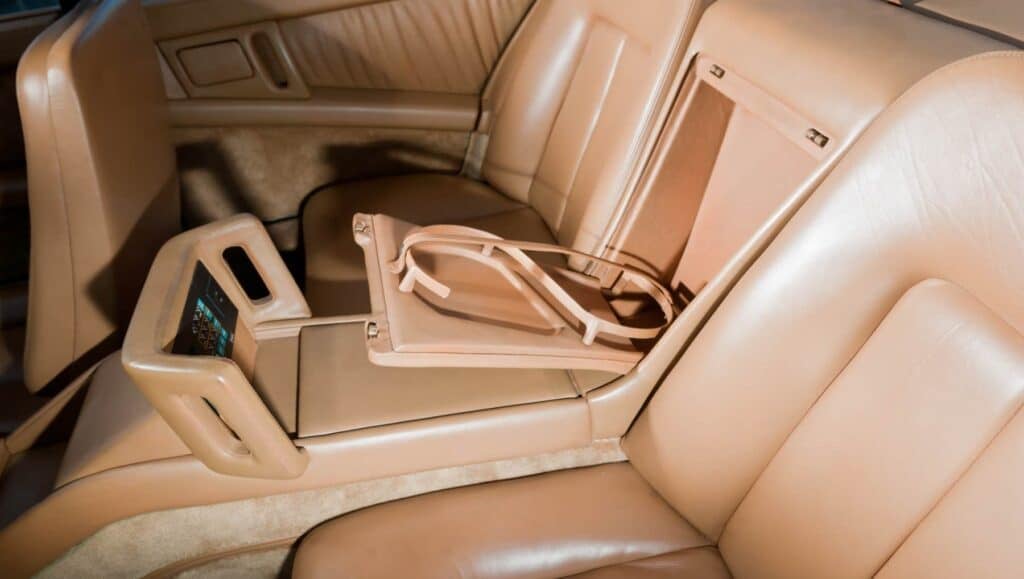
Unlike the Luce, Ferrari didn’t claim the Pinin was its future. However, the Ferrari sedan was quite forward looking for its time. It had a handful of features that wouldn’t be commonplace in vehicles for decades afterwards, with the most obvious being the screen-based rear-passenger entertainment and comfort controls.
There are shades of that rear screen that can be seen on modern Ferraris, including the Luce. The shielded design is a little similar to the passenger controls on the Ferrari Purosangue’s dashboard. This is a bit of a stretch, but you could also compare the handles to the prominent handle on the bottom of the Luce’s ball-jointed infotainment panel.
In addition to the rear screen, the 1980 Ferrari Pinin also featured an onboard computer, to manage things like passenger comfort. A hidden multi-dial dashboard was also present in the vehicle, which would only become visible when you turned the car on. It featured a plethora of displays to cater to the driver’s performance needs, this is a Ferrari after all.
Also similar to the Luce was the Pinin’s use of glass. The window was designed to appear as if it was wrapping around the car from C-Pillar to C-Pillar. This is pretty common these days, but it was fairly unique in 1980.
While Ferrari pumped the brakes on the Pinin long before the sedan went into production, it does seem to be backing the controversial Luce. Despite widespread criticism online and from one of the company’s most notable former CEOs, Ferrari maintains that the order books are filling up and intends to push ahead with its new EV.
 @nathanj ROOKIE3 months ago