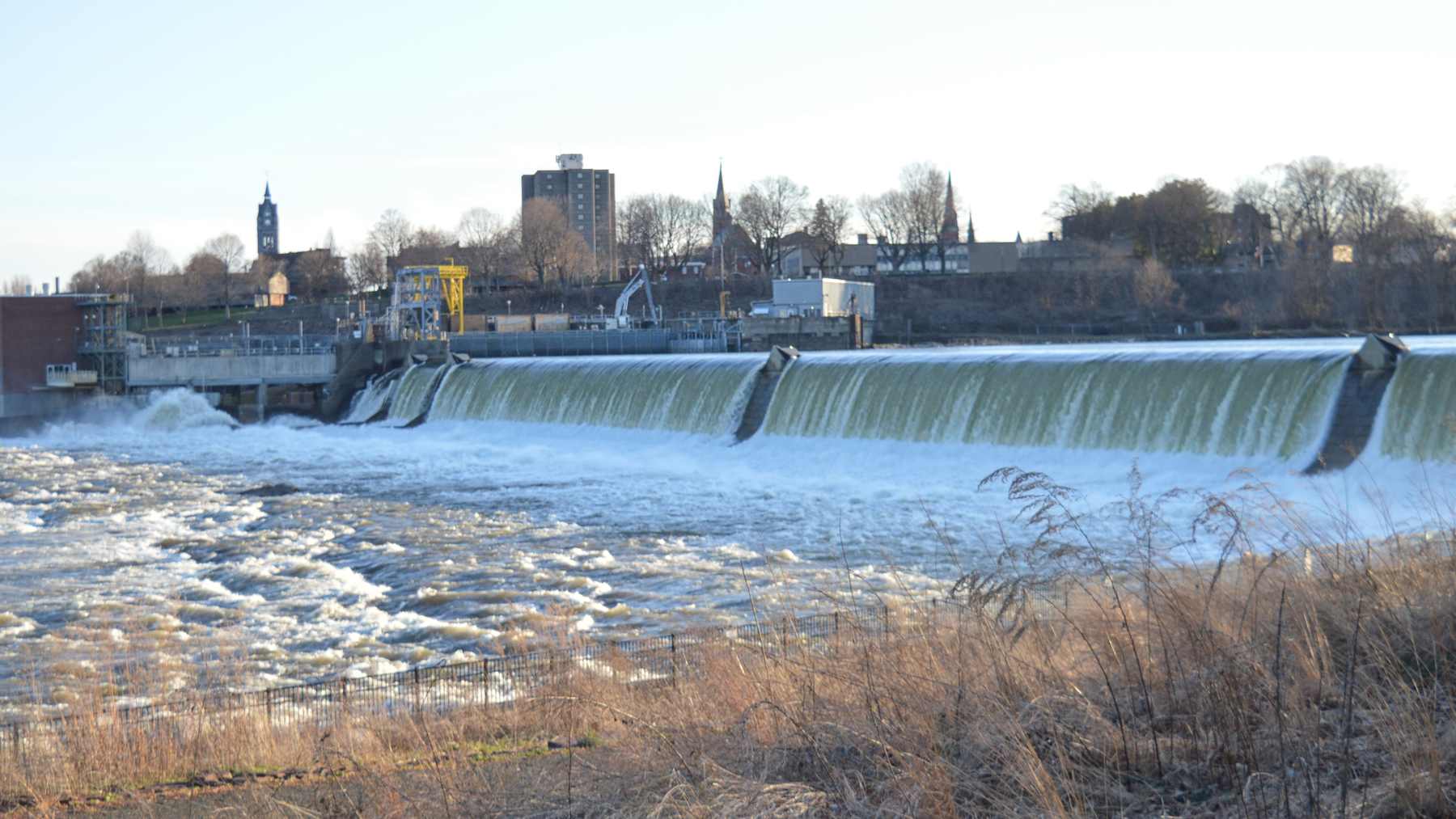

Storing a lot of electricity for a long time has, for about a century, meant one machine above all others: pumped hydro. You need a mountain, a reservoir at the top and another at the bottom, and cheap power to pump water uphill so you can drop it back through a turbine when you need it. It works. It also needs geography most of the country doesn’t have.
A Houston company called Sage Geosystems thinks it can get the same effect out of a single deep well, using the rock two miles down as the pressure vessel. No mountain, no lake, and no lithium.
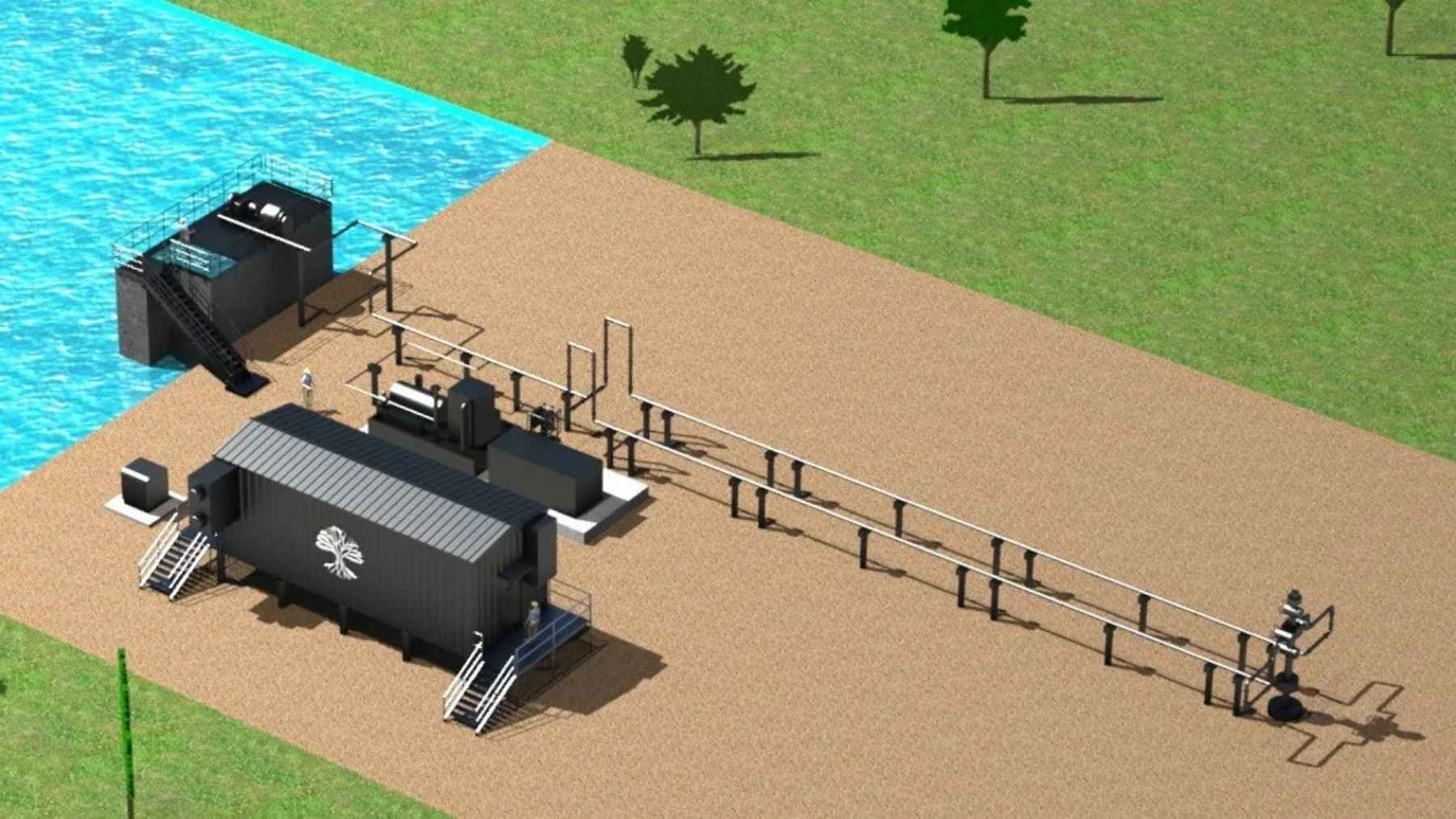
The idea is a battery made out of bedrock. Sage pumps water into a fracture it opens in hot, deep rock, the rock’s own elasticity clamps back down on it, and when the grid needs power the ground shoves that water back up the well and through a turbine. The company calls the storage system EarthStore, and it is building the first commercial version in a small town south of San Antonio.
A battery you drill instead of build
Most batteries are things you manufacture. This one is a hole.
Sage’s crews open a fracture deep in low-permeability rock, then pump water down into it under pressure. Cindy Taff, Sage’s CEO and co-founder, has described the fracture as something that “opens up like a balloon” as the water goes in.
Then they stop pumping. The rock, squeezed open, wants to close, and it does, pressing down on the trapped water. Let the water back out and the pressure drives it up the well fast enough to spin a Pelton turbine at the surface. Sage never has to pump the water back out, which is where a lot of the efficiency comes from. The Earth does that part for free.
The geometry is basically pumped hydro turned upside down. The tallest mountain anyone runs pumped hydro on gives you about 3,000 feet of head. Sage builds a bigger drop by going 7,000 to 10,000 feet the other way, straight down, which is also why it needs a turbine rated for something like 5,000 psi.
The team pulling this off is worth a look. Sage was founded in 2020 by oil-and-gas veterans with a couple hundred years of drilling experience between them, the same skill set now aimed at Utah’s hot dry rock a few hundred miles away, except Sage is drilling to store energy rather than to generate it.
The 3-megawatt version, next to a coal plant
The first commercial EarthStore is going in at Christine, Texas, a dot on the map in Atascosa County, on land owned by the San Miguel Electric Cooperative. It sits right next to San Miguel’s lignite coal power plant.
It is a 3-megawatt system, which is small. Sage plans to run it as a merchant, buying cheap power off the ERCOT grid and selling it back when prices spike. San Miguel supplies electricity across 47 South Texas counties, and ERCOT has spent recent years learning the hard way what happens when supply can’t follow demand through a brutal summer or a deep freeze.
A quick reality check on timing. Sage announced the Christine site in August 2024 and talked about switching it on later that same year. That slipped, and as of early 2026 the plant was still being described as due for completion, not finished. So this is a project still going up, not one already feeding the grid, which is worth keeping straight before anyone calls it a done deal.
What the 2023 test proved, and what it didn’t
The reason anyone takes the Christine plant seriously is a five-week test Sage ran back in 2023.
On a ranch south of San Isidro, in Starr County, Sage took a former oil well and engineered a roughly 3,200-foot vertical reservoir underground with its fracturing technique. Then it cycled water in and out. The system held enough to put out 200 kilowatts for more than 18 hours straight, or 1 megawatt for half an hour when it wanted quick punch, capped, the company said, only by the small rental piping at the surface.
The numbers underneath were the interesting part. Sage measured the efficiency of the underground half of the system at 88 to 94 percent, and pegged the full round-trip figure, power in versus power out, at 70 to 75 percent. Water losses came in under 2 percent, dropping toward 1 percent by the end of the run.
Sage draws an honest caveat of its own here. It isn’t trying to beat a lithium battery that only has to last two hours, because lithium wins there. The pitch is for the longer stuff. Once you are stacking lithium for four hours or more, Taff has argued, Sage beats it on upfront cost and on the levelized cost of storage, and beats pumped hydro too. The company’s stated goal for an early, pre-scale project is around 9 cents per kilowatt-hour. That is a narrower claim than “cheaper than batteries,” and it is the one the pilot actually supports.
Meta, Ormat, and $97 million
The money has started to show up. In January 2026, Sage closed a Series B of more than $97 million, co-led by geothermal veteran Ormat Technologies, which put in $25 million, and Carbon Direct Capital. That round is aimed less at storage and more at Sage’s first commercial power plant, which it plans to build at an existing Ormat site by pulling heat straight out of hot dry rock.
The bigger name on Sage’s dance card is Meta. In 2024 the two signed a deal for up to 150 megawatts of geothermal power at a site east of the Rockies, with the first phase targeted for 2027. That is the AI-data-center thread running through all of this. Hyperscalers want clean power that runs at 2 a.m. whether or not the wind is blowing, and geothermal, unlike a solar farm, doesn’t clock out at sunset.
It is the same underground-storage prize a Toronto company is chasing with compressed air under the Mojave, and part of a wider push to drill for heat and pressure the way the industry once drilled only for oil. That frontier is where an Icelandic crew ended up when they drilled into magma by accident.
The gap between proof and payoff
The distance left to cover is still wide. Sage has a 3-megawatt plant going up and a 150-megawatt contract to fill, and the jump from one to the other is the whole ballgame. A five-week test on a single old oil well is a long way from a fleet of wells running for decades under a Meta contract.
But the physics is doing something clever, and doing it cheaply. It stores energy as pressure in rock that was already sitting there, hands the hardest part of the work to the Earth’s own squeeze, and needs neither a mountain nor a mine. If Sage can drill it as reliably as it drilled that one well in Starr County, the four-hour ceiling on grid storage stops looking quite so fixed.