
Drilling into molten rock is the one thing geothermal engineers are trained not to do. You aim for the hot rock near the heat, not the heat itself, because the working assumption has always been that a drill bit meeting magma ends with a wrecked well and a very bad day. Then a Landsvirkjun crew in northeast Iceland did exactly that by accident in 2009, the well survived, and it went on to set a world record nobody has touched since.
Now a nonprofit called the Krafla Magma Testbed wants to go back to the same volcano and hit magma on purpose, this time wiring sensors straight into it and testing whether a single hole into molten rock can out-power ten ordinary geothermal wells.
The pitch is not subtle. Tap the hottest resource on the planet that you can actually reach, at a depth of about 1.3 miles (2,104 meters), and you change the math on clean, around-the-clock power for every volcanic country on Earth. The catch is everything between the drill bit and the magma, which is where the last attempt fell apart.
The accident that should have ended the well
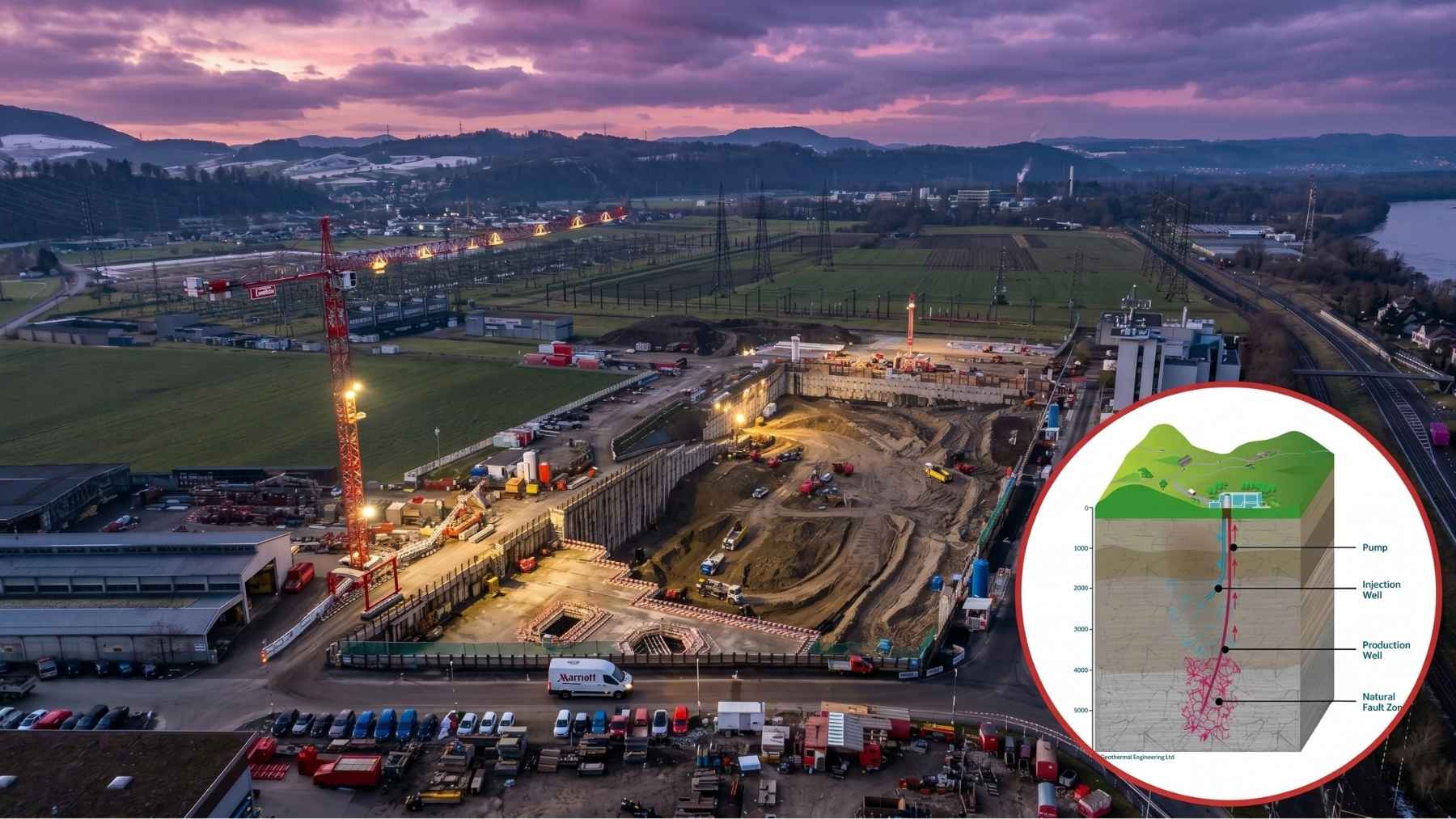
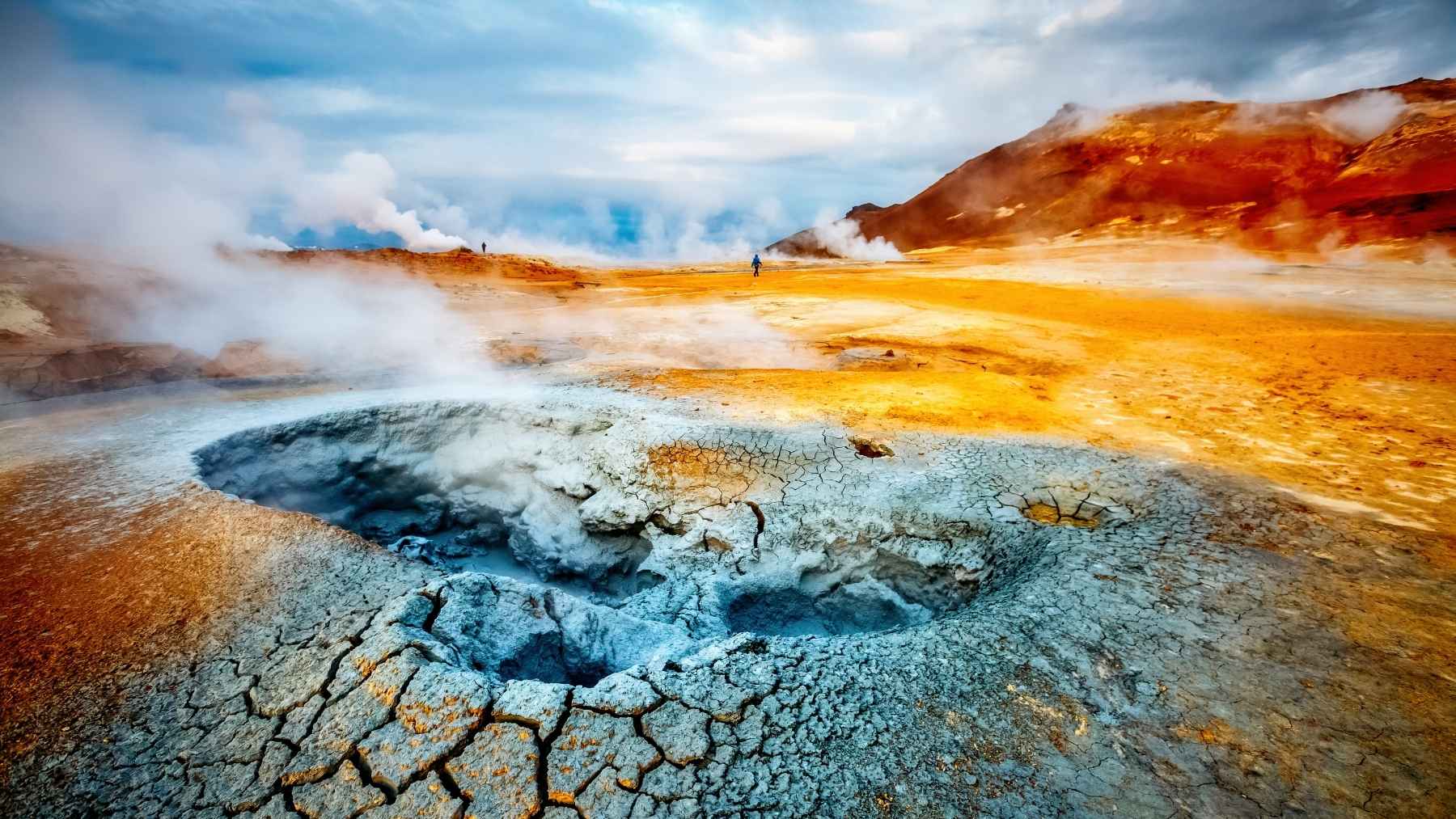
Back in 2008, Iceland’s national power company, Landsvirkjun, started drilling a well in the Krafla caldera as part of the Iceland Deep Drilling Project. The target was supercritical fluid around 2.8 miles (4.5 kilometers) down. It never got there. At roughly 1.3 miles the bit ran into molten rhyolite magma sitting at about 1,650°F (900°C), and that was the end of going deeper. The well, IDDP-1, had drilled into magma three times, gotten stuck twice, and been sidetracked twice before the crew gave up on depth and decided to work with what they had, according to the Clean Air Task Force.
What they had turned out to be remarkable. After cooling the well and letting it recover for months, they flow-tested it from 2010 to 2012 and watched it produce superheated steam at 842°F (450°C) and roughly 140 bar at the wellhead. That made IDDP-1 the hottest geothermal well ever measured, capable of generating about 35 megawatts from a single hole. A normal commercial geothermal well manages a fraction of that.
The trouble showed up fast. The steam carried hydrogen chloride and hydrogen fluoride, which turn corrosive the moment they condense, and after chewing through surface equipment and failing several valves, the well was shut in during 2012. The machine had reached the magma. The magma had the last word.
A hole into magma beats a hole into hot rock
This is where it helps to separate two ideas that get filed under the same word. Most of the geothermal getting attention right now goes after hot dry rock. In Utah, Fervo Energy is fracking heat out of solid rock two miles down and building toward the largest enhanced geothermal field on the planet. In Australia, researchers are making the case for superhot granite that warms itself through natural radioactive decay. Both drill into rock that is hot but solid, then engineer a reservoir by pumping in water.
Krafla is after something different. Conventional geothermal taps fluids around 480°F (250°C), which the University of Alaska Fairbanks volcanologist John Eichelberger has called inefficient next to what a fossil-fuel plant runs on. Magma sits far hotter, up to 2,372°F (1,300°C), and the rock right above a chamber holds water in a supercritical state that carries several times the energy of ordinary steam.
Push more energy into every kilogram of fluid and you need fewer wells to make the same power. That is the entire bet. The project figures a well drawing on near-magma heat could put out up to ten times what a standard borehole does, which is roughly what IDDP-1 hinted at before corrosion ended the experiment.
Drill fewer, bigger wells and the cost math improves too. KMT’s stated aim is electricity at less than 4.3 cents per kilowatt-hour, which is what Iceland’s existing geothermal and hydro plants already charge industrial customers. The point is not cheaper-than-now. It is the same price from a footprint a fraction of the size.
The machine has to survive what killed the last one
The reason this is a testbed and not a power station is that nobody has built hardware that lasts down there. The 2009 well proved the heat is real and the power is real. It also proved that 842°F acid steam at 140 bar treats stainless steel like a consumable. Anything KMT lowers toward the magma, the bits, the casing, the sensors, the cabling, has to handle extreme heat, crushing pressure, and a chemistry that corrodes most metals on contact.
So the first hole is mostly an instrument. KMT plans to set temperature and pressure sensors directly into and around the magma, the first time anyone has measured the stuff in place rather than studying it after it erupts.
The technology list reads like a materials-science wishlist: drilling systems that can reach the magma-rock boundary intact, high-temperature alloys and sensors that keep working in the worst conditions in the crust, and well designs stable enough to hold a hole open next to molten rock. Get any of those wrong and you get another IDDP-1, a record-breaker that dies young.
If it works, the payoff runs past Iceland. Roughly a billion people live within about 60 miles of an active volcano, which means the hardware proven at Krafla could travel to a long list of places sitting on more heat than they can use. The corrosion problem is the gatekeeper. Solve it once, in a controlled hole next to a chamber whose location is already known, and the rest is engineering you can copy.
Two wells, and the question everyone asks
The plan calls for two wells. The first, KMT-1, is the research and monitoring hole, drilled to about 2,100 meters near where the 2009 strike happened and packed with instruments. A second well would come later to test whether a system built next to that heat can actually generate power without destroying itself. The whole drilling operation, once it starts, is expected to take around two months.
When it starts is the moving part. The team has talked about spudding the first well as early as 2026, though more recent reporting from the American Association of Petroleum Geologists points to 2027, and as of late May the project was still raising money and lining up partners. KMT is a nonprofit and has been working to pull together on the order of $105 million to carry the program through 2030.
Then there is the question everyone asks first. Does drilling into a magma chamber set off an eruption? The short answer, from the people running the project and from the physics, is no. When magma flowed into the 2009 well it hit the cold drilling fluid and froze into volcanic glass, plugging itself rather than blowing out. The same thing has happened in accidental magma strikes in Kenya and Hawaii. A chamber this size does not notice a hole the width of a dinner plate.
For now the work is happening in conference halls, not boreholes. This month KMT’s CEO, Björn Þór Guðmundsson, and its funding chair are at the World Geothermal Congress in Calgary as part of the Icelandic delegation, looking for the partners and money to put steel back into the ground.
Guðmundsson has called the plan “the first journey to the center of the Earth,” which is the kind of line that sounds like marketing until you remember a well already reached the magma once and lived long enough to break a record. The hard part was never getting down there. It was building something that could stay.