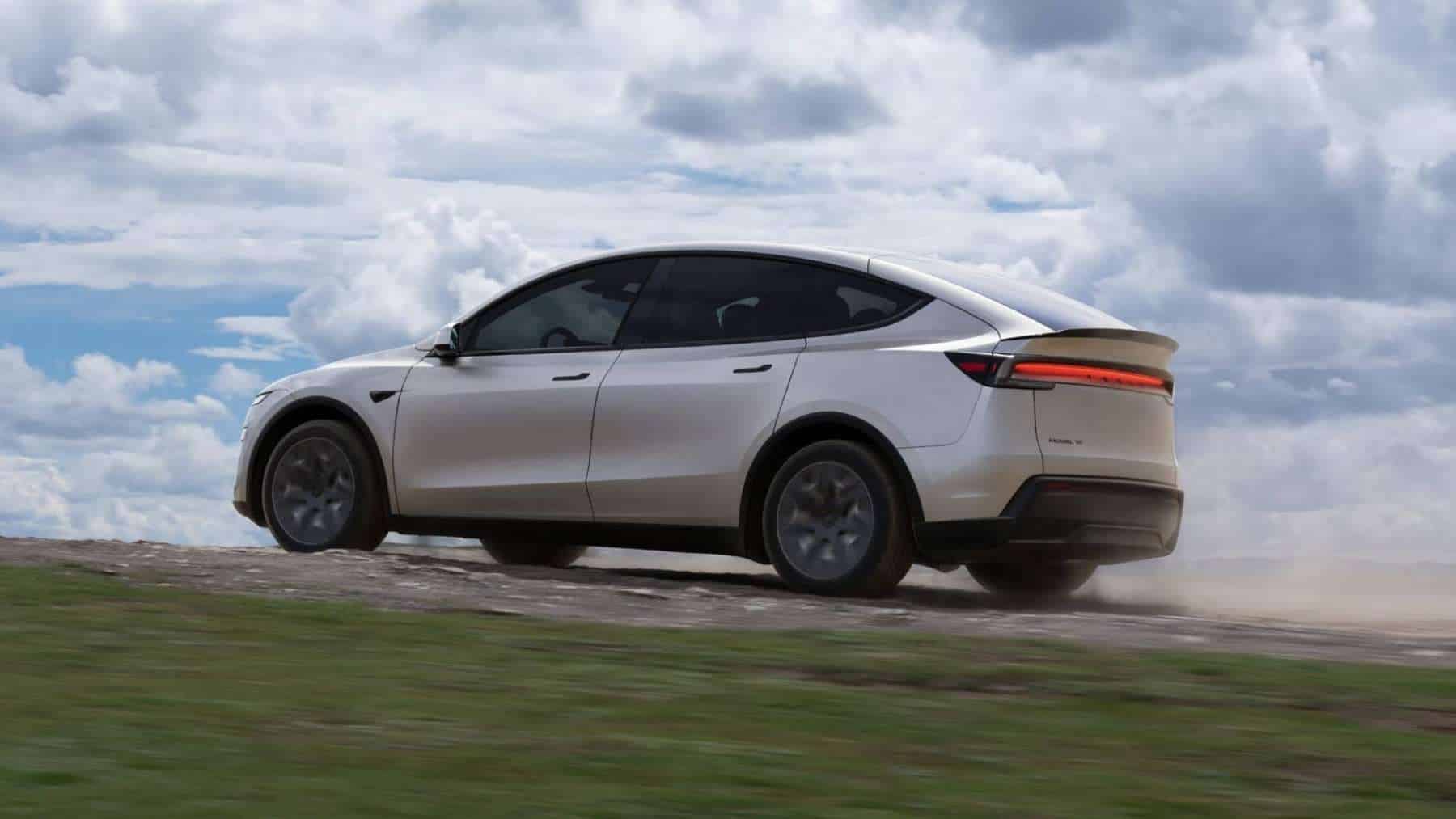

Tesla is losing ground in the Chinese EV war.
Tesla has long been a major player in China’s electric vehicle industry, one of the key markets you wanna have. In 2025, Tesla was the automaker with the fourth-highest sales in the country. With 626,498 sales, it had a 4.8% market share. Tesla was only behind BYD, Geely, and Wuling. While some Chinese drivers have sued Tesla for lying about Full Self-Driving mode, most have fallen under Tesla’s spell (as they have over in the United States).
But things are taking a huge turn. In the first nine months of 2026, Tesla sold 381,088 to Chinese buyers. This is an 11.9% decline.
Tesla sees sales decline in China
Tesla’s numbers from 2026 are the lowest it has seen in the past four years. Even worse, it seems the interest has been dwindling as 2026 goes on. Q3 saw China’s sales drop by 16%, with July seeing a 33% decline compared to the year before.
But is China actually losing momentum in China?
Like the United States, China has been seeing a decline in EV sales in general. New electric vehicle sales were down 12.8% through September after the purchase tax exemption was cut in January 1. Sound familiar? After President Donald Trump cut the tax incentive for buying new EVs in the U.S., EV sales plummeted by 30.7% in the first nine months of 2026.
However, Q3 saw China’s EV market decline by 10%. Tesla saw a 16% decline. In other words, Tesla has been declining rapidly on its own.
It’s still too early to say whether Tesla is losing its popularity in China, especially given the increase in domestic sales in September. Tesla saw its sales rise by 29.6% in September, reaching 64,837 vehicles. This lifted its shares by an entire percentage point, hitting 6% and moving it up in the market share rankings. China only trails BYD, Geely, and Leapmotor.
Leapmotor?? Where did they come from? But that’s the thing. As Chinese drivers are given more and more cheap electric vehicle options, Tesla is going to lose some customers. It only has the Model 3 and Model Y to choose from, while BYD, Xpeng, and other Chinese automakers release a new model practically every few months. In a country known for its ever-changing technology, Tesla’s two models feel a bit old. Even in the U.S., Americans have started noticing that they really don’t change year after year.
Tesla’s export model could be in danger, too
Chinese buyers currently make up just 29% of Tesla’s wholesale volume.
Meanwhile, Tesla’s Giga Shanghai facility has seen a massive increase in exports. This has more than doubled since last year, reaching 361,972 shipped vehicles.
CEO Elon Musk opened Giga Shanghai in January 2019, with the initial focus of creating “affordable cars” that were “made on the same continent as customers.” However, the focus shifted by 2020, with Giga Shanghai shipping out Model 3s for Australia, New Zealand, and Europe. By 2026, it also ships to Asia-Pacific and Canada, though the latter is still limited.
This may sound like a win, and it largely is. But exports from China are about to cost Tesla big time. Beijing cut the country’s battery rebate from 9% to 6%, and it will drop to zero by January 1, 2027. This means automakers will face an extra 4% export value on every EV they ship out of China. This could mean $600 million in extra fees each year if Tesla keeps exporting vehicles at this rate.
In other words, this business model is about to be a bit painful.