
The electric vehicle market has been sort of a disaster in the United States. Ever since the federal government killed the $7,500 incentive at the end of September 2025, buyers have hit the brakes, forcing automakers to dramatically pivot their plans. Many companies went from going all-in on electric to sports cars, hybrids, and pickup trucks.
The numbers are genuinely embarrassing. One in four new cars sold worldwide in 2025 was electric, per IEA data. In the US? 7.8%, down from 8.1% the year before. We’re going backwards.
California, unsurprisingly, has opinions about this. On Monday, Governor Gavin Newsom signed SB 168 into law, creating a $3,500 instant rebate for first-time EV buyers in the state.
Newsom didn’t exactly mince words, accusing the president of trying to “surrender the clean car industry to China on a silver platter.” His office says the new program will make it easier for families to drive clean and keep money in their pockets, starting later this summer.
California’s new $3,500 EV rebate
The program is called MyFirstEV, and the funding structure is a two-way bet. The state puts up $135.5 million, and participating automakers match it dollar for dollar, bringing the total pot to about $270 million.
The best part, in my opinion: it’s an instant point-of-sale discount. California’s old rebate program made you apply and wait for a check. This one comes off the price at the dealership before you drive away. Novel concept.
The guidelines are actually less strict than the previous program:
- $3,500 off new EVs with an MSRP up to $50,000
- $1,750 off used EVs sold for up to $25,000
- First-time ZEV buyers only
- No income cap — eligibility is gated by vehicle price, not household income
- Instant discount at participating dealerships, no applications
- California residents only
The money runs until it’s exhausted, per CARB, and we don’t know yet which automakers are actually participating. The agency says it hopes to announce the list next month. Remember that detail. It matters in a minute.
For context, California’s previous rebate program ended in 2023 after spending $1.49 billion to subsidize 586,000 EV purchases over a decade. This one is smaller, but it’s the centerpiece of a broader $600 million zero-emission package in the new state budget.
The Rivian and Lucid loophole
Now for the spicy part. That $50,000 cap is waived entirely for vehicles from automakers headquartered in California as of January 1, 2026.
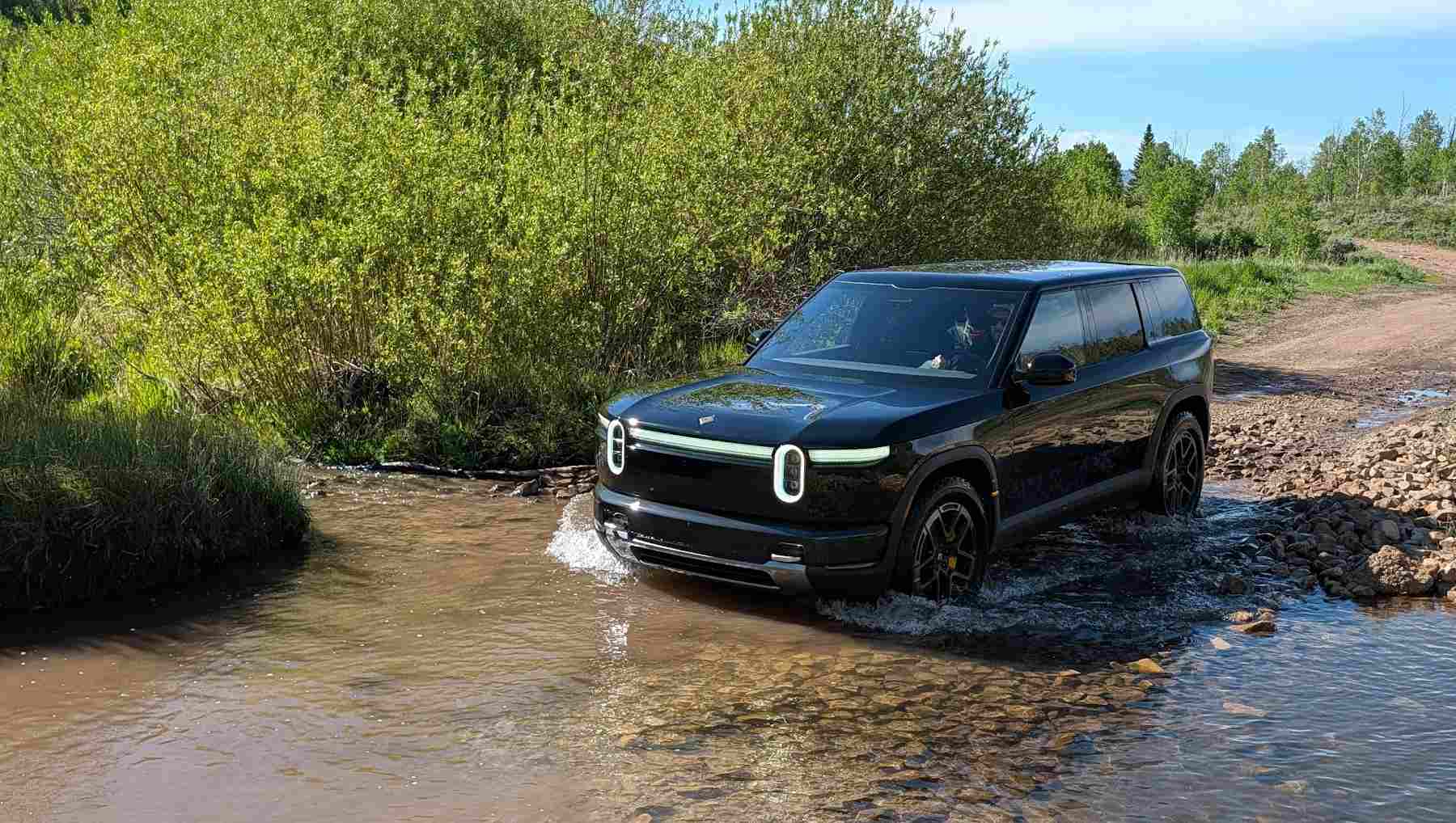
That means Rivian, based in Irvine, and Lucid, based in Newark, get the $3,500 rebate on every single model they sell. Which these two brands very much needed, since their cheapest vehicles sit well above $50,000.
The funny part? Neither Rivian nor Lucid actually builds its cars in California. Rivian manufactures in Illinois, Lucid in Arizona. The law rewards where a company plants its headquarters flag, not where the factories are. Keep that in mind for the next paragraph.
Sorry, Tesla. Austin was a choice
While you probably assumed Tesla was part of that exception, it’s not. Tesla moved its corporate headquarters from California to Austin, Texas in December 2021, back when Elon Musk was feuding with the state.
Here’s what makes it deliciously ironic: Tesla still builds more than 500,000 vehicles a year at its Fremont factory. In California. Doesn’t matter. Headquarters rule.
So Tesla only qualifies on models under $50,000, and only if it opts into the program at all, since participating automakers have to cover half of each rebate. The Model Y Premium AWD squeezes right under the cap. The Model 3 Performance, at $54,990, misses it.
And I know you were dying for it, but no, the Cybertruck is not part of the program. I know, I know. Don’t cry too hard about it.
What $46,500 actually buys you
The good news is that plenty of mainstream EVs live comfortably under that $50,000 line. The Chevy Bolt starts under $30,000. The Hyundai Ioniq 5 is around $35,000, the Mustang Mach-E around $38,000, and Chevy’s Equinox and Blazer EVs both fit too. Knock $3,500 off any of those and the math starts looking very reasonable.
It’s a big move for a state that already runs its evening grid on giant batteries, and it lands while the White House and Sacramento are still in court over California’s 2035 gas car phase-out. This rebate is round two of that fight, just with cash on the hood instead of lawyers.
Can’t wait until late summer? There’s exactly one screaming EV deal in America right now: Polestar is liquidating its US inventory with up to $25,000 off before its own exit. Different kind of incentive, same wallet relief.
So California families get $3,500 toward their first EV, Rivian and Lucid get a golden ticket, and Tesla gets a very expensive lesson in real estate decisions. The only question left: how fast does $270 million run out when the discount is instant?