
If you lived in California any time over the past few years, you got the texts. Flex Alerts pinging your phone on a hot afternoon, asking you to hold off on the dishwasher, nudge the thermostat up a couple degrees, and whatever you do, please don’t plug in the EV until things cool off after 4. The grid was the fragile thing you tiptoed around. So it lands a little strange to learn that on a Sunday evening in late March, that same grid pulled off something that would have sounded like fan fiction back when those alerts were arriving every August.
For the first time, California’s fleet of grid batteries shoved just over 12,000 megawatts onto the system at once. Inside Climate News put it in terms a normal person can actually picture: the batteries discharged power “equivalent to 12 large nuclear plants.” It happened right at 7 p.m., the exact hour the grid usually starts sweating, and for that stretch the batteries covered more than 40 percent of everything the state was pulling.
The record landed at the worst hour of the day, which is the entire point
Seven in the evening is where California’s grid has always gotten interesting, and not in a good way. Solar floods the system all afternoon, so much of it that wholesale prices sometimes go negative around noon. Then the sun drops, fast, right as people are getting home, switching on the AC, starting dinner and plugging in their cars. That evening ramp is the steepest part of what grid people call the duck curve, and for years it was the slot where natural gas “peaker” plants earned their paychecks, spinning up for a few expensive hours to cover the gap.
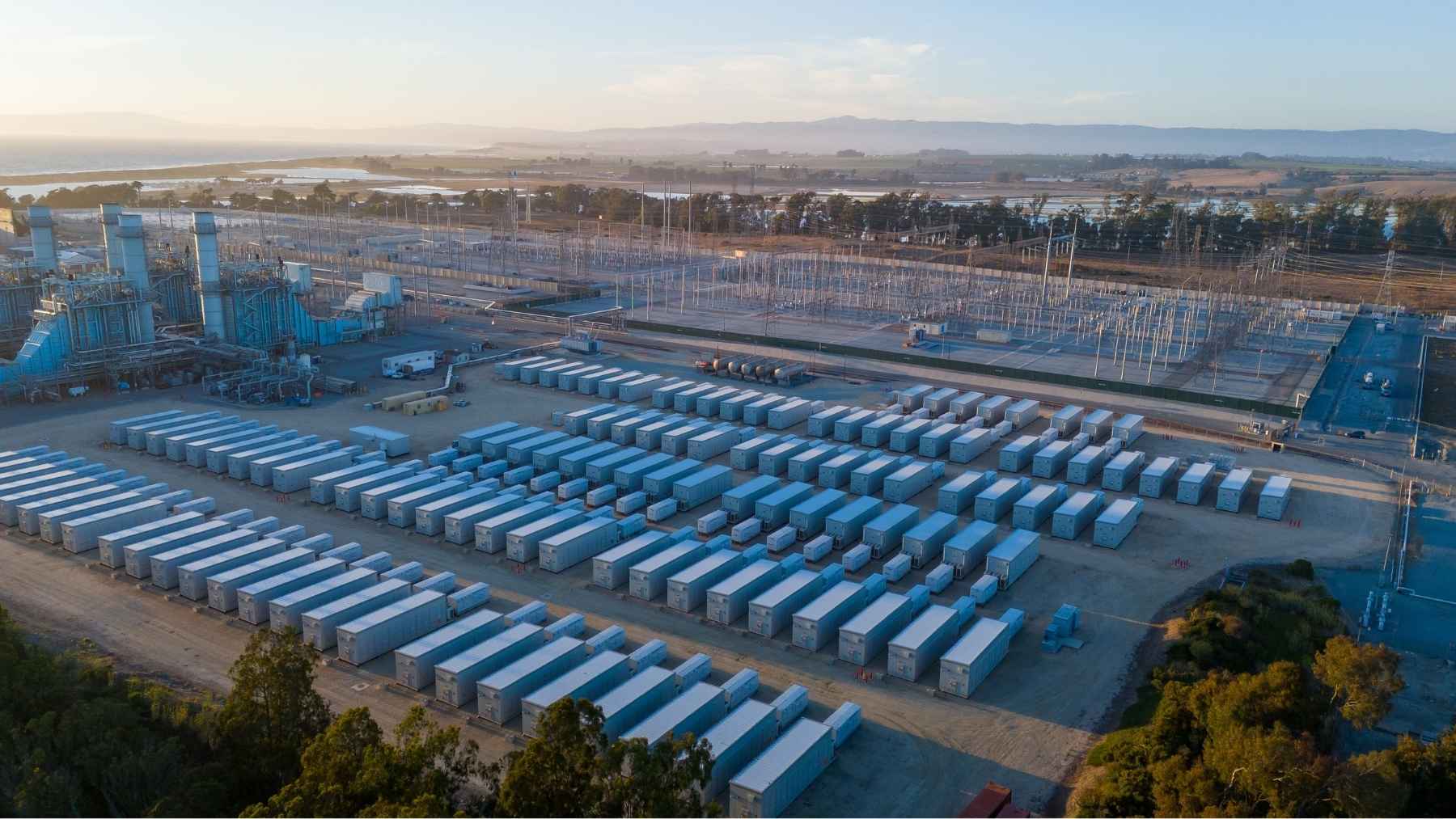
Batteries are built for exactly that gap. They drink up the cheap, surplus solar in the middle of the day, sit on it, and fire it back when demand spikes after sundown. According to the data tracker Grid Status, the fleet peaked at 12,293 megawatts at 7 p.m. on March 29, which worked out to roughly 44 percent of demand at that instant. Ed Smeloff, an energy consultant with GridLab who follows California’s grid week to week, told Inside Climate News the state has swung remarkably fast from leaning on gas in the evening to leaning on batteries, which now cover as much as 40 percent of that peak. You can watch the same handoff play out in close to real time on CAISO’s public supply dashboard.
Twelve nuclear plants, six Hoover Dams, take your pick
Every big grid number gets a yardstick, because raw megawatts mean nothing to most of us. Inside Climate News went with a dozen nuclear plants. Nicolas Fulghum, a senior energy analyst at the think tank Ember, reached for six Hoover Dams, and noted the output briefly topped the all-time peak demand of an entire country like Portugal or Greece, per Fast Company. Both are fair. Both are also describing a single instant, and that distinction matters more than the comparison does.
A nuclear reactor runs flat out roughly nine days in ten, all year, in the dark, in a storm, at 3 a.m. The battery fleet hit 12,293 megawatts for the evening peak and can hold something like that for around four hours before it runs dry, since California’s grid batteries are mostly built to a four-hour standard. After that they need the next day’s sun to refill. It is genuine, enormous muscle, but it is muscle for the evening rush, not round-the-clock baseload. Which is the part to keep straight before anyone announces that batteries have replaced the gas fleet for good.
The comparison gets even stranger when you remember California runs exactly one nuclear plant now. Diablo Canyon, two reactors on the coast near San Luis Obispo, puts out about 2,200 megawatts and supplies around 9 percent of the state’s power on a typical day. So for a few hours that Sunday, the batteries were pushing out several times what California’s entire nuclear operation produces. Diablo’s own future is a saga of its own: the federal Nuclear Regulatory Commission just relicensed the plant through 2045, while a state law still caps it at 2030 unless Sacramento votes to extend.
Batteries got stupid cheap, and California went on a shopping spree
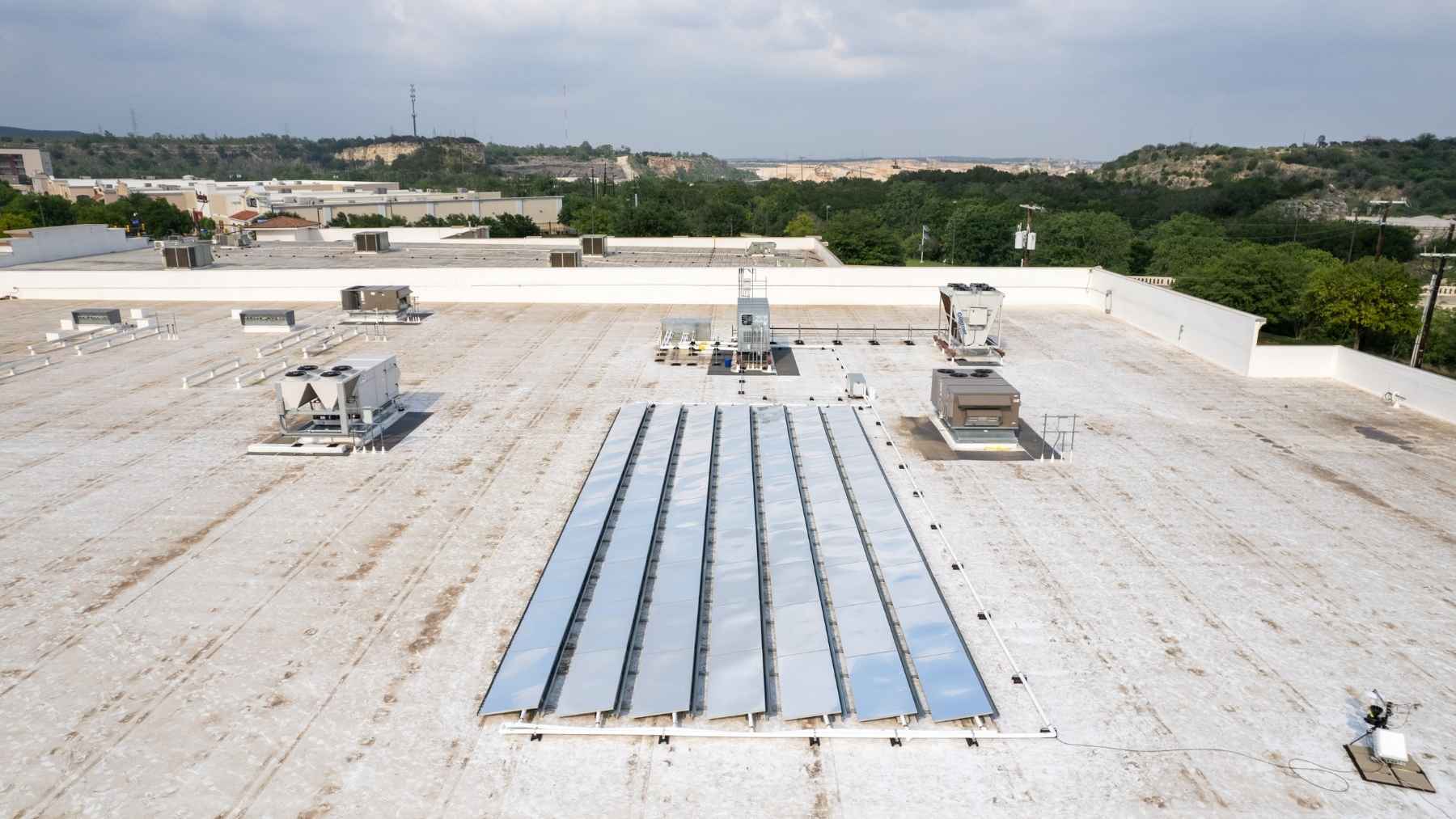
None of this would have been remotely affordable a decade ago, which is the real story sitting underneath the record. Battery cell costs have dropped something like 99 percent over the last three decades, and roughly a third in just the last few years, Fulghum told Fast Company. Solar panels have fallen more than 90 percent, and by 2024 a new solar project was on average about 41 percent cheaper than the fossil-fuel alternative. Cheap sunlight plus cheap storage is a combination that finally pencils out, and California bought it by the boatload.
The buildout numbers are almost comical. State battery capacity hit 15,763 megawatts by May 2025, up 1,944 percent from a piddly 770 megawatts in 2019, and it has kept climbing since. The bulk of that is grid-scale, not the Powerwall on your neighbor’s wall. A lot of it is the same Tesla Megapack hardware turning up at substations from the Mojave to the Australian outback. And it isn’t all lithium. Outside Manchester, a British outfit is banking surplus renewable power as frozen air in insulated tanks, chasing the same evening-gap problem from a completely different direction.
Your car is tangled up in this more than you’d think
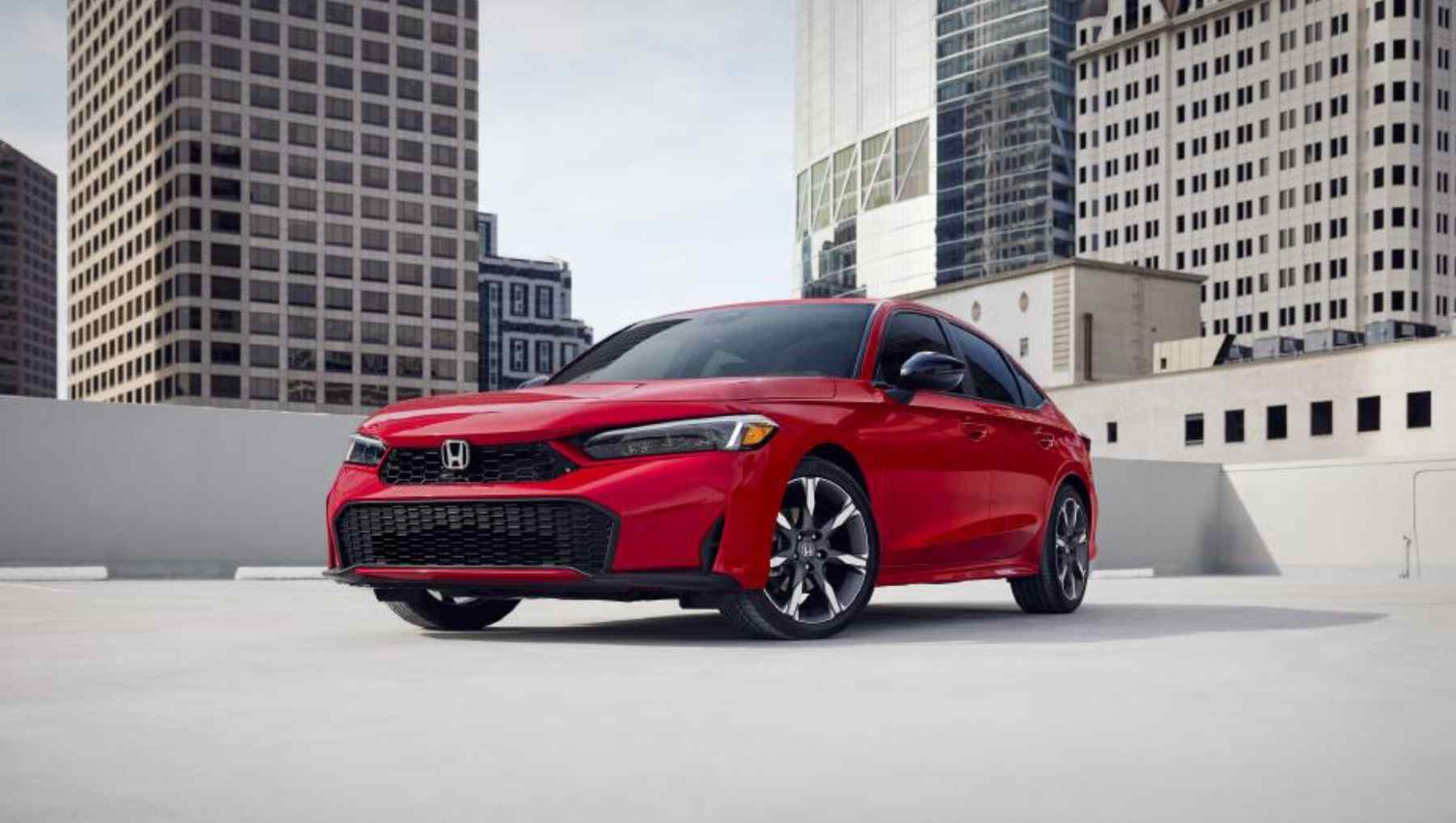
Here is where it loops back to the driveway. The same electrification everyone keeps cheering, EVs, heat pumps, induction ranges, is exactly what is going to make that 7 p.m. peak bigger and meaner. Smeloff expects serious load growth through 2035, driven by transportation and building electrification, and that’s before the data centers. California’s energy commission figures large data centers could add about 4,000 megawatts of demand by 2035, with an interconnection queue showing as much as 16,000. More stuff drawing power in the evening means more storage has to show up to cover it.
The flip side is that your car could eventually join the fleet doing the covering. California is already chewing through a bill that would let homeowners rent the battery in their garage to the grid, and for now, among Teslas, only the Cybertruck handles bidirectional charging while the Powerwall has been feeding utility programs for years. The short version: the battery that just out-muscled a dozen reactors and the battery sitting in your garage are starting to be the same conversation.
Washington is pulling the rug, but it mostly missed the batteries
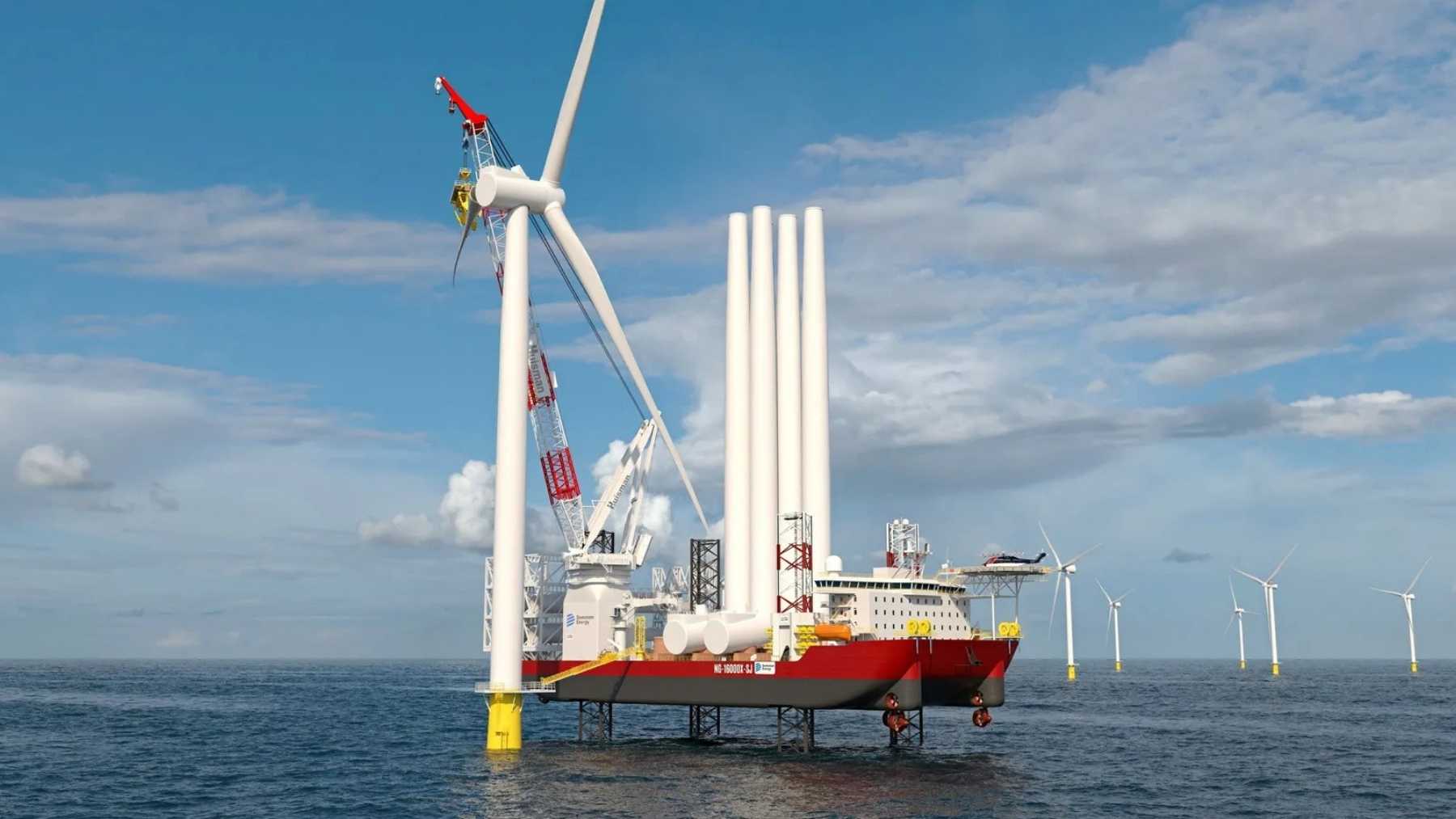
It would be a cleaner story if the federal government were cheering all this on. It isn’t. The budget bill Congress passed last year phased out the tax credits for wind and solar, and the way it’s written, any project not finished by the end of 2030 loses incentives worth up to 30 percent of its capital cost, Smeloff explained to Inside Climate News. The Trump administration has also gone after offshore wind and ordered shuttered oil pipelines to reopen. For a clean-energy buildout, that’s a real headwind.
The wrinkle is that the same bill left the investment tax credit for batteries in place through 2032. So the one technology that just had its breakout evening is also the one Washington more or less left alone. Solar is cheap enough at this point to keep rolling under its own momentum. The piece genuinely in trouble is offshore wind, the most expensive and most federally dependent corner of the whole plan, and the one Smeloff flagged as the most exposed.
So picture the Flex Alert era again, the one where the grid was something you apologized to. The honest update isn’t that California stopped having an evening problem. Seven o’clock is still the hour the system leans hardest, and the cars and data centers coming online are going to lean on it harder. What changed is who shows up to cover that hour. For years it was a gas plant firing up for a few pricey hours. On that Sunday in late March it was a few thousand megawatts of batteries that had spent the afternoon quietly drinking sunlight. Whether the state can keep pace as demand climbs is a fair question, and the offshore-wind mess suggests the easy stretch might be behind it. But the next time your phone buzzes with a conservation alert, it’s worth remembering the grid now has a 12,000-megawatt answer it flat out didn’t have a few springs ago.