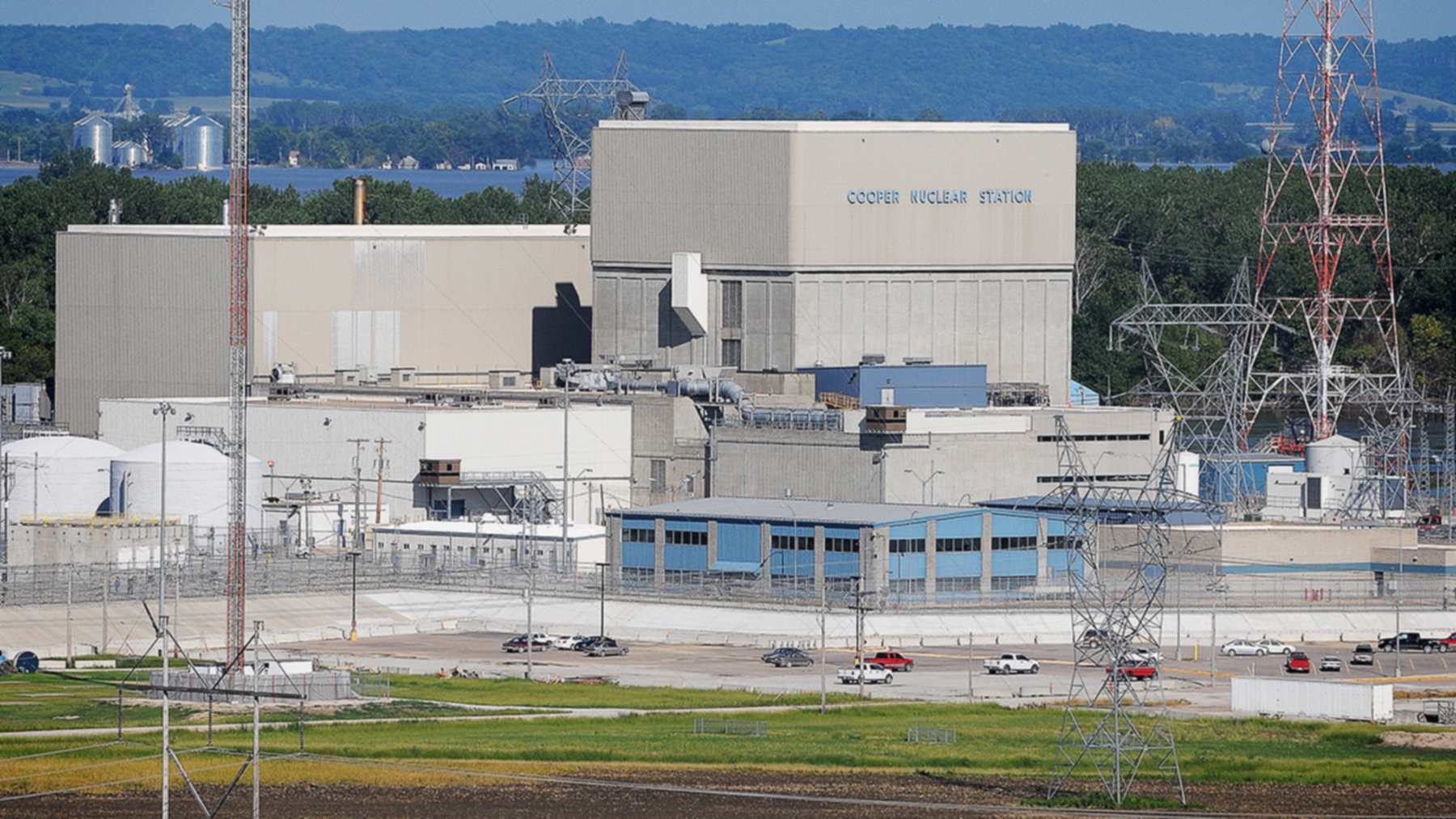

- 2 MONTHS AGO · ENERGYBritain is dropping 14 modules of 17.6 tons apiece and a 60.6-ton gantry crane into the building that replaces the filter cleaning its most hazardous nuclear site, now three quarters built — the old one was designed for 25 years, has run 41, and nothing takes over until 2030
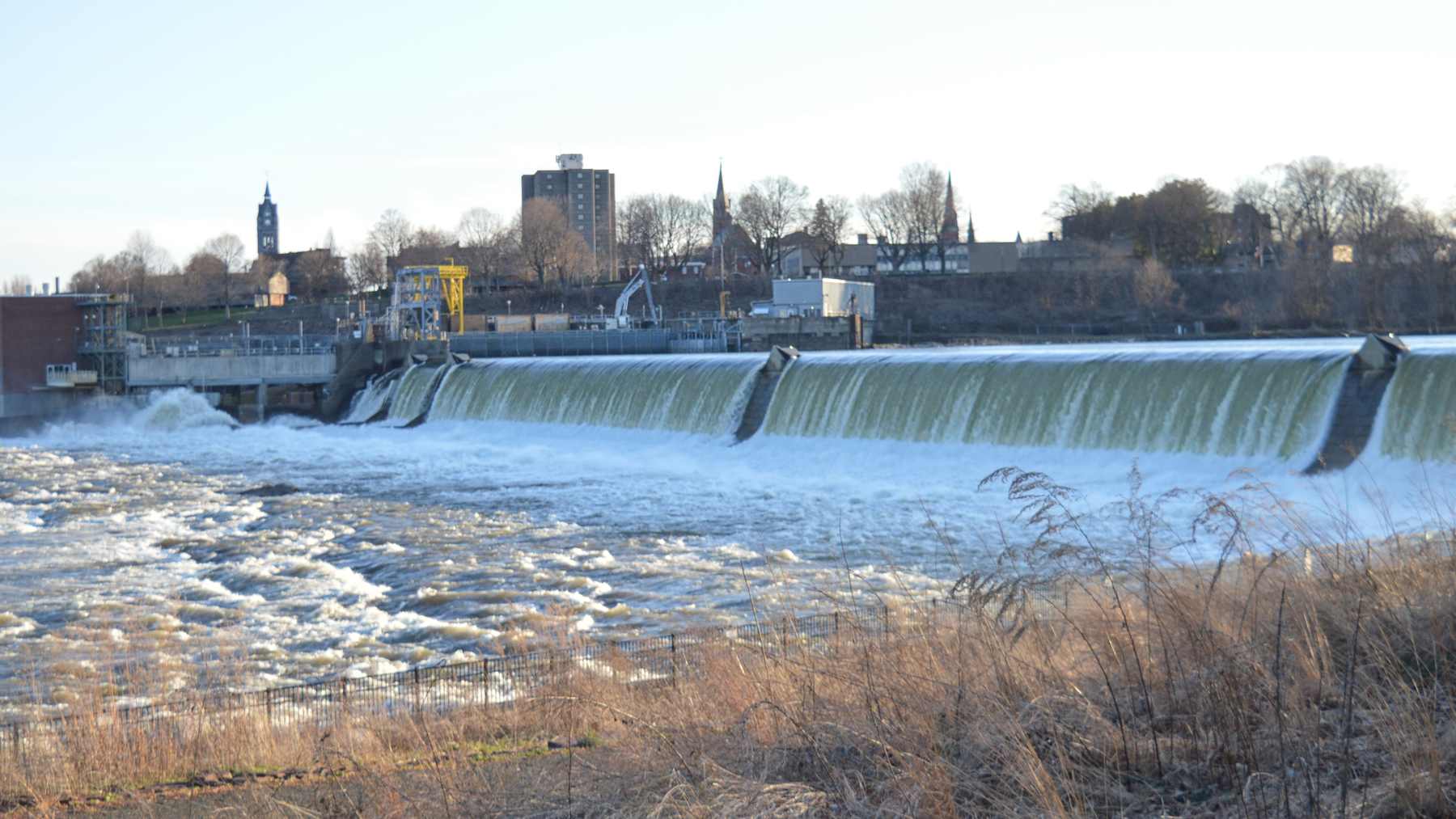
- 2 MONTHS AGO · ENERGYA generator rotor spinning 3,000 times a minute inside a Finnish reactor failed, got replaced with the last spare in the building, and that one failed again seven months later, so the unit has run at 735 megawatts instead of 890 ever since, and the redesigned one is not due until late 2027
- 4 WEEKS AGO · ENERGYThree 365-ton steam generators, each as tall as a six-story building, crossed the world by ship and rode a river barge and a special trailer into a French nuclear plant, where they’ll sit in storage until the reactor shuts down for an eight-month overhaul
- 4 WEEKS AGO · ENERGYFour 474-ton steam generators sailed around Spain and Portugal to reach a nuclear plant on the French coast, then crawled the last 22 miles by road over three days, an inch from a roadside cross, and will sit in storage for a year before the reactor shuts down to take them
- TODAY · THIS ARTICLEAn 882-ton boiler, one of eight at a closed nuclear plant on the English coast, is slated to be jacked and slid out of its bay under a contract announced late last month, a job meant to take away about a third of the buildings still standing on the site
There’s a reason movers don’t carry a refrigerator across your kitchen. They tip it back, get a dolly or a flattened cardboard box under it, and slide it. Lifting is what you do when you’ve run out of better ideas.
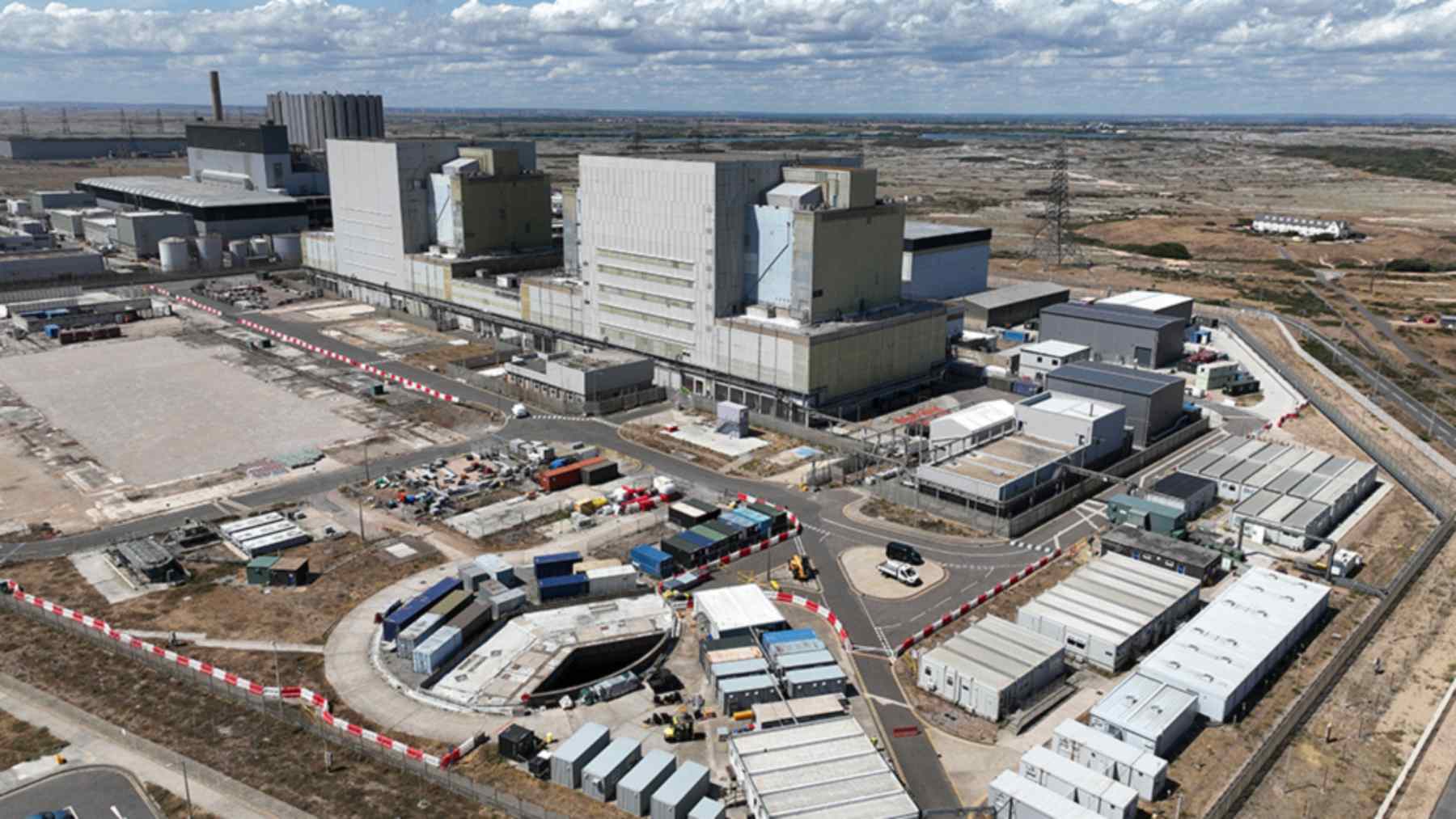
The people taking apart Dungeness A, a retired nuclear power plant on the southern tip of Kent in England, are apparently planning the same trick. Their refrigerators are boilers, though. There are eight of them, and each one weighs around 800 metric tons, which works out to about 882 tons apiece.
On October 28, Nuclear Restoration Services (NRS), the government-owned company that decommissions Britain’s first generation of nuclear plants, said it had hired Aureos to get them out. The contract runs up to £190 million, and it covers the boilers plus the plant and infrastructure attached to them. Aureos is the company formerly known as Keltbray Infrastructure Services.
I should say up front that no one has jacked or slid anything yet. This is a contract announcement. NRS hasn’t given a start date, and it hasn’t said how long the job will take.
So what’s a boiler doing in a nuclear plant?
Dungeness A ran two Magnox reactors, an early British design that used gas instead of water to carry heat away from the core. That gas was carbon dioxide. It got pushed through big steel boilers, and the boilers turned water into steam to spin the turbines.
So these aren’t anything like the boiler in your basement. They’re basically giant heat exchangers, and each reactor had four of them. If that sounds familiar, it’s pretty much the job steam generators do in newer water-cooled plants, like the 474-ton units that sailed around Spain and Portugal to reach a French reactor last month.
The difference is that Dungeness A’s boilers have been in place for a very long time. NRS says the first one arrived on site in 1962. The plant started sending power to the grid in 1965 and shut down on December 31, 2006, according to the Office for Nuclear Regulation (ONR), Britain’s nuclear safety regulator.
How big are we talking?
An earlier procurement notice for the job estimated each boiler at about 23 feet across and 69 feet long. That same notice put them at roughly 700 metric tons (about 772 tons), so the weight figure has gone up a bit since. I can’t tell you whether that’s a better measurement or just a more cautious estimate. NRS’s current number is around 800 metric tons, and that’s the one I’m going with.
Jack and slide is pretty much what it sounds like
NRS plans to move the boilers with what it calls a jack-and-slide system, and it hasn’t published the details of its setup. The general idea isn’t that complicated, though. Hydraulic jacks raise a heavy load a little at a time, steel beams or track go in underneath, and hydraulic rams push the whole thing along that track instead of hanging it from a crane.
Basically, it’s the refrigerator-and-cardboard method with a lot more hydraulics. It’s slow, and frankly that’s kind of the point. When you’re shifting something that heavy inside an old building, slow and controlled is pretty much the only speed you want.
What happens once they’re out is less clear. The earlier procurement notice talked about laying the boilers down and putting them in weatherproof storage, which suggests they might not travel very far at first. That’s my read of the paperwork, not something NRS has said about this contract.
Britain takes its time with old reactors
This is where the British approach looks pretty different from what you see in the US. Nebraska’s Fort Calhoun Station went from shutdown to substantially demolished in about a decade. Dungeness A stopped generating almost 20 years ago and still has a lot of its big buildings standing.
That’s on purpose. All the fuel was out of both reactors by 2012 and went to Sellafield for reprocessing, according to the ONR. After that, the plan is to strip the site down and put it into what’s called a deferral period (it used to be known as care and maintenance). The reactor buildings stay put in a safe, secure state, and the final teardown waits. The site’s environmental management plan expects that period to last 60 years.
The boilers belong to the stripping-down part. The plan was updated a few years ago with a new strategy for removing them and their annexes, and NRS says that once this contract is finished, roughly a third of what’s standing above ground at the site will be gone. That should shrink the site’s footprint and cut down on upkeep.
It’s an arguably unglamorous reason to spend up to £190 million, but it makes sense to me. Every building you leave standing for six decades is a building someone has to keep weatherproof, and the plan already mentions possibly recladding the reactor buildings during that stretch.
Dave Evans, the Dungeness A site director, called the contract “the beginning of one of the most significant stages” in the site’s decommissioning. That’s a fair way to put it, since a contract really is a beginning and not the move itself. NRS says four years of prep work at the site came before the award.
Dungeness is a pretty odd spot for a power plant
The plant’s site covers about 49 acres right on the coast, next to what Construction Management, a UK trade magazine, describes as one of Europe’s biggest stretches of shingle. If you haven’t run into the word, shingle is basically a beach made of pebbles instead of sand.
The ONR says the surrounding area carries three separate nature designations. I’d guess that doesn’t hurt the case for easing the boilers out on jacks rather than doing anything louder.
According to the site’s latest environmental management plan, NRS expects the whole preparation phase at Dungeness A, boiler removal included, to wrap up by 2033. After that, the two reactor buildings get to sit quietly on the shingle for about 60 years.
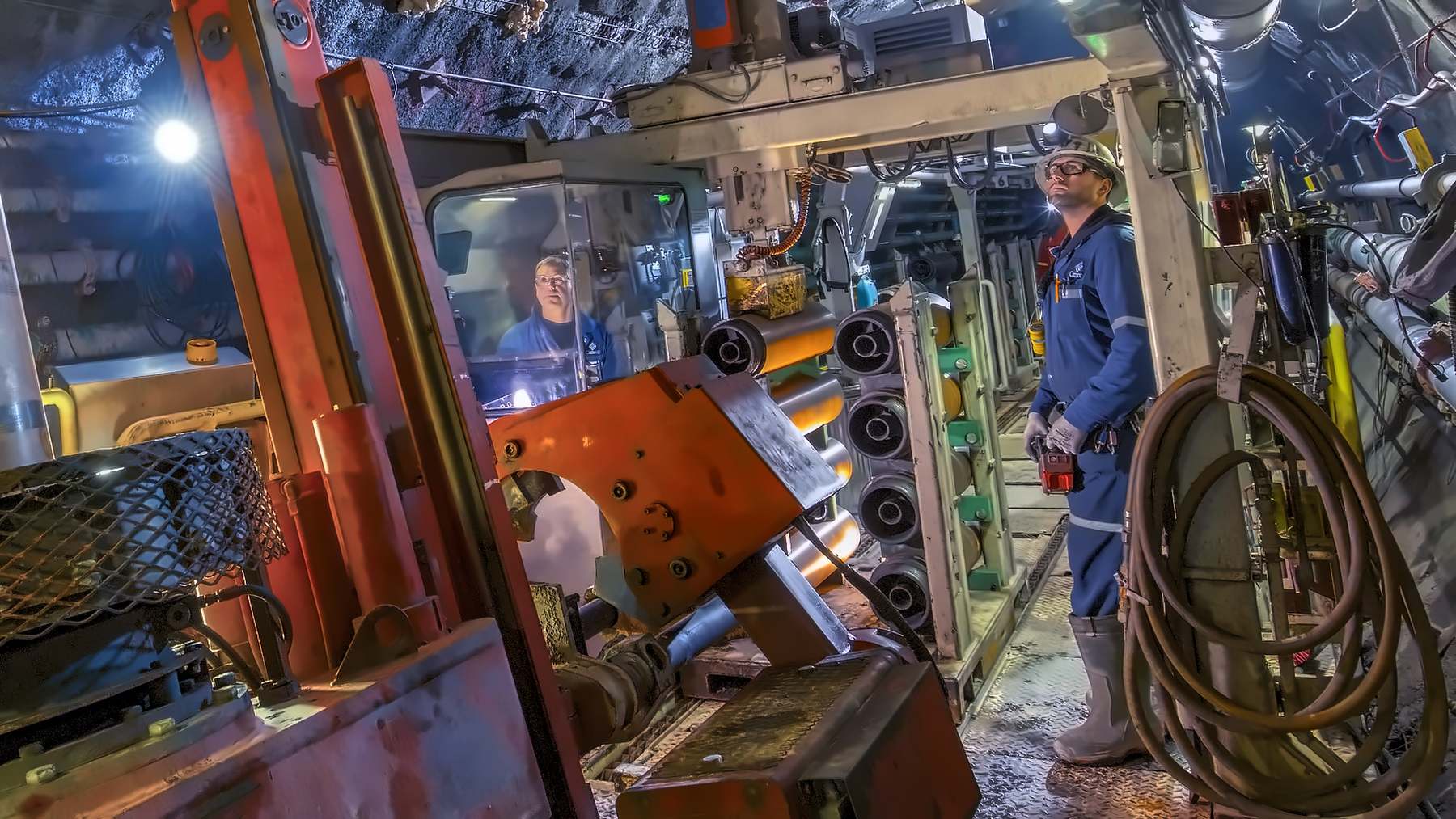
 A 216-foot steel vessel 60 feet high is being assembled nearly a mile underground in South Dakota, one of two tanks that will take 2,600 beams lowered one by one down a shaft and will each hold about 17,000 tons of liquid argon at about 300 degrees below zeroEnergy · 2 hours ago
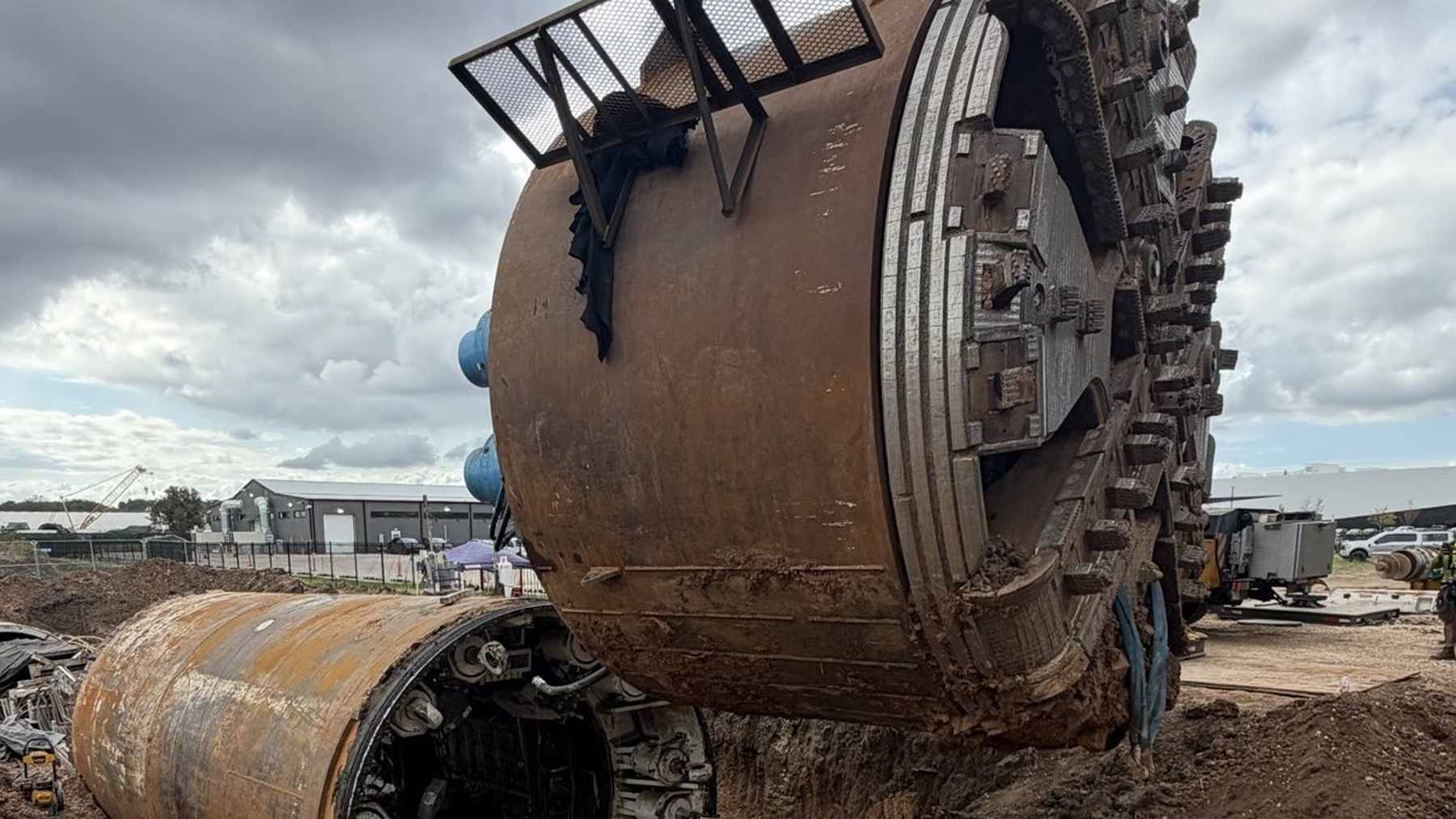
 A 23-foot-wide steel platform on three 90-foot piles driven 45 feet into the bed of a Massachusetts canal lowers tidal turbines up to 10 feet across into a 4-knot current on a lifting arm, then raises them back out of the water so engineers can service them dryEnergy · 1 day ago
 A 1-megawatt reactor that rode a flatbed more than 1,000 miles from a Los Angeles suburb to an 80-foot concrete dome in Idaho has been approved for a test no microreactor has been cleared for before, 60 days at full power with at least 150 hours untouched, and it still has not been fueledEnergy · 1 day ago