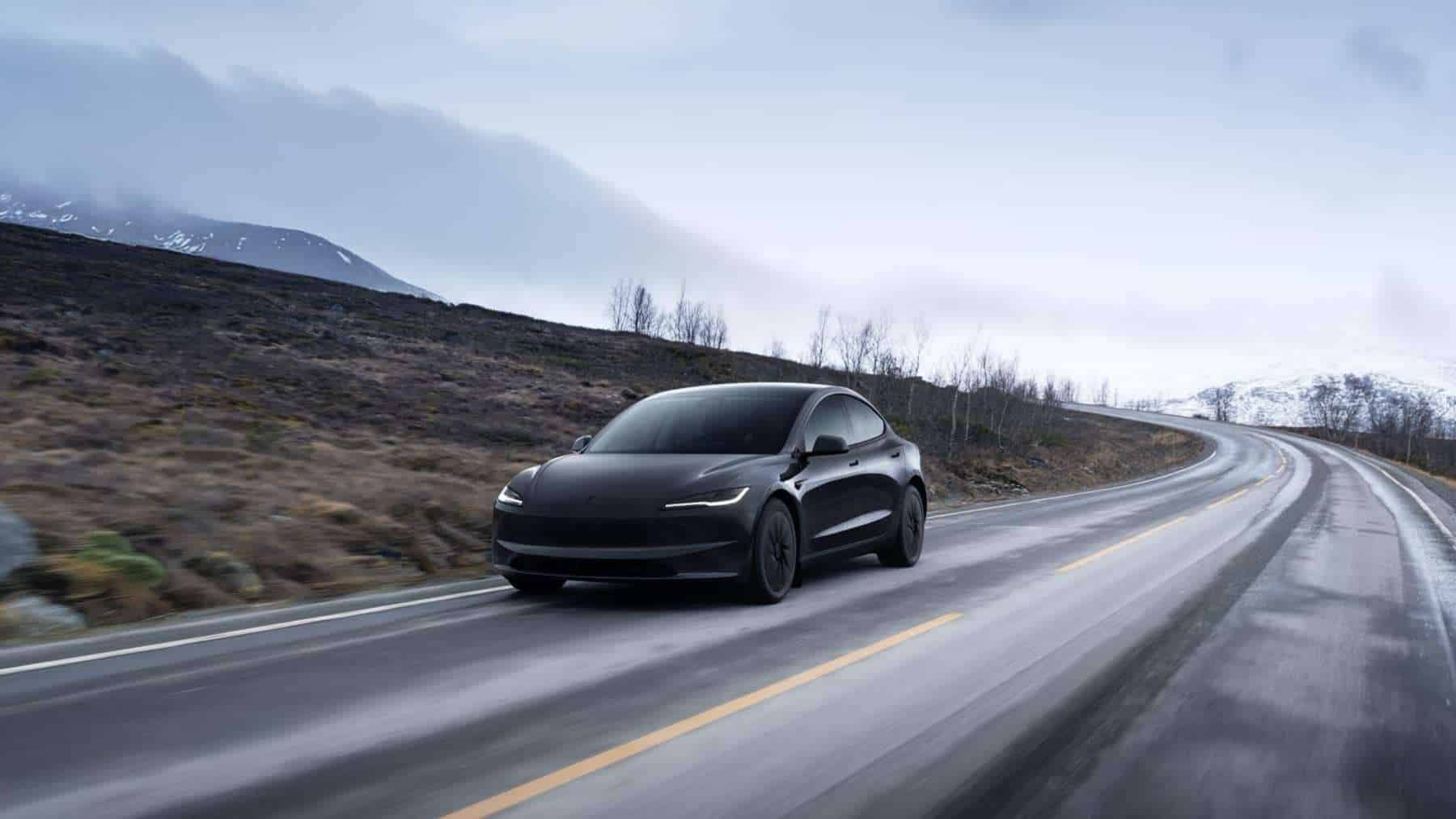

Yet another country has been misled by Tesla’s Full Self-Driving mode claims.
I have to be honest, I don’t hate FSD as much as I sound like I do. I think, for a Level 2+ driving-assistance program, it’s actually pretty impressive. Driving you to your destination and parking the car is really neat. I don’t think anyone would argue it’s not a good thing to have.
However, the issue comes with CEO Elon Musk’s continued exaggerated claims about FSD. It’s been over 10 years since he claimed Tesla would be autonomous. During this time, drivers have continued to purchase Tesla vehicles and FSD add-ons under the assumption that their vehicle will eventually drive itself.
Tesla has even promoted the idea that a blind person should drive a Cybertruck with FSD, even though the camera-only driving assistance system can’t properly detect things depending on the time of day or angle.
Earlier this year, Musk finally admitted that vehicles equipped with HW3 would never be autonomous. People with HW3-equipped Teslas were told they could buy a whole new vehicle at a discount (which never came) to get the latest FSD updates. However, those are not autonomous either. In the United States and China, Tesla owners have been attempting to sue Musk for claiming that his vehicles would offer autonomous driving.
South Korea’s beef with FSD
Now, South Korean Tesla owners have joined the growing number of people fed up with Tesla’s ongoing false claims.
According to Reuters, Tesla has misled “tens of thousands of South Korean customers” by marketing FSD despite knowing it’s not legal to use in most of the country. FSD is allowed on only 20% of Tesla vehicles registered in South Korea: those manufactured in the United States.
Meanwhile, most Teslas in the country are manufactured in China. The EV company has sold over 170,000 of its Chinese-made vehicles to South Korea over the past few years. It’s currently unknown how many of these vehicle owners also purchased FSD.
Tesla only started the process for obtaining FSD certification for these Chinese-made vehicles very recently. However, Tesla has been charging South Korean customers for FSD software for over three years.
FSD software has sold FSD software to South Korean drivers for a one-time payment of $6,726. That’s a lot of money for something you can’t even use.
Now, an advocacy group has filed a claim with the consumer protection agency.
Citizens United for Consumer Sovereignty leader Choi Young-suk said: “Tesla generated substantial revenue by selling an expensive driver-assistance system to mass-market buyers who cannot use it for even a single day.”
The complaint states that Tesla promoted FSD in 2025 as “coming soon.” This announcement was accompanied by a demonstration video filmed in South Korea. At no point did Tesla say that most Tesla vehicles in the country couldn’t actually use FSD.
They are now asking for a cease-and-desist order on marketing FSD for Chinese Teslas. Knowing how things have gone for Tesla so far, however, I’d predict that the automaker will be allowed to continue its deceptive marketing and Musk will not face consequences for exaggerated and false claims.
South Korean drivers use FSD illegally
Meanwhile, police in Seoul have taken in 80 people for using an aftermarket device to switch on Tesla’s FSD in Chinese vehicles. Twenty-one devices were confiscated.
According to police, the devices were largely from Europe and China, although some were made by the suspects themselves.
The drivers who used these devices face up to two years in prison or a fine up to $15,000.
Full Self-Driving mode is still not fully allowed in South Korea because it doesn’t meet the country’s safety standards, which require drivers to keep their hands on the steering wheel at all times. Interestingly, FSD does require this because it’s a supervised driving assistance program, not autonomous. But false claims about its capabilities have now bit Tesla in the butt over in South Korea.