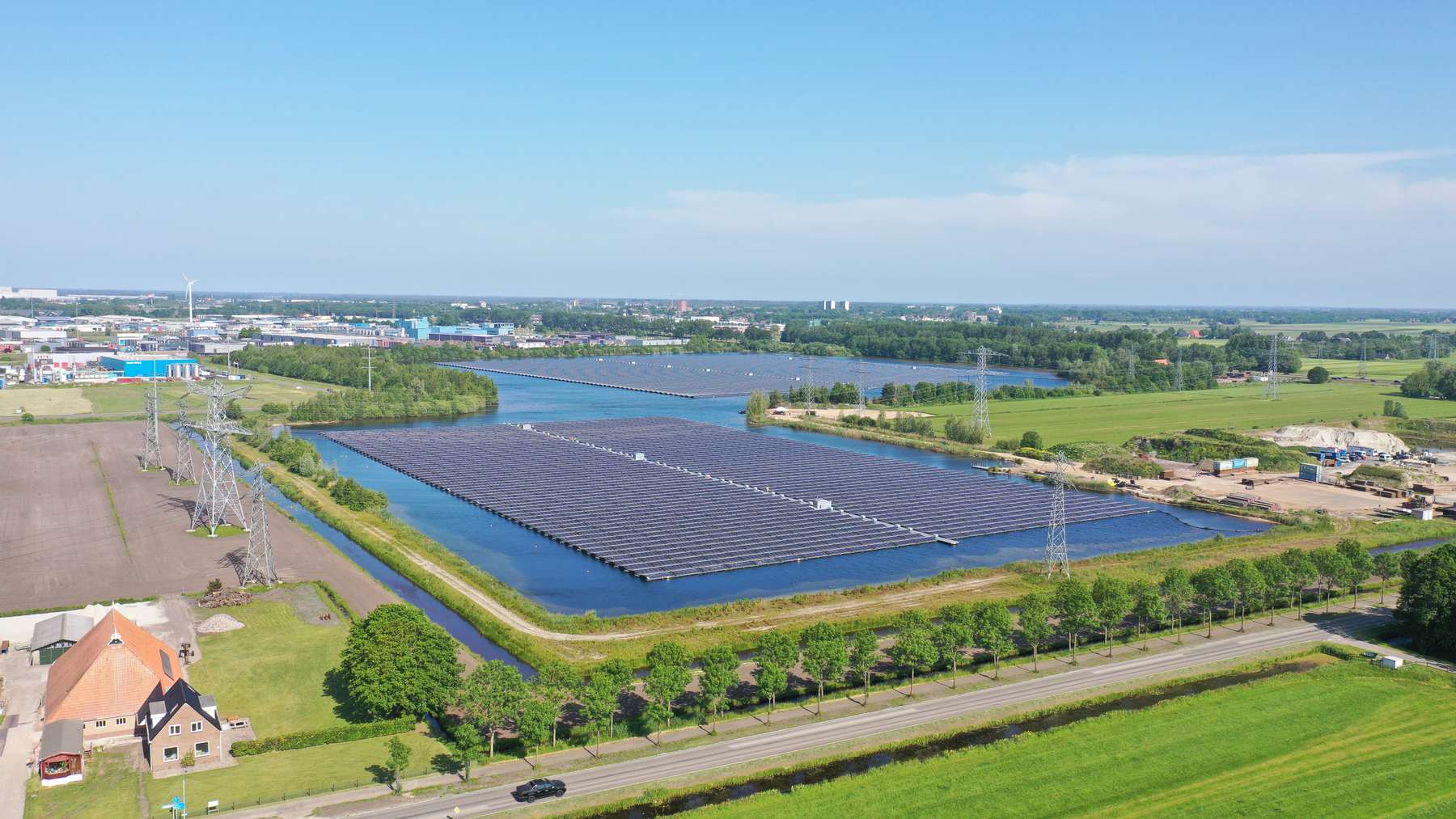

- 3 MONTHS AGO · ENERGYA Belgian cement works spent a century eating the chalk under its own feet, flooded the hole it left, floated 55,000 solar panels on the water and wired them straight into the kiln, and the whole array offsets about six weeks of what that kiln puts out in a year
- 3 MONTHS AGO · ENERGY3,100 solar panels now float on the reservoir where 35,000 Ohioans get their drinking water, on four acres instead of the ten the same output needs on land, and the mayor who proposed it in 2019 retired two years later without seeing a single float go in
- 2 MONTHS AGO · ENERGY16,000 solar panels blanket a 2-mile concrete tunnel over a Belgian high-speed rail line, held down by ballast tiles because nobody wanted to drill a single hole above live overhead power lines, and trains have run on the roof’s electricity for 15 years
- 4 WEEKS AGO · ENERGY22,908 solar panels now shade 4,315 parking spaces at a California theme park, sized to cover a year of power for the park and the water park next door, and when the utility cuts the valley’s lines for wildfire risk the array shuts off too
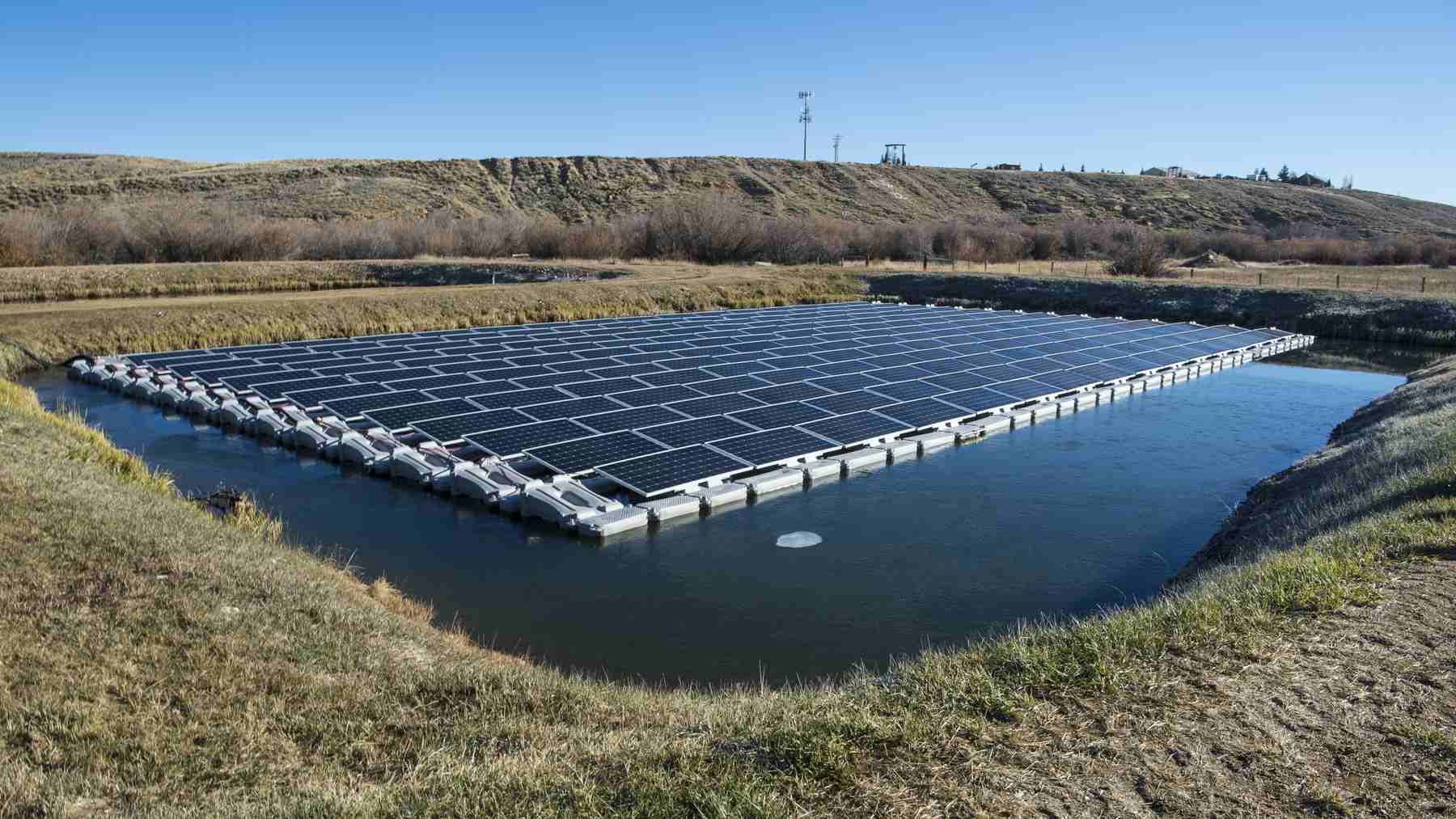
- TODAY · THIS ARTICLE208 solar panels have floated since their first winter on a pond 8,100 feet up in the Colorado Rockies, in a town that has seen 47 below zero and two feet of snow in a day, and the first freeze locked their mooring lines into the ice without puncturing a single float
Floating solar has a bit of a warm-weather reputation. When you picture it, you probably see panels bobbing on a reservoir somewhere flat and sunny, like Florida or California, where the water stays liquid all year. A mountain town where the pond freezes over for months isn’t the obvious place to try it.
But that’s where Colorado’s first floating solar array went. According to CBS Colorado, it was only the fifth in the whole country when the town unveiled it on October 19, 2018.
Walden is a town of about 600 people in the Colorado Rockies, and it sits at roughly 8,100 feet. It put 208 solar panels on plastic floats in the settling pond of its drinking water plant, and the array has been through some pretty brutal winters since. Jim Dustin, the town’s mayor, doesn’t make a big deal out of it. “I didn’t think it was novel, floating solar just made a lot of sense,” he told Glint Solar.
Glint, a solar company that visited the pond and wrote it up, calls Walden the highest floating solar installation in the world. As far as I can tell there’s no official registry for that sort of thing, so treat it as Glint’s call. Still, at 8,100 feet Walden comfortably beats the 1,400-panel Swiss array on Lac des Toules, which sits at about 5,940 feet, and Glint says Walden got there first too.
So why put solar panels on a pond?
Floating solar is pretty much what it sounds like. You bolt the panels to plastic floats, link the floats into one big raft and tie it down with mooring lines so it doesn’t drift around. A settling pond, if you’ve never had a reason to think about one, is where a water plant lets water sit so the sediment sinks out before treatment.
Walden’s plant is surrounded by water, which CBS Colorado says made floating panels a practical choice. The idea came from Johnson Controls, the town’s energy consultant, and GRID Alternatives Colorado, a nonprofit, designed and built the array. The floats are Hydrelio units from Ciel & Terre.
It isn’t a big system. Each panel is rated at 355 watts, which works out to about 74 kilowatts (the launch coverage rounded it to 75). Together they cover roughly 14,200 square feet, or 52% of the pond. For comparison, the floating array an Ohio village switched on over its reservoir uses 9,222 panels to Walden’s 208.
The whole thing cost $400,000. The town put in $200,000 and a government grant covered the other half, and CBS Colorado reported savings of about $10,000 a year, with the town expecting its share to pay back in 20 years. That’s a long time to wait on equipment that spends part of every year sitting in ice, so you can see why people wanted to know how it’d hold up.
What happens when the pond freezes?
Walden’s weather is frankly a bit ridiculous. Glint says the town has seen temperatures as low as 47 degrees below zero. It averages about 63 inches of snow a year and gets just over 40 frost-free days. In the array’s first year, about two feet of snow came down in 24 hours.
So did the ice wreck it?
Not really, but the start wasn’t smooth. Rowena Adams of Johnson Controls told Glint that the lines holding the array in place ended up frozen solid into the ice that first winter, which put stress on the floats. If you’ve ever seen a rope frozen into a lake, you’ll get why that’s a worry. The line can’t give, so whatever’s tied to it takes the strain. When things warmed up, the ice thawed with no sign of structural damage. Ciel & Terre then came back and put the mooring lines on floats so they wouldn’t freeze in again the next winter, and according to Glint, that seemed to do the trick. It’s a pretty low-tech answer to a problem that sounded expensive.
The other big worry was ice punching holes in the floats. Glint reported that hadn’t happened, even with some floats partly stuck in the ice. It also credits the low wind during cold spells for keeping the array from moving around much.
I can’t find a newer first-hand account than Glint’s post, which went up in early 2024. So I can’t tell you whether a float has cracked since then.
Snow on the panels turned out to be less of a headache than you’d think. According to Adams, Walden’s wind blows a lot of it away, at least when it’s only a light dusting. Glint says the team also thought about tilting the panels more steeply so snow would slide off, but retrofitting them would’ve cost way too much.
Winter still wins
At peak summer output, the array covers 100% of the water plant’s power use. Glint credits the altitude for strong output across the six summer months. But for three months in winter, the plant runs on grid electricity.
Honestly, that’s a better split than I’d have guessed for a pond that’s frozen for a good chunk of the year. You’re not going to run a water plant on 74 kilowatts in a Rockies January, and Walden doesn’t.
So did anyone copy it?
Yes, and from the looks of things Walden was the proof of concept. Mountain Regional Water, a water district in Utah, put a floating array on the holding pond of its Signal Hill treatment plant above Park City, about 7,000 feet up. According to Solar Power World, the district was inspired by Walden, which showed floating solar could handle snow and wind at high elevation.
Park City’s version is a lot bigger, with 1,078 panels and 587.5 kilowatts against Walden’s 208 panels and 74 kilowatts. It covers about an acre of water, and the developer estimated a similar array on land would’ve needed two to three acres.
Park City’s array went into operation in September 2024, almost six years after Walden’s 208 panels first went on the water.
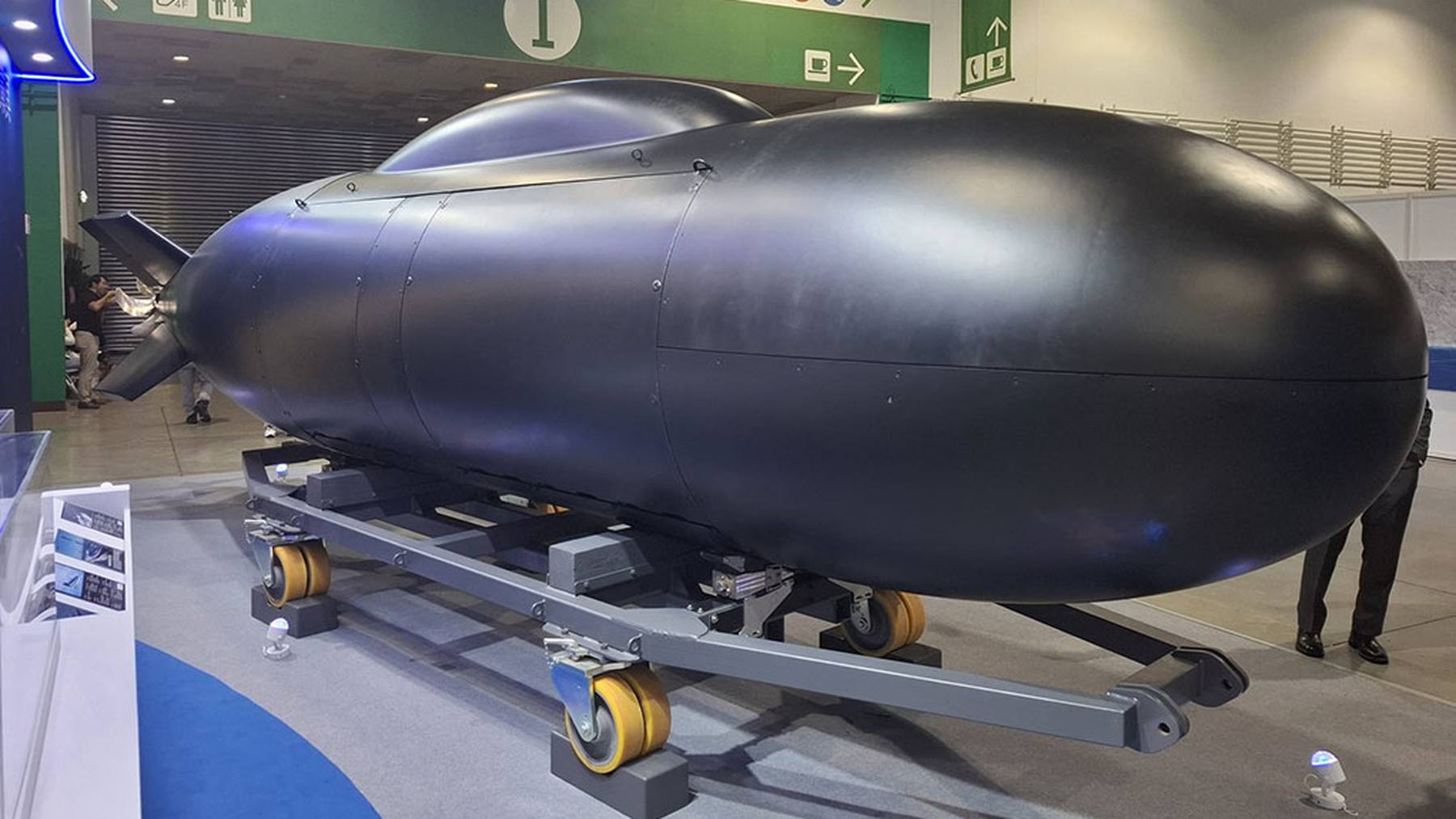
 A 12-foot British drone submarine was put in the water from a quay in Shetland, swam 81 miles out to a dead North Sea oil field by itself, photographed the seabed from 16 feet up while sniffing for leaking oil, and came back to the same harbor to recharge for the next fieldEnergy · 1 hour ago
 Six floating tidal turbines built on a 750-ton Scottish design just got the federal fish permit that sank an earlier company in the Bay of Fundy, where a five-story turbine has sat dead on the seabed since its owner went under and four rail cars full of concrete still mark where another developer mooredEnergy · 3 hours ago
 A 908-megawatt Ohio reactor once ran with a football-sized hole eaten through more than 6 inches of its steel lid by leaking boric acid, leaving a stainless liner three-eighths of an inch thick to hold back 2,155 psi, and its replacement lid came from a plant that never openedEnergy · 4 hours ago