
Toyota is known for smaller, super efficient, vehicles like the Corolla and Prius. But at the time of writing it actually produces one of the most powerful naturally aspirated V8s still on the market. The bad news is, it’s not the sort of thing you’ll find in anything with a Toyota badge, and you won’t find it anywhere soon.
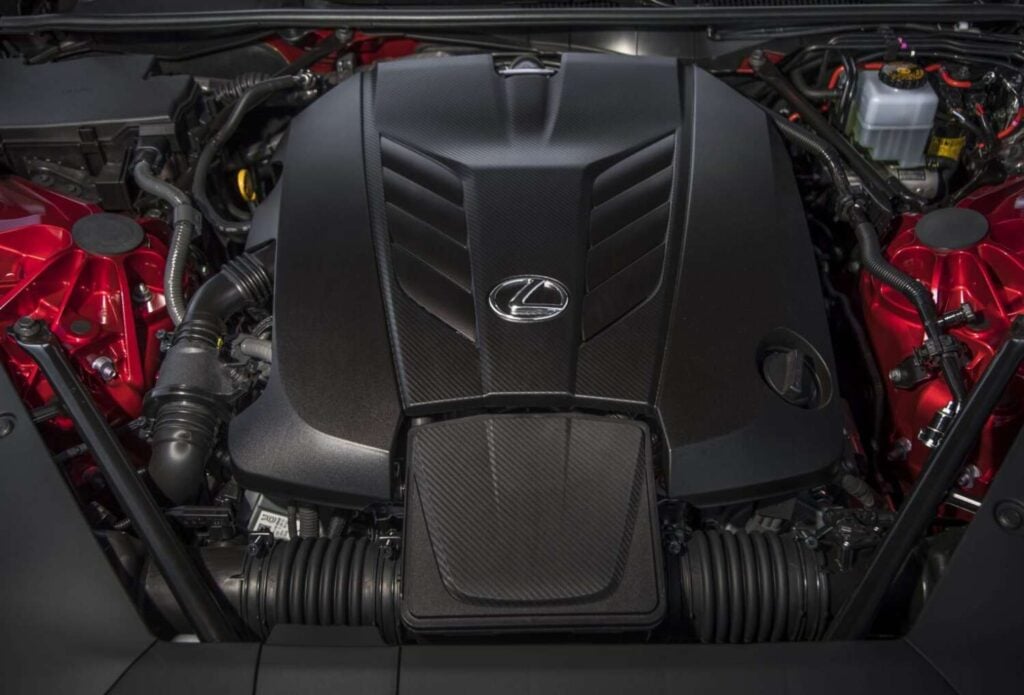
Despite many manufacturers reviving their V8s after pivoting towards electric vehicles in recent years, Toyota is determined to kill off its 5-liter 2UR-GSE engine. The vehicle, which has powered Lexus’ “F” performance line since 2008 is currently found in the 2026 LC 500 having been pulled from the RC F and IS 500 recently.
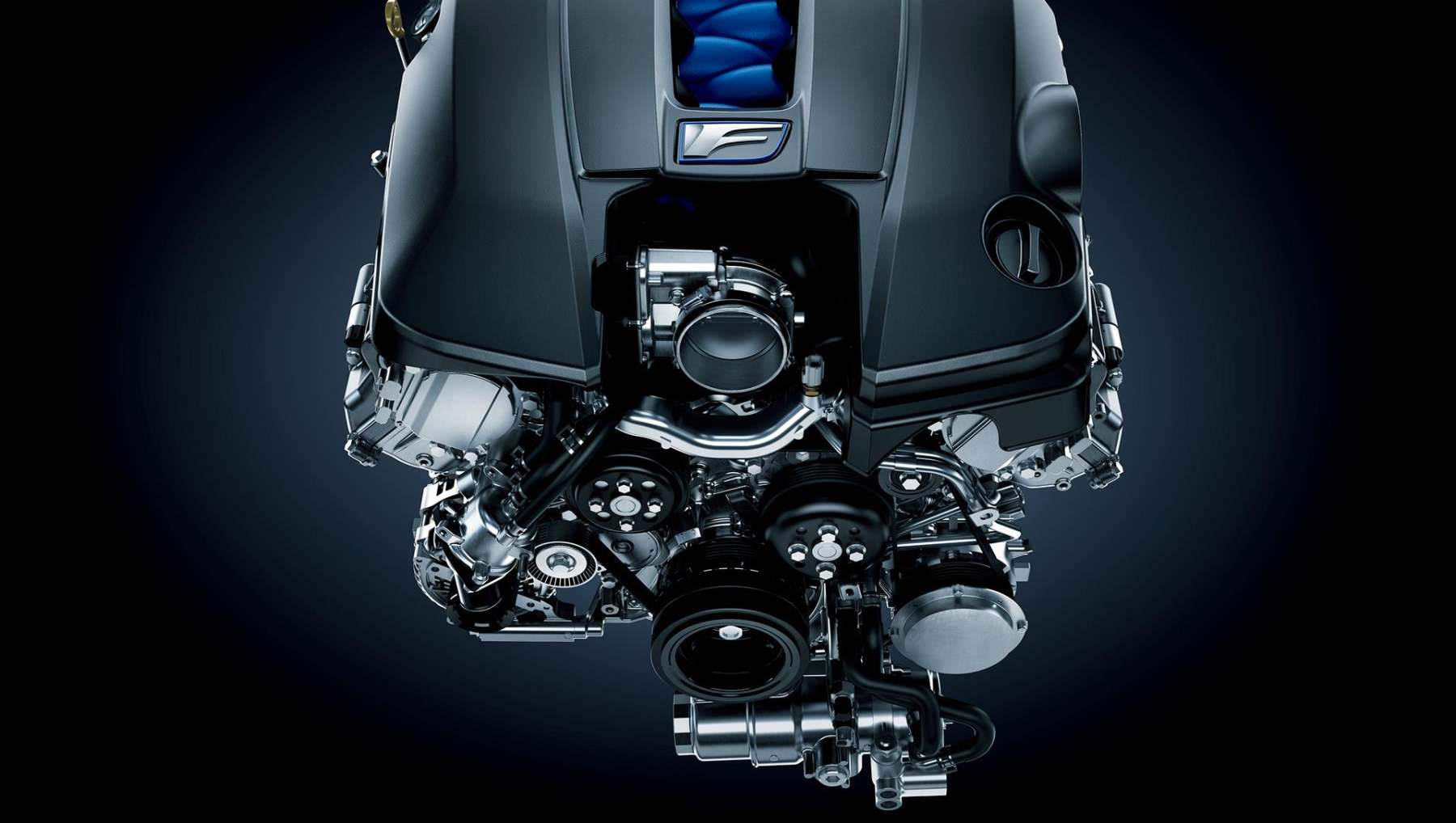
So, aside from the deep and beautiful sounds only a naturally aspirated V8 can produce, what does it give you? For a start, it pumps out an impressive 471 horsepower. It also puts that power on the road with 398 lb-ft of torque, and redlines at 7,300 RPM. In short, it’s very much a performance engine comparable to the Coyote you’ll find under the hood of a Ford Mustang.
If you want to dive in and get a little more technical, the 2UR-GSE features a die-cast aluminum block with aluminum heads and magnesium covers. Its cylinders are set at a 90 degree angle, and the engine boasts a compression ratio of 12.3:1.
Toyota also paired with Yamaha on the tuning, with the other Japanese company (the motor division, not the one that produces musical instruments) working on things like the cylinder heads, intake systems, and camshafts.
The high redline is supported by things like titanium intake valves, and forged internals including a high-rigidity crankshaft. Lightweight piston rod assemblies, coupled with the aluminum block, keep total engine weight under 490 pounds.
As far as engines go, it’s an absolute beauty. Unfortunately, Toyota is ending production of the 2UR-GSE alongside the LC 500 in August 2026.
Why is Toyota killing its V8?
Toyota hasn’t given an exact reason why it’s killing off one of the most exciting engines on the planet. But if you dig into things it’s pretty obvious. Firstly, the company is pivoting towards electric vehicles to some degree. The Toyota bZ is selling well, and a lot of the company’s production focus may continue to shift in that direction.
At the very least, production has shifted away from V8s anyway. Near nothing in Toyota’s lineup uses the 2UR-GSE these days, it’s purely in the Lexus LC 500. When Toyota ceases production of the LC 500 in mid 2026, it makes sense to stop producing the V8 alongside it instead of trying to cram one in an upcoming vehicle.
When it comes to new cars, turbocharged and hybrid powertrains are far more efficient and can boast significantly higher outputs than large, naturally-aspirated, V8s. Engines like the 2UR-GSE are very much an enthusiast thing, and V8 enthusiasts are also drawn to the likes of Ford, GM, and Dodge so a Japanese company may have a difficult time competing for attention. No matter how great its own effort is.
Toyota is very much a business, and putting resources into low-volume enthusiast engines is bad for business in a lot of cases. Just like when it ditched the frankly fantastic Cressida to make room for Lexus’ US debut, Toyota is ditching its big V8 for the likes of its new twin-turbo V6 which can rip it at a far lower rev range.