
2026 Ford Mustang
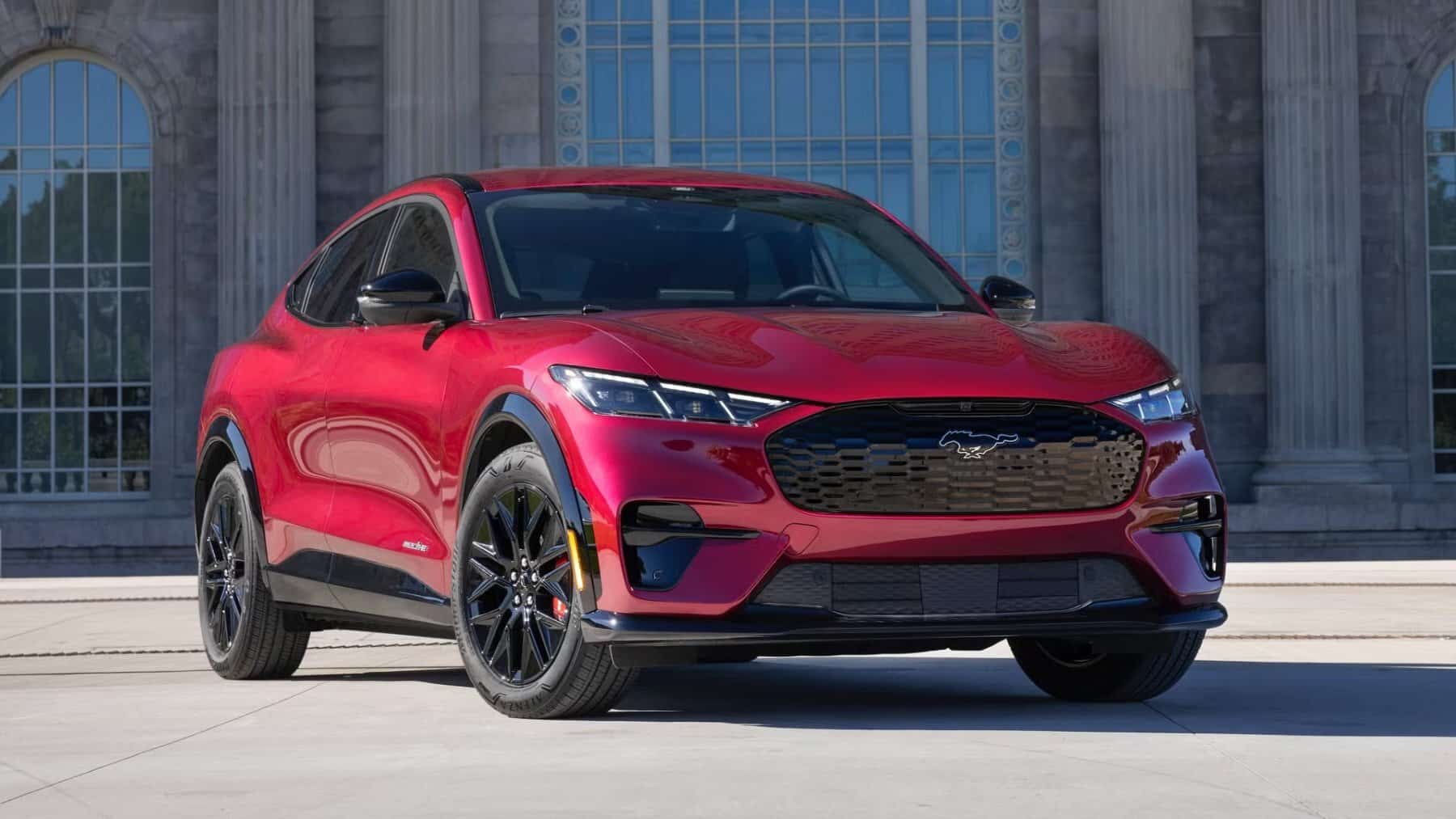
Overview
What's New for 2026
The 2026 Ford Mustang enters its sixth and potentially final model year of the current S650 generation before anticipated transition to battery-electric architecture in 2027. This reality transforms 2026 into a consequential year for enthusiasts seeking the authentic combustion-engine Mustang experience. Ford has introduced new color options including Adriatic Blue (a sophisticated metallic finish) and Orange Fury (an intense high-impact color), providing visual differentiation while maintaining the iconic fastback design language that has defined Mustangs since 1964.
The powertrain lineup remains unchanged: the efficient 2.3L EcoBoost turbocharged four-cylinder, the iconic 5.0L Coyote naturally-aspirated V8, and the high-performance Dark Horse variant with 500 horsepower. Ford has refined suspension tuning, improving ride comfort on rough pavement without sacrificing cornering dynamics. The manual transmission survives 2026, a genuine victory for purists in an industry increasingly abandoning mechanical shifting. Expect this to be the final model year where three distinct engine options and six-speed manual transmission remain available.
Pricing has remained stable relative to 2025, maintaining accessibility for entry-level buyers while continuing to demand premium pricing for high-output variants. This stability reflects Ford's commitment to the Mustang nameplate even as corporate strategy shifts toward electrification for future generations.
Overview
The Mustang occupies an increasingly unique position in modern automotive landscape: a rear-wheel-drive, naturally-aspirated V8-powered sports car priced below $50,000 for base models and available with three powertrain options, manual or automatic transmission, coupe or convertible body styles, and multiple trim levels. Starting at $32,320 for the EcoBoost variant through $58,000+ for Dark Horse models, the 2026 Mustang delivers authentic muscle car experience at accessible pricing relative to competing platforms.
The iconic design language endures from the 1964 original through seven generations, with the current S650 generation featuring more aggressive proportions, wider stance, and modern aerodynamic refinement while maintaining the recognizable silhouette. The 188.4-inch overall length and 75.8-inch width reflect contemporary proportions within traditional muscle car parameters. Curb weight ranges from 3,710 pounds (EcoBoost automatic) to 3,920 pounds (V8 models), remaining remarkably light compared to contemporary sedans and SUVs.
The rear-wheel-drive architecture, paired with available electronically-controlled locking differential on V8 models, enables spirited driving dynamics unavailable in front-wheel-drive competitors. The independent double-wishbone front suspension and integral-link rear axle are tuned for engaging canyon driving without sacrificing daily-use comfort. Cargo capacity of 13.5 cubic feet accommodates moderate luggage; the trunk is optimized for weekend drives rather than cross-country moving logistics.
Driving Experience
The 2.3L EcoBoost turbocharged four-cylinder produces 315 horsepower and 350 pound-feet of torque, delivered through a six-speed manual transmission (on select variants) or ten-speed automatic. Real-world acceleration reaches 0-60 mph in approximately 4.5 seconds with the automatic transmission, competent but not exhilarating for a vehicle wearing sports car badging. The turbocharger provides responsive power delivery and genuine mechanical engagement; highway passing is secure and confident. Fuel economy estimates of 22 city / 33 highway / 26 combined represent genuinely impressive efficiency for a sports car, benefiting buyers prioritizing fuel economy or those unable to accept V8 consumption patterns.
The EcoBoost's primary limitation emerges during sustained high-rpm driving; the engine produces characteristic three-cylinder-derived vibration at elevated RPM that some describe as "thrashing" rather than mechanical performance. The turbocharger introduces slight lag during off-boost acceleration, requiring deliberate throttle modulation during spirited canyon driving. Conservative enthusiasts find the EcoBoost adequate for daily driving and weekend mountain roads; performance purists will inevitably regret the turbo power delivery limitation.
The 5.0L Coyote naturally-aspirated V8 produces 480 horsepower and 415 pound-feet of torque (or 486 hp/418 lb-ft with optional active exhaust), generating the authentic mechanical symphony that defines Mustang character. The 0-60 acceleration improves to approximately 4.2 seconds with the automatic transmission (manual transmission slightly quicker), genuinely thrilling for drivers accustomed to modern sedans. The engine responds immediately to throttle input without turbocharger lag; the linear power delivery from 1,000 RPM through 7,000 RPM maximizes driving engagement. The mechanical experience—from engine vibration to transmission mechanical noise—provides authentic sports car feedback increasingly rare in contemporary automobiles.
The Dark Horse variant with 5.0L high-output configuration produces 500 horsepower and 418 pound-feet of torque, enabling 0-60 mph in approximately 4.1 seconds—matching entry-level turbocharged supercars despite naturally-aspirated power delivery. The additional 20 horsepower primarily benefits high-rpm performance and top-speed capability; the identical torque compared to standard GT reflects engineering optimization rather than dramatic improvement. Real-world driving distinction between GT and Dark Horse centers on suspension tuning, brake upgrading, and psychological confidence rather than dramatic acceleration difference.
Handling benefits from rear-wheel-drive dynamics that enable balanced weight distribution, trail-braking into corners, and throttle-adjustable oversteer suitable for enthusiast-level driving. The suspension tuning balances bump compliance with cornering support, avoiding the harsh ride characteristic of previous-generation SVT variants. Electronic stability control remains functional but not intrusive for drivers exercising reasonable discretion; disconnecting the system enables engaging power-oversteer maneuvers available only through rear-wheel-drive architecture. Manual transmission availability provides complete control over power delivery and rev matching, enabling precision gear selection for canyon driving.
Interior, Comfort & Technology
The Mustang cabin emphasizes driver focus over passenger accommodation. The driver-centric design philosophy positions controls within intuitive reach; sport-bolstered seats provide lateral support during aggressive cornering. Cloth upholstery appears on base models; leather seating surfaces standard on premium trims. The infotainment centerpiece is a standard 8-inch touchscreen running SYNC 4A, sufficient for navigation and smartphone integration without excessive distraction. Wireless Apple CarPlay and Android Auto appear standard; wireless charging accommodates modern smartphone use patterns.
Front seating provides adequate support for daily driving; eight-hour commutes remain feasible without excessive discomfort. Rear seats are genuinely cramped, suitable primarily for occasional children or short-duration adult passengers during regional trips. Climate control is single-zone on base models with dual-zone available on premium variants. Storage is minimal by modern standards; the center console and door pockets accommodate phones and wallets, though larger items require trunk deployment.
The convertible variant sacrifices trunk space and adds weight compared to the coupe, with the soft top reducing structural rigidity in competitive situations. Convertible enthusiasts accept these compromises for open-air driving engagement; the power-operated soft top operates smoothly, retracting or deploying in approximately 10 seconds. Wind noise at highway speeds becomes noticeable; the base soft-top material lacks advanced soundproofing found on luxury convertibles.
Technology integration includes available Co-Pilot360 with adaptive cruise control, lane-keeping assist, and automatic emergency braking—features that seem incongruous with the Mustang's performance emphasis but genuinely improve daily-driving convenience. Premium audio systems from B&O Play provide meaningful sound quality improvement for drivers prioritizing music during extended drives. The Recaro sport seats (available on performance variants) provide exceptional lateral support during aggressive driving; trade-offs include reduced daily-drive comfort and potentially excessive support for casual cruising.
Trim Levels & Pricing
The 2026 Mustang's trim structure reflects powertrain primary differentiation, with distinct offerings across EcoBoost, GT, and Dark Horse variants. Each variant accommodates manual or automatic transmission, coupe or convertible body style, providing customization flexibility within logical constraints.
| Variant / Configuration | Starting MSRP | Key Features |
|---|---|---|
| EcoBoost Coupe Auto | $32,320 | 2.3L turbocharged (315 hp), 10-speed auto, RWD, 26 mpg combined |
| EcoBoost Convertible Auto | $36,845 | Soft-top convertible, same powertrain, power-operated top, reduced rigidity |
| GT Coupe Auto | $46,560 | 5.0L Coyote V8 (480 hp/415 lb-ft), 10-speed auto, electronic locking diff, 24 mpg highway |
| GT Coupe Manual | $47,800 | Six-speed manual transmission, direct mechanical engagement, rev-matching capability |
| GT Convertible Auto | $51,085 | V8 convertible, power soft-top, reduced structural rigidity vs. coupe |
| Dark Horse Coupe Auto | $53,395 | 5.0L high-output (500 hp/418 lb-ft), upgraded suspension, Brembo brakes, strut tower brace |
| Dark Horse Coupe Manual | $54,635 | Manual transmission with rev matching, enhanced mechanical engagement, performance focus |
| Dark Horse Convertible Auto | $57,920 | High-output V8 convertible, performance upgrades, open-air driving |
Value analysis reveals thoughtful pricing across the lineup. The EcoBoost at $32,320 delivers sports car experience at sedan-competitive pricing, appealing to budget-conscious enthusiasts or daily drivers prioritizing cost. The $14,240 jump to GT automatic ($46,560) adds 165 horsepower and the essential V8 experience; the additional investment yields proportional performance return. The GT manual at $47,800 costs only $1,240 more than automatic, representing exceptional value for drivers desiring mechanical engagement and genuine performance control. The Dark Horse at $53,395 (automatic) costs approximately $6,835 more than GT, justifying the investment through upgraded suspension, enhanced braking, and psychological assurance. The manual Dark Horse at $54,635 represents the performance-focused ultimate, delivering maximized mechanical engagement and control.
Safety
The Mustang incorporates standard safety features including ten airbags, electronic stability control, and hill-start assist. Available Co-Pilot360 driver-assist features include forward-collision warning with automatic emergency braking, lane-departure warning, lane-keeping assist, and blind-spot monitoring with cross-traffic alert. The sports car focus inherently conflicts with maximum safety equipment proliferation; some driver-assist systems remain unavailable on high-performance variants.
Sports cars prioritize driver engagement over passive safety systems; the rear-wheel-drive architecture and performance-tuned suspension emphasize driver control over electronic intervention. Electronic stability control remains functional but not excessively intrusive, permitting skilled drivers to engage performance dynamics unavailable in stability-prioritized vehicles. Modern safety engineering has demonstrably improved Mustang occupant protection compared to previous generations, despite maintaining the essential performance character.
For comprehensive safety ratings and crash test results, visit NHTSA.gov and IIHS.org for current independent testing data. Sports cars typically show different safety profiles than larger vehicles; understanding these dynamics informs purchase decisions.
Warranty & Ownership Costs
Ford's warranty structure provides standard coverage across the Mustang lineup. Three-year basic coverage addresses manufacturing defects; the extended powertrain warranty protects critical components through 60,000 miles. Maintenance costs follow predictable patterns: synthetic oil changes every 10,000 miles, engine air filter replacement every 15,000-30,000 miles, and spark plug service every 100,000 miles (V8 models) represent primary intervals.
| Coverage | Duration |
|---|---|
| Basic Warranty | 3 years / 36,000 miles |
| Powertrain Warranty | 5 years / 60,000 miles |
| Corrosion Perforation | 5 years / unlimited miles |
| Roadside Assistance | 5 years / 60,000 miles |
Real-world ownership costs reflect sports car realities. EcoBoost fuel costs at 26 mpg combined and $3.25 per gallon approach $1,500 annually for 12,000 miles, genuinely economical for performance driving. V8 models at 24 mpg combined approach $1,625 annually—reasonable for 480+ horsepower. Insurance premiums substantially exceed average vehicles; expect $1,800-$2,200 annually for comprehensive and collision coverage, depending on age, driving record, and location. Maintenance remains inexpensive under warranty; post-warranty service at independent shops costs 25-35% less than dealership rates for routine items. Performance modifications (exhaust systems, suspension upgrades, tuning) add ongoing costs depending on owner enthusiasm level. Extended warranties beyond five years rarely provide economic value given the Mustang's established reliability record. Total seven-year ownership cost estimates range from $40,000-$50,000 including fuel, insurance, maintenance, and depreciation—competitive with corresponding Japanese and European sports cars.
The Bottom Line
The Verdict: The 2026 Ford Mustang represents the final generation of traditional American muscle car—a rear-wheel-drive, naturally-aspirated V8-powered coupe priced below $50,000. This may be the ultimate year for enthusiasts seeking authentic combustion-engine Mustang experience before inevitable transition to battery-electric architecture. The 5.0L Coyote V8 with manual transmission defines the mechanical engagement and control unavailable in increasingly automated vehicles.
Who Should Buy: Enthusiasts prioritizing mechanical engagement and authentic performance character should acquire the Dark Horse with manual transmission—potentially the final opportunity for this configuration. V8 purists seeking affordable naturally-aspirated performance will find the GT or Dark Horse compelling. Performance-focused drivers unable to accept V8 fuel consumption should evaluate the EcoBoost, which delivers respectable sports car dynamics at impressive efficiency. Convertible enthusiasts should prioritize 2026 acquisition before potential discontinuation.
Who Should Look Elsewhere: Buyers unable to compromise on passenger space should evaluate four-seat alternatives. Daily drivers requiring maximized efficiency should select EcoBoost; weekly track-day enthusiasts should prioritize GT or Dark Horse. Luxury-focused buyers should evaluate German competitors. Those valuing active safety systems should test extensively before committing; sports cars deliberately deprioritize electronic intervention for driver engagement.
Frequently Asked Questions
Is 2026 the final year for the gasoline Mustang?
Ford has announced plans for battery-electric Mustang Mach-E variants and anticipated transition of the traditional Mustang nameplate to electric architecture in 2027. However, official confirmation of the S650 generation's final year has not been formally announced. The 2026 model year should be treated as the potential final opportunity for enthusiasts seeking authentic naturally-aspirated V8 Mustang experience. The Dark Horse with 5.0L V8 and manual transmission may represent the ultimate traditional Mustang configuration; acquisition in 2026 secures this mechanical arrangement before inevitable electrification transition.
What is the real-world performance difference between GT and Dark Horse?
Both variants share identical 5.0L V8 displacement; the Dark Horse high-output configuration produces 500 horsepower versus GT's 480 horsepower—20 additional horsepower primarily benefiting top-speed capability and sustained high-rpm performance. Real-world acceleration distinction is modest; 0-60 times differ by approximately 0.1-0.2 seconds. The Dark Horse's suspension upgrades (reinforced strut tower brace, upgraded springs and dampers) meaningfully improve corner entry precision and overall handling confidence. Brembo brake upgrades provide enhanced stopping power and reduced fade during extended track driving. The Dark Horse represents psychological confidence upgrade through equipment enhancement rather than dramatic acceleration difference. Weekend track-day enthusiasts benefit from improved suspension geometry; casual drivers may find the GT equally satisfying at substantially lower cost.
Should I prioritize manual or automatic transmission?
Manual transmission delivers superior mechanical engagement, permitting direct throttle control and rev-matching during spirited canyon driving. The six-speed mechanical unit exhibits satisfying shift quality and mechanical feedback increasingly rare in contemporary automobiles. Automatic transmission provides superior efficiency, smoother power delivery, and practical daily-drive convenience. Track-day enthusiasts strongly prefer manual transmission for complete vehicle control; street-focused drivers often appreciate automatic convenience. The manual transmission adds approximately $1,240-$1,240 premium cost depending on variant. First-time sports car buyers should extensively test-drive both configurations before deciding; driving preferences vary substantially between individuals. For context, manual transmissions currently represent approximately 8-10% of Mustang sales, reflecting clear market preference for automatic convenience despite enthusiast passion for mechanical engagement.
Can the 2026 Mustang function as a reliable daily driver?
Yes, though with qualifications. The Mustang exhibits reliability comparable to contemporary Fords; powertrain durability is established across multiple generations. EcoBoost variants deliver impressive fuel economy for sports cars (26 mpg combined) and modest insurance costs. V8 variants require acceptance of higher fuel consumption (24 mpg) and increased insurance premiums, but remain economically feasible for typical 12,000-mile annual driving. Daily-drive limitations center on rear-seat space (inadequate for families), trunk capacity (13.5 cubic feet limits luggage), and road noise from performance-tuned suspensions and transmissions. Winter driving requires acceptance of rear-wheel-drive snow limitations; some owners prefer dedicated winter vehicles during severe weather seasons. Extended commutes (60+ miles daily) become tedious due to sport-oriented seating and suspension tuning optimized for performance rather than compliance. Casual drivers with reasonable mileage expectations find the Mustang genuinely functional as primary vehicle; those requiring maximum comfort or passenger space should evaluate alternatives.
What modifications do most Mustang owners pursue?
Popular modifications emphasize performance enhancement or visual customization. Performance enthusiasts typically upgrade exhaust systems (cat-back configuration for improved sound without sacrificing emissions compliance), suspension components (stiffer springs and dampers for improved handling), and engine tuning (software optimization for improved throttle response and output). Visual customizations include wheel upgrades, suspension lowering, and exterior styling modifications. Track-day focused owners frequently upgrade brake systems, install roll cages or reinforcement bars, and pursue dedicated track-focused modifications. Conservative owners often maintain factory configuration while enjoying authentic mechanical engagement the Mustang provides. The aftermarket ecosystem is exceptionally robust; thousands of suppliers offer performance, styling, and customization options accommodating diverse owner preferences and budgets.
How does the electronic locking differential improve performance?
The electronic locking rear differential distributes engine torque equally between both rear wheels, preventing differential slip during acceleration or cornering. Standard open differentials distribute torque unequally based on wheel traction; the wheel with less traction receives greater torque, reducing overall traction during acceleration or slippery surface driving. Electronic locking is engaged manually through driver input or automatically triggered during aggressive acceleration, providing controllable power distribution. Real-world benefit becomes apparent during spirited acceleration; the locking differential enables superior traction while partially disabling anti-slip control, permitting deliberate power oversteer during enthusiast driving. Track-day benefits include improved corner exit acceleration and reduced understeer during limit driving. Daily-drive implications are minimal; electronic control prevents brake-induced differential lock-up that would cause excessive handling aggression. This feature represents meaningful performance enhancement for driven enthusiasts; casual drivers may never engage the feature intentionally.
Key Highlights
- 2.3L EcoBoost I4 (315 hp) or 5.0L Coyote V8 (480-500 hp)nDark Horse variant with 500 hp and track-focused tuningn6-speed manual available on V8 modelsnCoupe and convertible body stylesnLast remaining traditional American muscle carnNew colors for 2026: Adriatic Blue and Orange Fury
Powertrain Options
| Engine | Horsepower | Torque | Fuel | MPG |
|---|---|---|---|---|
| 2.3L EcoBoost Turbo I4 | 315 hp | 350 lb-ft | Gasoline | 22 city / 33 hwy / 26 combined |
| 5.0L Coyote V8 (GT) | 480 hp | 415 lb-ft | Premium Gasoline | 16 city / 24 hwy / 19 combined |
| 5.0L Coyote V8 (Dark Horse) | 500 hp | 418 lb-ft | Premium Gasoline | 15 city / 23 hwy / 18 combined |
Transmission: 6-speed manual / 10-speed automatic
0-60 mph: 4.8 seconds
Specifications
Pros & Cons
✓ Pros
- V8 rumble and character is irreplaceable in electric eran6-speed manual transmission keeps enthusiasts engagednDark Horse delivers track-capable performance from factorynEcoBoost model achieves 33 mpg highway for daily efficiencynCompetitive pricing versus Porsche and BMW sports carsnIconic design carries decades of cultural significance
✗ Cons
- Rear visibility significantly compromisednRear seats essentially useless for adult passengersnFirm ride quality on rough urban roadsnEcoBoost engine lacks the emotional appeal of the V8nPremium fuel required especially for V8 modelsnInsurance costs elevated for performance variants