- 2 MONTHS AGO · ENERGYA six-acre field of solar panels hanging 3.6 feet over an Oregon pasture grew 38 percent less grass than the open field beside it, and the lambs grazing under the glass gained the same weight anyway, while the same ground ran a 1.4-megawatt power plant the whole time
- 1 MONTH AGO · ENERGY79,000 solar panels on a New York farm had two, four and eight sheep per 2.5 acres grazing under them for three summers, and the lightest flock left 38 percent more bees and ladybugs than a mower did while the heaviest kept the grass shortest and cut the honeybees nearly in half
- 1 WEEK AGO · ENERGY183,600 solar panels went up on 480 acres of old Alberta farmland, and hay is still being cut between the rows while about 260 sheep eat the weeds on the 60-acre patch the hay equipment struggled with and more than two million bees made about 1,000 pounds of honey
- 4 DAYS AGO · ENERGYA 350-mile power cable buried along a railroad from northern Iowa to northern Illinois is planned to carry 2,100 megawatts at 525,000 volts, and sites are being scouted in Iowa for a nuclear plant of up to 1,000 megawatts that would send its power east through it
- TODAY · THIS ARTICLEA 77-megawatt solar farm on Ohio farmland that leaves over 95% of the ground open, with 35 acres of monarch butterfly habitat along its edge and sheep and beehives planned for the site, is now finished and can power the equivalent of 11,000 homes
Solar farms in farm country tend to come with the same complaint. Somebody points out that the land under all those panels used to grow crops, and that it’s now spoken for until the panels wear out. It’s a fair point, and frankly the solar industry seems pretty tired of hearing it.
So it’s a little telling that when Lightsource bp cut the ribbon on its Juliet Solar project in Wood County, Ohio on November 24, a good chunk of the announcement was about dirt.
According to the company, the posts holding up Juliet’s racking take up less than 5% of the site’s footprint, which leaves over 95% of the ground free for plants and what the company calls soil rest. The plant is finished, it’s rated at 77 megawatts, and the developer says it makes enough electricity for the equivalent of 11,000 homes. There’s also a 35-acre strip of monarch butterfly habitat running along the edge of the property.
Then there are the sheep and the bees. The company describes grazing and beekeeping as planned for the site, so for now the flock only exists on paper.
So how does 95% of the ground stay open?
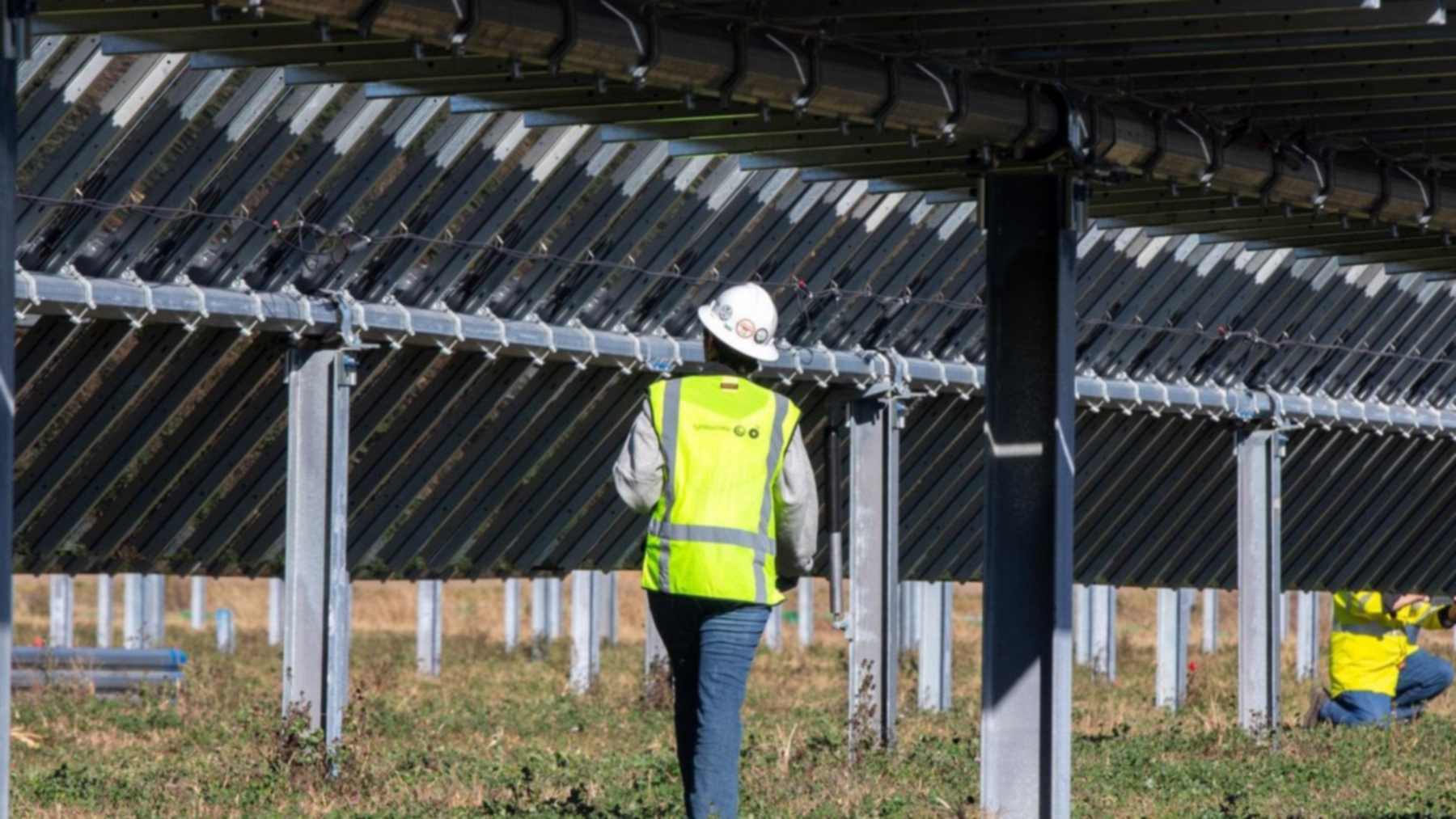
You’d be forgiven for picturing a solar farm as a big parking lot made of glass. But a ground-mounted array doesn’t really sit on the ground. The panels ride on racks, the racks sit on posts driven into the soil, and those posts are pretty much the only part of the array that touches dirt.
Juliet has a lot of them. An earlier construction update from the developer put the count at about 24,000 posts holding up more than 100,000 solar panels.
Now, “open” doesn’t mean “sunny.” The panels still throw a lot of shade, and Juliet’s trackers tilt them through the day to follow the sun, which drags that shade across the field as they go. So the 95% figure is basically a measure of how much soil isn’t covered by hardware, not how much of it sees full daylight. I still think it’s a useful number if you’re the farmer leasing the land. The company frames it as soil rest, which you can think of as a very long fallow period with plants growing on top the whole time.
I can’t tell from the announcement whether that 5% includes the access roads and equipment pads or only the posts. The developer also doesn’t give Juliet’s total acreage, which makes the percentage a bit hard to turn into something you can picture.
Juliet has two capacity numbers, and both are right
The project is listed at 77 MWdc and 62 MWac. The DC number adds up the rated output of every panel on the site, while the AC number is the most the inverters can push into the grid after converting the panels’ direct current into the alternating current your house actually runs on.
Developers usually install more panel capacity than inverter capacity on purpose, so the plant spends more of the morning, the late afternoon and the cloudy days running close to its limit. As you’d expect, the 77 is the number that ends up in the press release headline. We went through the same split with a solar park built on a capped Maryland landfill, if you want a second example. At Juliet, the construction update says 17 inverters and transformers handle the conversion.
The monarchs got their space first
The monarch habitat is the one bit of wildlife here you can actually go look at. The company says the site was seeded with plants that feed pollinators before construction started, and the earlier update listed 13 species of grasses and flowering plants in that mix.
If you’re wondering why monarchs get their own 35 acres, it comes down to diet. Monarch caterpillars only eat milkweed, so a field without it is basically useless for raising the next generation, no matter how many flowers it has. The company doesn’t list what went into the monarch strip, but I’d be surprised if milkweed wasn’t a big part of it.
Putting that habitat along the perimeter is arguably the smart move, too. Maintenance crews presumably spend most of their time between the rows, so the plants on the edge get left alone.
So is grazing under solar panels real, or just for the brochure?
It’s real, at least in general. The Department of Energy describes agrivoltaics as farming underneath or between rows of solar panels, and that can mean crops, livestock, greenhouses or pollinators. Sheep are the usual pick because they eat the grass that would otherwise grow up and shade the panels, they’re short enough to fit underneath, and they save the operator a lot of mowing. Just over a quarter of US agrivoltaic sites combine panels with sheep grazing, according to an analysis from the USDA’s Economic Research Service.
Whether it happens at Juliet is a different question. The developer hasn’t said when the sheep arrive or who’ll be running them, which is a slightly odd gap in an announcement leaning this hard on the farm angle. Still, I’d rather a developer say “planned” than borrow a flock for the ribbon-cutting photos.
The fencing is at least ready for them. The company went with what it describes as farm-style game fencing so the site blends into the countryside, instead of the chain-link you might picture around a power plant. That should come in handy if livestock ever show up.
Around 250 people built it
Juliet employed roughly 250 construction workers at its peak, according to the developer, while the earlier construction update had expected around 120. More than 85% of that workforce was local, Ohio-based labor, including union electricians, carpenters, laborers and operators. The company also says the panels and trackers were made in the US, and the earlier update said more than 60% of the panels came from factories in Ohio. Daniel Shapiro, Lightsource bp’s senior vice president for engineering, procurement and construction, said the site “has the fingerprints of hundreds of Buckeyes.” If you’re not from the Midwest, Buckeyes is what Ohioans call themselves, after the state tree.
The local payoff isn’t only paychecks. The developer expects Juliet to send more than $18 million to the local tax base over its operating life, with the money going to the Otsego School District, Weston Township, Milton Township and the Village of Weston.
As for the 11,000 homes, that’s basically a yardstick. A solar farm makes nothing at night, so figures like this one usually average a plant’s output over a year and compare it with what a typical household uses. The company doesn’t spell out its own math.
Lightsource bp cut the ribbon on Juliet on November 24, and it says sheep grazing and beekeeping are still planned for the site. When the flock does turn up, it’ll have 35 acres of monarch habitat for neighbors.
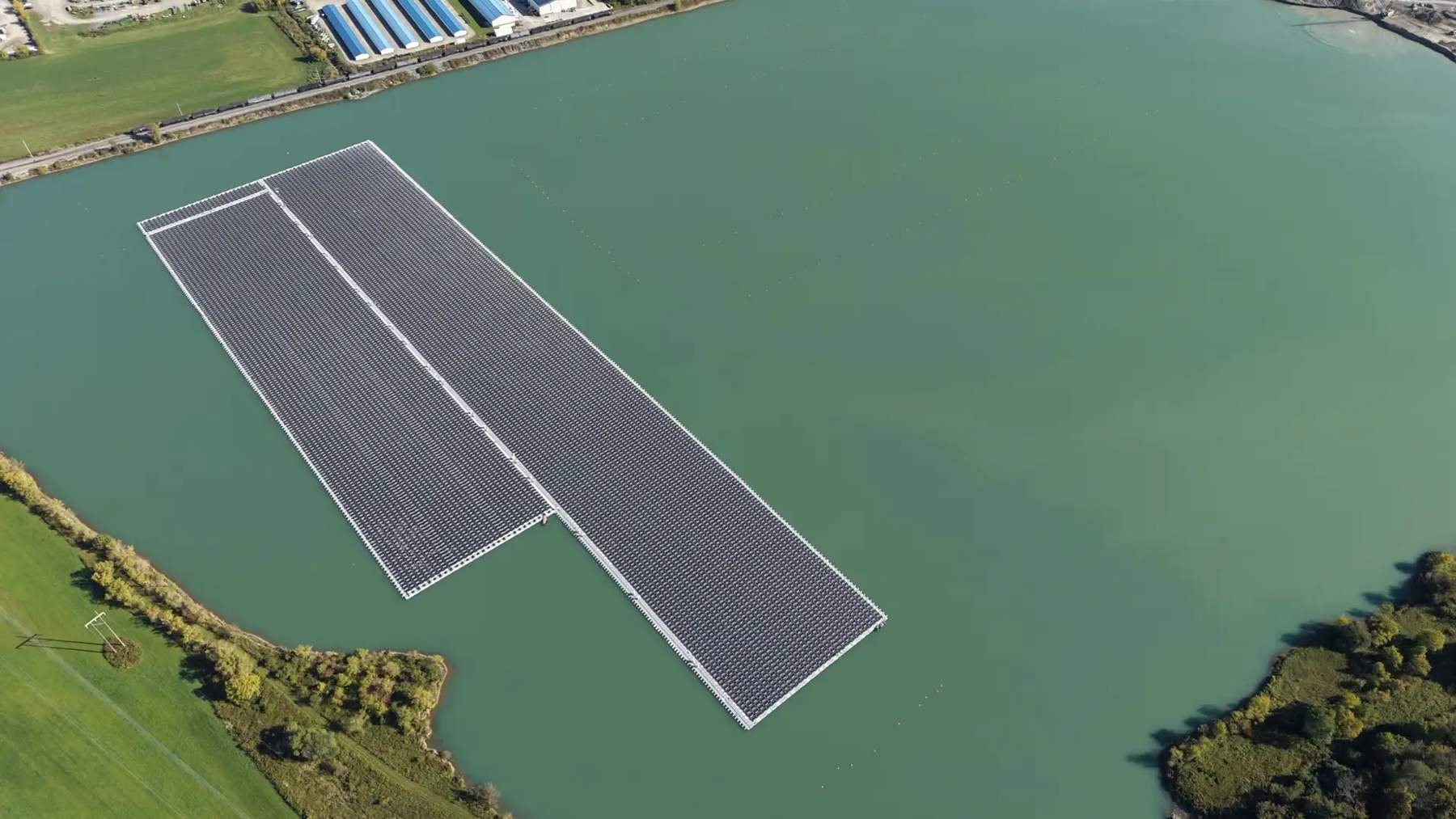
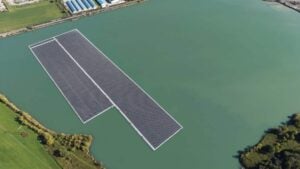 A 120-acre flooded gravel pit in central New York is getting floating solar panels engineered for 69 pounds of snow per square foot, the heaviest load of any floating array in the country, with transformers and switchgear riding on custom barges instead of farmland, 22.5 megawatts in allEnergy · 13 hours ago
 A 10-plant alert went out after wiring defects turned up in two actuators bound for a Kansas reactor’s emergency feedwater system, the parts that set how fast a steam turbine spins its pump, and every site using them is being advised to confirm its spares energize and strokeEnergy · 13 hours ago
 A 214,000-square-foot nuclear fuel factory in Tennessee went up with welds thinner than the 5/8-inch throat its main force-resisting system was designed for across 10 X-braced steel frames, and regulators have now made the fixes binding after the design was cut to 7/16 inchEnergy · 20 hours ago