
If a stranger knocked on your door tomorrow offering ten times what your property is worth, you’d at least hear them out. Most of us would be pricing moving trucks before the coffee got cold. In Mason County, Kentucky, that exact offer landed on a cattle farm outside Maysville. The stranger was a company that won’t say its name, the money added up to more than $26 million, and the answer from 82-year-old Ida Huddleston and her daughter, Delsia Bare, has been no. Not a soft no, either. A no they’ve now repeated for more than a year.
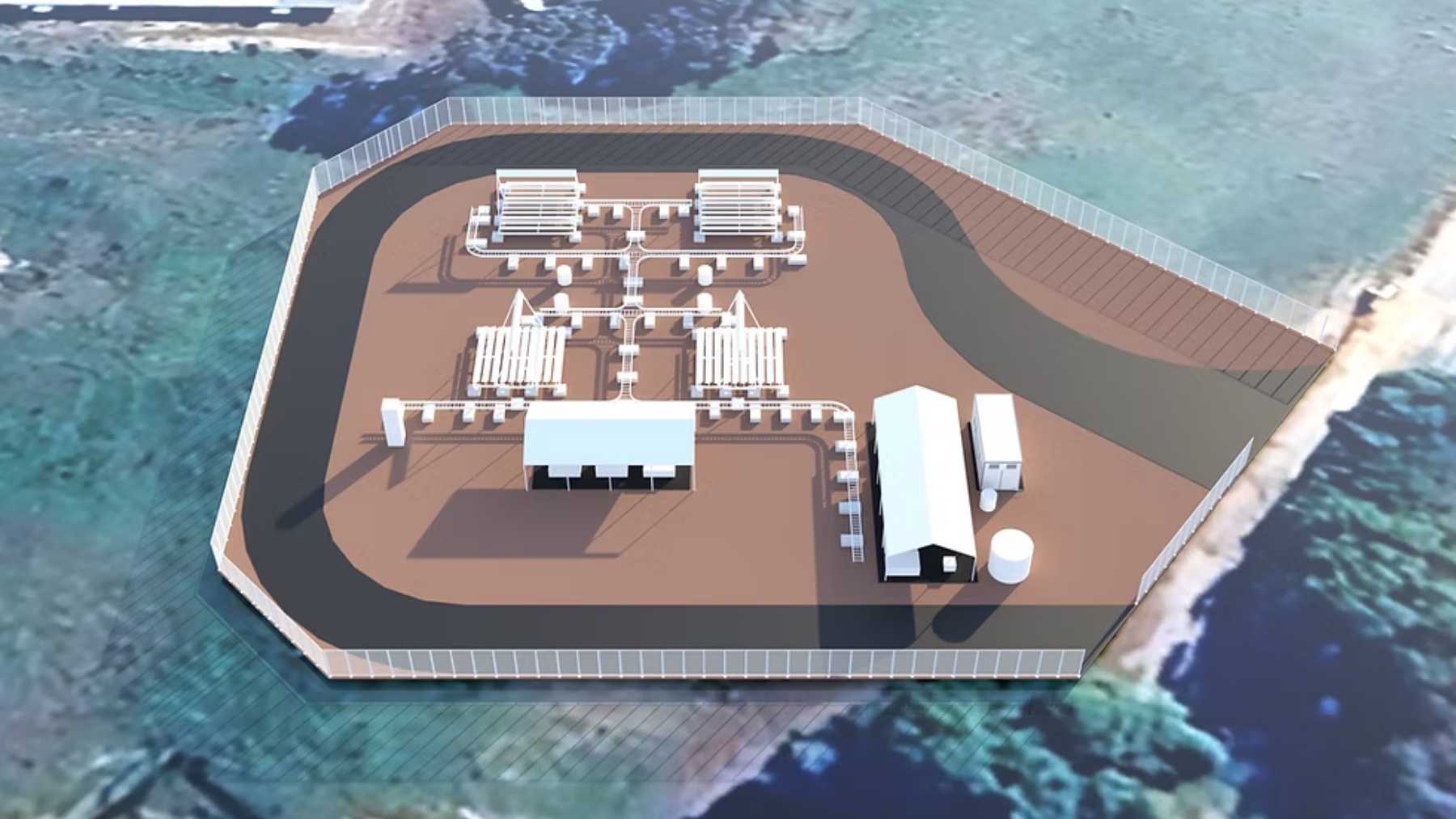
The company wants the land for an AI data center campus, and it has had better luck elsewhere in the county. Enough neighboring owners agreed to sell that on May 22, Mason County’s Fiscal Court rezoned 28 properties covering roughly 2,080 acres for the project. The piece it couldn’t get sits right beside all of that: 534 acres of working farmland that two women decided wasn’t for sale at any price a land agent could put on paper.
The math was never the problem
The numbers are worth spelling out, because they’re the reason this story traveled far beyond Kentucky. According to LEX 18, Huddleston was offered $60,000 an acre for her 71-acre property, about $4.26 million, and turned it down multiple times. Bare declined $48,000 an acre for her 463 acres, which works out to more than $22 million. Combined, the rejected offers top $26 million. For scale, Bare told WKRC’s Local 12 that land in Mason County is valued at around $6,000 an acre. Somebody was offering her mother ten times that.
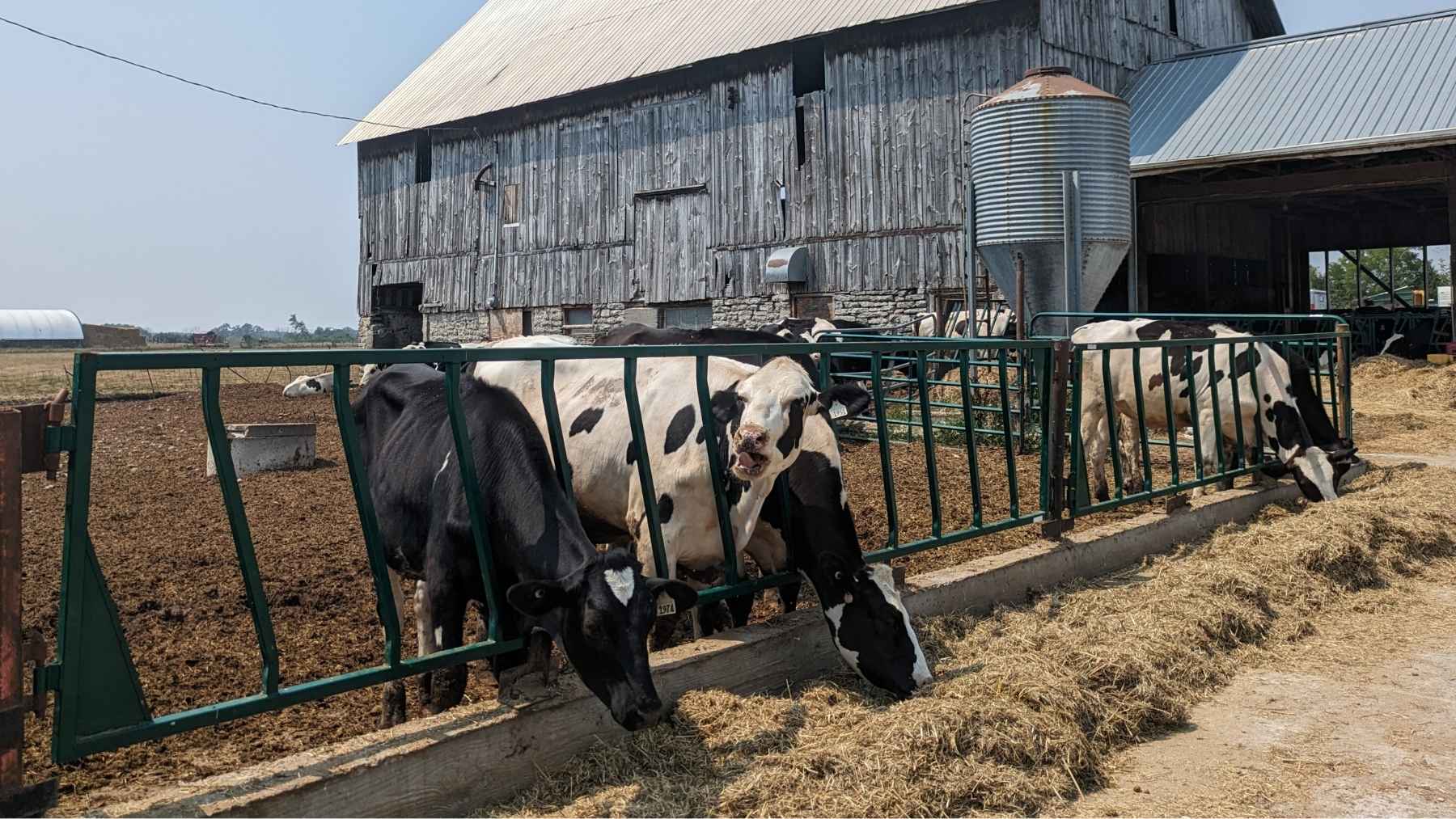
The first knock came in April 2025, when an undisclosed company approached the family about buying a chunk of their roughly 1,200 acres, according to Gray News station WXIX. The family has raised cattle on that ground for generations, and Bare told NewsNation that one section the buyer wanted has been in the family since the Civil War. Her grandfather and great-grandfather raised wheat on it through the Depression, she has said, helping keep American bread lines supplied. This is not a hobby farm waiting for an exit. It’s the kind of operation where the land is the business, the inheritance, and the retirement plan all at once.
Huddleston’s answer has stayed the same through every revised pitch. “I don’t want your money, I don’t need your money,” she told LEX 18. She has also described the repeated visits as feeling closer to harassment than negotiation, and says her real sympathy is for the neighbors who’ll end up living next to the finished thing. Bare framed it for NewsNation in plainer terms: “You can’t replace 200 years of history. There’s not enough cash to do that.”
Mason County approved it anyway
Saying no to the land agents turned out to be the easy part. Stopping the project is another matter entirely.
The rezoning ground through Mason County’s machinery for the better part of a year, and the paper trail is public on the city of Maysville’s data center information page. The county adopted data center regulations in late February. The Joint Planning Commission then held two nights of public hearings in late March, moved to a community college auditorium because the library wasn’t going to cut it, voted in early April, and signed off on the development plan three weeks later. The Fiscal Court gave the rezoning ordinance a first reading on May 12 and final approval at a special meeting on May 22, converting all 28 properties to I-3 Rural Industrial zoning.
The company behind all of this still has no public name. LEX 18’s reporting describes it as a Fortune 100 firm, and the county’s own documents refer to it only as “the prospect,” represented by attorney Tanner Nichols of the law firm Frost Brown Todd. WEKU reported that the developer remains undisclosed even after final approval. So an entire county has now rezoned more than three square miles of farmland for a tenant it hasn’t formally met.
The sales pitch leans on jobs. Tyler McHugh, economic development director for the Maysville-Mason County Industrial Development Authority, told LEX 18 last October that the project would create 400 full-time positions plus more than 1,500 construction jobs, enough to put the operator among the county’s largest employers. Bare has publicly guessed the long-term number lands under 50 once the construction crews pack up.
Approval hasn’t settled things, either. A residents’ group called We Are Mason County has filed a lawsuit, with a court hearing set for June 26, according to WCPO. And the footprint is already moving people: the station reported that the Meadowland Village trailer park was sold as part of the project plans, with residents offered $50,000 buyouts to leave. “I’m being ran out of Mason County,” one of them, Lisa Helphinstine, told the station.
They’re not the only ones saying no
Pull back from Mason County and the same scene is playing out across rural America, sometimes with eerily familiar math. In Cumberland County, Pennsylvania, data center developers offered farmer Mervin Raudabaugh $60,000 an acre — the exact per-acre figure Huddleston saw in Kentucky — for his 261 acres, a package worth over $15 million. He walked away and instead sold the development rights to the Lancaster Farmland Trust for just under $2 million in December, locking the ground into agriculture permanently. “I was not interested in destroying my farms,” he told Fox43, as Newsweek reported.
The pressure underneath all of this is blunt: the American Farmland Trust estimates the country is losing roughly 2,000 acres of farmland a day to non-agricultural uses, and AI campuses have become some of the hungriest new buyers. Kentucky alone is a busy map right now. Louisville Gas and Electric and Kentucky Utilities reported upwards of 30 potential data center projects in the works this year, per LEX 18 and Kentucky’s Public Service Commission. Mason County is one dot among many.
None of which makes villains out of the people who did sell. At eight to ten times farm value, taking the check is a rational call, and plenty of the family’s neighbors made it. That’s what makes a project like this work in the first place: the buyer never needed every parcel. It needed enough of them, and it got enough.
The land is the cheap part
A $26 million land offer sounds enormous from a farmhouse kitchen. From inside the AI buildout, it’s a rounding error. The International Energy Agency projects that electricity demand from data centers worldwide will more than double by 2030, to around 945 terawatt-hours, slightly more than what all of Japan uses today. Companies chasing that curve are spending on a scale where the constraint isn’t the price of dirt. It’s power, water, and time.
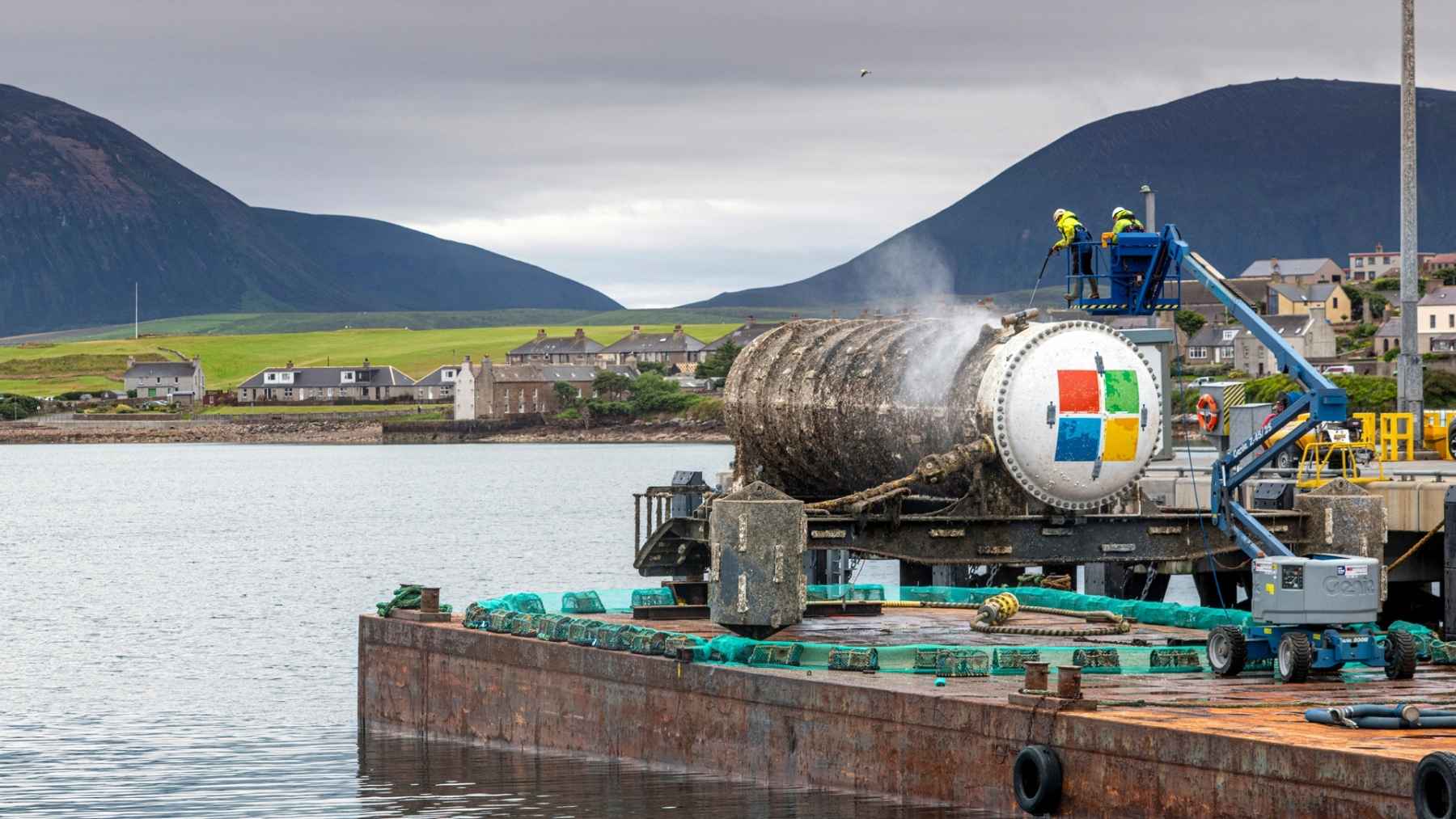
Which is why the solutions getting tested right now look so strange. We’ve covered China testing a 10-megawatt nuclear reactor mounted on a truck bed, pitched as a power bank for exactly this kind of facility. We’ve covered China sinking a data center off Shanghai that runs on offshore wind and seawater while American operators lock in decades of gas turbines for the same job. Every one of those projects starts from the same admission: the grid can’t keep up, so the infrastructure goes wherever the power and cooling can be solved. Sometimes that’s the bottom of the sea. Sometimes it’s 2,080 acres of Kentucky cattle country about an hour northeast of Lexington.
On paper, this one even has an answer for the water question. The developer’s rezoning application, posted on the city’s public information page, describes a closed-loop liquid cooling system that would consume no water for cooling during normal operations, with supply coming from the Western Mason Water District and the City of Maysville. Huddleston isn’t inclined to take a nameless buyer’s word for it. When TechCrunch picked up the story in March, it noted her worries echo widely reported accounts of water problems on land near data centers elsewhere in the country.
If this beat has a recurring theme, it’s ordinary people colliding with programs several orders of magnitude bigger than they are, whether that’s an Indonesian fisherman hauling a Chinese ocean sensor up in his net or an 82-year-old cattle farmer fielding visits from a Fortune 100 land team. The difference in Kentucky is that this time, the ordinary people held the one asset the program couldn’t route around without writing a bigger check. And the check was never the point.
A $26 million no, sitting next door
So that’s where Mason County stands in mid-June. The rezoning is signed. The lawsuit gets its hearing on June 26. The buyer that set everything in motion still hasn’t said its own name in public. And on 534 acres beside the future campus, two women are still running cattle on ground their family has worked since the Civil War. The company will probably get its data center built. It will just have to build it next door to a $26 million no.