
If you have spent a winter in Manhattan, you have seen the orange and white stacks venting steam into the street. That is a district heating system. It has been running under the city since 1882, it moves heat through roughly 105 miles of mains to more than 1,500 buildings, and a good share of what it carries is heat recovered from generating plants that would otherwise have thrown it away.
London has never had anything on that scale. Drawings published this month on the British government’s planning register show what the capital wants to build instead, and it is an odd-looking piece of infrastructure: two parallel tunnels, each about 8 feet across, running from a garbage incinerator in the borough of Bexley to Westminster.
Inside them, hot water. The idea is to take heat that a waste plant on the Thames currently vents into the sky and pipe it under south London to buildings that are burning gas to make the same heat again. London news site ianVisits found the environmental assessment documents and reported the tunnel dimensions on July 22.
The scheme is called the London Strategic Heat Main, and it is a long way from being built. The arithmetic behind it is still worth going through, because the heat already exists and nobody is doing anything with it.
The heat is already there. Nobody built the pipes.
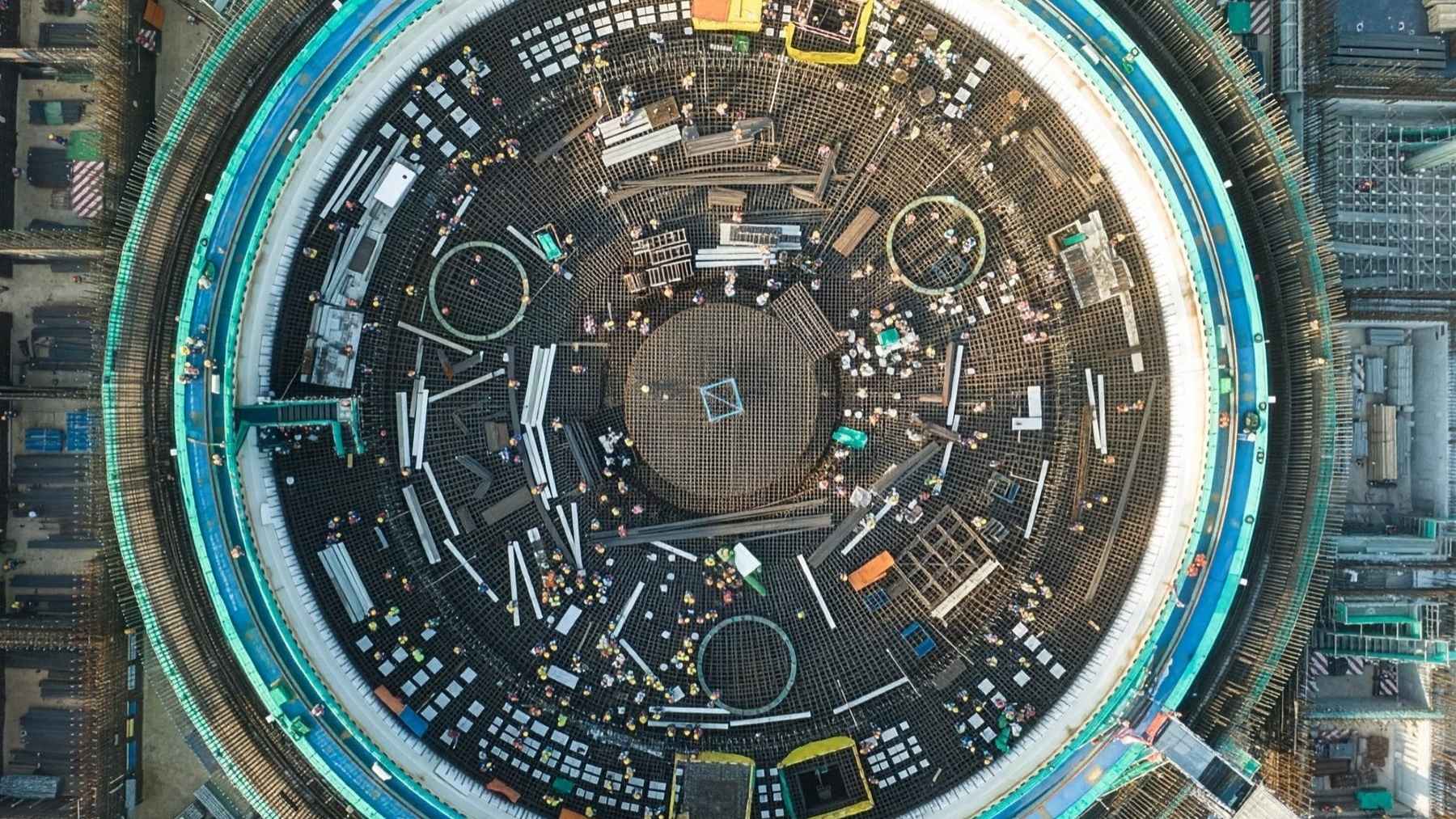
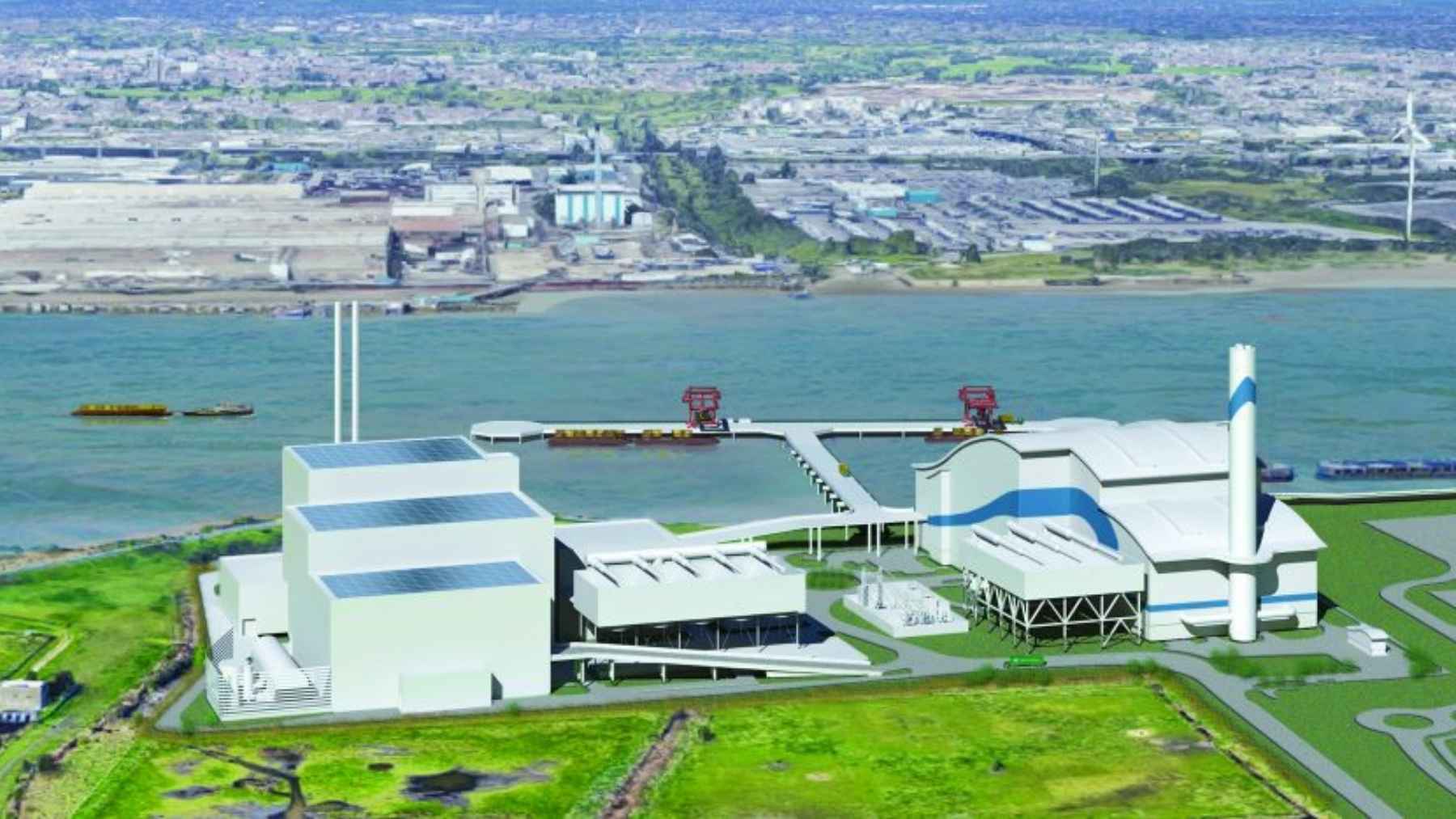
The source is Cory’s Riverside campus at Belvedere, on the south bank of the Thames east of Woolwich. Riverside 1 has been burning London’s non-recyclable waste since 2011 and now handles up to 850,000 metric tons a year. Riverside 2, next door, is built for another 650,000 and was due to come online this year.
Between them the two plants are designed to process more than 1.5 million metric tons of residual waste annually. Cory puts that at around half of London’s entire residual waste capacity. The electricity goes to the grid. The heat goes up the stack.
How much heat? Cory’s own figure is up to 3 terawatt-hours a year. In the company’s comparison, that is roughly the annual heat demand of the City of London plus half of the City of Westminster, released into the air above Bexley every year.
Temperature matters as much as volume here. Cory says the heat comes off at 90°C and above, or 194°F, which is hot enough for London’s older buildings to connect without replacing radiators or reworking internal pipework. Lower-grade sources like river water or sewage usually need heat pumps to lift them to a usable temperature first, which costs electricity.
A 2025 waste heat study commissioned by the Greater London Authority and London Councils, carried out by engineering firm Buro Happold, identified the Riverside campus as the largest source of high-grade waste heat in Greater London. The Crossness sewage treatment works, immediately next door, came up as another.
Two tunnels, and no giant boring machine
The route runs west from Belvedere through Greenwich, Lewisham, Southwark, Lambeth, the City of London and the City of Westminster. Branches into Barking and Dagenham, Tower Hamlets, and Kensington and Chelsea are still being studied, which is where the project’s count of 11 boroughs comes from.
The trunk main alone is over 20 kilometers, about 12.4 miles. The original request to the government described roughly 30 kilometers of pipelines and tunnels in total, so the number will move as the alignment firms up.
Cory’s project page describes the design as “up to two tunnels up to 2.5 metres in diameter”. The environmental documents ianVisits examined show two parallel bores of that size, following main roads that run alongside the Thames, including the A206 through Woolwich.
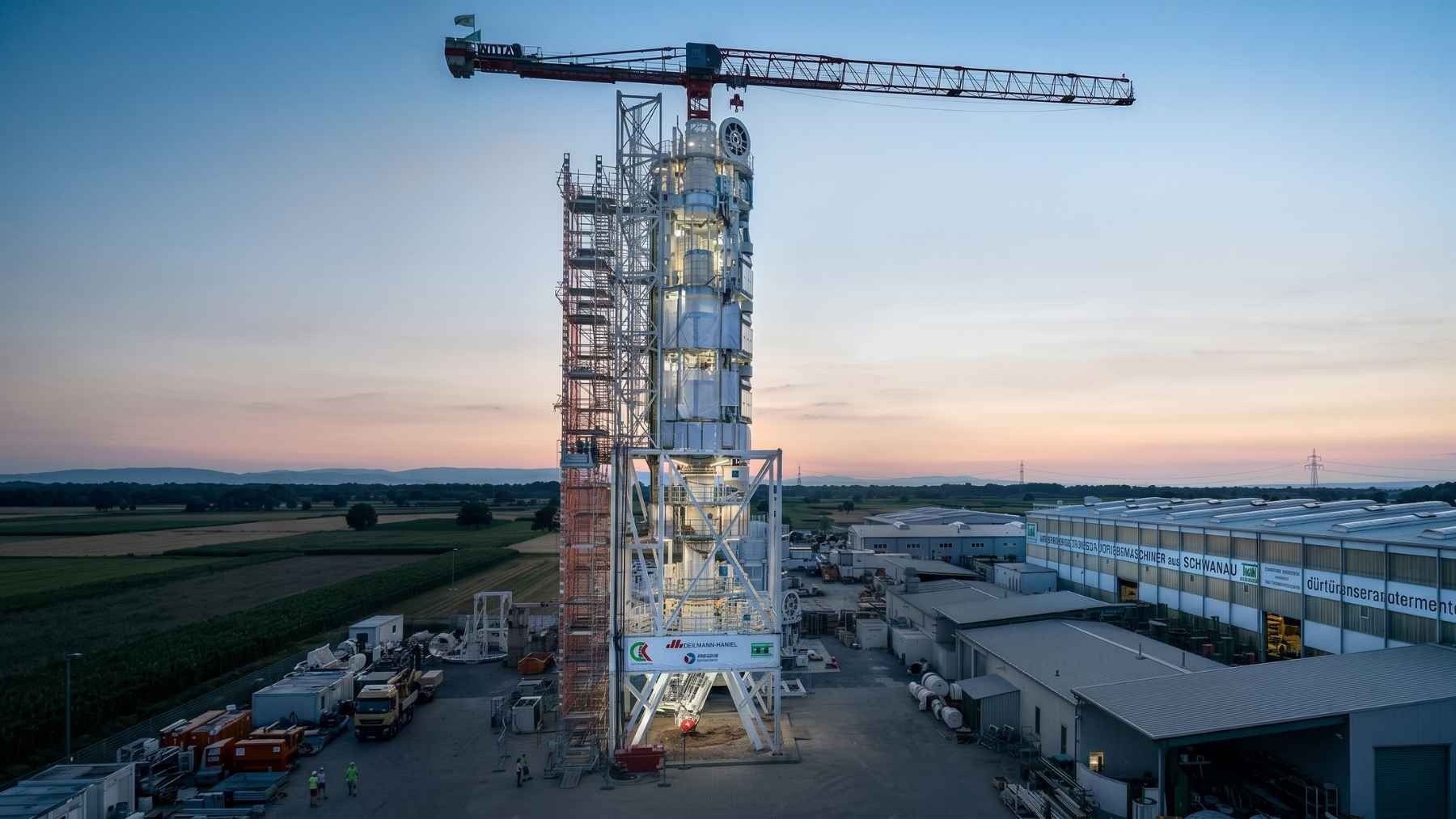
The engineering is less glamorous than the diagram suggests. This is not a Crossrail-style drive with a thousand-ton machine grinding forward for months. Cory says the pipes go in by micro-tunnelling, which means short pushes between shafts sunk along the route, using a remote-controlled machine steered from one shaft to the next.
Those shafts have a name in the paperwork: Maintenance and Access Points. They are why the surface disruption clusters at intervals rather than running the length of the route, and why the alternative, trenching 12 miles of south London roadway, was never on the table.
It is close to the opposite of the approach that produced the longest tunnel ever driven by a single boring machine, an 18.6-mile continuous bore under a British national park. London is not short of the big-machine version either, with HS2’s borers currently carving the Euston tunnel under the capital. For a heat pipe following a road, short drives between shafts is simply the cheaper way in.
The fuel is London’s garbage, and that is the part people argue about
A heat main anchored to an incinerator ties the two together. Cory’s position is that the pipeline captures heat from waste that is already being burned and requires no additional waste to be processed, which holds true within the plants’ permitted capacity.
The structural bet stands anyway. The economics of a 12-mile heat trunk assume the plants at the far end keep running for decades, which is a wager on how much residual waste London still generates in the 2040s.
The design does not lock other sources out. Cory says the main is built so additional heat suppliers can feed into it, and the Crossness sewage works next door is the obvious first candidate. Studies are also running on whether the same water could drive cooling in summer through absorption heat pumps, as systems in Paris and Abu Dhabi do.
On carbon, Cory cites UK government metrics putting the initial heat source at about 95% lower carbon than gas heating and about 60% lower than heat pumps. Those are the developer’s figures, produced under the government’s own accounting method, and they will be tested during consent.
The press release says 2028. The planning register says something else.
Cory announced the project on September 26, 2025, and that announcement targeted construction starting in 2028 with heat supplied from 2032. Those dates have been repeated ever since, including in last week’s coverage.
They no longer match the paperwork. The Planning Inspectorate’s entry for the scheme lists it at pre-application stage with the consent application expected in November 2027. Cory’s own current timeline shows two public consultations through 2027, a Development Consent Order decision in 2029, and construction and first heat in the early to mid 2030s. The company’s FAQ says the same thing.
So 2032 is a leftover from a press release written before the programme settled. First heat now lands somewhere in the first half of the 2030s, assuming consent is granted at all.
The consent route is unusual too. Heat pipes are not on the statutory list of nationally significant infrastructure in Britain’s Planning Act 2008, so the project could not qualify automatically. Cory applied on August 1, 2025 for a discretionary direction, and on August 27 the Department for Energy Security and Net Zero issued one, signed by deputy director David Wagstaff, treating the scheme as requiring development consent on the grounds that it is a project of national significance in the field of energy.
That direction is the only reason this counts as nationally significant infrastructure. Cory says it is the first time heat network infrastructure has been given the designation. In March 2026 the scheme was also named a priority project in the London Infrastructure Framework, the Mayor’s and London Councils’ list of 51 schemes, alongside the Bakerloo Line extension.
Barges are the stopgap
A tunnel that opens in the 2030s is not much use to a heat network trying to sign customers now, which is why Cory has a second project running alongside it.
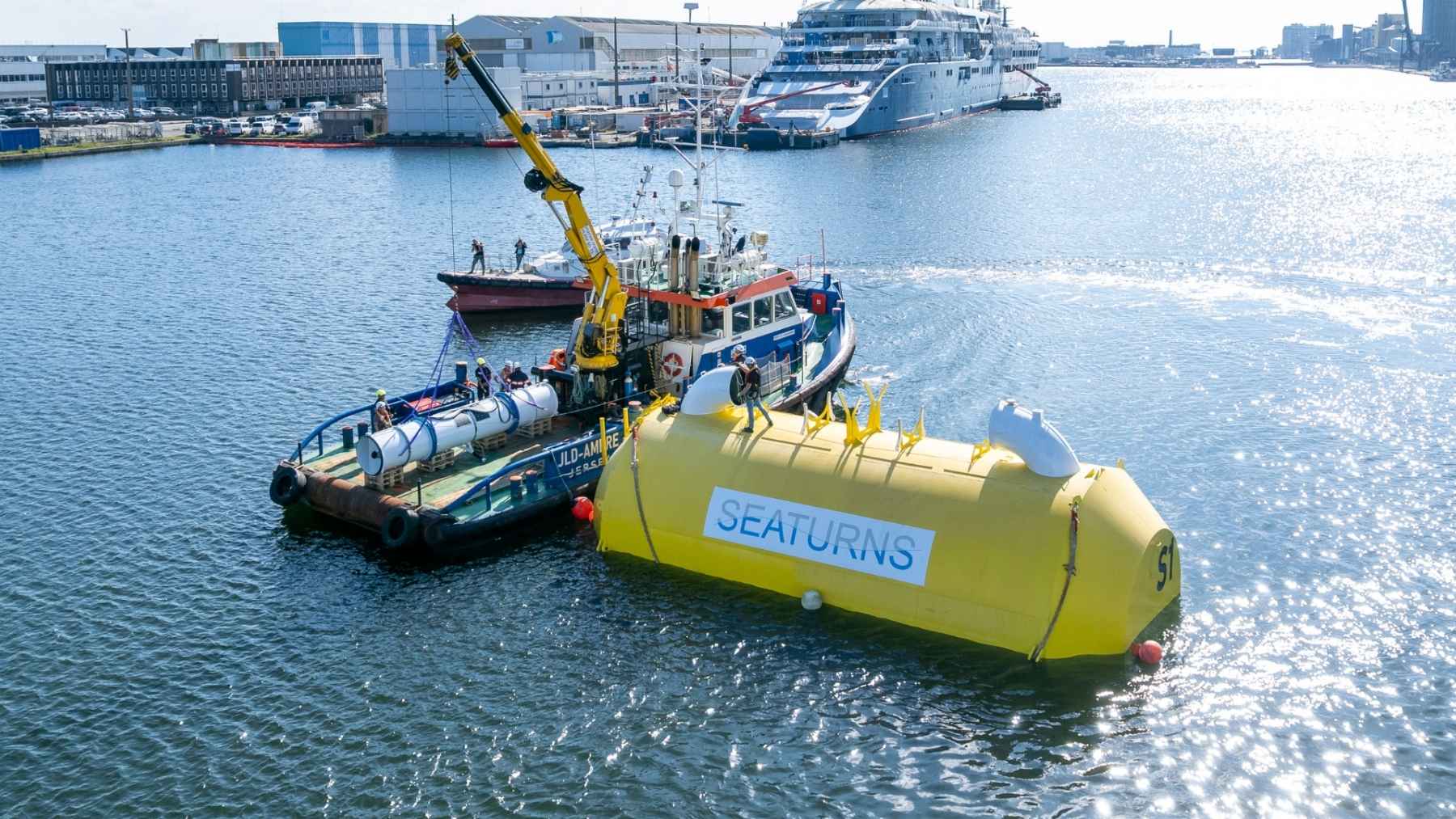
It is called Mobile Heat, and it is what it sounds like. Liquid carrier barges, based on vessels already working in Europe, would load hot water at Belvedere and carry it up the Thames to insulated tanks on pontoons serving central London’s networks. Cory says it could start delivering in 2028, and that the pontoons are meant to be configured as planted decks it calls Thames Floating Gardens.
Moving heat by boat sounds like a workaround because that is exactly what it is. It needs no grid connection and no consent for 12 miles of tunnel. Cory has been shifting London’s waste on the river for a very long time, and says the barge operation already keeps around 100,000 truck movements a year off the city’s roads.
When the tunnel is commissioned, the plan is for the networks the barges have been feeding to switch over, with the barge-served thermal stores becoming backup capacity.
What this looks like from the American side
The closest American version of this job is happening in the sewer. Washington is spending $819 million boring a 5.5-mile tunnel under the Potomac for one reason: the capital’s 19th-century combined sewers overflow into the river when it rains hard. Nobody calls that visionary. It is maintenance on a system built for a smaller city.
London’s heat main is the same category of work, a utility corridor for something the city already produces and currently loses. The difference is that a sewer tunnel handles a liability and this one handles an asset. Three terawatt-hours of it, going up a stack in Bexley every year, while a few miles upriver buildings burn gas to make the same heat over again.
None of it is consented. None of it is funded in final form. The first hot water is at least seven years out, and the paperwork alone runs to 2029. Manhattan sorted out its version in 1882.